Image source: Bing (Web (fair-use with source credit))

Today's Exclusive Deals
Limited-time Exclusive Deals. Check current discount on Amazon.
Check Price on Amazon As an Amazon Associate I earn from qualifying purchases.Thinking about exploring the underwater world? The big question on your mind is likely, "How much does scuba diving cost?" It’s not a simple one-size-fits-all answer, as your expenses can shift based on how you approach it. Our research shows that diving can range from a moderately priced weekend hobby to a significant travel investment.
The cost really boils down to two main areas: getting trained and equipped, and then paying for the dives themselves. To get certified, you'll typically spend a few hundred dollars for a basic Open Water Diver course, often around $400 to $600 USD as of 2026. After that, your ongoing costs depend on whether you rent gear or invest in your own.
Quick Answer
Scuba diving costs vary wildly, from $400 for basic certification to thousands for gear and trips. Expect $400, $600 for Open Water certification. Gear can cost $1,000, $3,000+.
Dive trips add $100, $250+ daily. Your choices determine the total price.
The Big Picture: What Drives Scuba Diving Costs?
Scuba diving's price tag isn't just about the gear; it's a blend of training, equipment, and the actual experience of diving in different locations. You're paying for expertise, safety, and access to an environment few people get to see up close. Think of it as an investment in adventure and a unique skill set.
Certification Costs: Your Ticket to the Underwater World
This is where most people start, and for good reason. Without certification, you can't rent gear or go on most organized dives. The most common starting point is the Open Water Diver certification, offered by agencies like PADI and SSI.
This course covers essential diving theory, confined water skills, and open water dives to ensure you can dive safely and independently.
The price for an Open Water Diver certification typically falls between $400 and $600 USD. This fee usually includes your training materials, classroom sessions, pool or confined water instruction, and the dives with an instructor. It's a comprehensive package designed to get you comfortable and competent underwater.
As of 2026, you might see slight variations depending on your location and the dive shop, but this range is a solid benchmark. For those looking to expand their skills, advanced certifications like Advanced Open Water Diver can add another $300 to $500.
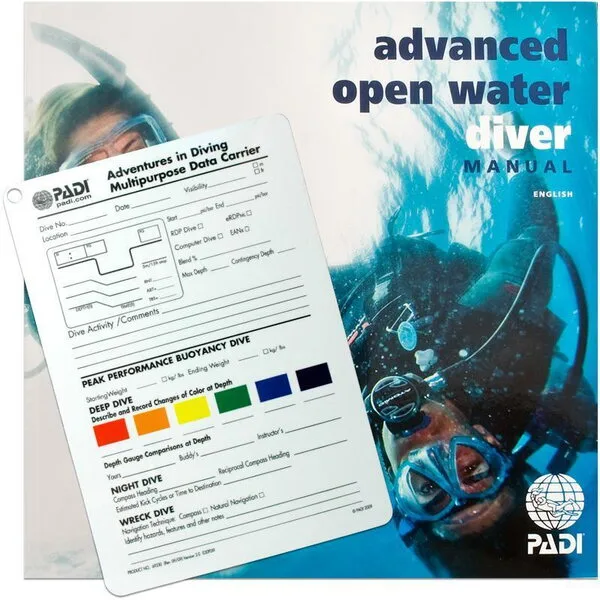
Image source: Bing (Web (fair-use with source credit))
Gear Up: Buying vs. Renting Your Essential Equipment
Once you're certified, the next big cost consideration is your scuba gear. You have two main paths here: renting gear for each dive trip or investing in your own equipment. Each has its pros and cons, and the right choice depends heavily on how often you plan to dive and your budget.
Renting gear offers flexibility and a lower initial cost. This is great if you're just diving a few times a year or are still figuring out what you like. A typical daily rental package might include a buoyancy control device (BCD), regulator set, wetsuit, and tank, often costing between $50 and $100 USD.
The downside is that rental gear might not fit perfectly, and you're constantly paying for it if you dive frequently.
Investing in your own gear is a bigger upfront expense, but it can save you money in the long run if you're a regular diver. A full set of new, quality gear, mask, fins, BCD, regulator, computer, and wetsuit, can easily range from $1,000 to $3,000 or more. Some of the higher-end pieces, like regulators and dive computers, can be particularly pricey but offer significant performance and safety benefits.
For example, a good dive computer, essential for tracking your dive time and depth, can set you back $400 to $800. You can explore options for individual pieces like best scuba diving regulators 2026: top picks for every diver or best scuba diving computers 2026: top picks for safe underwater adventures.
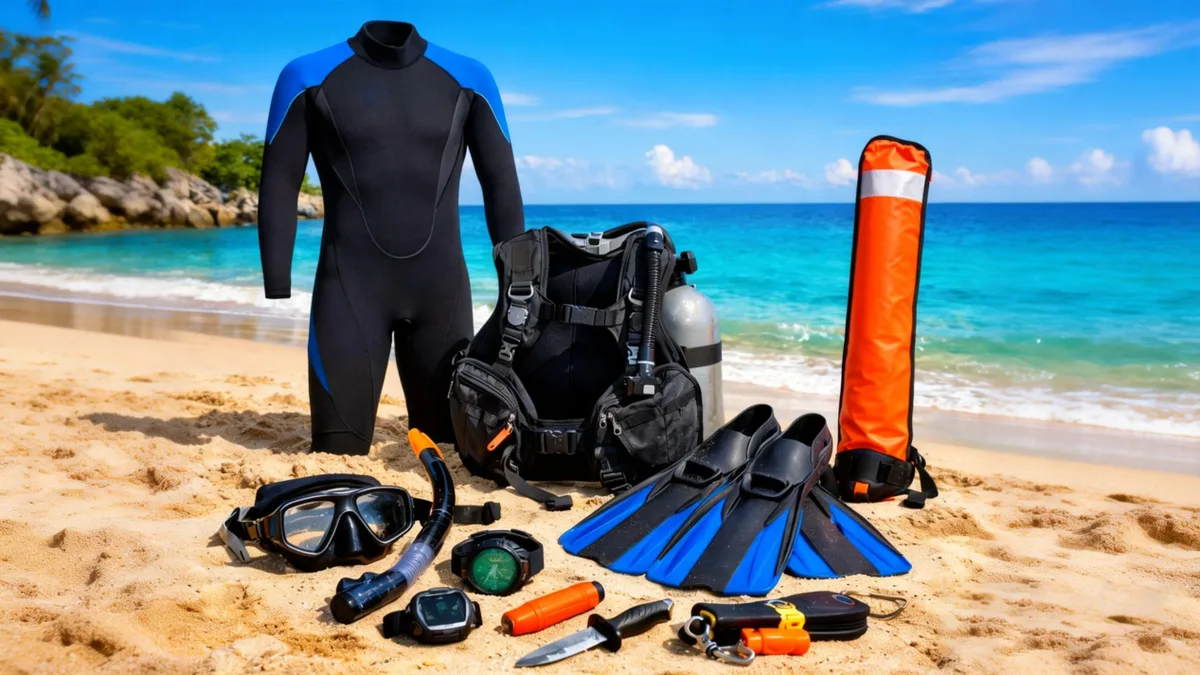
Image source: Web (Bing) / divevolkdiving.com (Web image (fair-use with source credit))
Travel & Excursions: Where You Dive Matters
This is where the costs can really start to stack up, especially if you dream of exotic dive destinations. The price of a dive trip isn't just about the boat ride; it includes everything from getting to your dive site to the actual diving activities. Prices vary dramatically based on location, the type of diving you're doing, and the length of your excursion.
A single day of diving, typically involving two to three guided boat dives, can cost anywhere from $100 to $250 USD. This often includes tank fills, weights, and sometimes even lunch on the boat. However, this doesn't account for getting to the dive site, accommodation, or any other travel expenses.
Popular dive destinations like the Caribbean or Southeast Asia might offer more competitive package deals, bundling accommodation with multiple days of diving.
For example, a week-long dive package to a resort in a well-known diving spot might start at $1,500 to $3,000 per person, excluding flights. These packages often cover accommodation, meals, and a set number of dives. Flights are a major variable, depending on your departure point, time of year, and how far in advance you book.
A transatlantic flight alone could add $800 to $1,500+ to your trip cost. If you're only diving locally, your costs will be significantly lower, mainly covering fuel to the dive site and boat fees.
Real-World Scenarios: Cost Examples for Different Divers
To give you a clearer picture, let's look at a few hypothetical divers and their potential scuba diving expenses as of 2026. These are rough estimates, and actual costs will always fluctuate based on specific choices, locations, and timing.
The Weekend Warrior: Local Dives and Starter Gear
This diver lives near a coast and plans to dive on weekends or long weekends, perhaps taking a vacation once a year to a nearby dive spot. They are cost-conscious and looking for a balance between saving money and having decent equipment.
- Certification: $500 (Open Water Diver)
- Gear: They might opt for a more budget-friendly starter package, or buy key items individually over time. Let’s estimate $1,500 for a decent starter set including a mask, fins, BCD, regulator, computer, and wetsuit. They might look into best scuba diving gear for beginners 2026: top picks to buy now.
- Dives: They do 10-15 local dives per year, costing about $120 per day (two dives). That's $1,200, $1,800 annually.
- Travel: One dive vacation to a regional destination, costing $800 (flights, accommodation, 4 days of diving).
- Total Annual Estimate: $2,500, $3,100 (Year 1), then $1,200, $1,800 annually for subsequent years (plus maintenance).
The Tropical Explorer: Dive Travel Packages and Full Kits
This diver dreams of warmer waters and vibrant coral reefs, planning multiple dive trips a year to exotic locations. They prioritize having reliable, comfortable gear for extended travel and diving.
- Certification: $500 (Open Water Diver) + $400 (Advanced Open Water Diver) = $900
- Gear: They invest in good quality, durable gear for travel, anticipating frequent use. This could be in the $2,500, $3,500 range. This might include a sturdy best scuba diving gear bag 2027: top picks for easy travel and a comfortable best scuba diving masks for wide face 2026: top picks reviewed.
- Dives: Two major dive vacations per year, each including 5 days of diving. At $200 per day, that's $1,000 per vacation, totaling $2,000 annually.
- Travel: Flights and accommodation for two tropical trips could easily run $1,500, $2,500 per trip, totaling $3,000, $5,000 annually.
- Total Annual Estimate: $6,400, $8,400 (Year 1, including gear), then $5,000, $7,000 annually.
The Enthusiast: Specialty Certifications and Frequent Trips
This diver is passionate about diving and sees it as a primary hobby. They pursue various specialty certifications, own top-tier gear, and are always looking for their next underwater adventure, whether local or international.
- Certification: $500 (OWD) + $400 (AOWD) + $600 (2 Specialty Courses like Wreck or Deep) = $1,500 (initial) + ongoing specialty courses.
- Gear: They have a full suite of high-end gear, including a drysuit if diving in colder waters, and multiple accessories. This could be $4,000+. They likely own a top-rated best scuba diving regulator 2026: top picks for every diver and a robust best scuba diving flashlight 2026: top picks for underwater adventures.
- Dives: They average 40-50 dives per year, often involving multiple dive trips. This could be $3,000, $5,000 annually for organized dives and boat fees.
- Travel: Multiple trips, some local, some international, averaging $4,000, $7,000 annually for travel and accommodation.
- Total Annual Estimate: $8,500, $12,500 (Year 1, including initial gear investment), then $7,000, $12,000+ annually.
Common Scuba Diving Costs & What You Get For Your Money
Understanding the price tags for certifications and gear is crucial for budgeting. These aren't just arbitrary numbers; they reflect the training, materials, and technology that go into making scuba diving a safe and enjoyable experience. Here’s a closer look at where your money goes.
Certification Course Fees Explained
As mentioned, the foundational Open Water Diver course is your entry point, costing between $400 and $600 USD. This fee typically covers your PADI or SSI certification card, instructor fees, use of training equipment during the course, and all academic and practical instruction. What you're paying for is expert guidance in mastering essential skills like buoyancy control, emergency procedures, and understanding dive planning.
Beyond the basic certification, specialty courses allow you to explore specific types of diving. Examples include Advanced Open Water Diver ($300-$500), which expands your depth and introduces you to different diving environments, or specialized courses like Wreck Diving, Deep Diving, or Underwater Photography. These courses build upon your foundational skills and can significantly enhance your diving capabilities and enjoyment.
The cost reflects the specialized knowledge and practical application required.
A Look at Essential Scuba Gear Prices
Investing in your own gear is a significant expense but often pays off for regular divers. Here’s a typical breakdown of costs for new, mid-range equipment as of 2026:
- Buoyancy Control Device (BCD): $400, $800. This jacket-like device helps you control your buoyancy and stability underwater. A good BCD should be comfortable and offer intuitive controls. You can find options like the 8 best scuba diving BCD 2027: top picks for every diver.
- Regulator Set: $500, $1,000+. This includes the first stage (attaches to the tank valve) and the second stage (mouthpiece), along with an alternate air source (octopus) and a submersible pressure gauge or dive computer interface. It’s your lifeline, so quality is key.
- Dive Computer: $400, $800. This indispensable device tracks your depth, dive time, ascent rate, and calculates no-decompression limits, ensuring you stay within safe diving parameters.
- Mask: $100, $300. A comfortable, well-fitting mask is vital for clear vision. Fit is paramount; a good mask creates a seal without needing excessive force.
- Fins: $100, $300. These provide propulsion and efficiency in the water. The type of fin can impact performance and comfort, especially for different current conditions.
- Wetsuit/Drysuit: $200, $600 for a wetsuit, $800, $1,500+ for a drysuit. Your thermal protection depends on water temperature. Wetsuits keep you warm by trapping a thin layer of water, while drysuits keep you completely dry. A best scuba diving wetsuit 2026 reviews and buying guide can offer more insight.
- Tank (Air Cylinder): Rental tanks are usually included in dive packages. If you buy, expect $300, $500.
- Weight System: $50, $150 for a weight belt or integrated BCD weights.
Buying used gear can significantly reduce these costs, but always ensure it's in good condition and has been recently serviced, especially for regulators.
Dive Trip and Excursion Expenses
The cost of actual diving excursions varies hugely based on location and what's included. A basic day trip with two boat dives at a local dive site might cost $100-$150. This usually covers the boat, tanks, weights, and guide services.
If you’re diving from a liveaboard boat for multiple days, you’re paying for accommodation, food, and numerous dives, which can range from $200 to $500+ per day depending on the luxury and location.
When you book a dive trip, you're not just paying for the time in the water. You're also paying for the expertise of the divemaster or instructor guiding you, the maintenance and operation of the dive boat, safety equipment on board, and often, access to unique dive sites that may have permits or fees. For example, diving in a marine protected area might incur additional conservation fees, contributing to the preservation of the underwater ecosystem.
Potential Pitfalls: Costs to Watch Out For
Even with careful budgeting, unexpected expenses can pop up in scuba diving. Being aware of these potential pitfalls can help you avoid costly surprises and ensure your diving adventures remain enjoyable and financially manageable. Proactive planning is key here, just like in any hobby that involves specialized equipment and travel.
Unexpected Maintenance and Repair Bills
Scuba gear, particularly regulators and BCDs, requires regular servicing to ensure safety and longevity. Manufacturer specifications often recommend annual servicing for regulators and periodic checks for other equipment. These professional services can cost anywhere from $100 to $300 annually, depending on the number of items serviced and your location.
Neglecting maintenance can lead to equipment failure underwater, a serious safety risk, and potentially much higher repair bills down the line if minor issues become major ones.
The True Cost of "Cheap" Dive Travel
Opting for the absolute cheapest dive trip or gear might seem like a good idea initially, but it can lead to hidden costs or compromised experiences. For instance, a very inexpensive dive package might mean fewer dives per day, longer boat rides, or less experienced guides. Similarly, bargain-basement gear might lack durability or comfort, potentially leading to issues that require expensive repairs or premature replacement.
It's often wiser to invest in reputable dive operators and quality gear, even if it means a slightly higher upfront cost, as this typically translates to a safer, more enjoyable, and ultimately more cost-effective diving experience.
Hidden Fees in Dive Packages
Always read the fine print when booking dive excursions or travel packages. Some advertised prices might not include crucial elements like tank fills, weights, or park entrance fees. Nitrox fills, for example, often come with an additional charge.
Some destinations also impose mandatory marine park or conservation fees that aren't always included in the initial quote. Clarify exactly what is included in your dive package, tanks, weights, guide, lunch, and any potential surcharges, before you commit to a booking to avoid surprises.
Frequently Asked Questions About Scuba Diving Costs
How much does a PADI Open Water Diver certification typically cost?
The cost for a PADI Open Water Diver certification usually ranges from $400 to $600 USD. This price generally includes all training materials, instruction, pool sessions, open water dives, and your certification card.
Is it cheaper to rent or buy scuba gear?
For divers who plan to go underwater more than 10-15 times per year, buying your own gear typically becomes more cost-effective than renting. A full set of new gear can cost $1,000, $3,000+, but this investment can be recouped within 1-2 years for frequent divers.
What are the biggest expenses in scuba diving after certification?
The two largest ongoing expenses are typically the cost of dive trips and excursions, and the maintenance or replacement of scuba gear. Travel to dive destinations, boat fees, and gear servicing all contribute significantly to the overall cost of the hobby.
Can I scuba dive without getting certified?
While some resort "Discover Scuba Diving" programs allow a taste of scuba without full certification, you cannot independently rent gear or participate in most organized dives without an Open Water Diver certification or higher. These introductory programs are supervised and very limited in scope.
How much should I budget for a typical dive vacation?
A dive vacation can range widely. A moderate dive trip including accommodation and 4-5 days of diving might cost $1,500, $3,000 per person, not including flights. This can increase significantly for remote or luxury destinations.
Making Your Decision: Is Scuba Diving Worth the Investment?
The total cost of scuba diving can appear substantial, especially when you first look at the numbers for certification and gear. However, for many, the experience is well worth the investment. It opens up a world of incredible marine life, breathtaking underwater landscapes, and a sense of adventure unlike any other.
Your personal diving habits will ultimately dictate your spending. If you're a casual diver who only goes on vacation once a year, renting gear and joining local excursions might keep your annual costs manageable. For the dedicated enthusiast, investing in quality gear and pursuing advanced certifications unlocks deeper, more rewarding diving experiences.
By carefully considering your priorities and planning your spending, you can absolutely make scuba diving an accessible and incredibly fulfilling hobby.