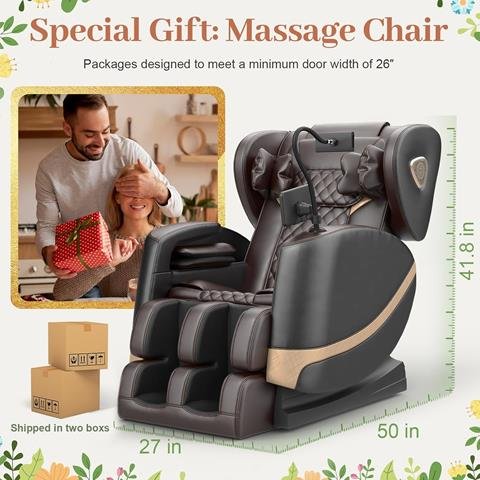
Massage devices can cause temporary soreness when used too hard, too long, or on tender tissue.
I write about bodywork and recovery after years as a therapist and product tester. I know how massage tools work and why soreness can follow. This article explains whether massage devices cause soreness, what causes that soreness, how to prevent it, and when to get help. Read on to learn safe ways to use your device and ease any post-massage ache.
Today's Exclusive Deals
Limited-time Exclusive Deals. Check current discount on Amazon.
Check Price on Amazon As an Amazon Associate I earn from qualifying purchases.
Why massage devices can cause soreness
Massage devices can cause soreness because they apply pressure, movement, and vibration to soft tissue. Muscles and fascia respond to those forces. Small amounts of tissue stress can feel like good relief. Too much stress can lead to soreness.
Common ways massage devices cause soreness:
- High intensity on one spot for long time.
- Deep tip pushing into tight muscles.
- Using a device on already inflamed or injured tissue.
- Repetitive motion without giving tissue time to recover.
Can massage devices cause soreness when used properly? Yes, mild soreness is common after deep work. Can massage devices cause soreness that is harmful? That can happen if use is too aggressive or if medical risks exist. I will show how to tell the difference.

How different devices can cause soreness
Not all devices are equal. The type matters. Each tool has its own risk for causing soreness.
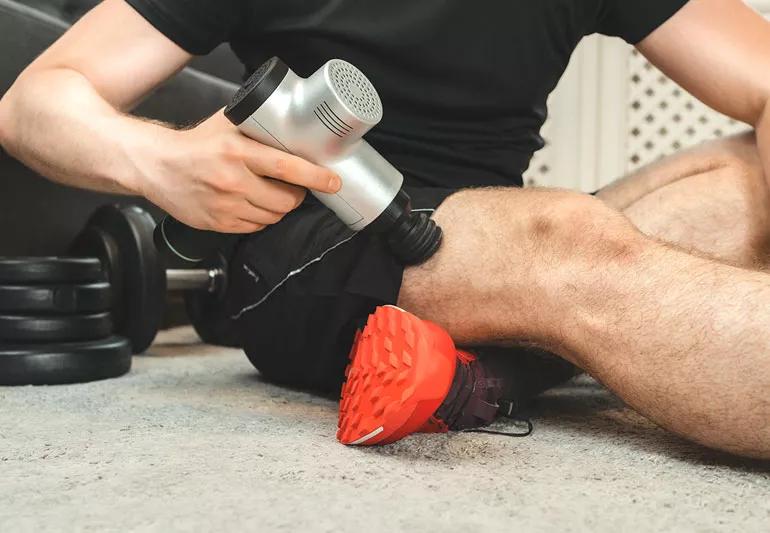
Percussive massage guns
- Deliver rapid, strong taps. They can loosen tight muscles fast.
- They can also bruise or create deep soreness if used too hard or on bones.
Vibratory devices
- Use gentle oscillation. They often cause less immediate soreness.
- Prolonged high-amplitude vibration can still fatigue tissue.
Rollers and foam tools
- Use body weight to apply pressure. Good for broad areas.
- Too much pressure, or rolling over sore spots repeatedly, can increase soreness.
Electric shiatsu and kneading devices
- Simulate hands. They can feel intense on small muscles.
- They may irritate nerve-sensitive areas if left in one spot.
Hot-and-cold combined units
- Heat before massage can increase blood flow and sensitivity.
- Cold after massage can reduce soreness. Misuse of temperature can add discomfort.
Across these types, the same rule applies: intensity, duration, and location determine whether massage devices cause soreness and how severe it will be.
What soreness feels like and when it is normal
Soreness after a session usually has a clear pattern. It can help you judge whether to continue or stop.
Normal soreness
- A dull ache in worked muscles that appears within hours.
- Mild stiffness that improves with light movement.
- Lasts 24 to 72 hours and fades with rest and hydration.
Warning signs of harmful soreness
- Sharp, stabbing, or burning pain during or after use.
- Numbness, tingling, or weakness that does not improve.
- Swelling, red streaks, or worsening pain after 72 hours.
If you ask, "Can massage devices cause soreness that needs medical care?" the answer is yes when those warning signs appear. Stop the device and seek care if symptoms are severe or unusual.

Why soreness happens: biology in simple terms
Soreness comes from tiny changes in muscle and connective tissue. Here are the main mechanisms:
Microtrauma
- Small tears occur in muscle fibers when they are stressed.
- The body brings immune cells and fluid to heal them, which causes soreness.
Inflammation and fluid build-up
- Increased blood flow and immune activity make tissue tender.
- This is part of healing, but it feels sore.
Nervous system sensitivity
- Deep pressure can fire pain receptors.
- Nerves can stay sensitive for hours after treatment.
Metabolic waste and stiffness
- Short-term buildup of metabolites can make tissue feel stiff until circulation clears them.
Knowing these helps you reduce risk. If you accept that massage devices can cause soreness as part of mechanical tissue work, you can use them smartly.
How to use massage devices safely to reduce soreness
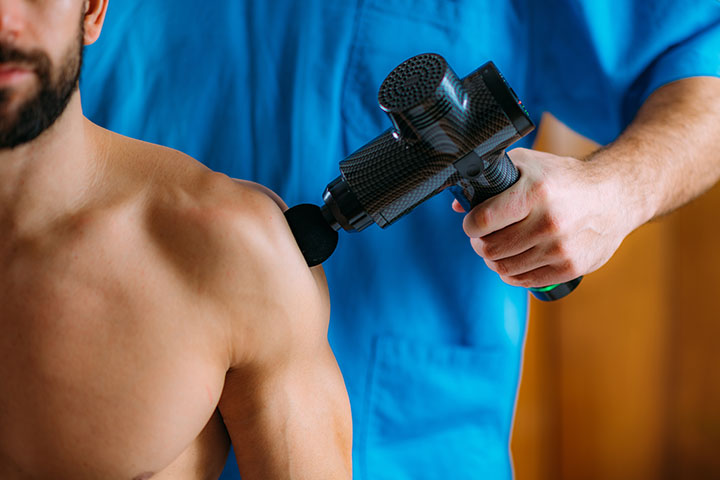
Follow these simple rules when you wonder, "Can massage devices cause soreness for me?" Use the device in ways that limit harm.
Start gently
- Begin on low intensity and short time periods.
- Test the device on a non-tender area first.
Limit duration per spot
- Use only 30–90 seconds on a single tight spot.
- Move slowly across the muscle rather than holding in one place.
Adjust intensity
- Reduce speed or power if you feel sharp pain.
- Use a softer attachment for bony areas.
Avoid risky areas
- Do not use directly on the spine, front of the neck, open wounds, or inflamed joints.
- Skip areas with known varicose veins or recent fractures.
Follow with light movement and hydration
- Walk or stretch gently after use.
- Drink water to support recovery.
If you train or recover from sport, ask your coach or clinician about integrating devices safely. These steps cut how often and how badly massage devices cause soreness.

When not to use massage devices
There are times not to use a device. Using one in the wrong situation can make soreness worse or cause harm.
Avoid if you have
- Acute injuries like fresh sprains, deep bruises, or open cuts.
- Fever, infection, or skin conditions in the area.
- Blood clotting disorders or heavy use of blood thinners.
- Recent surgery or metal implants in the area.
Ask a clinician before use if pregnant, if you have cancer, or if you have nerve disorders. These are reasons massage devices may cause more than ordinary soreness.

Post-use care to reduce soreness
Simple aftercare lowers the chance that massage devices cause soreness that lingers.
Use these steps
- Apply gentle stretching to the worked muscle.
- Use light cardio for five to ten minutes to boost circulation.
- Ice if there is sharp pain or swelling. Use heat for stiffness after 48 hours.
- Rest the area and avoid heavy loading for a day if soreness is present.
If soreness persists longer than 72 hours, consider seeing a clinician.

Personal experience and practical tips
I have tested dozens of devices with clients and on myself. I have learned lessons that help you avoid harm.
What I learned
- Small, steady sessions beat long, intense blasts. When I overused a percussive device, my calves stayed sore for three days.
- Attachments matter. A hard ball on a small muscle often caused sharp pain. Switching to a larger, softer head fixed that.
- Timing helps. Using devices after light activity, not when cold, lowers soreness.
Practical tips I follow
- Keep sessions under 10 minutes for most areas.
- Use a checklist: intensity, time, location, pain level. If pain rises, stop.
- Combine device use with stretching and hydration for faster recovery.
These are low-effort steps that lower how often massage devices cause soreness in daily use.
Research, expert guidance, and limitations
Studies and expert advice show mixed results. Many report short-term relief from devices. Others note small risks like soreness or bruising. Experts emphasize safe protocols and education.
What experts say in short
- Devices can speed warm-up and recovery when used correctly.
- Overuse increases risk of pain, bruises, and nerve irritation.
- More research is needed on long-term effects and best practices.
Limitations to acknowledge
- Individual pain tolerance varies greatly.
- Devices are not a substitute for medical care for real injuries.
- Evidence quality varies by device type and study design.
I recommend treating devices as a helpful tool, not a cure-all. When you think, "Can massage devices cause soreness for me?" weigh benefits and risks.
Frequently Asked Questions of Can massage devices cause soreness
Can massage devices cause soreness the next day?
Yes. Mild soreness the next day is common after deep or long sessions. It usually fades in 24–72 hours with rest and simple care.
How long should soreness last after using a massage device?
Normal soreness lasts 1 to 3 days. If pain is sharp, severe, or gets worse after 72 hours, seek medical advice.
Can I use a massage device on injured areas?
No. Avoid fresh injuries, open wounds, and inflamed joints. These areas can worsen and cause harmful soreness.
Will using a hotter or colder setting change soreness?
Heat can increase blood flow and sensitivity during use. Cold can reduce sharp pain afterward. Both can help if used properly and at the right time.
How often can I safely use a massage device?
Use on a given muscle once per day or several short times a week. Short sessions and low intensity lower the chance that massage devices cause significant soreness.
Is soreness a sign the device worked?
Mild soreness can mean the tissue was effectively worked. But soreness is not needed for benefit, and severe pain signals overuse or injury.
Conclusion
Massage devices can cause soreness, but most of the time that soreness is mild and temporary. Use gentle settings, limit time on one spot, avoid risky areas, and follow simple aftercare to reduce the chance of prolonged pain. Trust your body, stop if pain feels sharp or odd, and ask a clinician when in doubt. Try these tips, track how your body responds, and share what works for you — and if this article helped, leave a comment or subscribe for more practical recovery guides.