
When you think about combat sports, Boxing and Mixed Martial Arts (MMA) are likely the first things that come to mind. They both involve intense competition between athletes, but the skills, rules, and strategies are fundamentally different. Deciding which one is more compelling often comes down to what kind of action you find most exciting.
Our research shows that while both disciplines demand peak physical condition and mental toughness, they appeal to different aspects of the fight fan experience. Boxing, with its centuries-old tradition, focuses purely on hand-to-hand striking, a discipline governed by strict rules that have been standardized by bodies like the Association of Boxing Commissions (ABC). MMA, on the other hand, is a modern hybrid that allows for a wider range of offensive and defensive techniques.

Today's Exclusive Deals
Limited-time Exclusive Deals. Check current discount on Amazon.
Check Price on Amazon As an Amazon Associate I earn from qualifying purchases.Boxing vs MMA
The fundamental difference between Boxing and MMA lies in the allowed techniques. Boxing, often called "The Sweet Science," strictly permits only punches thrown with gloved fists. MMA, conversely, is a comprehensive combat sport allowing strikes (punches, kicks, knees, elbows) and grappling (wrestling, judo, Brazilian Jiu-Jitsu), often leading to fights ending by knockout, submission, or decision.
As of 2026, MMA continues to evolve, incorporating strategies from various martial arts.
The Sweet Science: What is Boxing Really About?
Boxing is a combat sport where two athletes, typically wearing protective gloves, engage in a disciplined fight using only their fists. It's a testament to refined skill, strategic thinking, and incredible physical conditioning. The objective is to outscore an opponent by landing clean punches or to win by knocking them out.
This sport has a rich history, with its roots tracing back centuries, emphasizing technique, timing, and footwork.
Boxing's Core Rules and How Fights Unfold
Boxing matches are contested in rounds, usually lasting three minutes each, with a one-minute rest period between rounds. The number of rounds varies depending on the competition level; professional championship fights often go 12 rounds. Scoring is based on a 10-point must system, where the winner of a round typically receives 10 points, and the loser receives 9, unless there's a knockdown or a dominant performance.
Boxers are judged on clean punching, effective aggression, ring generalship, and defensive skill.
The Striking, Footwork, and Defense of Boxing
A boxer's arsenal includes a variety of punches: the jab, cross, hook, and uppercut. Mastering these requires thousands of hours of practice. Footwork is equally crucial, allowing boxers to control distance, evade attacks, and set up their own offensive sequences.
Defensive maneuvers, such as blocking, slipping, and weaving, are vital for surviving an opponent's onslaught. The physicality is immense; it's a constant dance of movement, strategy, and power. Aggression and defence are balanced acts, with fighters always looking for openings while staying guarded.
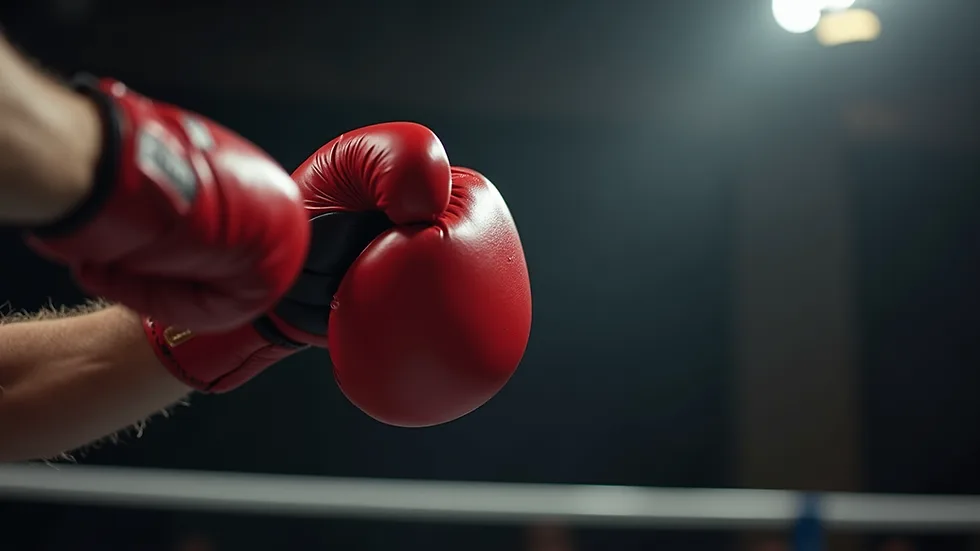
Image source: Bing (Web (fair-use with source credit))

Image source: Bing (Web (fair-use with source credit))
The New Frontier: What is MMA All About?
Mixed Martial Arts (MMA) is a full-contact combat sport that allows a wide array of fighting techniques and strategies, drawing from various martial arts disciplines like boxing, wrestling, judo, and Brazilian Jiu-Jitsu. It's a dynamic and often unpredictable sport where athletes must be proficient in both striking and grappling to succeed. The goal is to defeat an opponent through knockout, submission, or by outscoring them on the judges' scorecards.
MMA contests typically occur in a cage or an octagon.
MMA's Diverse Rules and Fight Progression
MMA bouts are structured into rounds, usually 5 minutes long, with one-minute breaks. Championship fights typically consist of five rounds, while non-title fights might be three rounds. The rulesets can vary slightly between different organizations, but generally, they permit striking with fists, feet, elbows, and knees, as well as grappling techniques like takedowns, joint locks, and chokeholds.
The focus is on comprehensive combat skill, requiring athletes to master multiple disciplines to excel. Judges score rounds based on striking, grappling, control of the cage, and effective aggression.
The Blend of Striking, Grappling, and Submissions in MMA
What makes MMA unique is its blend of disciplines. Fighters need to be effective standing up, able to deliver powerful punches and kicks, but they also need to defend against takedowns and be capable on the ground. This ground game involves wrestling to control an opponent or achieve a dominant position, and Brazilian Jiu-Jitsu techniques to secure submissions like armbars or chokes.
This multi-faceted approach means fighters must be incredibly well-rounded, often with strengths in one area complemented by solid proficiency in others. Athletes like Georges St-Pierre demonstrated this mastery, seamlessly transitioning between striking and grappling.
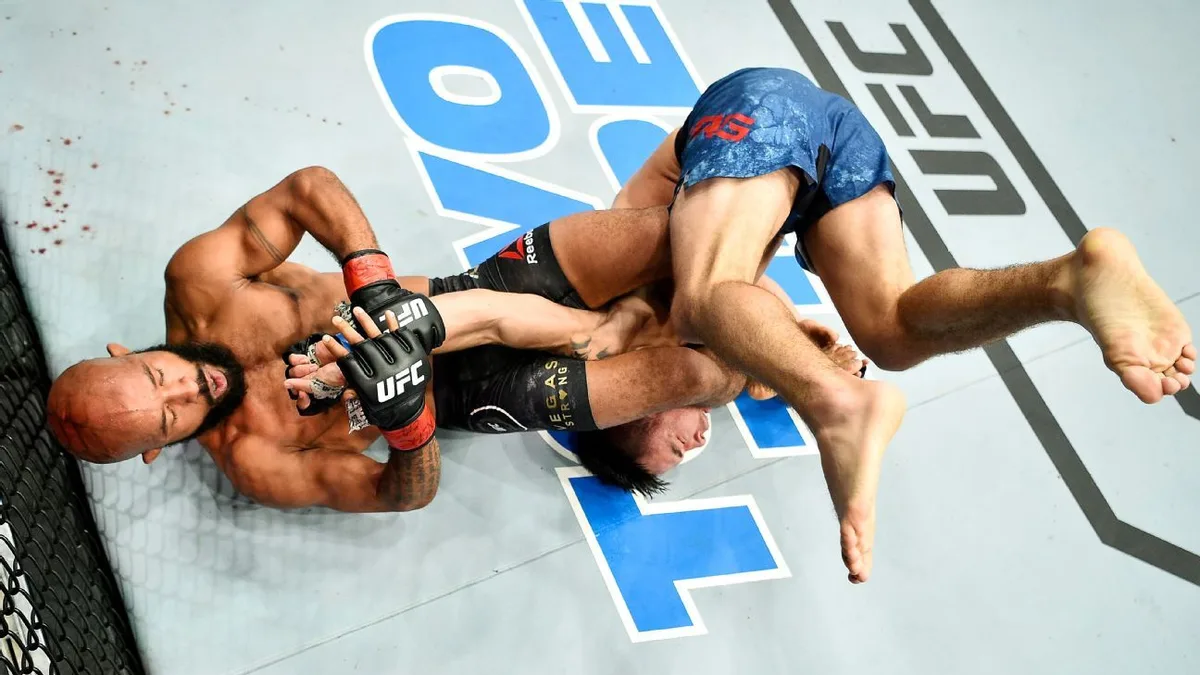
Image source: Bing (Web (fair-use with source credit))
Boxing vs. MMA: A Head-to-Head Breakdown
When comparing Boxing and MMA, the most striking difference is the breadth of permitted techniques. Boxing is a pure striking art, honing one specific skill set to its highest degree. MMA, by contrast, is a synthesis of multiple combat disciplines.
This fundamental divergence dictates everything from training regimens to fight strategies and even the type of athlete each sport tends to produce. Both demand incredible athleticism, but the demands are expressed through different mediums.
Key Differences: Punching vs. The Full Arsenal
In boxing, the only offensive tools are gloved punches. Every aspect of training, from footwork to defense, is geared towards maximizing punching effectiveness and minimizing damage from incoming strikes. Conversely, MMA allows for a far more extensive arsenal.
Athletes can employ kicks, knees, and elbows in striking exchanges, and the fight can transition to the ground where wrestling and submission grappling take center stage. This means an MMA fighter must be skilled in both "stand-up" and "ground-fighting" aspects.
What Each Sport Demands from Fighters
Boxing demands exceptional hand-eye coordination, power generation through the legs and core for punches, and an almost supernatural ability to absorb punishment while maintaining offensive pressure. Endurance is paramount, as boxers must maintain output for extended rounds purely through striking. MMA requires a more diverse physical and mental skillset.
Athletes need the explosive power for striking, the strength and technique for takedowns and grappling control, and the flexibility and knowledge for submissions. They must also possess immense mental resilience to adapt quickly to changing fight dynamics, whether they're striking or defending on the mat. This requires a broad base of athletic conditioning, making cross-training in various martial arts essential for many athletes looking to improve their overall combat capabilities.
Who Should Watch What? Finding Your Combat Sport
Deciding whether you're more drawn to Boxing or MMA often comes down to personal preference regarding the flow and techniques you find most engaging. Both sports offer thrilling competition and require incredible dedication from their athletes, but the viewing experience can be quite different. If you appreciate a focused, highly refined combat art, one might appeal more than the other.
Boxing: The Purist's Choice?
Boxing appeals to those who admire the artistry of pure striking. The intricate dance of footwork, the precise timing of jabs and hooks, and the strategic defense all showcase a specialized skill set honed over a lifetime. Fans of boxing often appreciate the history and tradition of the sport, viewing it as a classic test of a fighter's ability to outmaneuver, outstrike, and outlast an opponent using only their hands.
The cerebral aspect of anticipating moves and setting traps is a huge part of the appeal. If you enjoy watching an athlete master one discipline to an exceptional degree, boxing could be your sport. It's a pursuit of perfection within defined boundaries, demanding immense discipline.
MMA: The Ultimate Combat Spectacle?
MMA, on the other hand, draws in viewers who enjoy a broader range of combat styles and the unpredictability that comes with them. The transition between striking and grappling, the diverse martial arts backgrounds of the fighters, and the sheer variety of ways a fight can end (knockout, submission, TKO, decision) make it incredibly dynamic. Fans often appreciate the adaptability and versatility required of MMA athletes, who must be skilled across multiple fighting domains.
If you find the idea of a fight constantly evolving, with fighters showcasing techniques from various martial arts to gain an advantage, then MMA offers that comprehensive combat spectacle. It's about a fighter's ability to control the fight wherever it goes.
Making Your Choice: Boxing, MMA, or Both?
Ultimately, the decision between preferring boxing or MMA boils down to what kind of combat spectacle you find most captivating. If you admire the focused discipline of pure striking and the historical elegance of the sport, boxing offers that. If you crave the dynamic, multi-faceted action that combines striking, wrestling, and submissions, then MMA delivers.
Many fans appreciate both for their unique strengths.
Is it possible to be good at both Boxing and MMA?
Yes, it is possible, though incredibly demanding. Many successful MMA fighters have strong backgrounds in boxing or kickboxing, and they integrate those striking skills with grappling. Conversely, a boxer transitioning to MMA would need extensive training in wrestling and Brazilian Jiu-Jitsu to be competitive.
Achieving elite status in both simultaneously is rare due to the vastly different skill sets and training methodologies required. For instance, training for explosive strength needed in MMA grappling is different from the endurance focus for boxing rounds.
Which sport is more popular globally?
Both sports enjoy massive global followings, but their reach can differ regionally. Boxing has a longer history and is deeply ingrained in many cultures, with iconic figures recognized worldwide. MMA, while younger, has seen explosive growth in recent decades, becoming a dominant force, particularly in North America and parts of Asia and Europe, thanks to major organizations like the UFC.
Aggregate data from global sports viewership metrics often shows both sports commanding significant audiences during major events.
Frequently Asked Questions
How long does it take to become proficient in Boxing?
Proficiency in boxing takes years of dedicated training. While beginners can learn basic punches and footwork relatively quickly, mastering the defensive nuances, strategic depth, and power generation can take 5-10 years or more to reach a high level of skill. Our research indicates that consistent, disciplined practice is key.
Is MMA more dangerous than Boxing?
Both sports carry significant risks of injury, including concussions, fractures, and sprains. Aggregate reviews and injury data show high rates in both disciplines. MMA's wider range of techniques can lead to different types of injuries compared to boxing's focus on head trauma from punches, but claims of one being definitively "more dangerous" are complex and depend on many factors, including rulesets and athlete conditioning.
According to the Association of Boxing Commissions, safety protocols are paramount in both sports.
Can a boxer beat an MMA fighter?
It's possible, but highly dependent on the rules. In a boxing match, a boxer would have a massive advantage. In an MMA fight, however, if the MMA fighter can successfully implement grappling or use kicks and knees, they can neutralize a boxer's punching advantage.
Many athletes who excel in one may struggle significantly in the other without dedicated cross-training. For instance, fighters often employ specific conditioning to build strength for exercises like the deadlift, which showcases the varied physical demands.
What are the main differences in training for Boxing vs. MMA?
Boxing training heavily emphasizes cardiovascular endurance through roadwork and shadow boxing, repetitive striking drills, bag work, mitt work, and sparring focused solely on punches. MMA training is broader, incorporating striking practice alongside wrestling drills, submission grappling sessions, plyometrics for explosive power, and conditioning that prepares fighters for transitions between different phases of combat. Athletes often focus on specific muscle groups; for example, many engage in deadlift variations for posterior chain strength, as detailed in resources on proper deadlift form.
How do weight classes work in Boxing and MMA?
Both sports utilize weight classes to ensure fair competition by matching fighters of similar body mass. Boxing has numerous divisions like flyweight, lightweight, and heavyweight, each with specific weight limits defined by sanctioning bodies. MMA also has its own set of weight classes, often including divisions like flyweight, bantamweight, featherweight, lightweight, welterweight, middleweight, light heavyweight, and heavyweight, as established by major organizations like the UFC.

