
Deciding between Karate and Taekwondo can feel like choosing between two equally impressive but distinct paths. Both offer incredible benefits for physical fitness, discipline, and self-defense, but their approaches, techniques, and philosophical underpinnings vary significantly. Understanding these differences is key to finding the martial art that best suits your personal goals and temperament.
Our research indicates that as of 2026, both styles remain popular globally, with the World Karate Federation (WKF) and World Taekwondo (WT) governing major international competitions. While they share a common root in martial arts tradition, the specific way they train and the outcomes they emphasize can lead you down very different journeys. Let's break down what sets them apart.

Today's Exclusive Deals
Limited-time Exclusive Deals. Check current discount on Amazon.
Check Price on Amazon As an Amazon Associate I earn from qualifying purchases.Karate vs. Taekwondo
At its heart, Karate and Taekwondo are both dynamic martial arts systems focused on striking. Karate, originating from Okinawa, emphasizes powerful, linear movements, solid stances, and hand techniques, alongside kicks. Taekwondo, a Korean martial art, is renowned for its spectacular, high-flying kicks and rapid-fire hand strikes, often incorporating more circular and acrobatic movements.
The choice often boils down to whether you prefer Karate's grounded power or Taekwondo's aerial dynamism.
Karate: What to Expect – Techniques, Stances, and Philosophy
Karate training is deeply rooted in discipline and self-mastery. You'll spend a lot of time developing strong foundations, which means mastering stable stances and precise striking. It's a system that values control, power generation from the ground up, and a methodical approach to learning.
Karate's Key Techniques and Movements
Karate training heavily focuses on striking with both hands and feet. This includes punches, blocks, elbow strikes, and knee strikes. However, unlike Taekwondo's primary emphasis on kicks, Karate often utilizes powerful, direct punches and strong defensive blocks as core elements.
You’ll also learn a variety of static and dynamic stances, which are crucial for balance, power transfer, and absorbing or delivering force effectively. These stances are not just about posture; they are fundamental to generating explosive power from the hips and core.

Image source: Web (Bing) / kaizenacademystaines.com (Web image (fair-use with source credit))
Karate's Philosophical Roots and Focus
The philosophy behind Karate often centers on concepts like do (the way), emphasizing personal growth, respect, and perseverance. Practitioners are encouraged to develop mental fortitude alongside physical skill. This means that beyond just learning techniques, you're expected to cultivate patience, humility, and a strong sense of self-control.
It's not just about fighting; it's about building character through rigorous practice and self-reflection.
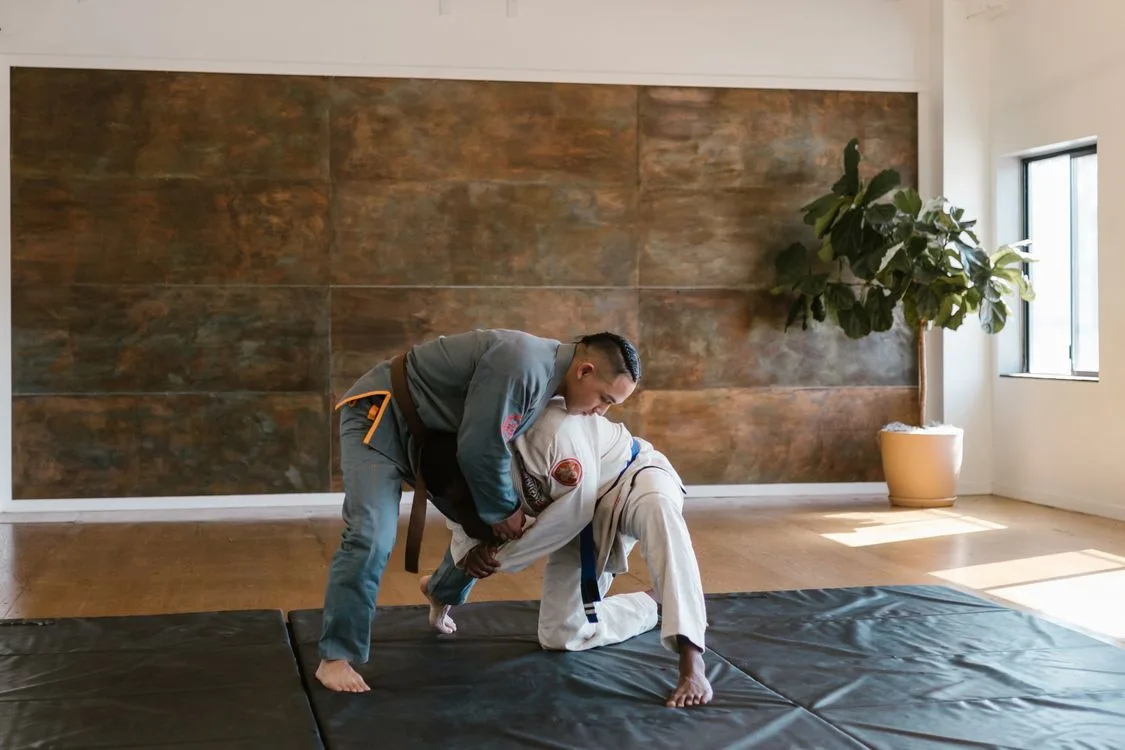
Image source: Web (Bing) / pexels.com (Web image (fair-use with source credit))
Taekwondo: What to Expect – High Kicks, Fast Strikes, and Forms
Taekwondo is celebrated for its athletic and visually impressive techniques, particularly its extensive use of kicks. If you're drawn to dynamic movement, speed, and agility, Taekwondo might be your calling. It’s a style that encourages practitioners to push their physical limits, especially in leg dexterity and power.
Taekwondo's Emphasis on Dynamic Kicking
Taekwondo is perhaps most famous for its spectacular kicking techniques. These aren't just simple leg swings; they involve a wide array of specialized kicks like the spinning hook kick, the side kick, and the fast, explosive front kick. Training focuses on developing flexibility, speed, and accuracy to deliver these kicks effectively.
This emphasis on high and fast kicks is a defining characteristic that sets it apart from many other martial arts.

The distinctive high kicks are a hallmark of Taekwondo training.
Taekwondo's Poomsae and Competitive Edge
Poomsae, the Korean term for forms, are pre-arranged sequences of movements that simulate combat scenarios. Practicing poomsae helps develop coordination, balance, and the execution of Taekwondo techniques in a structured manner. Beyond forms, Taekwondo has a strong competitive element.
Its inclusion in the Olympic Games as a medal sport means many schools focus on training students for sparring competitions, emphasizing agility, quick reactions, and strategic point-scoring. This competitive focus is a significant draw for many aspiring martial artists.
Comparing Karate and Taekwondo: Side-by-Side
When you look at Karate and Taekwondo side-by-side, their differences become clearer, especially when considering how they approach training and combat. While both build discipline and self-defense skills, their methods and ultimate expressions are distinct. Understanding these contrasts can help you pinpoint which style aligns better with your personal aspirations.
For instance, if you're interested in mastering foundational ground power and striking precision, Karate might be your preference. Conversely, if the allure of dynamic aerial kicks and fast-paced sparring excites you, Taekwondo could be the better fit.
Striking Style and Power Generation
Karate typically focuses on delivering powerful, direct strikes from a stable base. The emphasis is on generating force through strong stances and a linear transfer of power, often from the ground up through the hips. Punches and palm strikes are as central as kicks.
Taekwondo, on the other hand, often favors rapid, multi-directional strikes, with a strong emphasis on dynamic kicking techniques. Power is generated through speed, flexibility, and explosive, often circular, movements.
Footwork and Agility
In Karate, footwork is often about maintaining a solid, grounded stance. Movement is generally more direct and linear, designed to establish a strong defensive or offensive position. Agility is important, but it's often about controlled, powerful shifts in weight rather than quick, evasive maneuvers.
Taekwondo places a premium on agility and quick footwork. Practitioners constantly move and adjust their stance, often using side steps, pivots, and even jumping movements to set up kicks or evade incoming strikes. This makes Taekwondo sparring feel very fast-paced and fluid.
Forms (Katas vs. Poomsae)
Both martial arts utilize forms, but they differ in execution and emphasis. Karate uses katas, which are often described as choreographed sequences of defensive and offensive moves. They are practiced slowly and deliberately, focusing on internal power, breath control, and detailed precision.
Taekwondo's poomsae are also pre-arranged sequences, but they tend to be more dynamic and often emphasize powerful kicking techniques and more acrobatic movements. The pace of poomsae can be quicker, reflecting the style's focus on speed and agility.
Sparring Approach
Sparring in Karate, particularly in styles focused on sport competition like WKF Karate, often involves controlled, one-step or semi-free sparring. The focus is on landing precise strikes to scoring zones with control and technique. Full contact can vary depending on the specific Karate style and organization.
Taekwondo sparring, especially in Olympic-style competition, is typically full contact and highly dynamic. It emphasizes quick kicks, evasive footwork, and scoring points through controlled strikes to the head and torso. This difference can lead to very different combat experiences and training priorities.
Physical Demands and Training Focus
Karate training often builds strength and endurance through rigorous conditioning and the practice of powerful, grounded techniques. You'll develop a solid core and leg strength. Taekwondo training demands exceptional flexibility, speed, and cardiovascular endurance.
The constant kicking and rapid footwork require a high level of athleticism and coordination. While both are excellent for overall fitness, Taekwondo might appeal more to those seeking to develop highly agile and acrobatic physical capabilities.
Who Are Karate and Taekwondo Best For?
The choice between Karate and Taekwondo often comes down to your personal goals and preferences. If you're someone who thrives on developing powerful, grounded techniques and values a strong sense of discipline and tradition, Karate might resonate more deeply with you. It's an excellent path for building foundational strength, focus, and practical self-defense skills that rely on strong stances and controlled, linear movements.
Taekwondo, conversely, tends to attract individuals who enjoy dynamic, athletic pursuits and are drawn to the visual flair of high-energy martial arts. Its emphasis on explosive kicking, rapid footwork, and a more acrobatic style makes it ideal for those who want to develop incredible flexibility, speed, and cardiovascular fitness. The competitive nature of Olympic Taekwondo also appeals to those who enjoy the thrill of structured sport.
Karate: Ideal for Discipline, Foundational Defense, and Power
Karate is often a fantastic choice for younger children and adults alike seeking to build core discipline and respect. The structured nature of its training, from the precise execution of stances to the disciplined practice of katas, instills patience and focus. For self-defense, Karate provides robust techniques rooted in strong, stable positions, making it effective for controlling distance and delivering powerful strikes.
It’s a path that builds mental resilience and a strong physical foundation.
Taekwondo: Ideal for Athleticism, Dynamic Kicking, and Competition
If your aim is to develop impressive kicking skills, improve agility, and engage in a fast-paced, dynamic martial art, Taekwondo shines. It's particularly well-suited for individuals who are naturally athletic or aspire to be. The focus on speed, flexibility, and aerial techniques can lead to a highly engaging training experience.
For those interested in competitive martial arts, Taekwondo's prominent role in international sports, including the Olympics, offers a clear pathway for aspiring athletes to test their skills on a global stage.
Common Concerns and Potential Pitfalls
While both Karate and Taekwondo offer immense benefits, it's wise to be aware of common challenges. One primary concern for any martial art is the risk of injury. Sprains, strains, bruises, and even more serious injuries can occur if training is not conducted properly or if safety precautions are ignored.
Ensuring your instructor prioritizes safe training practices is paramount.
Another significant factor is finding the right school and instructor. The quality of instruction can greatly impact your learning experience, safety, and overall enjoyment. A good school will have a clear curriculum and promote a positive, respectful atmosphere.
A poorly run school, however, can lead to frustration, slow progress, and potentially unsafe conditions.
Injury Risks in Both Styles
Our research indicates that injuries in both Karate and Taekwondo can range from minor sprains and bruises to more serious issues like fractures or ligament tears. This risk is present in most physical activities, but in martial arts, it's often linked to the intensity of sparring, the nature of the techniques, and the level of contact allowed. For instance, aggressive sparring without proper protective gear can increase the likelihood of impact-related injuries.
Consistent training in proper form and techniques, as advised by reputable sources like the World Karate Federation (WKF), can significantly mitigate these risks by building body awareness and control.
Finding the Right School and Instructor
Choosing a martial arts school is as important as choosing the art itself. Look for a dojo where the instructors are certified and have verifiable experience. A good school will have a clear curriculum and promote a positive, respectful atmosphere.
Do your research, perhaps visiting a few different schools to observe classes and speak with current students. A reputable instructor will emphasize discipline, safety, and personal growth over aggressive competition or profit. Their teaching should align with the ethical standards promoted by organizations like World Taekwondo (WT).
Expert Tips for Choosing Your Martial Art
When you're on the fence between Karate and Taekwondo, consider what your primary goals are. If you're looking to build a strong, disciplined foundation with an emphasis on powerful, grounded strikes, Karate might be the more suitable path. Its methodical approach to learning stances and techniques fosters patience and resilience.
Conversely, if your passion lies in dynamic, athletic movements, particularly in the realm of high-flying kicks, and you're drawn to the speed and agility of competitive sparring, Taekwondo could be your ideal match.
Think about your physical characteristics and learning style. Are you naturally more flexible and agile, or do you prefer to build brute strength and stability? Visit local schools for both Karate and Taekwondo; observe a class or even try an introductory session if offered.
The atmosphere of the dojo, the teaching style of the instructors, and how you feel during a trial class will tell you a lot. Don't underestimate the importance of the instructor's rapport and their ability to communicate effectively with students of all ages and experience levels.
Frequently Asked Questions About Karate and Taekwondo
What is the primary difference in the kicking styles?
Taekwondo is renowned for its high, fast, and dynamic kicking techniques, often involving spinning and aerial movements. Karate also uses kicks, but they are typically more grounded and linear, focusing on power and precision rather than extreme height or acrobatic flair.
Is one martial art more effective for self-defense than the other?
Both styles offer valuable self-defense skills. Karate's emphasis on strong stances, blocks, and powerful strikes can be very effective for close-range defense and controlling an opponent. Taekwondo's rapid kicks and agile footwork are excellent for maintaining distance and striking from various angles, making it formidable in open spaces.
The effectiveness often depends on the practitioner's skill and the specific situation.
Which art is better for improving flexibility?
Taekwondo generally demands a higher degree of flexibility due to its extensive repertoire of high kicks and acrobatic movements. Dedicated Taekwondo training actively works to improve leg flexibility and range of motion. While Karate also requires and builds flexibility, it's often a secondary focus compared to the primary development of power and precision in strikes and stances.
How does the belt progression system compare?
Both Karate and Taekwondo use a belt system to denote rank and progression. However, the specific colors, number of belts, and the criteria for promotion can vary significantly between different styles and dojos within each martial art. Generally, both systems represent a journey of increasing skill, knowledge, and dedication.

