
So, you're trying to figure out the real difference between Golf vs Disc Golf? It’s a common question for anyone looking to get outdoors and try something new. While they share a similar goal of getting an object into a target with a controlled throw, the experience, cost, and commitment are worlds apart.
Our research shows that the average cost to start playing golf can be upwards of $300, while disc golf can be started for under $30. This significant difference in initial investment, along with accessibility and pace of play, are key factors people consider when choosing between the two. Let's break down what makes each sport unique so you can see which one is a better fit for you.

Today's Exclusive Deals
Limited-time Exclusive Deals. Check current discount on Amazon.
Check Price on Amazon As an Amazon Associate I earn from qualifying purchases.Understanding the Basics: Golf and Disc Golf Explained
Golf is a traditional sport played on large, manicured courses with a small, dimpled ball and a set of clubs. The objective is to get the ball into a series of 18 holes in the fewest possible strokes. It demands precision, strategy, and often a significant time commitment.
Disc golf, on the other hand, uses flying discs, similar to frisbees but designed for sport, thrown towards a metal basket with chains. It’s typically played in public parks and natural settings, offering a more accessible and often faster-paced experience.
Golf vs. Disc Golf
The fundamental answer to golf vs disc golf lies in their core mechanics and accessibility. Golf requires a diverse set of clubs, specialized balls, and access to extensive, often private, courses. Disc golf, conversely, uses just one or a few discs and can be played on courses found in most local parks.
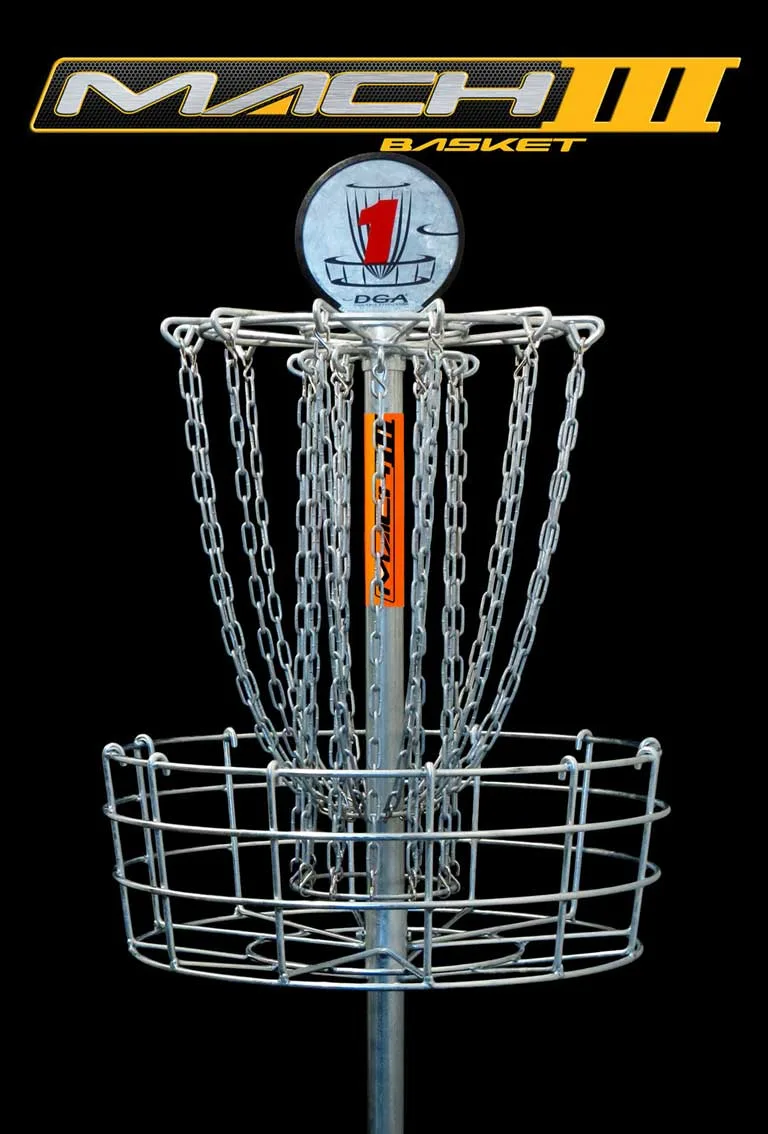
Image source: Web (Bing) / discgolf.com (Web image (fair-use with source credit))
Golf's Features and Attributes
Golf courses are vast landscapes featuring fairways, greens, sand traps, and water hazards, all meticulously maintained to challenge players. The game revolves around the swing of specialized golf clubs, drivers for distance, irons for approach shots, and putters for the greens. A standard golf ball has a dimpled surface designed for aerodynamic flight.
Mastery involves understanding course management, wind conditions, and the intricate physics of ball flight and roll.
Disc Golf's Features and Attributes
Disc golf employs flying discs, engineered for specific flight characteristics like stability, glide, and fade. Players typically carry a driver for long-distance throws, a mid-range disc for accuracy, and a putter for short shots. The target is a suspended metal basket with chains designed to catch the disc.
Mastering disc golf involves learning various throwing grips and techniques, such as backhand and forehand throws, and understanding how disc choice impacts flight path.
The Cost of Entry: Pricing and Equipment
Golf Gear and Fees
Getting into golf can be a considerable financial commitment. A full set of golf clubs, including drivers, woods, irons, wedges, and putters, can easily cost anywhere from $300 to over $1,000, depending on the brand and quality. Balls, tees, gloves, and specialized golf shoes add to this initial outlay.
Beyond equipment, green fees for 18 holes can range from $20 to over $100 at public courses, and considerably more at private clubs. Cart rental is an additional expense, often around $20-$30 per person.
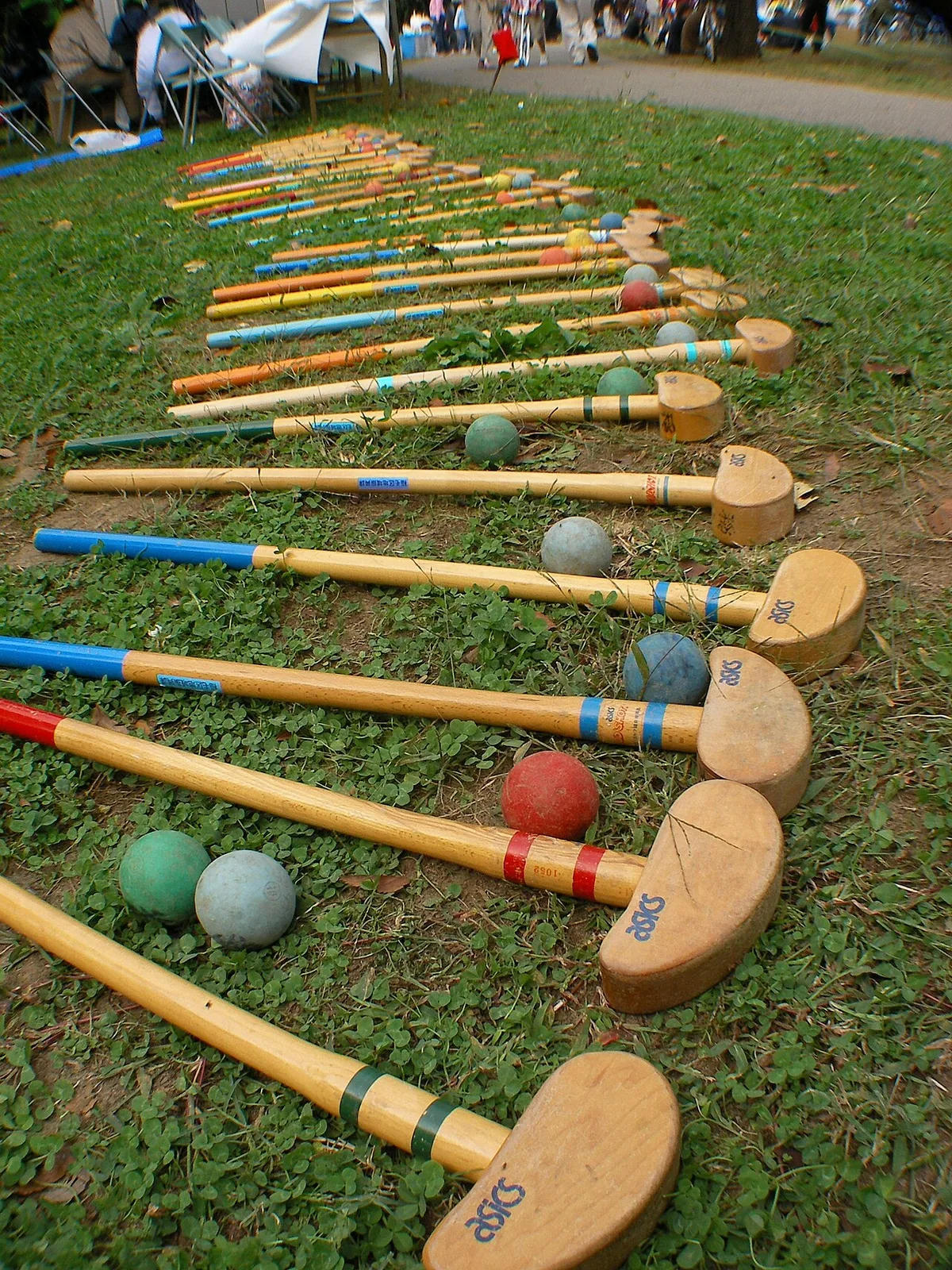
Image source: Wikimedia Commons / kc7fys (CC BY-SA)
Disc Golf Gear and Initial Costs
Disc golf stands out for its affordability. Most players begin with just one or two discs. A good quality starter driver or mid-range disc typically costs between $10 and $20.
A putter can be purchased for $8 to $15. This means you can assemble a functional disc golf bag for under $50. Many disc golf courses are located in public parks and are free to play, eliminating green fees entirely.
This low barrier to entry makes it an attractive option for those new to sports or on a budget.

Image source: Web (Bing) / walmart.com (Web image (fair-use with source credit))
Who Wins With Each Sport? Use Cases and Target Audiences
When you're weighing golf vs disc golf, thinking about who each sport is best suited for is key. It's not just about hitting a ball or a disc; it’s about the lifestyle and commitment involved. If you're looking for a deeply traditional, challenging, and potentially time-consuming hobby, golf might call to you.
If you're drawn to a more casual, community-oriented activity that's easy on the wallet and fits into a busy schedule, disc golf is probably more your speed. The type of environment you prefer, a meticulously designed course versus a natural park setting, also plays a big role in this decision.
Golf: Best Suited For…
Golf is ideal for individuals who relish a challenge requiring immense patience and precision. It appeals to those who appreciate a sport with deep historical roots and a strong tradition. If you don't mind investing significant time and money into equipment and green fees, golf offers a rewarding, albeit demanding, pursuit.
It’s perfect for a full day spent outdoors, often in beautifully curated environments, offering a strategic mental workout alongside physical activity. For those who enjoy competitive social settings and a structured game, golf also shines.
Disc Golf: Best Suited For…
Disc golf is a fantastic choice for anyone seeking an activity that's both easy and affordable to start. It's perfect for individuals who prefer a more relaxed, community-focused atmosphere, often found in local parks and natural settings. If you're looking for a fun way to be active that you can fit into a few hours, disc golf delivers.
It’s also great for families and groups of friends wanting a casual outdoor game. Those who enjoy a blend of physical exertion and skill development without a steep financial barrier will find disc golf highly appealing.
Common Hurdles: Problems and Pain Points
Challenges in Golf
Golf presents a few significant hurdles for newcomers. The financial barrier is often the first one; a complete set of clubs can cost hundreds of dollars, and ongoing expenses for green fees and balls add up quickly. The learning curve is notoriously steep, requiring dedicated practice to develop a consistent swing and understand course strategy.
Furthermore, playing a full 18 holes can take four to five hours, making it difficult for those with limited free time. Finding accessible and affordable courses, especially in urban areas, can also be a challenge.
Challenges in Disc Golf
While generally more accessible, disc golf isn't without its minor challenges. Though courses are widespread, some might be less maintained or harder to find than a golf course in certain regions. Advanced players might feel a lack of progression if they only play very simple courses, though more challenging layouts exist.
Losing a disc in dense brush or water is a minor frustration, though significantly less costly to replace than a golf ball or club. As with any sport, mastering advanced throwing techniques and putting accuracy requires consistent practice and dedication.
Expert Tips for Getting Started
When diving into either sport, preparation makes a big difference. For golf, research starter club sets or consider borrowing from a friend before making a large investment. Look for local driving ranges or shorter executive courses to practice your swing.
If disc golf calls to you, pick up a versatile "all-arounder" disc first, many manufacturers offer such options. Familiarize yourself with local park courses using online maps or apps designed for disc golf. Remember that as of 2026, many communities are expanding their disc golf facilities, so checking local park directories is a good bet.
FAQs: Your Golf vs. Disc Golf Questions Answered
### Is disc golf easier to learn than golf?
Generally, yes. Disc golf has a lower barrier to entry because you need fewer discs, and courses are often free and more readily available in public parks. While mastering either sport takes time, picking up the basics of throwing a disc is often quicker than developing a consistent golf swing.
### How much does it typically cost to play a round of golf?
A round of golf can vary widely in cost. Public courses might charge anywhere from $20 to $75 for 18 holes, not including cart rental. Private courses or resort destinations can charge upwards of $100 or even $200 per round.
### How much does it cost to play a round of disc golf?
Playing disc golf is significantly cheaper. Most disc golf courses are located in public parks and are free to play. The only cost involved is if you choose to purchase your own discs, with a good starter set costing under $50.
### Which sport is more physically demanding?
Both sports offer physical activity, but in different ways. Traditional golf involves walking several miles over varied terrain, often carrying or pushing a golf bag, which provides good cardiovascular exercise and endurance training. Disc golf involves shorter distances but incorporates more explosive movements for throwing.
The overall cardiovascular demand can be similar depending on the pace and course type.

