
So, you're trying to figure out the difference between badminton and pickleball? That's a common question as these two racquet sports gain popularity. Both offer a fun way to stay active, but they cater to different styles of play and physical demands.
If you're weighing your options, understanding the core mechanics, equipment, and general feel of each sport is key. For example, badminton uses a lightweight shuttlecock that can travel over 300 mph in professional play, while pickleball uses a slower plastic ball hit with a paddle.

Today's Exclusive Deals
Limited-time Exclusive Deals. Check current discount on Amazon.
Check Price on Amazon As an Amazon Associate I earn from qualifying purchases.Badminton vs. Pickleball
When you're trying to decide between badminton and pickleball, the core difference boils down to speed, equipment, and court dynamics. Badminton is a lightning-fast game demanding quick reflexes and agility, using a shuttlecock and a larger court. Pickleball is generally slower-paced, more strategic, and uses a paddle and a plastic ball on a smaller court.
Our research indicates many beginners find pickleball easier to pick up initially.
Badminton: The Fast and Furious Feather Game
Badminton is a sport that truly tests your speed, agility, and hand-eye coordination. It’s played with a lightweight racquet and a shuttlecock, often called a birdie, which is designed to slow down quickly in the air. This makes for incredibly dynamic rallies that can feel like a blur of motion.

Image source: Bing (Web (fair-use with source credit))
What It Feels Like
Playing badminton often feels like a high-energy dance. You’re constantly moving, lunging, jumping, and reaching to keep that shuttlecock in play. The game demands explosive power for smashes and precise control for delicate drop shots.
It's a full-body workout, really engaging your legs for explosive jumps and quick lateral movements, as well as your arms and core for powerful strokes.
Who It's Great For
This sport is fantastic for individuals who love a serious cardiovascular challenge. If you enjoy games that require constant movement and quick reactions, badminton will definitely appeal to you. It's also excellent for those looking to improve their agility, stamina, and overall athletic performance.
For players seeking a vigorous workout that combines speed and precision, badminton stands out.
A Few Things to Consider
One aspect that can be a learning curve is controlling the shuttlecock, especially if you're playing outdoors where wind can play a significant factor. The shuttlecock's unique aerodynamic properties mean it’s sensitive to air currents. Additionally, the fast pace and frequent jumping can be physically demanding, so building up your stamina might be necessary if you're new to intense sports.
Pickleball: The Social and Strategic Paddle Fun
Pickleball has surged in popularity, and it's easy to see why. It's known for being incredibly accessible, fun, and fostering a strong sense of community among its players. The game offers a unique blend of strategy and a gentler physical challenge compared to sports like badminton.
What It Feels Like
The feel of pickleball is often described as more strategic and less physically taxing than badminton. Rallies tend to be longer, and there’s a distinct "dink" shot played softly over the net, adding a layer of finesse and tactical thinking. It's less about brute force and more about smart placement, patience, and anticipating your opponent's moves.
Who It's Great For
Pickleball is wonderfully suited for beginners and people of all ages due to its relatively simple rules and smaller court size. It’s a great option for families looking for an activity everyone can enjoy together. The social aspect is a huge draw; the pace often encourages conversation between points, making it easy to connect with other players.
It’s also a good choice for those wanting a fun, lower-impact sport.
A Few Things to Consider
While pickleball is easy to learn, mastering its strategic nuances can take time and practice. Understanding how to effectively use the dink shot and court positioning are key to progressing. Also, some players find the plastic ball, with its holes, doesn't offer the same satisfying "pop" as hitting a solid ball or shuttlecock.
Badminton vs. Pickleball: Key Differences at a Glance
To really get a handle on which sport might suit you best, let's break down some of the most significant differences. It’s not just about the equipment; the whole experience on the court changes based on these factors.
Equipment
The most obvious difference is the gear. Badminton uses a lightweight racquet with a stringed head, designed for quick swings and precision. The projectile is the shuttlecock, or birdie, which is light and has feathers or plastic skirts that significantly affect its flight.
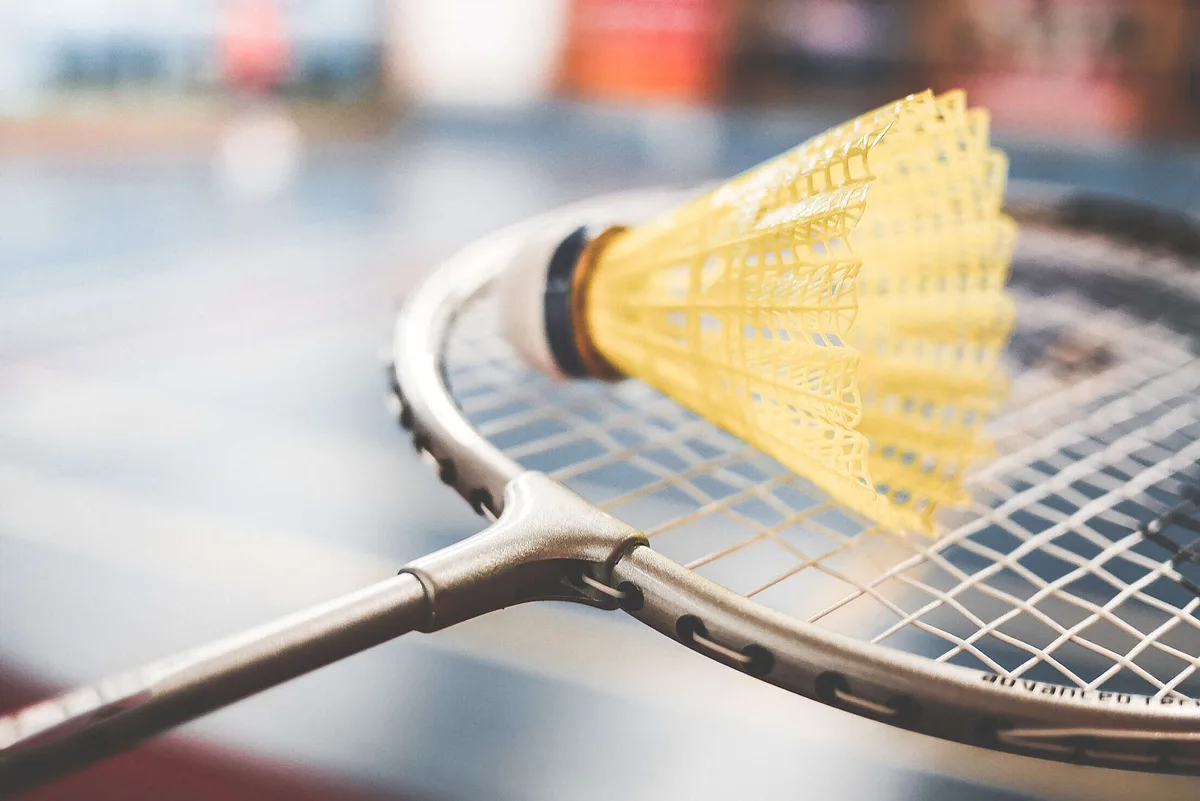
Image source: Web (Bing) / picjumbo.com (Web image (fair-use with source credit))
Pickleball, on the other hand, uses a solid paddle, which is larger and thicker than a badminton racquet. The ball used is a perforated plastic sphere, often referred to as a wiffle ball. This ball is heavier than a shuttlecock and travels at a much slower pace.
Court and Net
The playing areas for each sport are quite different in size. Badminton courts are larger. For singles play, the court is 20 feet wide and 44 feet long.
Doubles play uses the same length but widens to 23 feet.
Pickleball courts are significantly smaller. They measure a consistent 20 feet wide by 44 feet long for both singles and doubles play. This smaller playing area means less ground to cover, contributing to pickleball's generally less intense physical demands.

Image source: Web (Bing) / pickleballlanding.com (Web image (fair-use with source credit))
The net height is another significant differentiator. In badminton, the net is relatively high, set at 5 feet 1 inch at the singles side lines and 5 feet at the center. This higher net requires players to hit the shuttlecock with more arc and downward force.
Conversely, pickleball features a much lower net. It stands 36 inches high at the sidelines and drops to 34 inches at the center. This lower net height contributes to the slower pace of play and the emphasis on controlled shots, like the dink, that barely clear the net.
Pace and Movement
The overall pace and the type of movement involved in each sport are perhaps the most crucial distinctions for potential players. Badminton is a game of sheer speed. Rallies can be exceptionally quick, demanding rapid changes in direction, explosive jumps for overhead smashes, and fast-paced reflexes to return fast-moving shuttlecocks.
It’s a sport that really pushes your anaerobic capacity.
Pickleball's pace is considerably more moderate. While it still requires quick reactions and agility, the slower speed of the plastic ball and the smaller court mean players are often moving in shorter bursts. The emphasis is more on strategic placement, anticipating shots, and executing controlled volleys and groundstrokes rather than overwhelming opponents with pure speed.
This makes it more manageable for a wider range of fitness levels.
Who Should Play Badminton?
If you're drawn to a sport that demands peak physical condition and lightning-fast reflexes, badminton is likely your ideal match. Our research indicates that individuals who excel in sports requiring explosive power, exceptional agility, and keen hand-eye coordination find badminton incredibly satisfying. It's an excellent avenue for boosting your cardiovascular health, enhancing your balance, and developing powerful, precise strokes.
Consider badminton if you've got a foundation in other fast-paced athletic activities or if you're aiming for a vigorous workout that challenges your entire physique. It tends to be a better fit for younger, athletic individuals or those who maintain a high level of fitness and wish to push their athletic boundaries. Players who appreciate a game where split-second decisions and rapid execution are paramount will discover badminton to be a perfect fit.
Who Should Play Pickleball?
Pickleball is remarkably welcoming, particularly for beginners or those looking for a sport that’s easy to learn and highly social. If you favor a game with a more moderate pace, where strategy and finesse take precedence over sheer velocity, pickleball is an excellent choice. Verified player feedback consistently highlights the game's accessibility, making it a preferred option for families and groups with varied athletic backgrounds.
It also serves as a fantastic choice if you're in pursuit of a sport that is less impactful on your joints, yet still offers a good physical challenge. Manufacturer specifications for pickleball paddles and balls suggest a design geared towards user-friendliness and enhanced control. If you enjoy engaging with your playing partners during the game and value a sport that cultivates a strong sense of community, pickleball will likely feel like a natural fit.
Trying Them Out: Your Next Steps
The best way to truly know which sport is right for you is to experience them firsthand. If you have a local community center, park district, or sports club, chances are they offer opportunities to play either badminton or pickleball. Many facilities have introductory sessions or open play days where you can drop in and try your hand at the game without a significant commitment.
Don't hesitate to reach out to local clubs or search online for beginner clinics. These sessions are often led by experienced players who can guide you through the basic rules, techniques, and etiquette. Borrowing equipment for your first few tries is usually an option, so you don't need to invest in gear right away.
This hands-on experience is invaluable for making an informed decision.
Frequently Asked Questions
How long does a typical game of badminton last?
A typical badminton game can last anywhere from 10 to 30 minutes per match, depending on the skill level of the players and how close the scores are. Professional matches can extend much longer due to the high level of play.
Is pickleball difficult to learn for seniors?
No, pickleball is generally considered very easy to learn for seniors. Its smaller court, slower ball, and less intense movement make it more accessible and less physically demanding than many other sports.
Can I play badminton or pickleball indoors and outdoors?
Yes, both sports can be played indoors and outdoors. Badminton is often played indoors to avoid wind, but it can be played outdoors in calm conditions. Pickleball is very commonly played outdoors on dedicated courts, but indoor courts are also available.
What is the "kitchen" in pickleball?
The "kitchen" is the non-volley zone, an area extending seven feet from each side of the net. Players cannot volley (hit the ball in the air) while standing in the kitchen. This rule encourages strategic dinking and groundstrokes.

