
When you're looking to build serious pulling strength off the floor, you've probably heard about different deadlift variations. One that really stands out for targeting that initial drive is the deficit deadlift. It's not just about lifting more weight; it's about forcing your body to work in a way that conventional lifts might not.
As of 2026, research indicates that exercises increasing range of motion can lead to significant strength gains when performed with proper form. The deficit deadlift, typically performed with your feet elevated on a 1 to 4-inch platform, is a prime example that demands specific technique and understanding. Let's break down what this exercise is all about.

Today's Exclusive Deals
Limited-time Exclusive Deals. Check current discount on Amazon.
Check Price on Amazon As an Amazon Associate I earn from qualifying purchases.What Is a Deficit Deadlift?
A deficit deadlift is a deadlift variation where you stand on an elevated surface, typically weight plates or a low box. This setup lowers the bar's starting position, forcing you to pull it off the floor from a greater range of motion. This exercise directly challenges your ability to generate power from the initial break of the weight off the ground.
Visual Cues: Spotting the Deficit Deadlift Setup
The most obvious visual cue for a deficit deadlift is the platform beneath your feet. You'll see lifters standing on stacked weight plates, small wooden blocks, or specialized deficit pads. This elevation is key; without it, it's just a regular deadlift.
The starting hip position will also look lower and more "set" than in a conventional deadlift, with the torso often more upright.
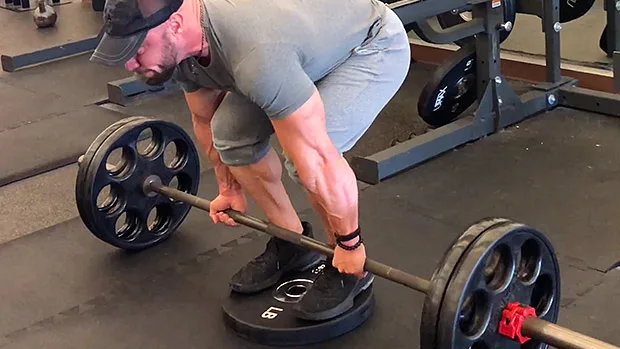
Image source: Bing (Web (fair-use with source credit))
Core Mechanics: How the Deficit Deadlift Works
The magic of the deficit deadlift lies in its leverage. By starting lower, you essentially increase the distance the barbell must travel from the floor to lockout. This increased range of motion puts a greater stretch on your hamstrings and glutes at the bottom, demanding more force production from these muscles to initiate the lift.
Your back muscles also work harder to maintain a stable, neutral spine throughout the longer pull. This variation strongly emphasizes the quadriceps at the start of the pull as well, because the hips are lower and require more knee flexion.
Why Do It? Benefits for Your Lifts
Performing deficit deadlifts can offer some significant advantages for your overall strength and power.
- Off-the-Floor Strength: If you struggle to even get the bar moving from a dead stop, this variation is gold. It directly trains the muscles responsible for that initial pull.
- Posterior Chain Development: Your hamstrings and glutes will get a serious workout. The increased stretch and demand can lead to greater muscle growth and strength in these key areas.
- Improved Lockout: While it focuses on the start, strengthening that initial pull often translates to a more powerful lockout. A stronger start makes the rest of the lift easier.
- Addressing Weaknesses: It’s a fantastic tool for identifying and correcting specific sticking points in your deadlift technique or strength.
Key Differences: Deficit vs. Conventional Deadlift
The primary distinction between a deficit deadlift and a conventional deadlift is the starting position. In a conventional deadlift, your feet are flat on the floor, and the bar starts at a standard height. The deficit deadlift, however, requires you to stand on an elevated surface, lowering the bar's starting point relative to your body.
This difference fundamentally alters the leverage, the range of motion, and the muscle emphasis.
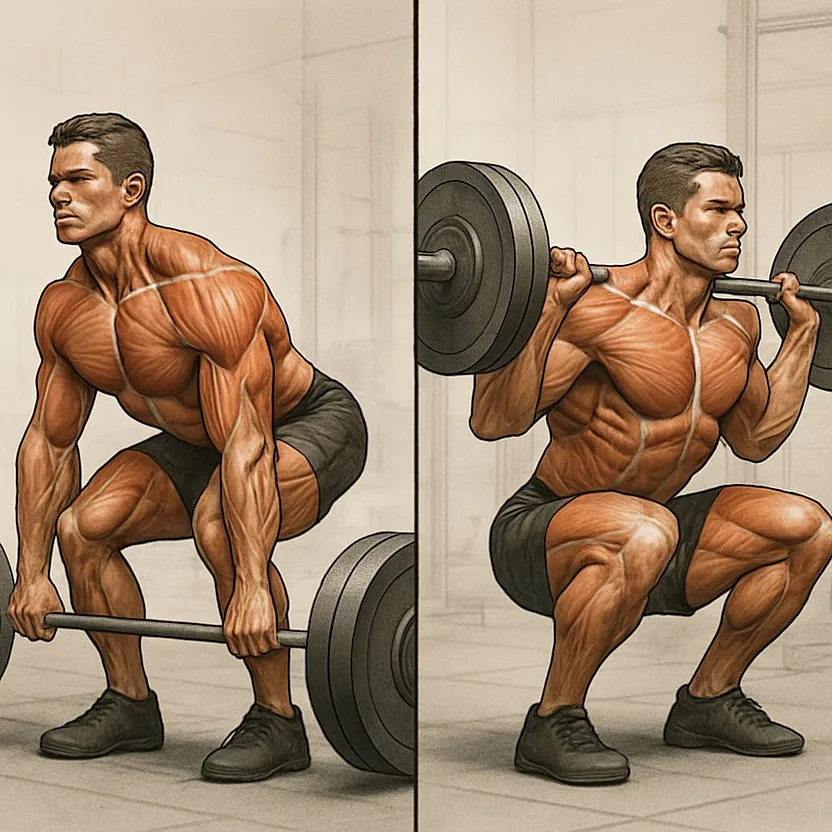
Image source: Web (Bing) / typeatraining.com (Web image (fair-use with source credit))
Essentially, the deficit deadlift makes breaking the weight off the floor significantly harder, while a conventional deadlift allows for a more balanced engagement of the pull through the entire range of motion. If you're looking to build more power from the ground up, the deficit variation is your go-to. For those who might have shoulder mobility issues or find sumo deadlifts more comfortable, the conventional is still a solid, fundamental lift.
Mastering the Movement: Deficit Deadlift Technique
Proper form is paramount when performing deficit deadlifts. The increased range of motion means any small technical flaw can quickly lead to strain or injury.
Setting Up for Success
- Place Your Deficit: Position your weight plates or block so they are stable and provide the desired deficit height. A common starting point is 1 to 4 inches.
- Foot Placement: Stand on the deficit with your feet about hip-width apart, or slightly narrower. Your toes should point slightly outward.
- Grip the Bar: Hinge at your hips and bend your knees to grip the barbell. Your grip width should be just outside your shins, similar to a conventional deadlift.
- Brace and Set: Before you lift, take a deep breath into your belly and brace your core. Ensure your back is straight and neutral, chest is up, and shoulders are pulled back. Your hips should be lower than in a conventional deadlift.
Executing the Pull
- Break the Weight: Initiate the pull by driving through your heels and pushing the floor away. Focus on keeping your chest up and your back tight. The bar should move straight up.
- Maintain Tension: As the bar rises, keep constant tension through your posterior chain. Avoid letting your hips shoot up faster than your shoulders.
- Lockout: Stand up tall by squeezing your glutes and pulling your shoulders back. Your hips and knees should be fully extended, but avoid hyperextending your lower back.
- Controlled Descent: Lower the bar back to the floor with control, maintaining that neutral spine. Don't just drop it.
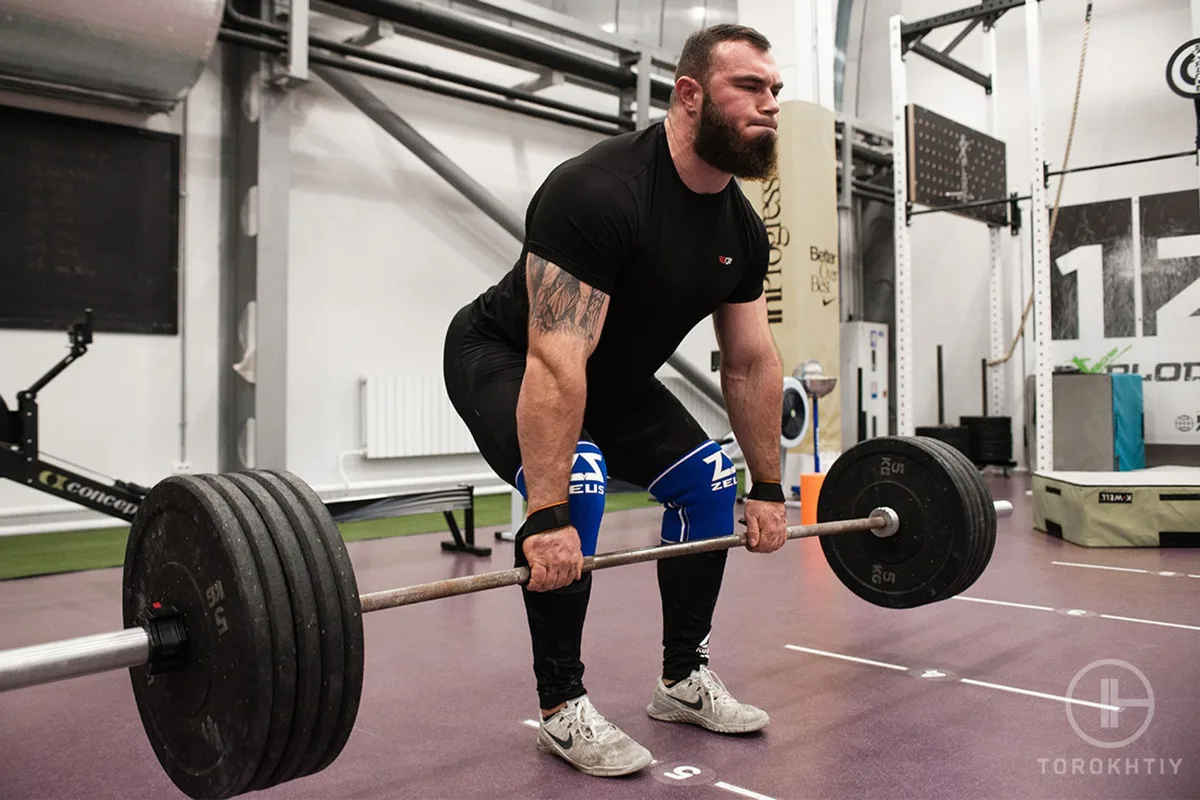
Image source: Bing (Web (fair-use with source credit))
Who Benefits Most? Target Audience and Use Cases
The deficit deadlift isn't a one-size-fits-all exercise, but it's incredibly beneficial for specific goals and lifters.
- Powerlifters: This is a go-to accessory lift for powerlifters aiming to strengthen their deadlift, particularly the initial pull off the floor. Improving this phase can lead to higher overall deadlift numbers.
- Strength Enthusiasts: Anyone looking to build raw strength, especially in the posterior chain (hamstrings, glutes, lower back), will find this variation effective. It’s a great addition to a strength-focused training program.
- Those with Sticking Points: If your deadlift consistently stalls right off the floor, incorporating deficit deadlifts can help build the specific strength needed to overcome that hurdle. You can explore how to deadlift with dumbbells if you're seeking alternative pulling exercises.
- Athletes: Athletes in sports requiring explosive power, like football, track and field, or even certain martial arts, can benefit from the increased force generation this exercise demands.
It's less suited for beginners who are still mastering the conventional deadlift or individuals with existing lower back issues, unless cleared by a medical professional.
Avoiding Pitfalls: Common Deficit Deadlift Mistakes
Many lifters make the same errors when attempting deficit deadlifts, which can limit progress and increase injury risk.
- Rounding the Lower Back: This is the most dangerous mistake. The increased range of motion makes it easier to let your lower back round, which puts immense pressure on the discs. Always maintain a neutral spine.
- Hips Shooting Up Too Fast: If your hips rise much faster than your shoulders at the start, you're losing the tension in your hamstrings and glutes and turning it into more of a partial squat. Focus on driving with your legs and maintaining a relatively stable hip position initially.
- Excessive Deficit Height: Starting with too high a deficit can make the lift unmanageable and compromise form. It’s better to start with a smaller deficit, like 1-2 inches, and gradually increase it as your strength and technique improve.
- Jerking the Bar: The lift should be a controlled pull, not a sudden jerk. Ensure you're engaging your muscles smoothly to break the bar off the floor.
- Ignoring the Descent: Simply dropping the weight at the end of the rep doesn't reinforce good control. Always lower the bar with tension, maintaining your bracing and neutral spine.
FAQ: Your Deficit Deadlift Questions Answered
How much weight should I use for deficit deadlifts?
You should use significantly less weight than you would for conventional deadlifts, often starting with 50-70% of your conventional deadlift 1-rep max. Focus on perfect form and mastering the movement pattern first.
How often should I do deficit deadlifts?
This variation is demanding. Incorporate them once a week or every other week, typically as an accessory lift after your main compound movements. Recovery is crucial.
Can deficit deadlifts help my conventional deadlift?
Yes, absolutely. By strengthening your ability to break the bar off the floor and improving your posterior chain's capacity, deficit deadlifts can directly translate to a stronger conventional deadlift.
What's the difference between deficit deadlifts and Romanian deadlifts?
Deficit deadlifts start from an elevated position with the bar on the floor and focus on pulling the weight up. Romanian deadlifts (RDLs) start from the top or with the bar slightly off the floor, and the focus is on the eccentric (lowering) portion of the lift, emphasizing the hamstring stretch. While both target the posterior chain, their mechanics and primary benefits differ significantly.

