It’s frustrating when your dive day starts with a foggy mask, isn't it? That constant blur can really pull you out of the moment and make it tough to enjoy the underwater world. We've all been there, wiping and re-wiping, hoping for clear vision.
Getting this right means better visibility, increased safety, and a more immersive experience beneath the waves. Fortunately, there are reliable ways to keep your scuba diving mask clear, whether it's brand new or has seen a few dives.

Today's Exclusive Deals
Limited-time Exclusive Deals. Check current discount on Amazon.
Check Price on Amazon As an Amazon Associate I earn from qualifying purchases.Quick Answer
To prevent a scuba diving mask from fogging, properly clean new masks to remove manufacturing residue and regularly treat the lenses with an anti-fog solution. Always rinse your mask thoroughly after applying any treatment. A good seal and clean lenses are key.
Why Does My Scuba Mask Keep Fogging Up?
That persistent fog on your dive mask isn't magic; it's a simple science experiment happening right in front of your eyes. Condensation forms when warm, moist air inside your mask meets the cooler surface of the lens. Think of a cold can of soda on a warm day.
Several factors contribute to this. For brand-new masks, a thin film of manufacturing residue, often silicone-based, coats the inside of the lenses. This is designed to keep the glass protected during shipping.
Over time, residue from sunscreen, facial oils, or even chlorinated pool water can build up, creating a surface that encourages fogging. Manufacturer specifications for many masks, like those made with tempered glass lenses, emphasize this initial cleaning process to ensure optimal performance right from the start.

Image source: Bing (Web (fair-use with source credit))
How to Prep a Brand New Scuba Mask
When you unbox a new scuba diving mask, you might notice it fogs up almost immediately, even more than an older one. This is totally normal and expected. That initial fog is usually caused by a mold-release agent or silicone coating left over from the manufacturing process.
It's a protective layer, but it’s a fog magnet.
You need to get rid of this residue before your first dive. A thorough cleaning is crucial. Many divers swear by scrubbing the inside of the lenses with toothpaste or a mild abrasive cleaner designed for this purpose.
The idea is to gently scrub away that invisible film without scratching the lens itself. Some manufacturers even provide specific cleaning instructions in their manuals.
What You'll Need for Initial Prep
- Mild Abrasive Cleaner: Toothpaste (non-gel, non-whitening) or a specialized mask cleaner.
- Soft Cloth or Sponge: For gentle scrubbing.
- Clean Water: For rinsing.
This initial prep step is vital for long-term mask performance and ensuring you don't battle constant fog on your first few dives. Neglecting this can lead to ongoing frustration.
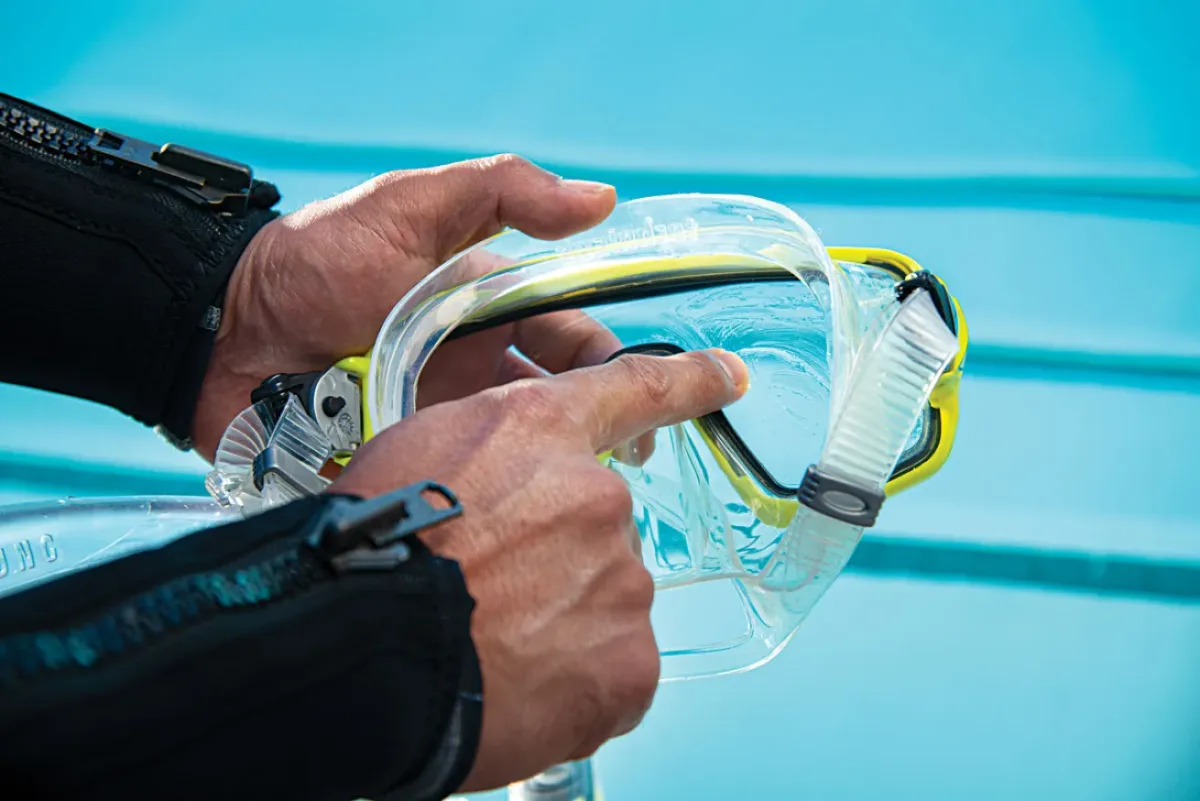
Image source: Bing (Web (fair-use with source credit))
Your Go-To Anti-Fog Treatment Options
Once your mask is prepped, or if you're looking to maintain clarity on an older mask, you'll want an effective anti-fog solution. While saliva can work in a pinch, it's temporary and not the most hygienic. Several dedicated products and common household items do a much better job.
The best approach often involves a combination of proper mask cleaning and using a reliable anti-fog treatment. Think of it as a two-step process for crystal-clear vision underwater.
Commercial Anti-Fog Sprays and Gels
These are the most popular and often most effective solutions. They’re specifically formulated to create a thin, invisible film on the lens that prevents water droplets from forming into fog. They typically come in small, portable bottles that are easy to stash in your dive bag.
When you use these, the general rule is to apply a small amount to the dry inside of the mask lenses, rub it in gently with your finger to cover the entire surface, and then give it a quick rinse with freshwater before putting the mask on. It's important to use freshwater rinses afterward, as saltwater can sometimes reduce the effectiveness of certain sprays.
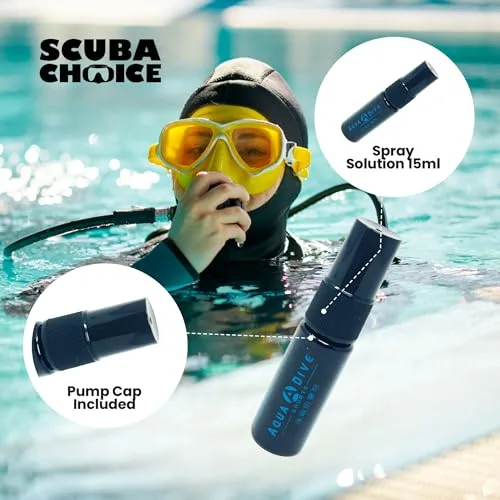
Image source: Web (Bing) / antifogspray.net (Web image (fair-use with source credit))
Our research shows that most of these products use a base of glycerin or a similar surfactant. They work by reducing the surface tension of water, causing it to spread out in a thin, transparent layer rather than forming tiny fog droplets. According to aggregate user reviews, brands like Sea Buff or GEAR AID Revivex offer consistent performance across various water temperatures.
The Baby Shampoo Hack
This is a long-standing favorite among divers and snorkelers. A tiny drop of mild, tear-free baby shampoo rubbed onto the inside of the mask lenses and then rinsed can be surprisingly effective. It's inexpensive, readily available, and generally safe for mask materials.
The key here is to use just a tiny amount, think a pea-sized drop for the whole mask. Too much will leave a residue that could sting your eyes or make the mask slippery. Apply it, gently spread it across the inside lens surface, and then give it a thorough but gentle rinse with freshwater.
Other Home Remedies
Beyond baby shampoo, some divers experiment with other household items. Glycerin soap, similar to the active ingredient in many commercial sprays, can also work if used sparingly. Some people even swear by diluted potato or cucumber slices, though their effectiveness is highly variable and less scientifically proven.
It's essential to be cautious with home remedies, though. Harsh chemicals can damage the silicone skirt or lenses, and some methods might leave behind residues that could affect your vision or the mask's integrity. Always test a new method on an old mask or in a controlled way first.
Step-by-Step: Applying Anti-Fog Like a Pro
Getting that anti-fog treatment right makes all the difference between a clear dive and a foggy frustration. It's a simple process, but a few key steps ensure it works its best.
Cleaning Your Mask First
Before you even think about applying an anti-fog solution, your mask needs to be clean. This means getting rid of any lingering sunscreen, salt residue, or oils that could interfere with the anti-fog treatment.
- Rinse with Fresh Water: Start by thoroughly rinsing the inside and outside of your mask with clean, fresh water. This removes loose salt crystals and debris.
- Gentle Wash: If you've used sunscreen or experienced heavy salt buildup, a gentle wash with mild soap (like dish soap) and your fingers or a soft cloth can help. Avoid abrasive scrubbers.
- Rinse Again: Rinse thoroughly with fresh water to remove all soap residue.
A clean lens is the perfect canvas for your anti-fog treatment to adhere to.
Application and Rinsing Techniques
Now, for the anti-fog application itself. Whether you’re using a commercial spray, baby shampoo, or another method, the technique is similar.
- Ensure Mask is Dry: The inside of the mask lenses should be damp but not dripping wet. If you just rinsed, let it air dry for a minute or two.
- Apply Your Treatment:
- Commercial Sprays/Gels: Apply 1-2 drops per lens.
- Baby Shampoo: Use a single, pea-sized drop for the entire mask.
- Rub It In: Gently spread the treatment over the entire inner surface of each lens using your fingertip. Make sure you cover the edges where fogging often starts.
- Quick Rinse: This is critical. Before putting the mask on, give the inside lenses a very quick rinse with cool, freshwater. You want to remove the excess product but leave a thin, invisible film behind. Don't scrub vigorously at this stage; just a swish of water is enough.
- Don the Mask: Put your mask on and ensure it creates a good seal. A proper fit is just as important as the anti-fog treatment for preventing leaks and maintaining clear vision.
If you're preparing gear for a dive trip, consider packing a small bottle of your preferred anti-fog solution and a dedicated dive mask bag to protect it. For those planning longer expeditions, ensuring all your gear is properly maintained is key; checking out our guide on best scuba diving gear bags can help keep everything organized and protected.
Common Mask Fogging Mistakes Divers Make
Even with the best intentions, divers sometimes fall into habits that lead to a foggy mask. Avoiding these common pitfalls can save you a lot of underwater frustration.
- Not Pre-Cleaning New Masks: This is probably the biggest mistake. New masks always have residue from manufacturing. Skipping that initial intensive cleaning means you're fighting an uphill battle from the start.
- Using Too Much Product: Whether it's a commercial spray or baby shampoo, overdoing it can create a slippery residue that stings your eyes or actually causes fogging by creating an uneven surface. A little goes a long way.
- Not Rinsing Enough (or Rinsing Too Much): A quick, gentle freshwater rinse after applying the anti-fog is essential. If you don't rinse, the excess product can irritate your eyes. If you rinse too vigorously or use soap again, you might wash away the anti-fog film entirely.
- Forgetting the Mask Skirt: Sometimes, oils from your face or even makeup can transfer to the inside edge of the mask skirt, creating a seal that fogs. Wiping the skirt with a clean cloth can help.
- Relying Solely on Saliva: While it’s an option in a pinch, saliva’s effectiveness is short-lived and inconsistent. It’s better to have a dedicated solution ready. For extended dive trips, keeping your gear protected in a best scuba diving dry bag is also wise.
- Ignoring Mask Fit: A mask that leaks will let water in, which can then mix with your anti-fog solution and cause blur. Make sure your mask has a good seal. If you're struggling with fit, exploring options for best scuba diving masks for wide face might be necessary.
When to Consider a New Scuba Mask
Most scuba diving masks are built to last for years with proper care. However, there comes a point where even the best anti-fog treatments can't save a mask that's past its prime. If you’re finding that no matter what you do, your mask fogs relentlessly or leaks, it might be time for an upgrade.
Several signs point to a mask that needs replacing. The most obvious is degradation of the silicone skirt. If the silicone has become stiff, cracked, or permanently deformed, it won't create a proper watertight seal against your face.
This is a safety issue, as a leaking mask can be a distraction and potential hazard underwater.
Other indicators include scratches or hazing on the lenses that significantly impair visibility, even when clean. For masks with polycarbonate lenses, they can become scratched more easily than tempered glass. Manufacturer specifications often suggest checking for UV degradation or brittleness in older silicone components, especially if the mask has been stored improperly or exposed to extreme temperatures for long periods.
If you’re consistently battling fog, and you've ruled out improper cleaning or application of anti-fog treatments, consider the age and condition of your mask. Investing in a new mask ensures better visibility and safety for all your dives. For divers looking to make their next purchase, checking out resources like the best scuba diving mask for beginners can provide a good starting point for finding a reliable option.
Frequently Asked Questions
How often should I clean my scuba mask?
You should clean your scuba mask before its first use to remove manufacturing residue. After that, rinse it with fresh water after every dive to remove salt and debris. A more thorough cleaning with mild soap or an anti-fog treatment can be done weekly or as needed, depending on usage.
Can I use spit to defog my mask?
Yes, spitting into your mask can work as a temporary anti-fog solution in a pinch. However, its effectiveness is short-lived, and it's not the most hygienic method. Commercial anti-fog sprays or baby shampoo provide more reliable and longer-lasting results.
Does saltwater affect anti-fog treatments?
Saltwater itself doesn't typically damage anti-fog treatments, but rinsing with saltwater after applying a treatment might reduce its effectiveness over time compared to a freshwater rinse. Always try to rinse your mask with fresh water after dives to maintain the anti-fog layer.
What if my mask still fogs up after trying everything?
If your mask continues to fog despite proper cleaning and treatment, it may be a sign that the mask is too old or has a faulty seal. Check the silicone skirt for signs of wear, cracking, or stiffness. It might be time to consider replacing the mask.
You might also explore masks designed for specific face shapes, like those for a wide face.