
So, you're thinking about diving in some chilly waters, huh? Maybe the ocean's a bit cooler than you're used to, or you're planning a trip somewhere truly arctic. A big question that pops up is: can I just use my regular scuba regulator, or do I need something special for the cold?
It's a really important question, and the answer isn't a simple "yes" or "no." It actually depends on a few things, mainly about your regulator itself and how cold we're talking.

Today's Exclusive Deals
Limited-time Exclusive Deals. Check current discount on Amazon.
Check Price on Amazon As an Amazon Associate I earn from qualifying purchases.Quick Answer
No, not all scuba regulators are safe for cold water. You need an environmentally sealed regulator to prevent freezing. Using a non-cold-water-rated regulator can lead to dangerous breathing difficulties underwater.
Always check manufacturer specifications before diving in temperatures below 50°F (10°C).
Why Cold Water Demands Special Attention for Your Regulator
When you take a breath underwater, your scuba regulator does some pretty amazing work. It takes the high-pressure air from your tank and reduces it to a breathable pressure that you can inhale. This process involves air expanding and cooling.
In warm water, this cooling isn't usually a problem. But in cold water, that cooling effect can become a serious issue.
The primary concern is ice formation. Moisture inside the regulator's delicate moving parts can freeze. This ice can build up, restrict airflow, or even cause a free-flow situation where air continuously rushes out of your second stage.
For instance, testing by standards bodies like ISO often specifies performance parameters for regulators across a range of temperatures, highlighting why this is critical. Manufacturer specifications clearly indicate that standard regulators may not perform reliably below certain temperature thresholds.
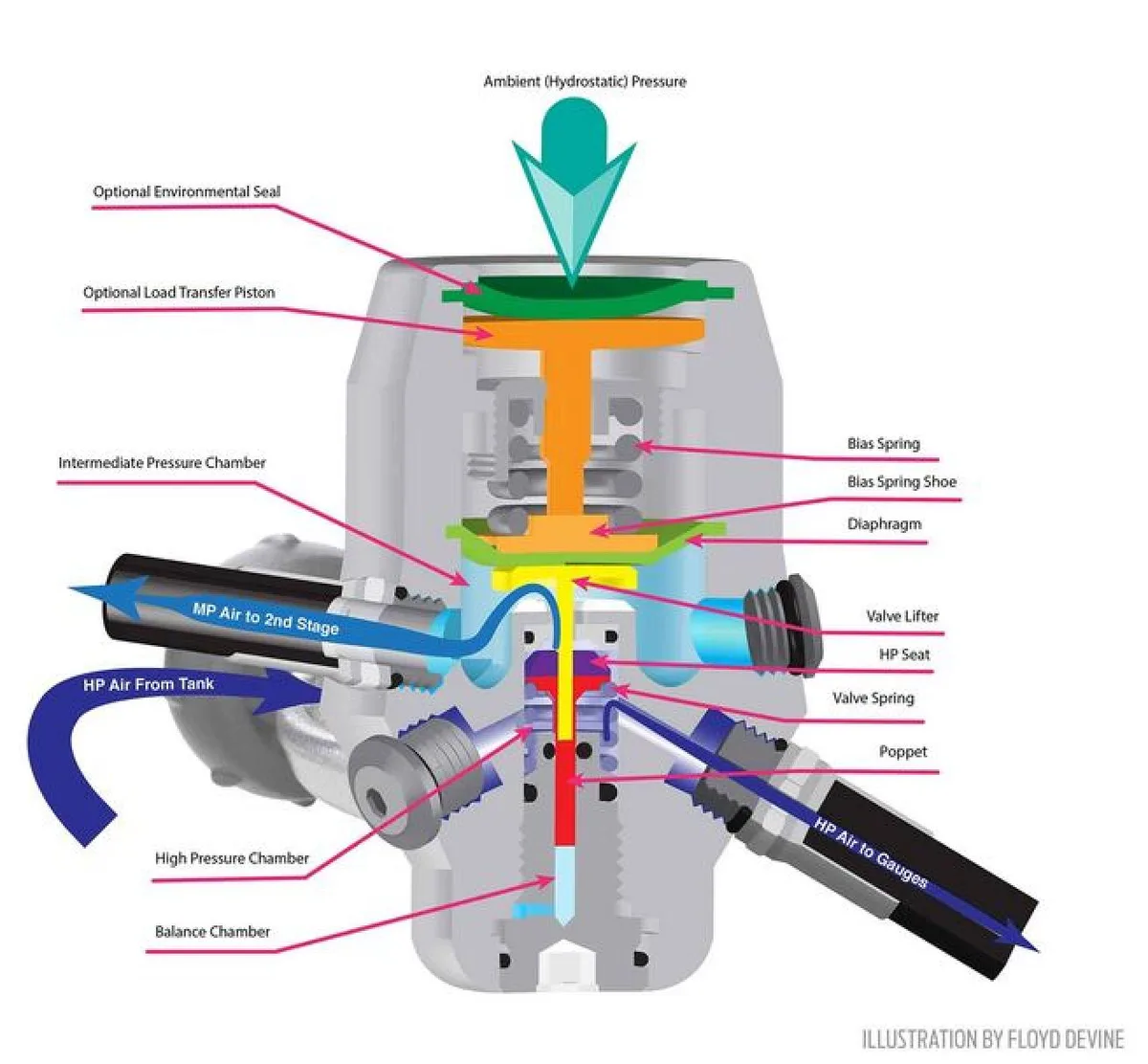
Image source: Web (Bing) / scubadiving.com (Web image (fair-use with source credit))
Identifying Cold-Water Ready Regulators: Key Features to Look For
Not all regulators are designed to handle the stresses of cold-water diving. Manufacturers build specific features into regulators intended for these conditions to ensure reliability and safety. If you're planning dives in water that's consistently below 50°F (10°C), you'll want to look for these crucial elements.
Environmental Sealing Explained
The most important feature for cold-water regulators is environmental sealing. This means the first stage, the part that connects to your tank valve, is designed to prevent water from entering its internal mechanism. Standard regulators have openings that allow water in, which is fine in warmer temperatures but a major risk in the cold.
- How it Works: An environmental seal typically uses a special diaphragm and O-rings to create a watertight barrier. This stops ice-forming moisture from reaching the sensitive components that regulate the air pressure.
- What to Look For: Manufacturers often label these regulators as "environmentally sealed," "dry sealed," or "cold-water protected." Always check the product description or manual.
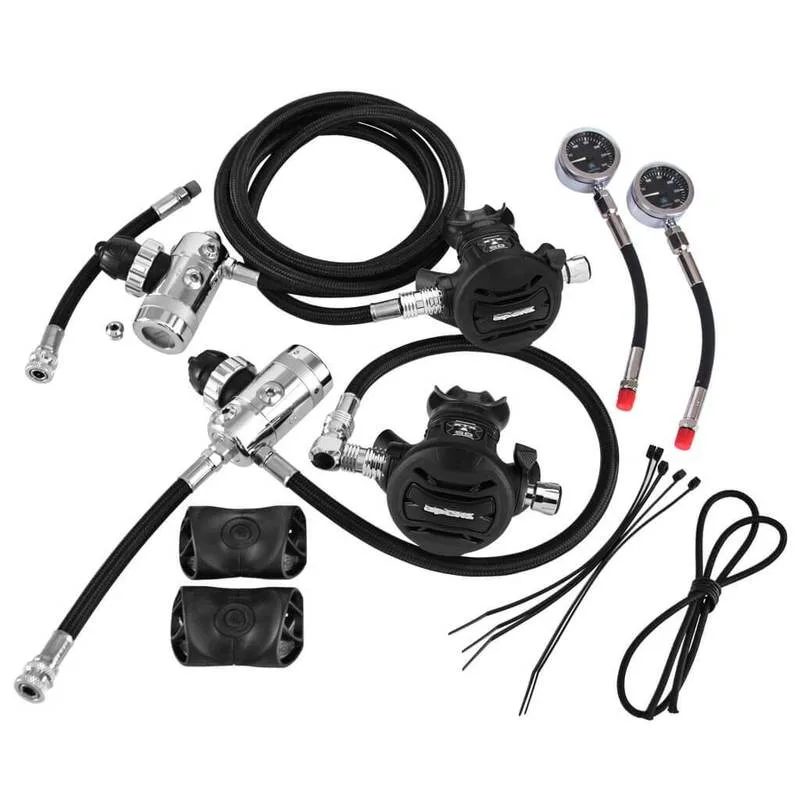
Image source: Web (Bing) / scubadivestore.co.uk (Web image (fair-use with source credit))
Material and Design Considerations
Beyond sealing, the materials used and the overall internal design play a role. Some materials can become brittle or stiff in extreme cold, affecting their performance. Cold-water regulators might use specific alloys or plastics that retain flexibility and durability.
The internal mechanism itself is also often optimized to reduce areas where moisture could accumulate and freeze. This might involve different valve seat materials or internal flow paths.
The Risks of Using Non-Cold-Water Regulators
Taking a standard regulator into frigid waters isn't just a performance issue; it's a significant safety hazard. The conditions that cause problems for cold-water equipment can quickly turn a dive into an emergency. Understanding these risks is crucial for any diver considering colder environments.
The Danger of Ice Formation
As mentioned, the primary risk is freezing. When air expands and cools during the pressure reduction process in a standard regulator's first stage, any moisture present can turn to ice. This ice can accumulate on moving parts, jamming them.
- Stuck Open: A common failure mode is the regulator becoming stuck in the "open" position. This results in a continuous, uncontrolled flow of air from your second stage, rapidly depleting your air supply.
- Blocked Airflow: Conversely, ice can completely block the air passages, making it impossible to breathe. Imagine needing air and getting nothing, it's a terrifying scenario underwater.
- Component Damage: Repeated freezing and thawing cycles can also damage the internal components of a regulator not designed for these conditions.

Image source: Bing (Web (fair-use with source credit))
Performance Issues in Chilly Depths
Even if a regulator doesn't freeze solid, cold water can impact its performance. Cold air is denser, meaning it takes more effort to inhale. A regulator not designed for cold might struggle to deliver air smoothly and consistently under these conditions.
This can lead to increased breathing resistance, causing you to breathe harder and faster, which uses up your air supply more quickly. This also increases the risk of nitrogen narcosis or other physiological issues exacerbated by rapid breathing.
When to Upgrade or Rent Cold-Water Diving Gear
So, how do you know if your current regulator is up to the task, or if it's time to consider something new? The most straightforward advice is to check the manufacturer's specifications for your specific model. If you dive regularly in water that’s consistently 50°F (10°C) or colder, investing in a dedicated cold-water regulator is a wise move.
- Check Your Manual: The owner's manual or the manufacturer's website will clearly state if a regulator is rated for cold water and often provides a minimum temperature rating.
- Rental Options: If cold-water diving isn't a regular part of your dive plans, renting a cold-water setup from a reputable dive shop is a practical solution. This ensures you have the right gear without a significant upfront investment. You might want to research best scuba diving gear for beginners 2026: top picks to buy now if you're outfitting a new setup.
- Consider the Whole Setup: Remember, it's not just your regulator. Other gear, like exposure suits (wetsuits or drysuits) and gloves, also needs to be appropriate for cold water to maintain thermal comfort and safety. If you're looking at improving your cold-water kit, you might want to research best scuba diving wetsuit for cold water 2026 and best scuba diving gloves for comfort and safety in 2026.
Expert Tips for Cold Water Regulator Use
Diving in cold water presents unique challenges, and having the right equipment is only part of the equation. Experienced cold-water divers and manufacturers offer specific guidance to ensure safe and enjoyable dives. Always remember that your life support system is paramount, and preparation is key.
- Pre-Dive Checks: Before every cold-water dive, perform thorough checks. Breathe from your regulator both above and below the surface. Listen for any unusual sounds and feel for consistent airflow. Ensure your first stage is completely dry before attaching it to the tank.
- Rinse Thoroughly: After a cold-water dive, rinse your regulator thoroughly with fresh, lukewarm water. Avoid hot water, as rapid temperature changes can stress the materials. Make sure to rinse both the first and second stages.
- Proper Drying: Allow your regulator to air dry completely in a cool, dry place away from direct sunlight. Never use compressed air to dry internal components, as this can damage seals. Proper drying is essential to prevent internal corrosion and moisture issues before your next dive.
- Regular Servicing: Cold-water regulators may require more frequent servicing due to the stresses they endure. Follow the manufacturer's recommended service intervals, typically annually or after a set number of dives, to ensure optimal performance and safety. Consulting resources on best scuba diving regulator 2026: top picks for every diver can offer general regulator care insights.
- Buddy Checks: During your buddy check, pay extra attention to your buddy's regulator performance, especially in cold conditions. A quick verbal check about how their air feels can catch potential issues early. Your buddy's best scuba diving computer 2026: top picks for safe underwater adventures should also be checked for battery life and settings appropriate for the dive plan.
Mistakes to Avoid: Common Regulator Errors in Cold Water
Diving in cold water requires a heightened awareness of your gear's performance. Many common mistakes can be avoided with careful preparation. Assuming your standard regulator will perform like it does in warmer temperatures is a significant error.
This can lead to dangerous situations underwater.
- Ignoring Manufacturer Ratings: A critical mistake is not checking your regulator's manufacturer specifications. If a regulator isn't explicitly rated for cold water, it's designed for warmer conditions. Pushing its limits is a serious risk.
- Inadequate Rinsing and Drying: Failing to rinse and dry your regulator properly after a dive can lead to internal corrosion and residual moisture. This moisture can freeze on subsequent dives. Always use fresh, lukewarm water for rinsing.
- Diving with a Compromised First Stage: If you notice any signs of water ingress in your first stage, or if it feels odd when breathing, abort the dive immediately. Do not attempt to dive with a regulator that might be compromised.
Frequently Asked Questions About Cold Water Regulators
Is any regulator safe for cold water?
No, not all scuba regulators are designed for cold water. Regulators need to be "environmentally sealed" to prevent water from entering the first stage and freezing internal components. Always check the manufacturer's specifications.
What temperature is considered "cold water" for diving?
Generally, water below 50°F (10°C) is considered cold water. At these temperatures, standard regulators can become a significant risk due to ice formation.
How can I tell if my regulator is cold-water rated?
Look for descriptions like "environmentally sealed," "dry sealed," or specific cold-water temperature ratings from the manufacturer. This information is usually found in the product manual or on the manufacturer's website.
What happens if my regulator freezes underwater?
If a regulator freezes, you might experience difficulty breathing, a sudden loss of air supply, or an uncontrolled free-flow of air. This is a critical emergency that can lead to drowning if not managed properly.
Should I buy a cold-water regulator or rent one?
If you plan to dive in cold water frequently, investing in a cold-water-rated regulator is recommended for safety and reliability. For occasional cold-water dives, renting from a dive shop is a more economical option.

