Across the United States, athletes, families, schools, gyms, and community sports programs depend on equipment that must handle repeated use. From baseball gloves and soccer cleats to basketballs, fitness machines, and protective gear, regular care helps equipment perform as intended and reduces avoidable damage.
Maintaining sports equipment is a simple process based on prevention. Dirt, sweat, moisture, friction, and poor storage can slowly weaken materials. A basic routine of cleaning, drying, checking for wear, and making timely repairs can help protect both the equipment and the people using it.
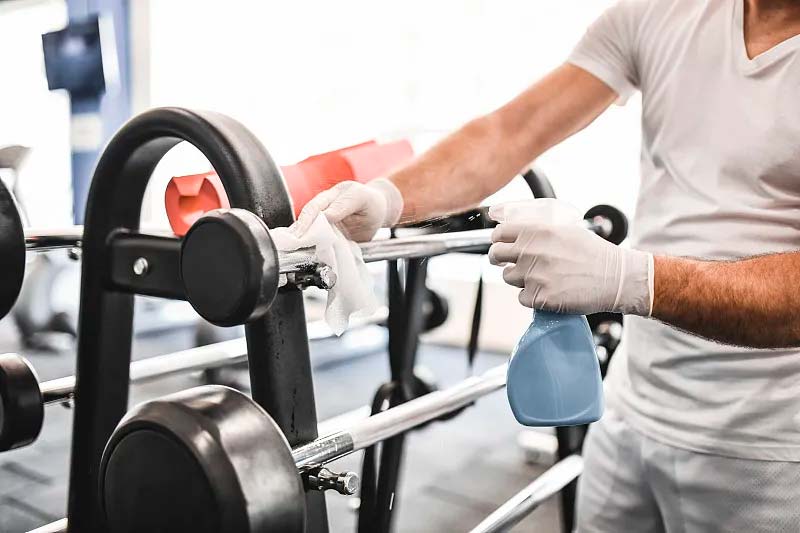
Source: bftfitness.com
Why Sports Equipment Maintenance Matters
Sports equipment maintenance keeps gear functional, cleaner, and safer to use. Equipment does not usually fail suddenly without warning. Small problems such as loose stitching, dried-out materials, rust, or cracks often appear before major damage happens.
Regular care also protects the investment made in sports gear. A basketball, racket, helmet, or set of weights may last longer when it is protected from conditions that cause unnecessary wear.
Maintenance does not mean making every item look new. The goal is to preserve performance, identify limits, and know when replacement is the safer option.
The most common causes of damage are moisture, repeated impact, friction, dirt buildup, temperature changes, and incorrect storage. Equipment used outdoors often faces additional exposure to rain, sunlight, and uneven surfaces.
Understanding these causes helps users create a maintenance routine that matches their sport and environment.
Moisture exposure
Sweat and water can encourage odors, corrosion, mold growth, and material breakdown.
Repeated stress
Balls, bats, rackets, and protective equipment experience forces that slowly reduce durability.
How to Clean Sports Equipment Correctly
Cleaning is the first step in maintaining most sports equipment. The correct method depends on the material, because leather, fabric, plastic, metal, and electronic parts can react differently to water and cleaning products.
Before cleaning, check manufacturer instructions when available. Some equipment can be washed with mild soap and water, while other items need specialized care.
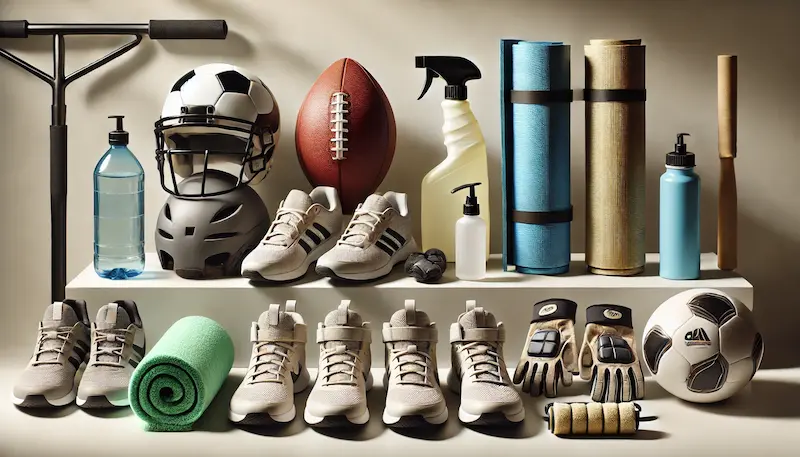
Source: radiofueguina.com
Remove surface dirt first
Use a soft brush or cloth to remove dust, grass, mud, and debris before applying moisture.
Use suitable cleaners
Avoid harsh chemicals that may weaken materials or damage protective coatings.
Dry completely
Allow equipment to air dry before storage to reduce moisture-related problems.
Cleaning Different Types of Gear
Different sports equipment needs different cleaning approaches. A leather baseball glove, for example, needs protection from excessive water, while plastic training equipment may tolerate more direct cleaning.
Shoes, pads, helmets, and fitness accessories should receive attention after heavy use because sweat and bacteria can build up quickly.
Fabric equipment
Wash according to care instructions and dry fully before putting items away.
Metal equipment
Remove moisture and check for rust or corrosion.
Electronic equipment
Keep moisture away from screens, batteries, and internal components.
Inspect Equipment Regularly for Wear and Damage
Inspection helps identify problems before equipment becomes unsafe or unusable. A quick check before and after use can reveal changes that are easy to miss over time.
The inspection process should focus on parts that receive the most stress. These areas often show wear first.
Hard surfaces such as helmets, bats, and frames should be checked for visible damage.
Check connections
Inspect straps, screws, fasteners, stitching, and moving parts.
Monitor performance changes
Changes in bounce, grip, stability, or movement may indicate wear.
When to Repair or Replace Equipment
Repair may be appropriate when the problem is minor and the repair restores safe function. Replacement is usually needed when structural parts are damaged or protective features are compromised.
Safety equipment deserves special attention. Helmets, guards, and protective padding should not be used if damage affects their ability to provide protection.
Repair situations
Small issues such as loose stitching or replaceable components may be fixable.
Replacement situations
Cracked shells, severe damage, or failed protective materials usually require new equipment.
Store Sports Equipment the Right Way
Proper storage prevents many maintenance problems. Equipment left on wet floors, in direct sunlight, or in uncontrolled temperatures may deteriorate faster.
A good storage area is clean, dry, organized, and easy to access. Organization also makes it easier to notice missing or damaged items.
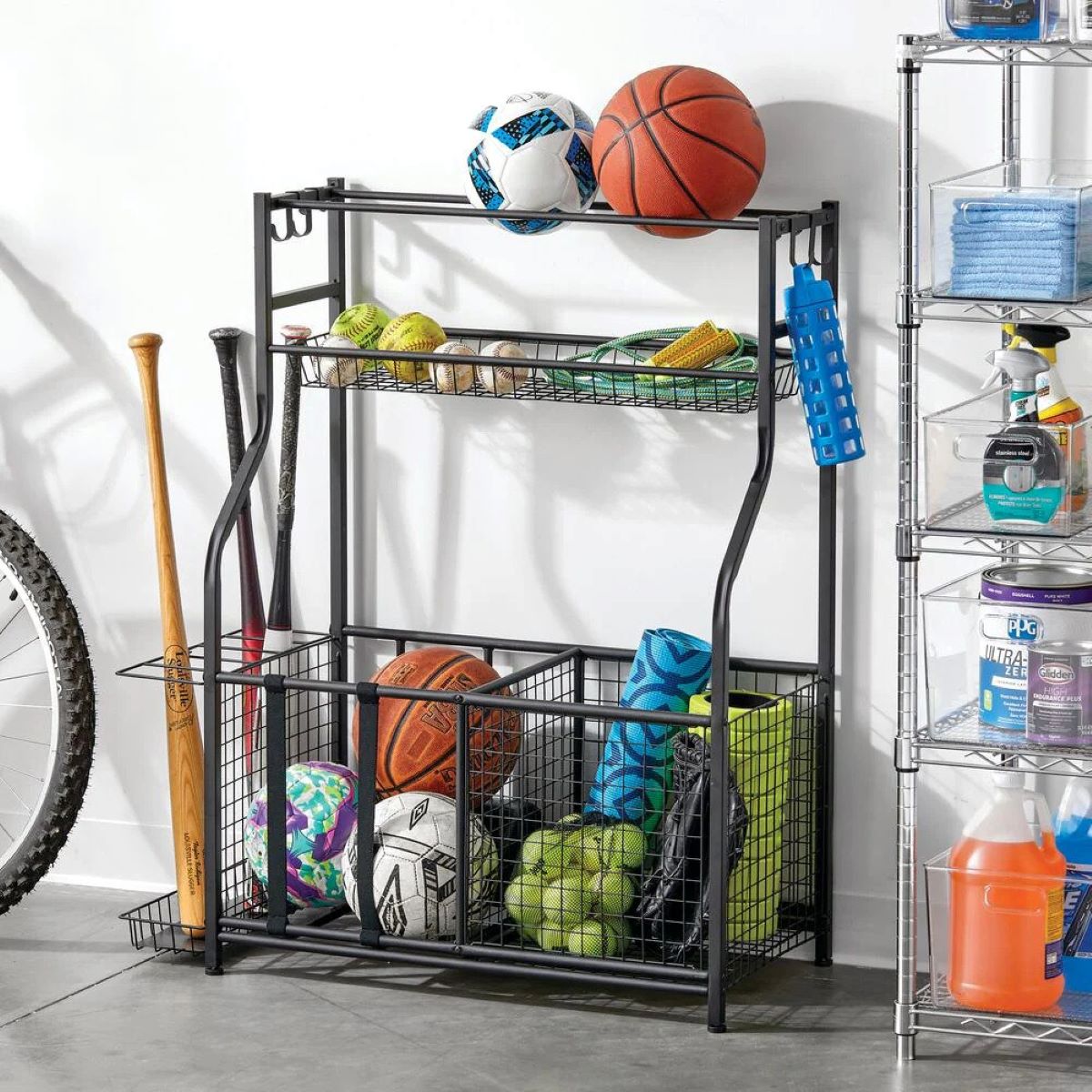
Source: ctf.bnsf.com
Keep equipment dry
Moisture can damage materials and create unpleasant odors.
Avoid extreme temperatures
Heat and cold can affect plastics, rubber, adhesives, and electronics.
Use proper storage supports
Racks, bags, and shelves can prevent unnecessary pressure and damage.
Sports Equipment Storage Examples
Balls should be stored away from sharp objects and excessive heat. Shoes should be dried before being placed in bags. Large fitness equipment should have enough space around it for safe use and inspection.
Home athletes
Use dedicated storage areas instead of leaving gear scattered in garages or vehicles.
Teams and schools
Create regular equipment checks and assign responsibility for shared gear.
Create a Simple Sports Equipment Maintenance Schedule
A maintenance schedule makes equipment care easier because small tasks become regular habits. The right frequency depends on how often the equipment is used and the conditions where it is stored.
Daily cleaning may be needed for heavily used gym equipment, while seasonal inspections may be enough for some recreational items.
Remove dirt, wipe moisture, and check for obvious problems.
Weekly checks
Inspect frequently used equipment for wear and cleanliness.
Seasonal reviews
Check stored equipment before starting a new sports season.
Signs Your Maintenance Routine Is Working
A successful maintenance routine keeps equipment clean, organized, and ready for use. You should find fewer unexpected failures and notice problems earlier.
If equipment continues to develop repeated issues, review whether the cleaning method, storage conditions, or replacement timing needs to change.
Equipment stays ready
Gear can be used without last-minute cleaning or repairs.
Problems appear early
Small issues are found before they become major damage.
Frequently Asked Questions
Q
How often should sports equipment be cleaned?
Most equipment should be cleaned after use when it collects sweat, dirt, or moisture. Frequently used items may need more regular cleaning.
Q
Can I use household cleaners on sports equipment?
Some household cleaners may damage certain materials. Check care instructions and use mild cleaning methods when appropriate.
Q
What is the most important part of sports equipment maintenance?
Regular inspection is one of the most important steps because it helps identify damage before it affects safety or performance.
Q
How should I store sports equipment during the off-season?
Clean and dry equipment before storage. Keep it in a dry area away from extreme heat, moisture, and unnecessary pressure.
Q
When should sports equipment be replaced?
Replace equipment when damage affects safety, structure, or normal performance. Protective gear should receive extra attention because failures can increase injury risk.
✦ Wrapping Up
Conclusion
Maintaining sports equipment is a practical habit that protects performance, safety, and long-term value. Cleaning, inspection, and proper storage are simple steps that prevent many common problems.
The best maintenance routine is one that matches the equipment type and how often it is used. Small actions after each use can help keep sports gear reliable for the next practice, game, or workout.
💡 Key Takeaway
Start with a simple routine today: clean used equipment, check for damage, dry everything completely, and store each item properly.