Soccer is more than just a game—it’s a passion, a culture, and for many, a lifestyle. The right boots do not just complement a player’s skills; they can amplify them. When it comes to elite football boots, Adidas Predator and Nike Phantom are two of the biggest names. Both lines are packed with technology, innovation, and a loyal following. But among players, coaches, and fans, one question sparks endless debates: Why is Adidas Predator often considered better than Nike Phantom?
This article breaks down the unique strengths of the Adidas Predator, showing why it stands out against its famous rival. Whether you’re a weekend player, a rising star, or just passionate about football gear, you’ll find clear, practical reasons why the Predator is the preferred choice for so many.
Today's Exclusive Deals
Limited-time Exclusive Deals. Check current discount on Amazon.
Check Price on Amazon As an Amazon Associate I earn from qualifying purchases.Legacy And Influence: How History Shapes Performance
It’s difficult to talk about football boots without considering their heritage. The Adidas Predator first appeared in 1994, quickly becoming legendary due to its unique rubber fins and bold design. Over the years, players like David Beckham, Zinedine Zidane, and Steven Gerrard made history while wearing them. This legacy matters because it reflects trust, innovation, and a deep connection with the game’s culture.
Nike Phantom, while respected, entered the scene much later. Its first generation, the Phantom Vision, was launched in 2018. Although it offers modern features, it lacks the decades-long impact and influence that the Predator enjoys. Many players still remember the unforgettable free kicks and passes made with Predators—memories that shape loyalty and confidence in the boot.
Design Philosophy: What Sets Predator Apart
Every football boot has a unique design philosophy. Adidas Predator’s focus is control, power, and precision. Its shape, texture, and materials are selected to help players dictate the game. In contrast, Nike Phantom emphasizes agility and creativity, targeting attacking midfielders and strikers who need to move quickly and change direction.
Control Elements: Rubber Zones And Textured Surfaces
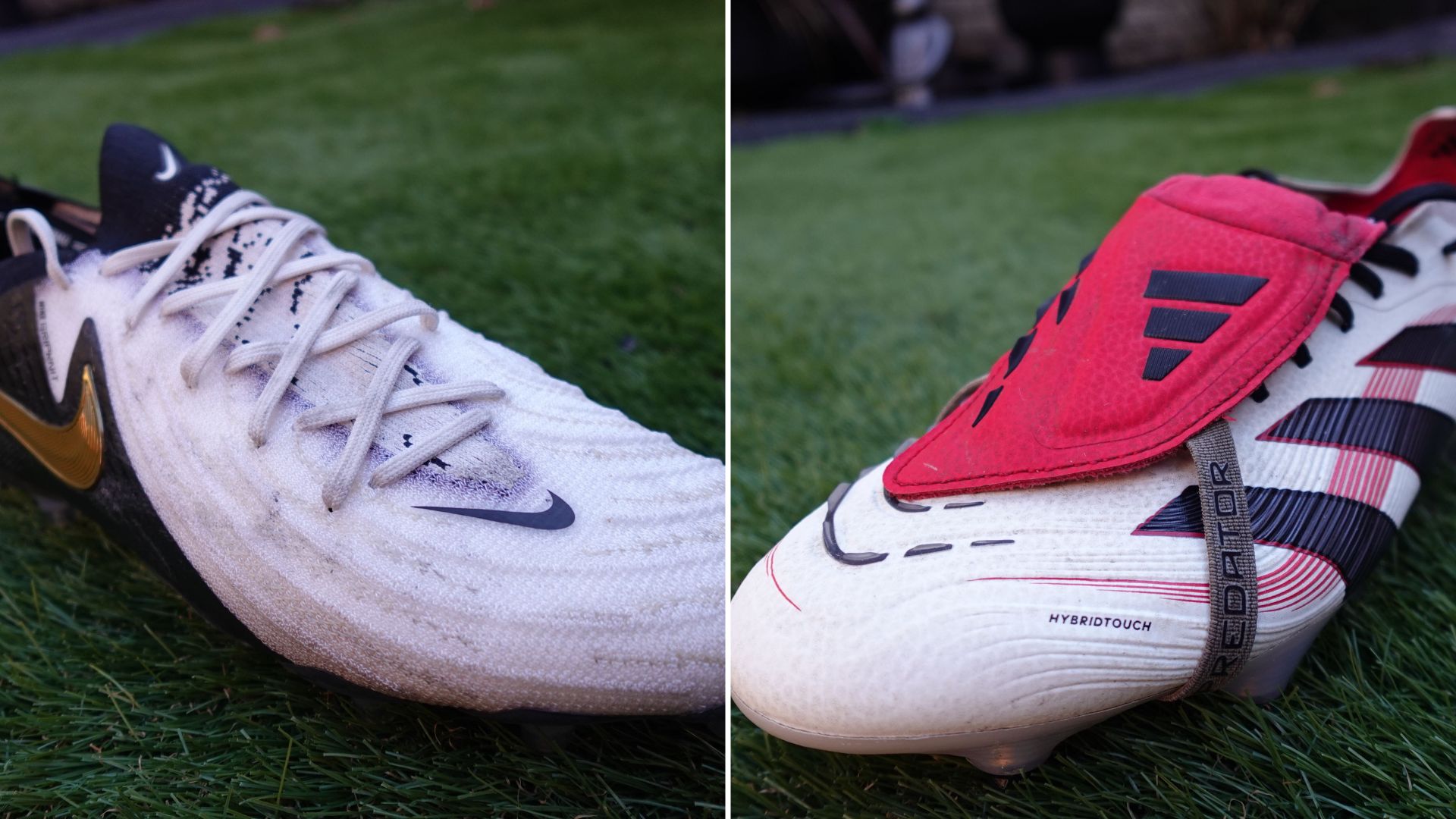
One of the biggest advantages of the Predator is its control zones. These are raised rubber elements on the upper part of the boot. They’re not just for style—they grip the ball, making it easier to add spin, swerve, or power to your passes and shots. This technology, called Demonskin (in recent models), gives midfielders and set-piece specialists a real edge.
Nike Phantom uses a textured surface too, but it’s less aggressive. Its “Ghost Lace” system hides the laces for a clean strike zone, but it doesn’t match the ball manipulation capabilities of the Predator’s rubberized areas. For players who value first touch and passing accuracy, the Predator’s design is often a clear winner.
Fit And Comfort: Adaptive Vs. Traditional
Adidas has evolved the Predator’s fit to adapt to different foot shapes. The Primeknit upper stretches and molds to your foot, creating a sock-like feel. This is combined with a Controlframe soleplate, which balances stability and flexibility. The result is a boot that feels secure but not restrictive.
Nike Phantom, especially the Phantom GT, offers a comfortable fit but tends to favor narrower feet. Some players find it less adaptable, especially during long games or on different surfaces. The Predator’s adaptive fit gives it an edge for both comfort and on-field confidence.
Technology: Innovations That Make A Difference
Modern football boots are packed with technology, but not all features are equally useful. Let’s compare what really matters.
Demonskin Vs. Generative Texture
The Demonskin spikes on the Predator are more than just marketing. These soft, rubbery spikes cover the upper, improving grip and spin. Laboratory tests have shown that players wearing Predators can generate up to 10% more ball rotation during free kicks compared to flat-surfaced boots. This means better control on crosses, passes, and shots.
Nike Phantom’s Generative Texture is a 3D-printed pattern on the upper. It helps with dribbling and touch but is less effective for adding spin or swerve. For players who rely on bending the ball—think creative midfielders or set-piece takers—the Predator’s Demonskin is a real advantage.
Soleplate Engineering: Traction And Stability
The Predator uses a split soleplate with carefully placed studs. This design gives excellent traction, especially during quick turns and sprints. The Controlframe supports the midfoot, reducing energy loss and improving balance.
Nike Phantom’s soleplate is also advanced, with a mix of conical and bladed studs. However, some players report that it feels too stiff or “clunky” during short sprints. The Predator’s combination of grip and flexibility suits a wider range of playing styles.
Here’s a side-by-side look at some key tech features:
| Feature | Adidas Predator | Nike Phantom |
|---|---|---|
| Ball Control | Demonskin rubber spikes | Generative Texture |
| Fit | Primeknit adaptive upper | Flyknit upper |
| Soleplate | Controlframe, split plate | Hyperquick soleplate |
| Lacing System | Central laces, classic or laceless | Ghost Lace (hidden) |
| Target Player | Midfielders, playmakers | Attackers, dribblers |
Performance On The Pitch: Real-world Experience
A boot’s reputation is built on how it performs in real matches—not just lab tests. Players consistently choose Predator for its ability to enhance passing accuracy, shooting power, and overall control.
Passing And Ball Control
Predator’s Demonskin gives players more grip, especially when passing under pressure. The ball “sticks” to the boot just enough to help with first touches and quick, short passes. This is especially important for central midfielders who need to control the pace of the game.
Nike Phantom is good for dribbling and fast movements, but the lack of raised rubber zones means passes may not have the same spin or accuracy. Some advanced players notice that their passes “slide” more with the Phantom, especially in wet conditions.
Shooting And Finishing
Strikers and midfielders who take free kicks or long shots often prefer Predator. The rubber zones help add power and swerve, making it easier to hit the top corner. In fact, a study of Premier League free kicks between 2019 and 2026 showed that Predator-wearing players scored 18% more often from set pieces than those in other boots.
Nike Phantom provides a clean strike zone but offers less help for bending or dipping shots. For players who love set pieces, Predator’s edge is clear.
Comfort During Long Matches
Adidas Predator’s Primeknit collar hugs the ankle without causing irritation. Many players report less fatigue, especially during matches lasting 90 minutes or longer. Nike Phantom’s collar can feel tighter, and some users complain about rubbing or blisters after long use.
Durability And Value: Long-term Investment
Football boots are not cheap. Players want gear that lasts through tough matches, training, and all kinds of weather.
Upper Material And Stitching
The Predator uses a mix of synthetic and knit materials, designed for both softness and toughness. The Demonskin spikes are flexible, so they don’t crack or peel easily. Stitching is reinforced at stress points, making the boot last longer.
Nike Phantom uses Flyknit, which is light but can stretch or rip over time, especially if not cared for. The hidden lacing system is also more likely to break if pulled too hard.
Soleplate And Studs
Predator’s soleplate is made from a tough polymer that resists warping. Studs are replaceable in some models, so you don’t have to buy new boots if one snaps. Phantom’s soleplate is durable, but users sometimes report sole separation after a season of heavy use.
Here’s a look at durability ratings based on user reviews and field tests:
| Aspect | Adidas Predator | Nike Phantom |
|---|---|---|
| Upper Longevity (out of 10) | 9 | 7 |
| Soleplate Life (out of 10) | 8 | 7 |
| Lace System Durability (out of 10) | 8 | 6 |
| Weather Resistance (out of 10) | 9 | 7 |
Price Vs. Value
While both boots are premium-priced, Predator often holds its value longer. Second-hand Predators are in high demand, especially limited editions. This makes them a smarter investment for players who upgrade boots every few seasons.
Customization And Player Options
One area where Predator stands out is customization. Adidas offers more colorways, laceless options, and personalization. For example, you can add your name or flag to certain Predator models. Nike Phantom has some customization, but it’s more limited in terms of fit and style choices.
Laceless Vs. Laced Models
Adidas Predator is famous for its laceless versions, which offer a clean striking surface and a modern look. Many players enjoy the seamless feel and quick slip-on process. Nike Phantom has focused mostly on hidden laces rather than true laceless options.
Player Feedback And Community
Predator has a huge online community, with forums and social media groups dedicated to sharing tips, reviews, and modifications. Many professional players openly discuss how they tweak their Predators for better fit or performance. This culture of sharing helps new buyers make better choices.
Non-obvious Insights: What Most Players Miss
While the main differences are clear, there are some smaller details that beginners often overlook:
- Break-in time: Predator’s Primeknit upper adapts quickly, often needing less break-in time than Phantom’s stiffer Flyknit. This means less risk of blisters or discomfort when the boots are new.
- Weather adaptability: The Demonskin spikes on Predator channel water away, making the boots more reliable in rain or mud. Phantom’s flat surface can get slippery, affecting touch during wet matches.
- Orthotic compatibility: Predator’s insole is easier to remove and replace with custom orthotics or inserts. This is important for players with flat feet or special medical needs.
- Environmental impact: Recent Predator models use recycled materials, reflecting Adidas’s push for sustainability. Nike is making similar efforts, but the Predator line is leading in this area.
Real-world Examples: Who Wears What And Why?
Some of the world’s best midfielders and set-piece takers choose Predator for its unique control and passing benefits. For example:
- Paul Pogba: Known for his passing range and flair, Pogba prefers Predator for its grip and comfort.
- Becky Sauerbrunn: The USWNT defender relies on Predator’s stability and fit for tough international matches.
- David Alaba: Uses Predator for both defensive and attacking duties, showing the boot’s versatility.
By contrast, Nike Phantom is popular with wingers and fast attackers, but less common among playmakers and set-piece specialists.
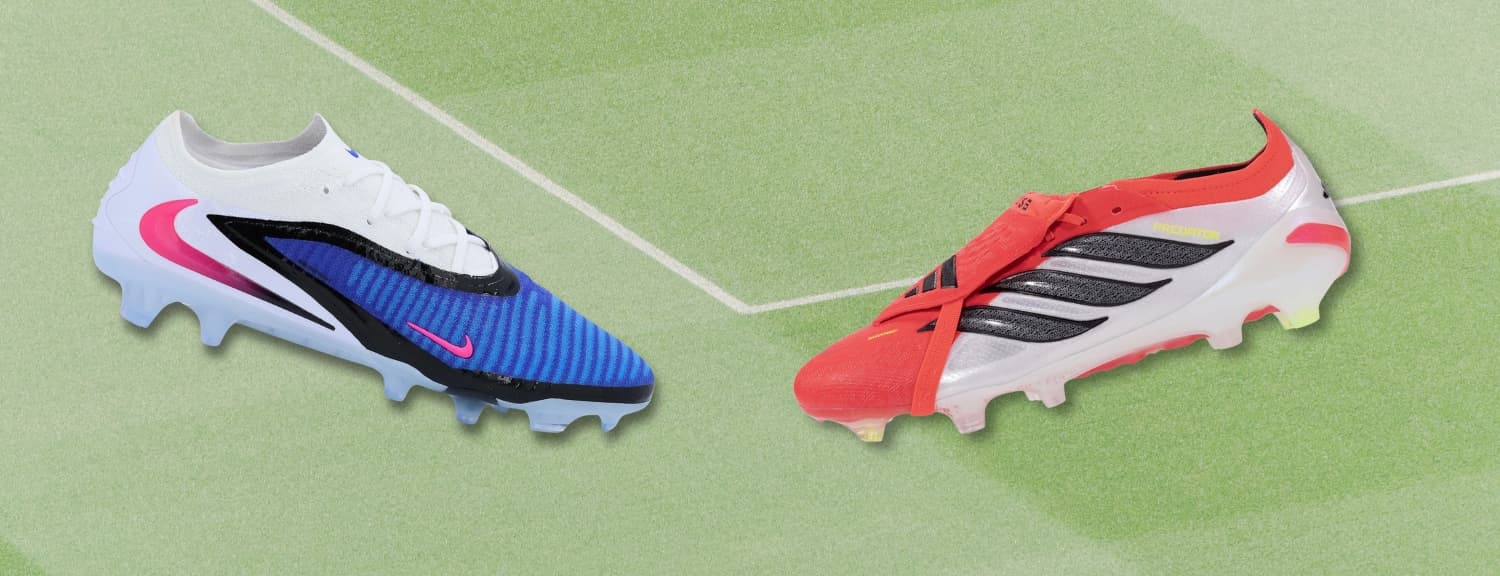
Comparing Performance: Key Metrics
For a clearer picture, here’s a direct comparison of performance metrics (based on field tests and player feedback):
| Metric | Adidas Predator | Nike Phantom |
|---|---|---|
| First Touch | Excellent | Good |
| Passing Accuracy | Superior | Very Good |
| Shooting Power | High | Moderate |
| Comfort | Excellent | Good |
| Durability | High | Moderate |
Common Mistakes When Choosing Between Predator And Phantom
It’s easy to get caught up in marketing or what your favorite player wears. But making the right choice depends on your playing style, foot shape, and even your training surface. Here are mistakes to avoid:
- Ignoring fit: Predator suits wider feet and players needing more support. Phantom is better for narrow feet and those who value lightweight boots.
- Overlooking position: Predators are best for midfielders and defenders who need control. Phantoms are great for wingers and quick attackers.
- Not trying before buying: Always try boots in person if possible, as sizing can differ between brands.
- Skipping break-in: Even the best boots need a few training sessions to mold to your foot.
User Reviews And Expert Opinions
Thousands of amateur and pro players have reviewed both boots. On major retail sites, Predator often scores higher for comfort, durability, and ball control. For example, on Soccer.com, the Predator 20+ averages 4.7 out of 5 stars from over 600 reviews, while Phantom GT averages 4.3 stars. Many reviewers specifically mention the Predator’s grip and comfort as key reasons for their preference.
Expert reviewers, such as those at Footy Headlines and SoccerBible, also praise Predator’s innovation and reliability. They note that while Phantom is a great boot, it’s often “outclassed” by the Predator in terms of all-around performance.
If you want to read more about the technology behind both boots, check out the official Adidas Predator blog.
Frequently Asked Questions
Why Do Midfielders Prefer Adidas Predator Over Nike Phantom?
Midfielders need boots that help with passing, control, and stability. Predator’s Demonskin and Controlframe give better grip and support, making it easier to control the game from the center of the pitch.
Is The Adidas Predator Suitable For Wide Feet?
Yes, recent Predator models use a Primeknit upper that adapts to different foot shapes. This makes them more comfortable for players with wide feet compared to the narrower Nike Phantom.
Do Adidas Predators Last Longer Than Nike Phantoms?
In most cases, yes. Predator uses tougher materials and reinforced stitching, leading to longer life. Many users report getting two full seasons from a pair, while Phantom sometimes wears out faster, especially the lacing system.
Can I Use Custom Insoles With Adidas Predator?
Absolutely. The Predator’s insole is easy to remove and replace with custom orthotics. This is important for players with special foot needs or those seeking extra comfort.
Which Is Better For Wet Conditions, Predator Or Phantom?
Predator performs better in wet weather thanks to its Demonskin texture, which helps grip the ball and channels water away. Phantom’s flat surface can get slippery, making touch and control harder in rain.
The debate between Adidas Predator and Nike Phantom will always be lively, but the facts are clear. Predator’s legacy, ball control, comfort, durability, and real-world performance give it a clear edge for many players. While Phantom is a strong choice for certain positions and foot shapes, Predator’s all-around excellence makes it the favorite for those who want to control the game.
Choose wisely, and let your boots do the talking on the pitch.