Improve baseball pitching by building repeatable mechanics, training accuracy, strengthening your body, practicing game situations, and protecting your arm with proper recovery.
Deal
Today's Exclusive Deals
Limited-time Exclusive Deals. Check current discount on Amazon.
Across youth leagues, high school fields, college programs, and professional baseball in the United States, pitchers improve most when they focus on control, movement quality, and repeatable habits rather than only trying to throw harder. A strong pitcher can repeat the same delivery many times while keeping balance, timing, and command.
The path to better pitching starts with understanding how the body creates force and transfers it into the baseball. Pitchers need a consistent stance, efficient leg drive, proper arm action, and a follow-through that allows the body to slow down safely. Small mechanical improvements can help a pitcher become more accurate and efficient.
This guide explains how to improve baseball pitching through practical training steps. It covers pitching mechanics, drills, velocity development, accuracy work, common mistakes, and safety limits. The goal is to help players understand what they can practice and when they may need qualified coaching or medical support.
Source: storage.googleapis.com
Build A Strong Pitching Foundation With Proper Mechanics
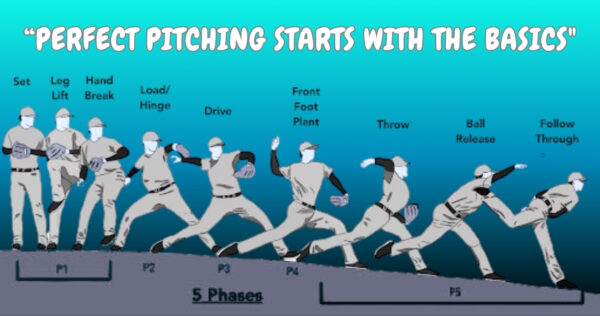
The first step in learning how to improve baseball pitching is creating a repeatable delivery. Mechanics are the movements that allow a pitcher to use the legs, hips, core, shoulder, and arm in the correct order. When the sequence is efficient, the pitcher can generate force without relying only on the arm.
A quality pitching motion begins with balance from the set position. The pitcher should stay controlled during the leg lift, move toward the plate with purpose, and maintain posture through the delivery. Losing balance often causes inconsistent release points and missed locations.
The throwing motion should also include good separation between the lower body and upper body. The legs and hips begin creating movement before the arm accelerates. This timing helps reduce unnecessary stress on the throwing arm.
A controlled delivery helps pitchers repeat their motion and find the strike zone more consistently.
Use The Lower Body
Leg drive and hip movement help create power while reducing the need to force every throw with the shoulder and elbow.
Finish The Motion
A complete follow-through allows the body to slow down naturally after the pitch.
Practice The Same Delivery Repeatedly
Pitchers improve when practice focuses on quality repetitions. Throwing many pitches with poor mechanics can reinforce mistakes. Instead, each repetition should have a clear goal, such as hitting a target or maintaining balance.
Video can help players compare their movement patterns over time. However, video review should be used as a learning tool rather than a replacement for qualified coaching.
Review Key Positions
Check balance, stride direction, arm position, and finish during practice sessions.
Improve Pitching Accuracy With Targeted Practice
Accuracy improves when pitchers practice throwing to specific locations instead of simply throwing hard. A pitcher who can place fastballs and breaking pitches in useful areas has more control over at-bats.
Effective accuracy practice uses targets. Pitchers can work on hitting the corners of the strike zone, changing eye levels, and repeating their release point. The goal is to connect each throw with a purpose.
Pitch location also depends on count, hitter tendencies, and game situations. A pitcher should learn why a pitch is being thrown, not only where it is thrown.
Source: boacustom.com
Use A Target
A visual target gives each pitch a clear destination and improves focus during practice.
Track Results
Recording missed locations can reveal patterns that need correction.
Practice Game Situations
Simulated counts and hitter scenarios help transfer practice skills into competition.
Develop A Reliable Release Point
The release point is where the baseball leaves the hand. Small changes in release height or timing can change where the pitch travels. Repeating the same release point helps improve command.
Simple drills, including controlled catch play and focused bullpen sessions, can help pitchers feel consistent timing before increasing effort.
Stay Controlled
Accuracy often improves when pitchers avoid rushing their delivery.
Use Pitching Drills To Develop Better Skills
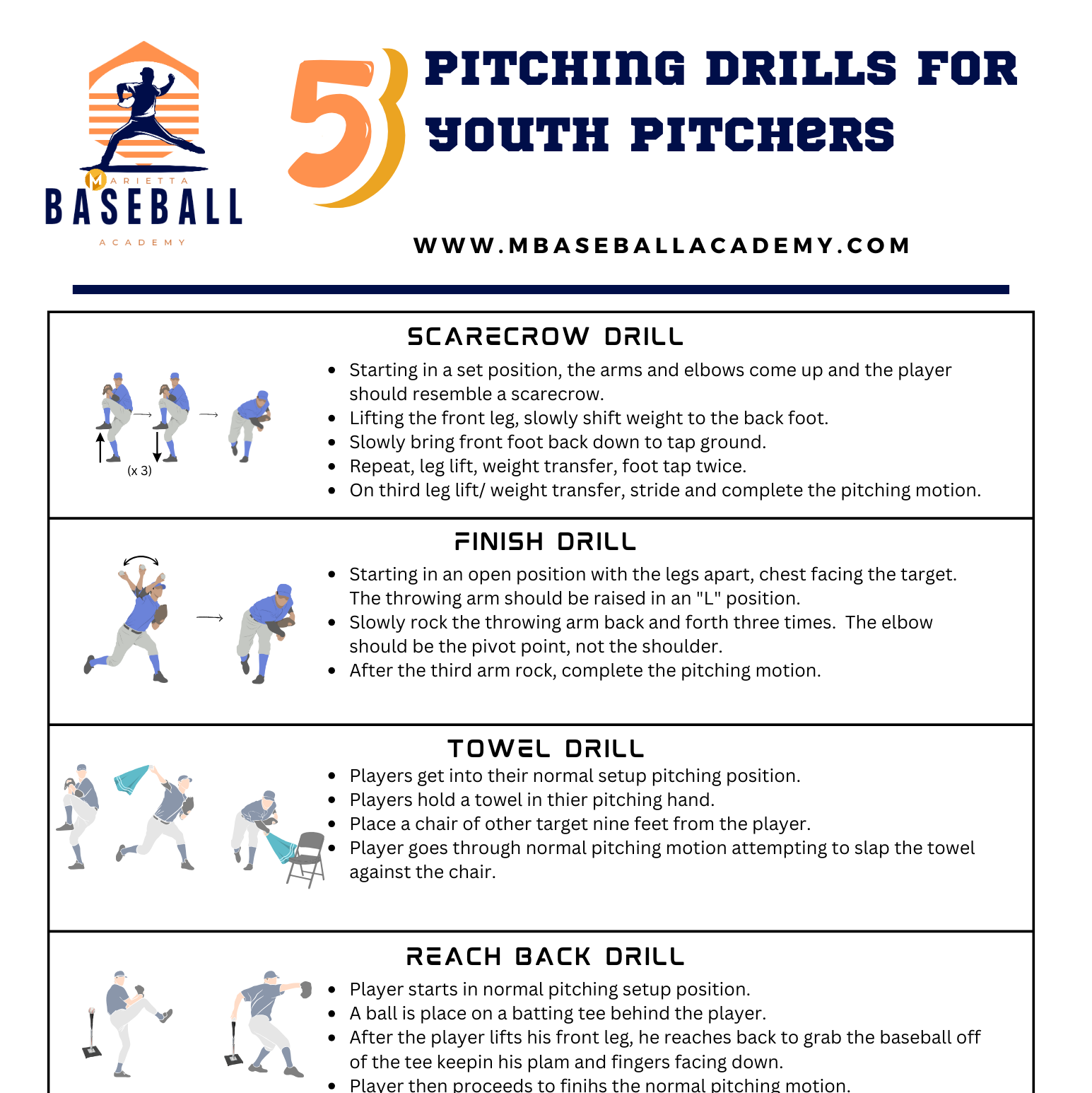
Pitching drills are useful because they isolate specific parts of the delivery. A good drill does not replace full pitching practice, but it can help a player improve one area before combining everything together.
The best drills match the player’s current need. A pitcher struggling with balance may need a balance drill. A pitcher missing the strike zone may need target work. A pitcher developing confidence may benefit from controlled repetitions.
Source: storage.googleapis.com
Balance Drill
Helps pitchers maintain control during the beginning of the delivery.
Stride Drill
Helps improve direction and lower-body movement toward the plate.
Target Drill
Builds accuracy by requiring pitchers to throw toward specific locations.
Create A Structured Practice Plan
A useful pitching session may include warm-up throws, mechanical drills, focused pitching, and recovery work. The exact workload depends on age, experience, competition schedule, and coaching guidance.
Players should avoid increasing throwing volume suddenly. Gradual progression gives the body time to adapt.
Quality Over Quantity
Purposeful repetitions are usually more valuable than throwing without a clear goal.
Increase Pitching Velocity Safely
Many pitchers want more velocity, but throwing harder should come from better movement and physical development rather than forcing the arm to work beyond its limits. Speed is influenced by mechanics, strength, mobility, coordination, and training history.
Strength training can support athletic development when performed with appropriate instruction. A balanced program may include lower-body strength, core control, mobility work, and exercises that support overall athletic movement.
Velocity improvement takes time. Players should be cautious of programs that promise dramatic increases quickly without considering age, health, or throwing history.
Source: mbaseballacademy.com
Improve Efficiency First
Better sequencing can help pitchers use existing strength more effectively.
Strong movement skills support pitching performance.
Respect Recovery
Rest allows the body to adapt after training.
Know When To Reduce Throwing
Pain, unusual fatigue, or changes in throwing ability should not be ignored. Continuing to throw through arm problems can increase risk. Players with persistent symptoms should seek evaluation from a qualified healthcare professional.
Monitor Warning Signs
Changes in comfort, control, or normal performance may require attention.
Avoid Common Pitching Mistakes And Improve Faster
Many pitching problems come from habits that develop over time. Identifying the cause of a problem is more useful than simply throwing more pitches. A smart improvement plan connects the mistake with the correct solution.
Pitchers should also develop the mental side of the game. Confidence comes from preparation, understanding situations, and trusting practiced skills.
Source: www.youtube.com > Coach Dan Blewett
Throwing Too Hard Too Often
Maximum effort on every throw can reduce control and increase fatigue.
Ignoring Lower Body Mechanics
Using only the arm limits efficiency and may increase stress.
Skipping Recovery
Rest and proper preparation are part of long-term development.
Measure Improvement Correctly
Improvement is not only measured by velocity. Strike percentage, consistency, movement quality, confidence, and ability to execute pitches in games are also meaningful indicators.
A pitcher who becomes more consistent can create better results even without a major increase in throwing speed.
Track Multiple Skills
A complete view of performance helps identify real progress.
Frequently Asked Questions
Q
How long does it take to improve baseball pitching?
The timeline depends on age, experience, training quality, and consistency. Some improvements in balance and accuracy may appear quickly, while major changes in mechanics or velocity often require longer development.
Q
Should pitchers focus on accuracy or velocity first?
Most developing pitchers benefit from building repeatable mechanics and strike-zone control before focusing heavily on maximum velocity. A controlled pitcher can use speed more effectively.
Q
What are the best pitching drills for beginners?
Beginners usually benefit from drills that teach balance, direction, proper throwing motion, and basic target control. The drill should match the skill that needs improvement.
Q
How can pitchers protect their arms?
Pitchers can support arm health by following appropriate throwing progressions, allowing recovery, using proper mechanics, and seeking medical advice when pain or unusual symptoms appear.
Q
Can strength training help baseball pitchers?
Strength training can support overall athletic development when performed safely and appropriately. It should complement pitching practice rather than replace skill work.
✦ Wrapping Up
Conclusion
Learning how to improve baseball pitching requires patience, practice, and attention to details. The strongest foundation comes from repeatable mechanics, accurate throwing, smart drills, and responsible training habits.
Pitchers should focus on steady progress instead of chasing quick results. Better movement, better command, and better preparation can help players perform with more confidence on the mound.
💡 Key Takeaway
Start with one improvement area, practice it with purpose, track progress, and build your pitching skills step by step.