How to Improve Baseball Throwing: Improve your throwing by building proper mechanics, strengthening your body, practicing accurate drills, and increasing arm health through consistent training.
Deal
Today's Exclusive Deals
Limited-time Exclusive Deals. Check current discount on Amazon.
Baseball players across the United States, from Little League fields to high school diamonds and adult leagues, improve throwing by focusing on movement quality before chasing more speed. A harder throw starts with efficient use of the legs, hips, core, shoulder, and arm working together.
Good throwing is not only about arm strength. A player with smooth mechanics can often throw with better velocity and accuracy than a stronger player who relies only on the shoulder. The goal is to create repeatable movement that produces power while reducing unnecessary stress on the arm.
This guide explains the fundamentals of baseball throwing, practical drills, common mistakes, and safe ways to build a stronger and more accurate throw. It is designed for players who want to improve their throwing performance through skill development rather than quick fixes.
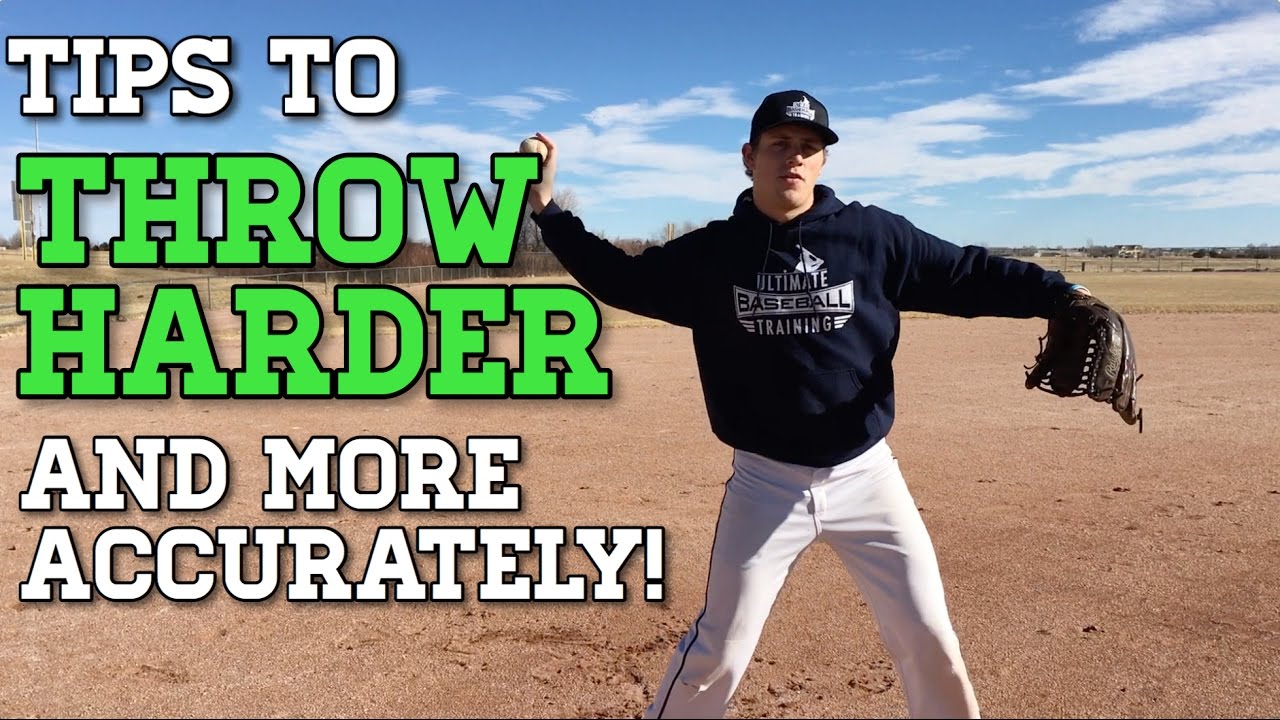
Source: i.ytimg.com
Understand The Fundamentals Of Good Baseball Throwing
The foundation of better throwing is a repeatable motion. Every strong throw begins with balance, preparation, and efficient transfer of energy. When the body works as one system, the arm does less unnecessary work.
A baseball throw uses a chain of movements. The legs create force, the hips and torso transfer that force, and the arm delivers the ball toward the target. If one part of the chain is weak or out of sequence, throwing speed and accuracy can suffer.
Start with an athletic stance that allows quick movement and controlled weight transfer.
Footwork
Good foot placement helps create direction and allows the body to move toward the target.
Arm Path
A smooth arm path helps create consistent throws without unnecessary tension.
Follow Through
Finishing the motion helps transfer energy and keeps the throw controlled.
Why Throwing Mechanics Matter
Throwing mechanics determine how efficiently a player uses available strength. Poor mechanics may cause players to depend too much on the shoulder and elbow, which can reduce performance and increase fatigue.
Players should first build a consistent throwing pattern at a comfortable speed. Once movement becomes reliable, they can gradually increase intensity.
Practice quality before speed
A controlled accurate throw creates a better foundation for future velocity gains.
Improve Throwing Accuracy With Consistent Practice
Accuracy improves when players train their ability to repeat the same movement. A strong throw that misses the target does not help a team, so control should be trained along with power.
Players can improve accuracy by starting with short distances and gradually increasing the challenge. The focus should remain on hitting a target with a consistent release point.
Source: sp-ao.shortpixel.ai
Partner Target Drill
Throw to a partner while focusing on hitting the same target area each time.
One Knee Throwing Drill
Use this drill to isolate upper-body mechanics and improve arm path control.
Distance Progression
Increase throwing distance slowly while maintaining proper technique.
How To Build A Reliable Release Point
A consistent release point helps the ball travel on the intended path. Players should avoid changing their arm slot or rushing the motion when they increase effort.
Video review can help players identify differences between successful throws and inaccurate throws. Small adjustments often create noticeable improvements.
Use repetition
Frequent quality repetitions help the body learn consistent movement.
Increase Throwing Power Through Full Body Training
Throwing velocity comes from the entire body, not just the throwing arm. Strong legs, a stable core, and mobile shoulders allow players to generate and transfer force more effectively.
Strength training should support baseball movements. Players do not need to chase maximum strength alone; they need strength that improves control, speed, and durability.
Exercises such as squats and lunges can help develop the leg strength needed for force production.
Core Stability
A strong core helps transfer energy between the lower and upper body.
Shoulder Health
Mobility and strengthening exercises help support the muscles involved in throwing.
Exercises That Support Better Throwing
Useful training movements include rotational exercises, resistance band work, medicine ball drills, and controlled strength exercises. The purpose is to improve movement quality, not simply build larger muscles.
Players should adjust training based on age, experience, and physical condition. Younger athletes especially benefit from learning proper movement before adding heavy resistance.
Medicine ball rotational throws
These drills can help athletes practice explosive hip and core movement.
Resistance band exercises
Bands can support shoulder mobility and controlled strengthening.
Use Throwing Drills To Build Better Technique
Throwing drills help players isolate specific parts of the motion. Instead of repeating mistakes during normal throwing, drills allow focused practice on one skill at a time.
A good throwing routine usually moves from simple movements to more intense throws. Players should warm up before high-effort throwing and stop when fatigue changes their mechanics.
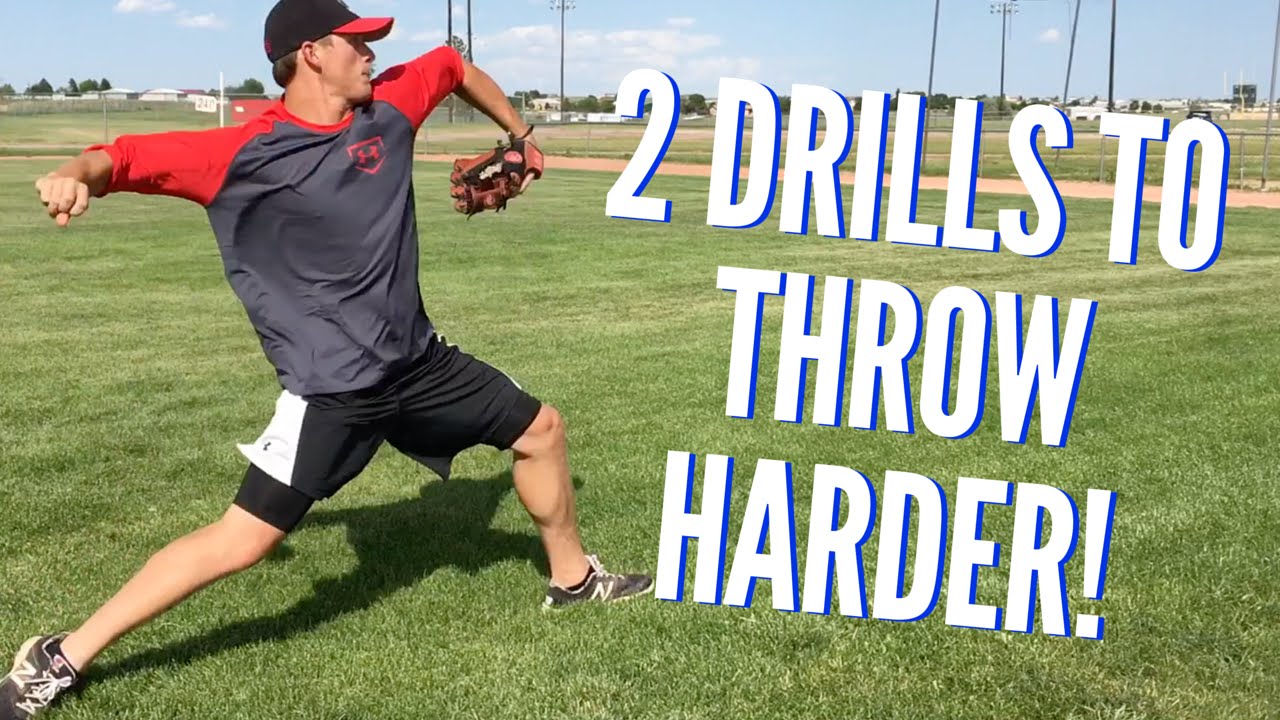
Source: i.ytimg.com
Crow Hop Drill
This drill teaches players how to create momentum and use their lower body.
Long Toss Practice
Long toss can help players work on arm strength and throwing confidence when performed appropriately.
Quick Release Drill
This improves throwing speed during game situations where fast decisions matter.
Signs A Drill Is Working
Successful training usually feels smoother rather than simply harder. Players may notice better accuracy, less wasted movement, and more confidence when making throws.
Progress should be measured over time. One strong practice session does not define improvement, but consistent quality work usually produces better results.
Better consistency
Throws reach the target more often with similar mechanics.
Avoid Common Baseball Throwing Mistakes
Many throwing problems come from rushing development. Players often try to throw harder before they have built a reliable motion, which can limit improvement.
Recognizing mistakes early helps players make safer and more effective adjustments.
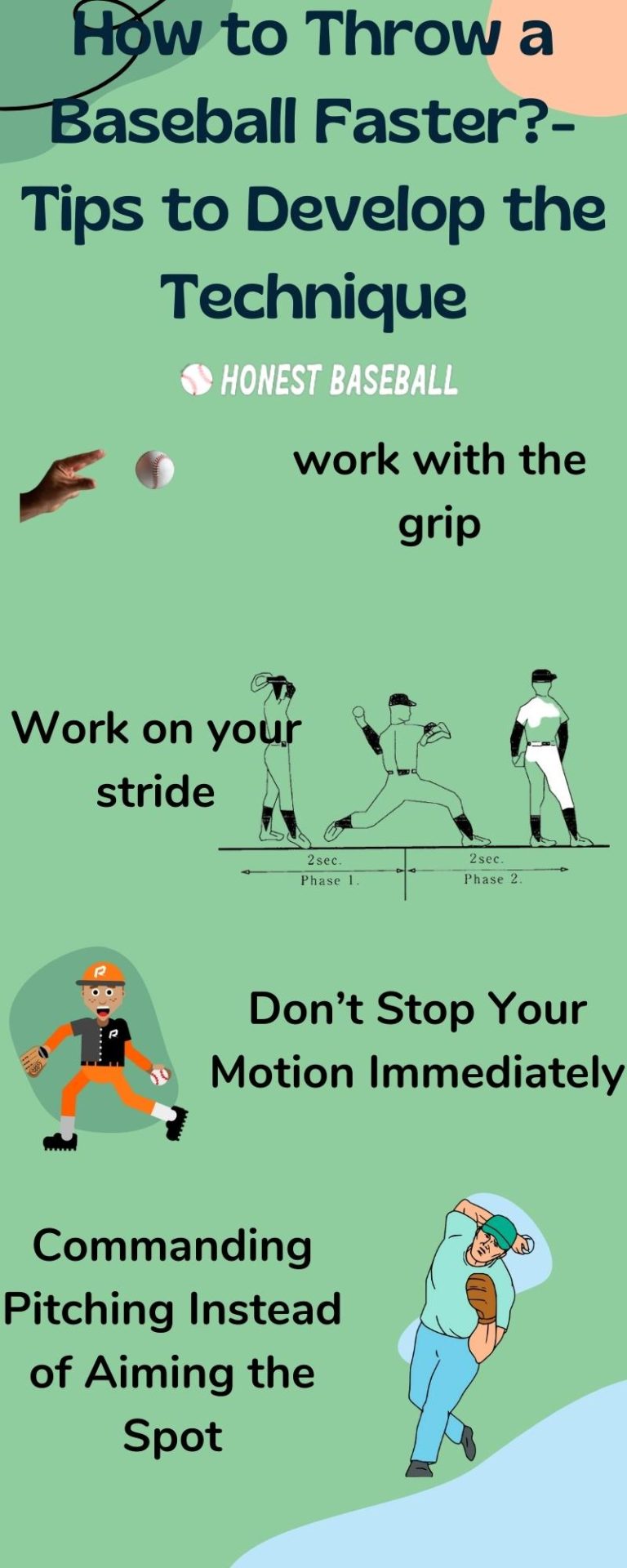
Source: i.pinimg.com
Using only the arm
Relying only on the shoulder reduces power and may increase stress on the arm.
Ignoring warmups
Cold muscles are not prepared for high-intensity throwing.
Training through pain
Pain during throwing should not be treated as normal progress.
Players should reduce throwing intensity when they notice unusual soreness, declining accuracy, changes in mechanics, or discomfort in the shoulder or elbow.
Persistent pain should be evaluated by a qualified healthcare professional. Early attention can help prevent a small issue from becoming a larger problem.
Listen to warning signs
Changes in movement or pain are signals to adjust training.
Frequently Asked Questions
Q
How long does it take to improve baseball throwing?
Improvement depends on age, skill level, training consistency, and current mechanics. Many players notice better control within weeks, while major changes in strength and velocity usually require longer consistent practice.
Q
Does throwing harder always mean better throwing?
No. A harder throw is only useful when it is accurate and controlled. Players should build mechanics and consistency before focusing only on velocity.
Q
What muscles help baseball players throw farther?
Throwing uses many muscles, including the legs, hips, core, shoulder, and upper back. Efficient coordination between these areas helps create stronger throws.
Q
How often should baseball players practice throwing?
Throwing frequency depends on the player’s age, position, schedule, and training plan. Players should balance practice with recovery and avoid excessive throwing when fatigued.
Q
Can young players safely increase throwing speed?
Young players should focus on mechanics, movement skills, and gradual development. Increasing effort too quickly can create unnecessary stress on growing bodies.
✦ Wrapping Up
Conclusion
Improving baseball throwing requires a combination of technique, strength, accuracy practice, and smart recovery. Players who build a repeatable motion usually develop better control and more efficient power over time.
The best throwing program is not the one that creates the fastest change. It is the one that helps a player improve consistently while protecting the arm and building confidence.
💡 Key Takeaway
Start with proper mechanics, practice accurate throws, strengthen your whole body, and increase throwing intensity gradually for steady improvement.