How to Improve Golf Putting starts with a consistent setup, better distance control, a smooth stroke, and focused practice that builds reliable green-reading and confidence.
Deal
Today's Exclusive Deals
Limited-time Exclusive Deals. Check current discount on Amazon.
For golfers across the United States, putting often decides whether a good round becomes a great one. From public courses in Florida to championship layouts in California, players of every skill level face the same challenge: controlling a small ball with precision on changing greens. Improving putting does not require a complete swing rebuild. It requires better habits, clear practice goals, and an understanding of how the putter moves.
Putting is a skill based on control rather than power. The best improvements usually come from building a repeatable stance, matching the length of the stroke to the distance, improving speed control, and learning how to read the green. A golfer who develops these areas can reduce missed short putts, improve lag putting, and gain more confidence under pressure.
This guide explains practical ways to improve golf putting using established practice methods. It focuses on techniques that golfers can apply on a practice green or during normal rounds without relying on expensive equipment or unsupported performance claims.
Source: i.pinimg.com
Build A Consistent Putting Setup
A consistent setup is the foundation of better putting because the putter needs a reliable starting position. Small changes in posture, eye position, grip pressure, or ball placement can change the path of the putter face and affect where the ball starts rolling.
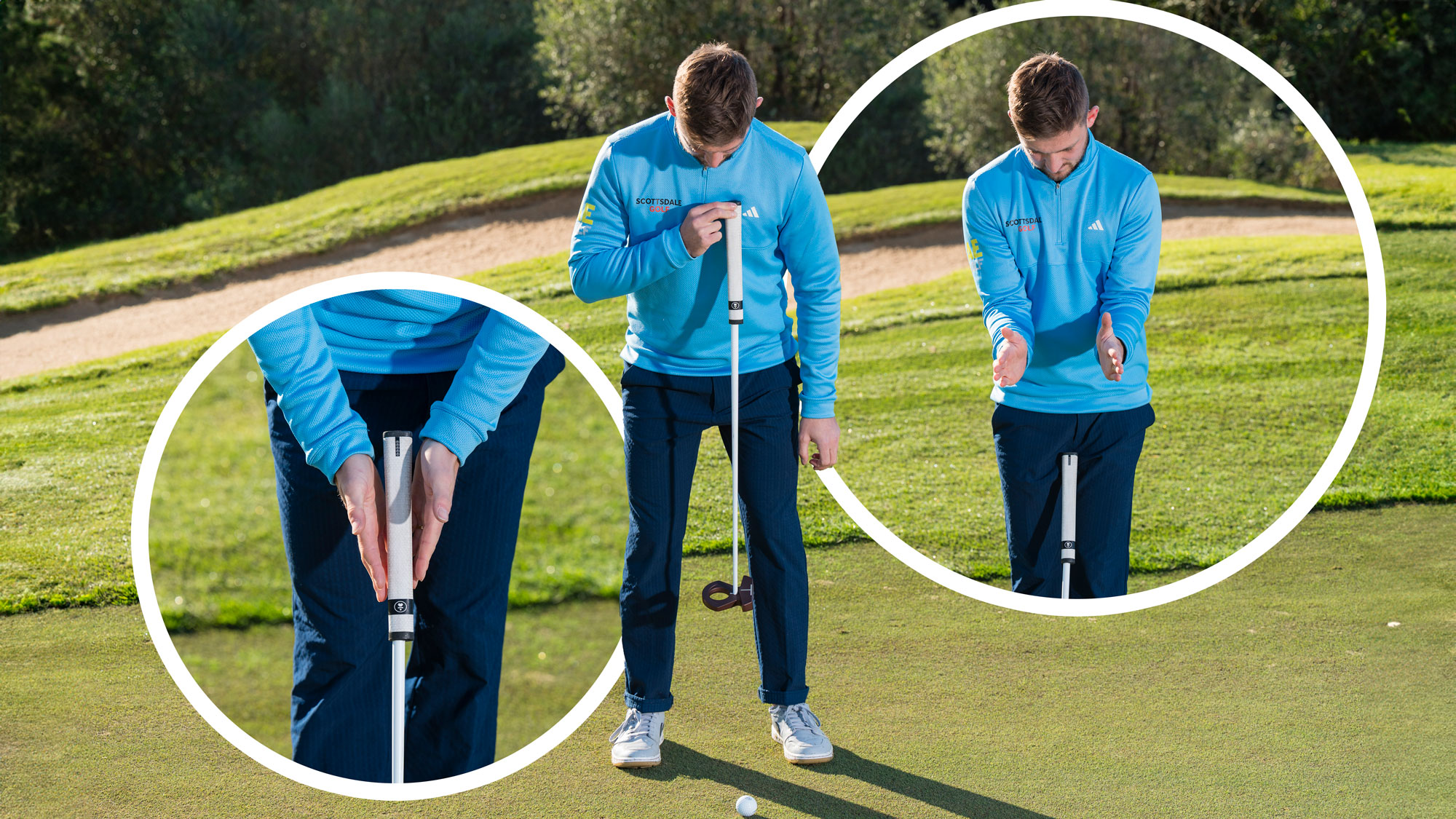
Start by standing comfortably with your feet about shoulder width apart. Bend from the hips, allow your arms to hang naturally, and keep your eyes positioned so you can see the intended line clearly. The exact stance can vary between players, but repeating the same routine helps remove unnecessary movement.
Grip pressure should be light enough to allow a smooth motion but firm enough to keep control. Many golfers make putting harder by gripping too tightly, which can create tension in the hands and arms.
Source: cdn.mos.cms.futurecdn.net
Check ball position
Many golfers place the ball slightly forward in their stance so the putter contacts the ball near the bottom of the stroke arc. The best position depends on the player’s stroke and should be repeated consistently.
Create a routine
Use the same steps before each putt, such as reading the line, setting the putter, and taking practice strokes. A routine helps reduce rushed decisions.
Avoid excess tension
Relaxed shoulders and hands allow the putter to move more freely and can improve control.
Good posture helps the golfer control the direction of the stroke. If the body position changes from putt to putt, the swing path may also change. A stable posture creates a better starting point for practice and competition.
Stable foundation
A balanced stance makes it easier to keep the lower body quiet during the putting motion.
Improve Distance Control Before Chasing Accuracy
Distance control is one of the most important parts of putting because a putt with the correct speed has a better chance of finishing near the hole even when the line is not perfect. Many golfers focus only on direction while ignoring the pace of the ball.
Developing touch comes from learning how far the ball travels with different stroke lengths. Instead of trying to hit every putt harder or softer with your hands, create a smooth motion where the length of the backswing and follow-through changes naturally for different distances.
Practice long putts by choosing targets at different distances. The goal is not always to make the putt. The goal is to leave the ball close enough for an easy next shot.
Source: golfplayerhub.com
Use distance drills
Place several balls at different distances from the hole and focus on stopping each ball near the target area.
Control speed first
A controlled roll often produces better results than forcing the ball toward the hole.
Practice uphill and downhill putts
Changing slopes teaches how speed changes when gravity affects the roll.
A Simple Distance Control Practice Method
Choose a target zone around a hole instead of only trying to make putts. Hit several balls and observe whether they finish short, long, or close. Adjust the stroke length rather than making sudden changes during the motion.
Measure progress by consistency
Better distance control means more predictable results, not making every practice putt.
Practice Putting Drills That Build Real Improvement
Effective putting practice has a purpose. Many golfers spend time hitting random putts without tracking a goal, which makes it harder to identify weaknesses. A better practice session focuses on one skill at a time.
Short putts, breaking putts, and distance putts each require different skills. A balanced practice plan should include all three because improvement in one area does not automatically fix another.
Practice does not need to take hours. A focused 20 to 30 minute session can be useful when each drill has a clear purpose and the golfer pays attention to results.
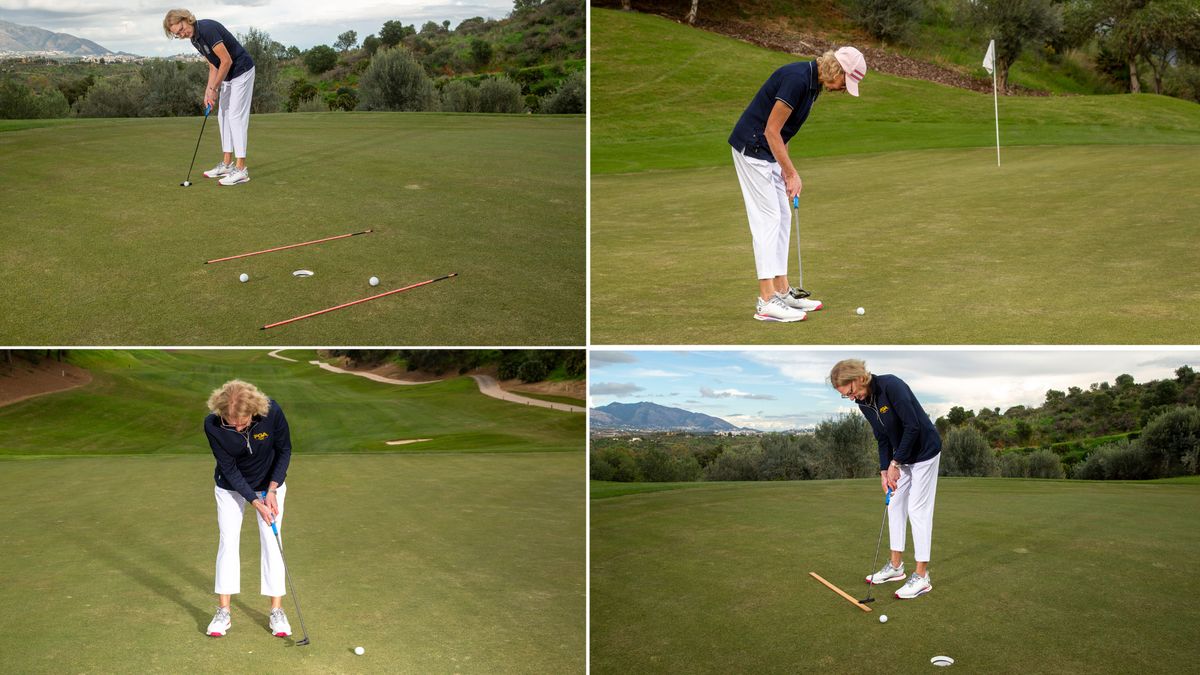
Place objects or alignment aids near the ball path to encourage a square start line and better face control.
Clock drill
Practice short putts from different angles around the hole to improve confidence inside scoring range.
Lag putting drill
Practice leaving long putts within a comfortable distance of the hole instead of always attacking the cup.
How Often Should You Practice Putting
The ideal practice frequency depends on available time, playing goals, and current skill level. Regular shorter sessions often help build habits better than occasional long sessions without structure.
Practice with purpose
Every session should target a skill such as alignment, speed, or stroke control.
Learn Better Green Reading And Alignment
Green reading is the process of understanding how slope, grain, speed, and conditions influence the path of the ball. Even a perfect stroke will miss if the chosen line does not match the green.
Before putting, look at the area around the hole from different angles. Notice whether the surface rises, falls, or moves sideways. Consider how much break the ball needs and choose a clear target line.
Alignment tools can help during practice, but golfers should also learn to trust their visual judgment. The goal is to develop a repeatable process that works during real rounds.
Source: cdn.mos.cms.futurecdn.net
Read from multiple angles
Viewing a putt from behind the ball and near the hole can reveal slopes that are difficult to see from one position.
Pick a target point
Choose a spot on the intended path rather than only staring at the hole.
Match speed to break
Faster putts usually break less, while slower putts can move more with the slope.
Common Alignment Problems
A golfer may aim incorrectly because the eyes, shoulders, and putter face are not pointing in the same direction. Regular practice with a clear reference line can help identify these issues.
Check starting direction
Notice whether the ball begins where you intended before making changes to the stroke.
Fix Common Putting Mistakes And Build Confidence
Most putting problems come from a small number of repeat issues. Identifying the cause is more useful than simply practicing more. A golfer should look at the pattern of misses and adjust the correct part of the process.
Missing short putts may come from poor alignment, inconsistent contact, or unnecessary movement. Long putts that finish far away from the hole often indicate a need for better speed control.
Confidence improves when practice creates reliable expectations. The goal is not to remove every miss but to make the putting process more predictable.
Source: girlydaily.com
Avoid looking up too early
Moving the head before impact can affect consistency. Practice keeping your eyes steady through the stroke.
Do not change technique after every miss
One missed putt does not always mean the method is wrong. Look for repeated patterns.
Track your results
Recording common misses can help identify whether the main issue is speed, alignment, or stroke.
When Equipment Changes May Help
A different putter or training aid may help some golfers, but equipment changes should support a clear need. A new product cannot replace practice, setup consistency, or skill development.
Evaluate before buying
Understand what problem the equipment is meant to solve before making a change.
Frequently Asked Questions
Q
How long does it take to improve golf putting?
Improvement time depends on current ability, practice quality, and consistency. Many golfers notice better control when they practice regularly with specific goals rather than simply hitting more putts.
Q
What is the most important putting skill to learn first?
A consistent setup and reliable distance control are usually the best starting points. They create a foundation for better accuracy and confidence.
Q
How can beginners improve putting accuracy?
Beginners should focus on alignment, a repeatable routine, and controlling speed. Making every putt is unrealistic, but leaving more putts close can quickly improve scores.
Q
Should I practice short putts or long putts more?
Both are important. Short putts build confidence and scoring ability, while long putts develop distance control that prevents difficult second putts.
Q
Can putting drills improve my golf score?
Yes, focused drills can improve skills that directly affect putting performance. The benefit comes from practicing the correct movement and decision-making process.
✦ Wrapping Up
Conclusion
Improving golf putting is a process of building control, consistency, and confidence. The most effective approach combines a repeatable setup, better speed control, thoughtful green reading, and focused practice.
Golfers do not need to make dramatic changes to see progress. Small improvements in routine and technique can lead to fewer three-putts, better short putts, and more confidence on the green.
💡 Key Takeaway
Start with one putting skill this week, practice it with a clear goal, and measure progress by consistency rather than perfection.