
Learning how to avoid common strength training mistakes is the most effective way to ensure your efforts in the gym translate into real, sustainable progress. Many lifters inadvertently stall their results by prioritizing heavy weights over proper mechanics and recovery.
As of 2026, research from the National Strength and Conditioning Association confirms that consistent, technically sound movement patterns remain the primary driver of long-term muscle adaptation. By refining your approach now, you can protect your joints and maximize your time under tension.

Today's Exclusive Deals
Limited-time Exclusive Deals. Check current discount on Amazon.
Check Price on Amazon As an Amazon Associate I earn from qualifying purchases.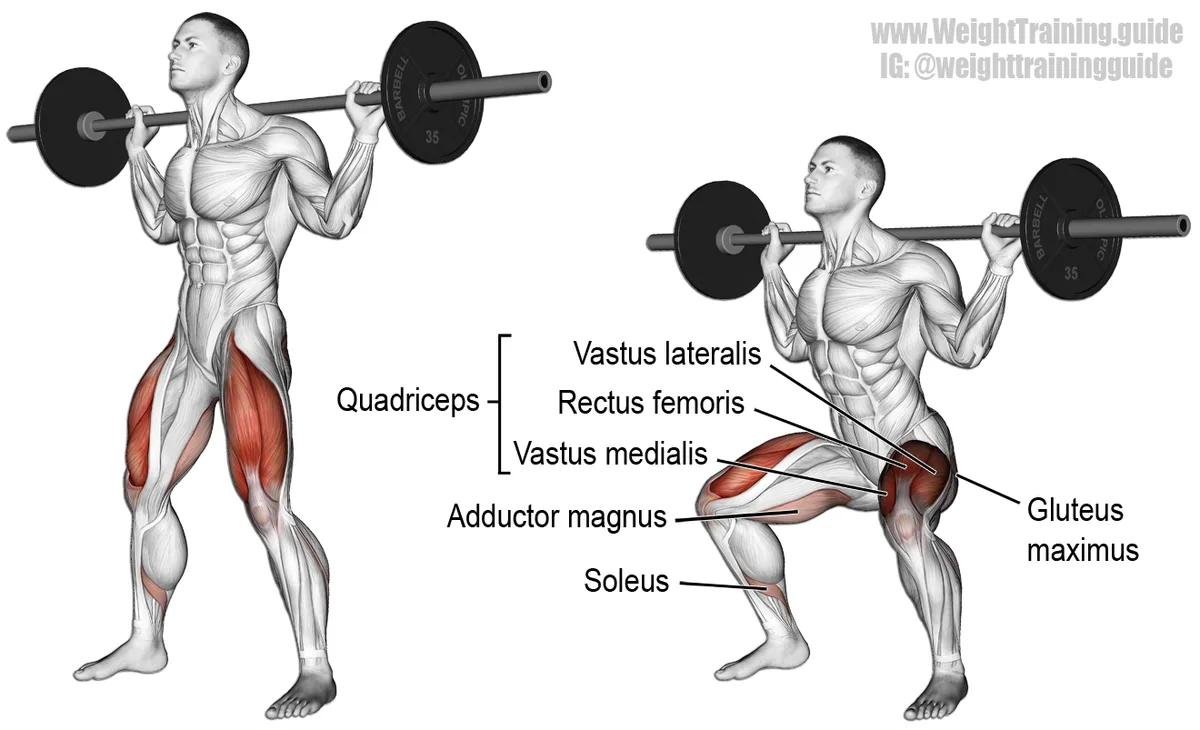
Quick Answer
Avoiding strength training mistakes requires prioritizing form over the amount of weight. Master movement patterns before increasing resistance to prevent acute injury. Track your progress with a logbook to ensure steady, safe overload.
Allow adequate recovery time between sessions to support muscle growth. Focus on quality repetitions rather than chasing ego-driven personal records.
The Anatomy of a Bad Workout: Recognizing Risk and Inefficiency
A bad workout often hides behind the guise of intense effort. When you prioritize fatigue over function, you enter the territory of junk volume. This is when your muscles are tired but your movement quality is poor.
The most common sign of an inefficient workout is technical breakdown. This occurs when your body begins to compensate for tired primary movers by involving secondary, unintended muscle groups.
| Sign of Inefficiency | Underlying Cause | Corrective Action |
|---|---|---|
| Joint pain during sets | Poor range of motion | Adjust stance or grip width |
| Bouncing the weight | Lack of eccentric control | Slow down the lowering phase |
| Inconsistent bar path | Weak core engagement | Tighten core before starting |
You can find gear designed for full body workouts that helps maintain stability during these complex patterns. If you find your focus wandering, you are likely pushing past your current capacity for safe, deliberate loading.
Why Accuracy in Training Fundamentals Keeps You Injury-Free
Training longevity depends on your ability to perform exercises within your specific biomechanical limits. Every individual has unique hip, shoulder, and spinal architecture that influences how a barbell, or high-quality strength training kit, should sit on their body.
Trying to force your anatomy into a textbook posture that does not fit your frame is a recipe for joint impingement. Instead, look for positions that feel stable and allow you to move the weight through a full, pain-free range of motion.
The American College of Sports Medicine emphasizes that individualized programming is the gold standard for reducing injury rates. When you prioritize accuracy over volume, you reduce the stress placed on your tendons and ligaments.
Essential Risk Factors: Identifying Your Personal Red Zones
Everyone has red zones, which are specific exercises or ranges of motion that trigger discomfort or form failure. Common triggers include deep squats, overhead presses, or heavy deadlifts performed with a rounded back.
Recognizing Form Collapse
Your body will usually signal form collapse before it leads to injury. Watch for these red flags:
- The Shift: Notice if your weight drifts to one side as you push the bar up.
- The Reset: If you have to take a breath midway through a single repetition, you have likely exceeded your current limit.
- The Grind: A rep that moves significantly slower than the one before it is often a sign of mechanical failure.
If you are just starting, beginner-friendly gear can provide a safer learning environment. It allows you to experiment with patterns without the risk associated with extreme loads.
The Hierarchy of Safe Training: Mastering Movement over Metrics
Before you worry about your one-rep max, you must master the fundamental movement patterns. This hierarchy starts with stability, moves to control, and ends with load.
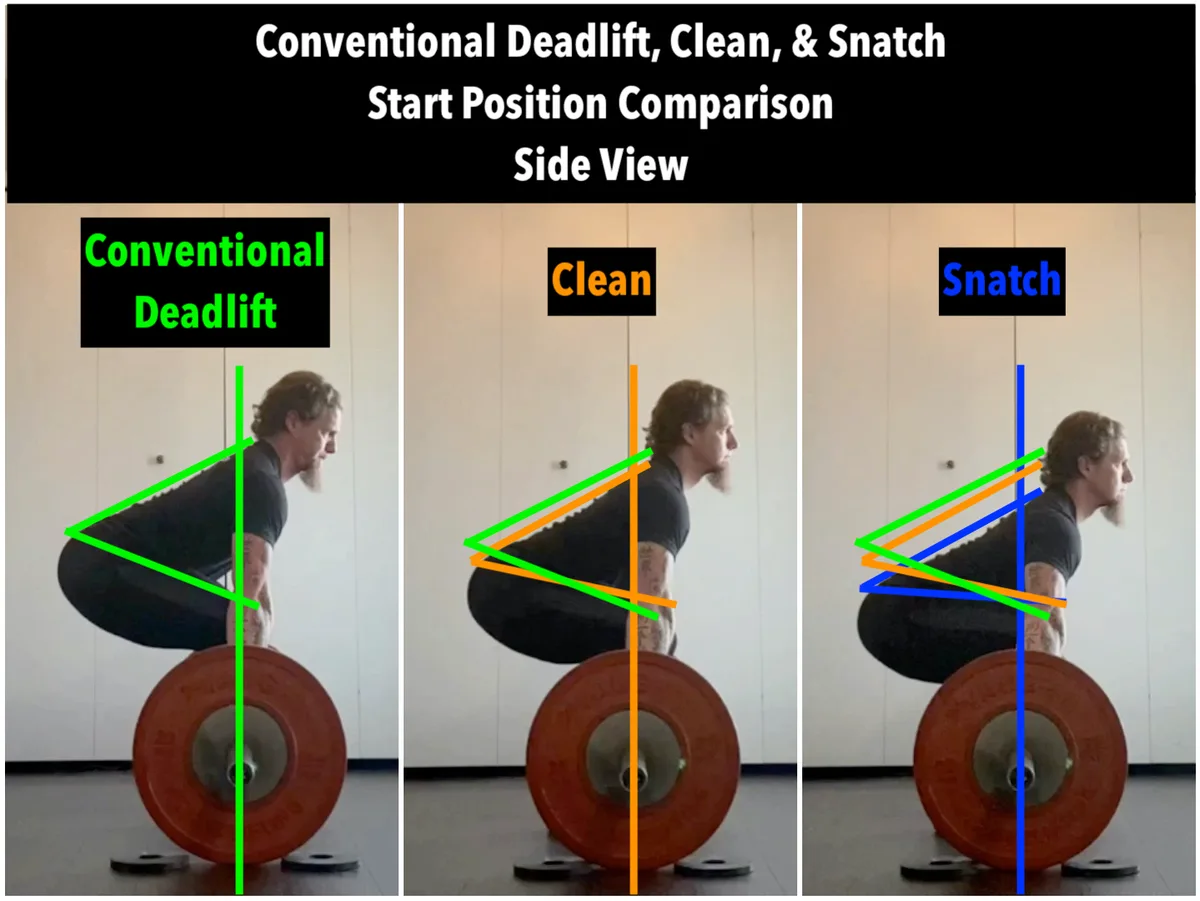
If you cannot maintain a neutral spine during a basic squat, you have no business adding weight until that pattern is fixed. Tools like compact setups for limited areas make it easier to practice these patterns in a controlled environment.
The Progression Sequence
- Bodyweight Mastery: Perform 15 clean, controlled reps of the movement.
- Tempo Control: Add a 3-second descent phase to the movement with light weight.
- Consistent Loading: Increase weight by the smallest increment available while keeping speed constant.
Don't be afraid to utilize entry-level barbell packages to build your foundation. The goal is to train your nervous system to execute the pattern perfectly every single time, regardless of the load on the bar.
Evidence-Based Strategies for Sustainable Progress
Sustainable progress is built on the principle of progressive overload, but it must be applied in manageable steps. Jumping 20 pounds on a lift because you feel good is a common mistake that leads to plateaus and overuse injuries.
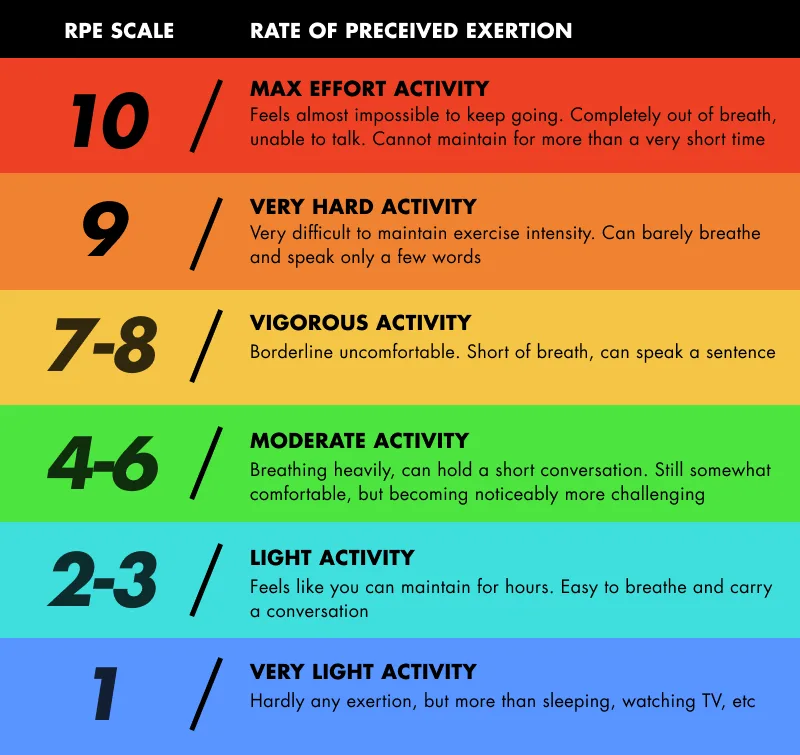
Rate of Perceived Exertion (RPE) is a valuable metric for managing intensity. An RPE 8 means you could have performed roughly two more clean reps at that weight. Staying in the RPE 7-8 range allows you to accumulate volume without frying your central nervous system.
If you are looking for specialized gear for muscle growth, remember that the intensity you feel is more important than the plate count. Tracking your RPE alongside your weight ensures you are pushing hard enough to grow, but not so hard that you cannot recover for the next session.
When to Seek Professional Guidance: Recognizing Physical Limits
You should seek expert help the moment you experience sharp, localized pain rather than general muscular fatigue. While a burning sensation is a normal response to training, stabbing or shooting pain in joints like your knees, shoulders, or lower back indicates a serious technical fault or an underlying mobility restriction.
Qualified professionals like physical therapists or certified strength coaches can perform a functional movement screening. This helps identify where your mobility is limited, such as tight hips preventing a deep squat or poor thoracic extension limiting your overhead work.
Do not wait until you are injured to ask for feedback. If you feel like you have plateaued, or if you find yourself constantly adjusting your form to avoid discomfort, that is a clear signal to get a second opinion. A single coaching session can often correct years of bad habits that hold back your potential.
Frequently Asked Questions
Is muscle soreness a sign that I trained correctly?
Soreness, often called Delayed Onset Muscle Soreness, is a common reaction to new or increased exercise. It is not, however, a reliable indicator of a successful workout. You can have a highly effective session without feeling sore the next day.
How often should I increase the weight?
Increase your resistance only when you can perform all prescribed sets and reps with perfect form. If you hit your target for two consecutive sessions, add the smallest weight increment available. This conservative approach ensures that your technique remains stable while you gradually build strength over time.
Can I train if I feel slightly fatigued?
Moderate fatigue is expected, but you should avoid training if you feel drained or have not recovered from your previous session. If your strength has noticeably dipped over two or more workouts, your body is likely telling you to take a deload week. Prioritize quality over frequency to ensure you stay in the gym for the long haul.
What should I do if a specific exercise always hurts?
Stop performing that exercise immediately and swap it for a safer, biomechanically similar alternative. For example, if back squats cause lower back pain, try a safety-bar squat or a split squat instead. There is no such thing as an essential exercise if your current anatomy cannot safely perform it.

