Knowing what to eat before strength training is the difference between crushing your workout and hitting a wall midway through your set. You need to fuel your body with the right balance of nutrients to sustain intensity and protect your muscle tissue.
As of 2026, research from the National Institutes of Health highlights that well-timed nutrition directly influences physical performance and recovery. Getting this timing down ensures you have the energy to move heavy weight without feeling sluggish.

Today's Exclusive Deals
Limited-time Exclusive Deals. Check current discount on Amazon.
Check Price on Amazon As an Amazon Associate I earn from qualifying purchases.
Quick Answer
Proper pre-workout fuel includes complex carbohydrates and moderate protein. Eat a full meal two hours before your session. Consume simple carbohydrates thirty minutes before you lift.
Avoid high-fiber or fatty foods to prevent digestive issues. Stay hydrated by drinking enough water during your pre-workout window.
Why Pre-Workout Nutrition Is Non-Negotiable for Strength
Your body relies on glycogen as the primary fuel source for intense physical activity. Strength training involves anaerobic bursts that deplete these reserves quickly. Without adequate fuel, your performance during a heavy lifting routine will suffer.
Neglecting your intake can lead to premature fatigue and muscle breakdown. When you provide the right nutrients beforehand, you support muscle protein synthesis and maintain output. It is essentially about keeping your engine running at peak capacity through every repetition.
Think of your meal as a tool for consistency. If you want a complete setup for your progress, nutrition is just as important as the iron itself. Consistency in your pre-workout routine helps you track your strength gains with better accuracy.
The Mechanics: How Your Body Uses Food During a Lift
Your body processes food into glucose, which is then stored in your muscles and liver as glycogen. During a heavy lift, your body pulls this stored energy to power muscle contractions. If your stores are low, your intensity drops fast.
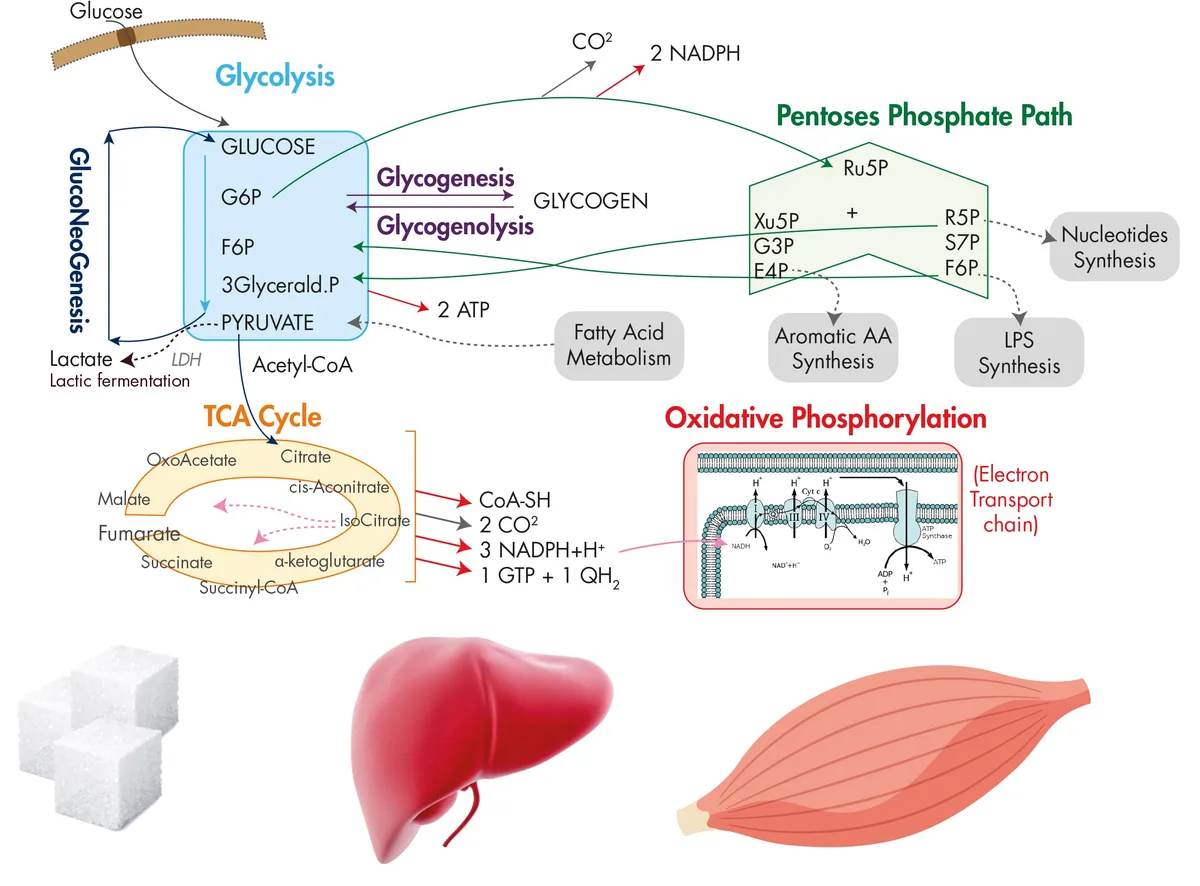
When you consume carbohydrates, your insulin levels rise, which helps shuttle nutrients into your muscle cells. Protein intake before a session ensures that amino acids are available in your bloodstream. This creates an environment that minimizes tissue damage during your workout.
If you are using a budget-friendly home setup, you might not have access to fancy supplements. That is perfectly fine. Natural whole foods provide the same biological benefits when managed correctly.
You simply need to focus on bioavailable sources that the body can process during your training session.
Strategic Fueling: The 2-3 Hour vs. 30-60 Minute Windows
Timing is just as critical as the food choice itself. A larger meal needs time to clear the stomach, while a snack should be easy to digest.
- 2 to 3 hours before: This is your primary window for a full meal. Focus on complex carbohydrates like brown rice, oatmeal, or sweet potatoes. Add a lean protein source like chicken breast or egg whites.
- 30 to 60 minutes before: Opt for simple carbohydrates that enter the bloodstream quickly. A ripe banana, a piece of white toast with honey, or a small serving of fruit works best.
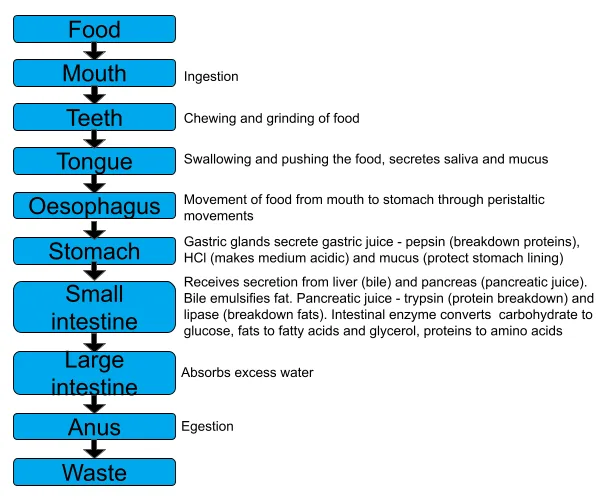
You want to avoid foods that stay in your stomach for too long. If you are preparing for a challenging Olympic lifting session, you need fuel that doesn't cause pressure during high-exertion movements. Always test your meal timing before a major effort.
Finding your personal rhythm is part of the journey to building lean muscle.
The Danger Zone: What to Avoid Before You Hit the Rack
Not every food is helpful, even if it is healthy in the long run. Some items can physically impede your performance by causing GI distress or energy crashes.
- Cruciferous Vegetables: Broccoli, cauliflower, and Brussels sprouts contain complex fibers. These take too long to digest and often cause bloating under pressure.
- High-Fat Meals: Foods like heavy cream, deep-fried snacks, or large amounts of nuts slow down digestion significantly. This leaves food sitting in your gut while you are trying to lift.
- Refined Sugar Bombs: Massive amounts of candy or soda can spike blood sugar, leading to a crash halfway through.
If you are using a compact gear layout, you might feel like you have less room to move. Bloating from heavy fiber only makes this discomfort worse. Keep your pre-training intake clean, simple, and light to maintain your focus on the bar.
Managing Risks: Bloating, Crashes, and Digestive Safety
When you lift heavy, your body creates significant internal pressure, especially during compound movements like squats or deadlifts. If your stomach is still processing a dense meal, that pressure can lead to nausea, cramping, or even a sudden halt in your session. Proper timing is your primary safety mechanism against these issues.
Monitoring your hydration is equally vital for digestive comfort. Drinking 16 to 20 ounces of water with your meal helps move nutrients through your system without causing a sloshing sensation in your gut. If you feel dehydrated, your body will struggle to move glycogen into your muscle cells efficiently.
Should you experience frequent digestive distress, evaluate your fiber intake during the four hours prior to training. According to the American College of Sports Medicine, gastrointestinal issues are common among athletes who consume high-fiber or high-fat foods too close to exertion. Shift your focus to lower-residue carbohydrates that provide energy without the bulk.
If you suspect your meals are causing issues, keep a simple log for one week. Record exactly what you ate and how you felt during your lifts. You will likely find a clear pattern that allows you to refine your approach.
Adjusting your intake is not just about avoiding discomfort, it is about ensuring your body has the stability it needs to hit new personal records safely.
Expert Pro-Tips for Fine-Tuning Your Pre-Training Protocol
The most effective way to optimize your performance is to treat your pre-training meal as a personal experiment. Everyone has a different rate of digestion, and what works for one lifter might cause lethargy for another. Use these strategies to dial in your personal needs.
- Prioritize consistency: Stick to the same pre-workout meal for a few weeks to see how your strength output trends. Changes should be made in small increments rather than overhauling your entire diet overnight.
- Leverage liquid fuel: If solid food feels too heavy, consider a liquid carbohydrate and protein blend. Liquid meals usually empty from the stomach faster than solid food, providing energy with less digestive effort.
- Listen to your body: If you feel lightheaded, you may need slightly more complex carbohydrates in that 2-hour window. If you feel sluggish, try reducing the portion size of your next pre-workout meal by 10 percent.
- Focus on sodium: A light pinch of salt in your pre-workout meal can help with muscle contractions and fluid balance. Proper sodium levels support nerve signaling and prevent the muscle cramping that often ruins a hard session.
Experimentation is the key to finding what makes you feel powerful. Once you identify the specific foods and timing that work best, stick with them. Reliable, proven fueling allows you to stop worrying about your stomach and start focusing entirely on the iron.
Maintenance and Long-Term Optimization
Optimizing your pre-training nutrition is a process of refinement that improves alongside your lifting capabilities. You should view your diet as a dynamic system rather than a fixed rule set. As your intensity increases, your carbohydrate demands will naturally evolve to match your training volume.
Regularly auditing your energy levels allows for precise adjustments. If you notice a trend of fatigue occurring during your final sets, consider increasing your carbohydrate intake by five to ten grams during your pre-workout meal. Small, iterative changes are easier to track and help identify exactly what your body needs to sustain peak performance.
Keep a basic log of your training intensity alongside your food intake to spot trends over time. When your strength plateaus, revisit your pre-training protocol as the first variable to test. Consistent, high-quality fueling is the foundation that supports long-term progress in the pursuit of total body strength.
Real Scenarios: Case Examples of Effective Fueling
Different training schedules require tailored approaches to maintain optimal energy. Consider a lifter who trains immediately after work compared to one who lifts in the morning. Their nutritional strategies must adapt to their unique daily rhythms to be effective.
The afternoon lifter often benefits from a sustained-release meal consumed two hours before leaving the office. A bowl of oats with a small portion of lean protein provides a steady supply of glucose. This keeps blood sugar levels stable throughout the transition from desk work to the weight rack.
Conversely, the morning trainee needs an immediate, fast-acting fuel source. They might opt for a piece of fruit or a small slice of toast with honey fifteen minutes before starting. This provides instant glucose for the initial sets without the need for prolonged digestion.
Choosing the right approach for your specific schedule makes your training sessions more productive and less physically taxing.
Frequently Asked Questions About Pre-Workout Fueling
Should I train on an empty stomach if I prefer to lift early in the morning?
Some lifters prefer fasted training, but research indicates performance often improves with at least a small carbohydrate snack. If you train first thing, try a quick-digesting carb like a banana or a small glass of juice. This prevents low blood sugar while avoiding a heavy, bloated feeling during your first sets.
How much protein should I include in my pre-workout meal?
Aim for 20 to 30 grams of high-quality protein in your pre-workout meal. This amount is generally sufficient to provide the amino acids your muscles need for support. Combining this with your carbohydrates ensures you have a sustained energy source that protects against muscle breakdown throughout your lift.
Is caffeine a substitute for a pre-workout meal?
Caffeine is a stimulant, not fuel. It may increase focus and reduce the perception of effort, but it provides no energy for your muscles. You still need carbohydrates to fill your glycogen stores.
Using caffeine on an empty stomach often leads to an unpleasant crash later in the session.
What are the best carbohydrate sources for a quick boost?
The best sources are fast-digesting, low-fiber options that won't sit in your gut. Think white rice, rice cakes, bananas, or honey. These items provide rapid glucose availability without the heavy digestive load associated with whole grains or fibrous vegetables.
They are ideal for that 30-minute window before you start moving weight.
Can I eat fat before a heavy lifting session?
It is best to keep fat intake very low, ideally under 10 grams, before a workout. Fat slows down the rate of gastric emptying, meaning the food stays in your stomach longer. This can lead to sluggishness or discomfort during high-exertion movements where you need your energy available for immediate use.