
Understanding what are the different types of strength training is the first step toward building a sustainable fitness routine. Whether your goal is to increase bone density, build muscle mass, or improve daily functional movement, selecting the right approach helps you reach those targets safely.
Many people struggle to differentiate between various modalities, which can lead to wasted effort or unnecessary injury. As of 2026, exercise standards from groups like the American College of Sports Medicine suggest that healthy adults engage in at least two resistance-training sessions per week. Here is how these methods compare and how to choose the right one for your goals.

Today's Exclusive Deals
Limited-time Exclusive Deals. Check current discount on Amazon.
Check Price on Amazon As an Amazon Associate I earn from qualifying purchases.
Image source: Bing (Web (fair-use with source credit))
Quick Answer
Strength training includes bodyweight exercises, free weights, and machine-based resistance systems. Each type uses external or internal load to challenge your muscles. Calisthenics relies on gravity for resistance.
Free weights require balance to stabilize heavy objects. Machines guide your movement through a fixed, safe path. You should choose a method based on your current physical ability.
Why Your Choice of Strength Training Matters
Your selection of training method dictates your long-term results and your risk of injury. Beginners often feel overwhelmed by the sheer variety of equipment available in modern facilities. However, understanding the underlying principles makes the decision much easier.
If you are just starting, you might find that starter equipment for your fitness journey provides a lower barrier to entry. Consistency is the primary factor in physiological adaptation. If a routine is too complex or uncomfortable, you will likely abandon it after a few weeks.
Matching your training type to your personal objectives ensures you don't stall. Someone looking for explosive power needs a different approach than someone interested in muscle building through well-rounded training tools. By aligning your method with your intent, you maximize the efficiency of your time in the gym.
Defining the Primary Types of Resistance Training
Resistance training is any exercise that forces your muscles to contract against an external load. This load can be as simple as your own body mass or as complex as high-precision machines. Most effective programs combine these categories to create a well-rounded physique.
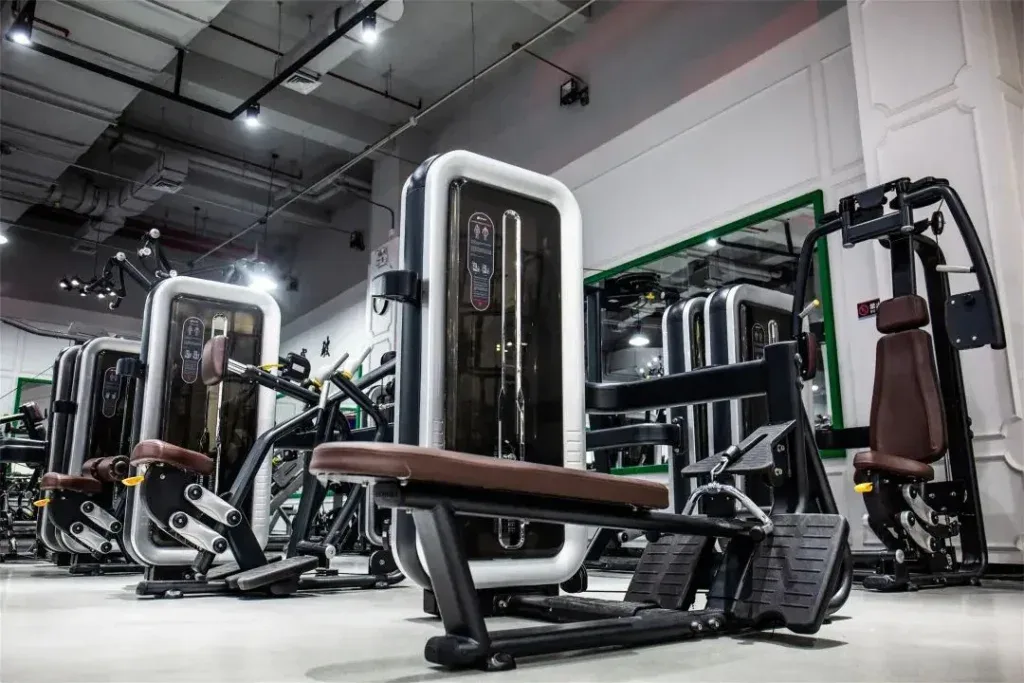
Image source: Web (Bing) / artbellfitness.com (Web image (fair-use with source credit))
Calisthenics uses your own body mass to create resistance. Movements like push-ups, squats, and pull-ups fall into this category. It is highly accessible, though you may eventually need to explore compact gym equipment to keep progressing once you master your own body weight.
Free weight training involves objects that move freely in space, such as dumbbells, barbells, and kettlebells. Because the weight is not fixed, your stabilizer muscles must work hard to keep the object on a steady path. This mimics real-world movements and promotes better balance.
Many lifters prefer versatile weight sets to maximize what they can do at home.
Machine-based training uses cable-and-pulley systems or levers to move weight. These machines often isolate specific muscle groups by locking your body into a fixed movement pattern. They are particularly useful if you are working around an injury or want to focus on hypertrophy without worrying about stability.
Pros, Cons, and Physiological Outcomes of Each Method
Each strength training modality carries unique benefits and potential downsides. Understanding these allows you to balance your routine for better long-term health.
| Method | Best Feature | Learning Curve | Primary Benefit |
|---|---|---|---|
| Bodyweight | Portability | Low | Functional control |
| Free Weights | Versatility | High | Muscle coordination |
| Machines | Stability | Low | Targeted isolation |
Bodyweight training builds great relative strength. It requires no specialized gear, making it a perfect choice for those with limited space. However, it can be difficult to measure your progress if you cannot consistently add more resistance.
Free weights are the gold standard for strength development. They force your core and stabilizer muscles to fire, which builds better functional capacity. The downside is that they require technical proficiency to avoid injury.
If you are learning these, using expert-approved kits can help ensure you have the right tools.
Machines offer safety and simplicity. They are excellent for beginners who want to build foundational muscle without the complexity of free-form movements. The limitation is that they do not train your body to handle unbalanced loads, which is essential for real-world strength.
Matching Your Goals to the Right Training System
If your primary goal is building raw strength, you should prioritize compound movements with free weights. Heavy squats, deadlifts, and presses recruit the most muscle mass simultaneously. Those pursuing this path often look for high-quality gear for powerlifting to ensure their equipment can handle heavy, repeated strain.
If you are focusing on muscle size, also known as hypertrophy, you can benefit from a mix of free weights and machines. Isolation movements allow you to tax a specific muscle group until it reaches fatigue. Selecting reliable equipment for muscle growth helps you maintain that necessary volume without overworking your joints.
For those simply looking to improve daily movement and joint health, bodyweight and functional training are ideal. You do not need to lift heavy to see significant improvements in your metabolic health. The most effective system is the one that fits your schedule and keeps you coming back three or four times a week.
How to Manage Safety and Progressive Overload
Safety begins with the concept of progressive overload. This means you must gradually increase the difficulty of your training over time to force your muscles to adapt. If you perform the same sets and reps with the same weight for months, your progress will inevitably plateau.
Image source: Web (Bing) / amazon.com (Web image (fair-use with source credit))
To apply this safely, track your sessions in a log. Whether you use a notebook or an app, recording your lifts helps you see exactly when to add weight or extra repetitions. Small, incremental jumps of 2 to 5 pounds are usually enough to trigger growth without risking injury.
Proper form remains your most important safety tool. Never sacrifice your movement quality just to lift a heavier weight. If your range of motion starts to suffer or your joints feel sharp pain, drop the weight immediately.
The National Institute on Aging notes that maintaining muscle strength is vital for long-term health, but it must be done with controlled movements to avoid straining connective tissues.
If you are new to complex lifts, consider hiring a coach for a few sessions. They can check your alignment and ensure you aren't compensating with the wrong muscle groups. When training alone, always practice your movements with light weights first to build confidence before you attempt your maximum capacity.
Common Mistakes That Stunt Your Progress
One of the most frequent errors is switching programs too often. Many people jump between training styles every two weeks because they don't see instant results. Muscle adaptation takes time, so you should stick to a consistent plan for at least 8 to 12 weeks before deciding if it works for you.
Ignoring recovery is another common pitfall. Your muscles do not grow while you are in the gym. They grow while you rest, sleep, and eat well in the days after your workout.
If you train seven days a week, you aren't giving your body the necessary window to repair the micro-tears caused by your exercise.
Many lifters also fail to warm up properly. Cold muscles and joints are significantly more prone to strains and tears. Spend 5 to 10 minutes doing light cardiovascular activity or dynamic stretching before you lift anything heavy.
This gets blood flowing to your muscles and preps your joints for the work ahead.
Finally, don't ignore your nutrition and hydration. If you aren't fueling your body with enough protein and water, your performance will drop. Strength training creates a high demand for nutrients, and failing to meet those needs limits your ability to recover and perform at your peak.
Frequently Asked Questions About Strength Training
How many days per week should I strength train?
For most people, three to four days per week is ideal. This frequency allows for enough stimulus to build strength while providing ample time for recovery. If you are a beginner, starting with two days is perfectly acceptable until your body acclimates to the new routine.
Should I lift to failure every set?
Lifting to total failure is generally not necessary for most goals. Instead, aim to stop one or two reps before you feel like your form will break down. This is often called leaving "reps in reserve." It keeps your training intensity high without excessive fatigue.
Does strength training make me bulky?
Building significant size requires specific, long-term training and dietary protocols. Most people will see improvements in muscle tone and functional strength without massive increases in size. You can adjust your volume and calorie intake if your specific goal is to either gain or maintain your current mass.
Can I do strength training at home without equipment?
Yes, you can build a solid foundation using only your body weight. Once you become proficient at basic movements, you can add simple tools like bands or adjustable dumbbells to increase the resistance. This allows you to continue progressing for years without needing a large, expensive home gym setup.
How long does it take to see results?
You might notice improvements in your mood and energy levels within the first two weeks. Visible changes in muscle definition or strength typically appear after 8 to 12 weeks of consistent effort. Everyone responds differently based on genetics and lifestyle, so stay patient and focus on the process rather than the timeline.

