Determining what are the best exercises for strength requires looking at movements that challenge your body's ability to produce force. You’ll find the most success by prioritizing compound patterns that recruit multiple muscle groups simultaneously.
This approach builds functional power while maximizing efficiency in the weight room. As of 2026, research from the National Strength and Conditioning Association confirms that multi-joint movements offer the greatest stimulus for neuromuscular adaptation.
Today's Exclusive Deals
Limited-time Exclusive Deals. Check current discount on Amazon.
Check Price on Amazon As an Amazon Associate I earn from qualifying purchases.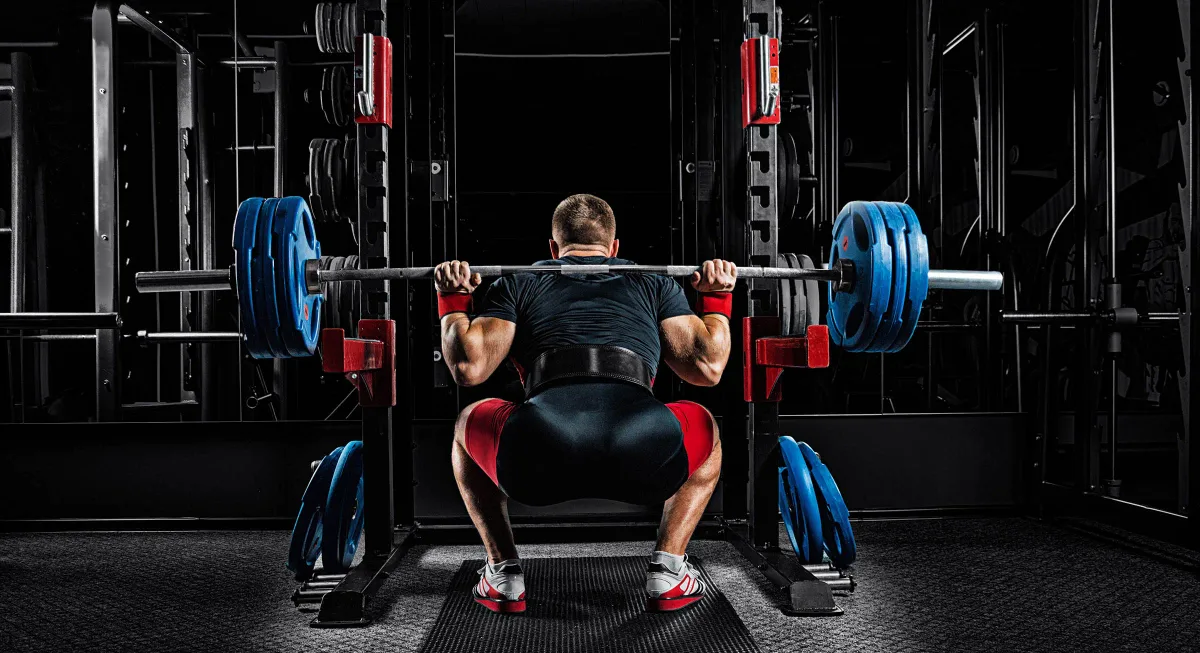
Image source: Web (Bing) / smcrep.org (Web image (fair-use with source credit))
Quick Answer
Compound lifts are the best exercises for building functional strength. Focus on squats, deadlifts, presses, and rows. These movements engage multiple muscle groups at once.
They provide the most efficient stimulus for your central nervous system. Stick to heavy loads with lower repetition ranges for optimal results.
Why Strength Training Is About Mechanics, Not Just Moving Weight
Strength training is more than just shifting iron from point A to point B. It is about training your nervous system to coordinate muscle fibers effectively to overcome external resistance. When you prioritize proper mechanics, you ensure that the intended muscles perform the work.
This reduces the risk of joint strain and helps you generate more power over time.
You might be tempted to use fancy machines, but free weights often teach better movement patterns. They force your stabilizer muscles to work alongside your primary movers. This creates a more balanced physique and carries over into real-world activities.
If you want to refine your technique for versatile lifting setups, focus on the path of the bar rather than the total weight.
Focusing on mechanical efficiency allows you to lift more safely as you progress. It turns the process into a skill-based practice rather than a mindless grind. When your form stays crisp, your strength potential increases significantly.
Poor mechanics act as a ceiling, stopping you from reaching your true capacity.
The Four Pillars of Foundational Strength
The best strength programs rely on four distinct movement patterns to cover the entire body. These categories ensure you don't neglect any muscle groups while avoiding redundant training. They form the basis of a balanced, high-performance routine.
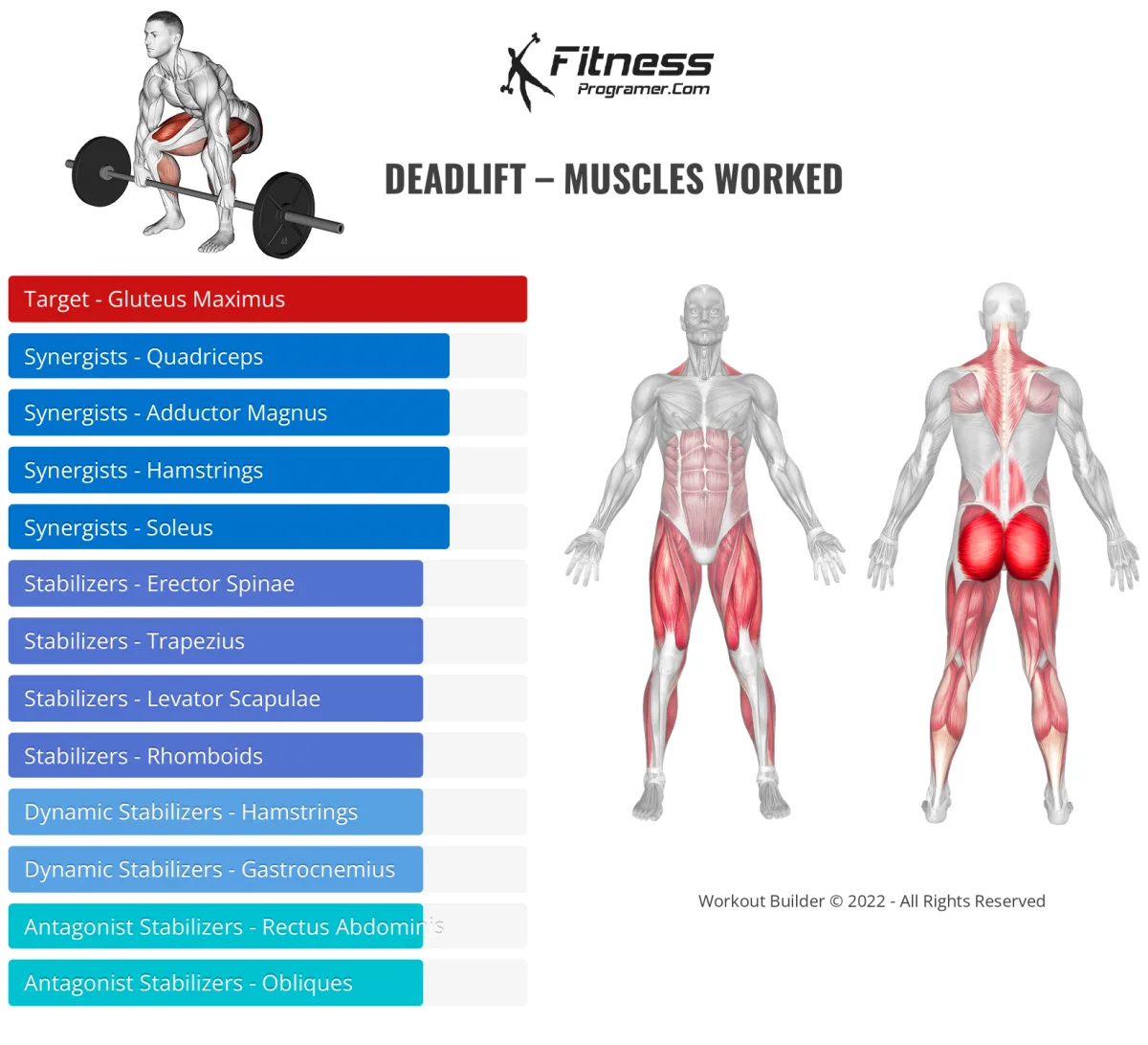
Image source: Web (Bing) / storage.googleapis.com (Web image (fair-use with source credit))
- The Squat: This knee-dominant move builds your quads and glutes. It remains a staple for lower-body power.
- The Hinge: This hip-dominant pattern, like the deadlift, targets your posterior chain. It is critical for spinal health and heavy lifting.
- The Push: Whether overhead or horizontal, these moves train your chest and shoulders. They are essential for upper-body force production.
- The Pull: Rows and pull-ups balance out your pushing moves. They maintain posture and back thickness, which is vital for developing your physique.
By rotating these four pillars, you create a holistic stimulus. You won't need endless isolation exercises to see results. Mastery of these patterns provides the foundation for consistent, high-quality training at any skill level.
Balancing Equipment: Barbells, Dumbbells, and Bodyweight
Choosing the right tool depends on your goals and your training environment. Barbells are the gold standard for moving heavy loads safely. They allow for the most significant absolute strength gains.
For those starting their journey, finding the right starting kit is often the first step toward long-term progress.
Dumbbells offer a different advantage by training each side independently. This helps address muscle imbalances that often go unnoticed with a barbell. If you have limited room for gear, dumbbells serve as a highly effective, space-saving alternative.
Bodyweight training provides an excellent baseline, but it often hits a limit once you gain significant strength. You eventually need external resistance to continue challenging your muscles.
| Equipment | Best For | Training Focus |
|---|---|---|
| Barbell | Max Strength | Total force output |
| Dumbbell | Balance/Symmetry | Unilateral coordination |
| Bodyweight | Baseline/Mobility | Movement proficiency |
Ultimately, the best program often mixes these tools. You don't have to choose just one. Use the barbell for your heavy compounds and dumbbells for your accessory work.
This combination keeps your workouts varied and challenging.
The Golden Rule of Progress: Progressive Overload and Metrics
Progressive overload is the concept of gradually increasing the difficulty of your training over time. If you do the same thing every week, your body has no reason to adapt or get stronger. You must systematically push your limits to force your muscles to change.
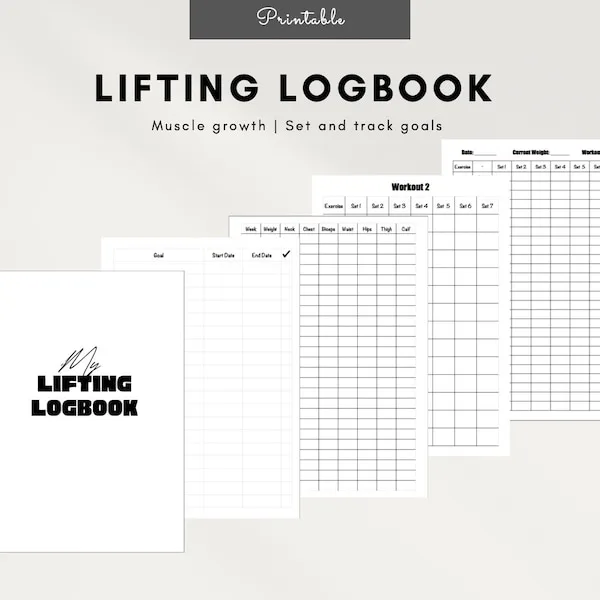
Image source: Web (Bing) / sowflow.io (Web image (fair-use with source credit))
There are many ways to apply this beyond just adding weight to the bar. You can increase the number of repetitions, shorten your rest periods, or improve your control throughout the movement. Improving your precision when using powerlifting-grade equipment is a form of progression itself.
Tracking your metrics is non-negotiable if you want results. A simple training log helps you see if you're actually improving. Without data, you are just guessing.
Always aim to beat your previous performance, even if by only one repetition or a small increase in intensity.
Managing Risk: Form, Bracing, and Joint Health
Strength training carries risks if you ignore your body's signals or sacrifice technique for weight. Proper bracing is the secret to lifting heavy without injury. This involves creating internal pressure in your torso to support your spine.
According to the American College of Sports Medicine, maintaining a neutral spine is the most critical factor in preventing lower back issues during heavy lifts.
If you are just starting to learn the movements, consider sets suited for novices to avoid over-complicating the process. Do not let your ego push you to lift weights that your muscles cannot handle with perfect control. The goal is to move the weight, not to have the weight move you.
If you ever experience sharp pain in a joint or a sudden localized pop, stop immediately. Soreness in the muscles is expected, but joint pain indicates a flaw in your movement pattern or volume. Take the time to reset and adjust before adding more weight.
Consistency over the long term is much more valuable than a one-time "max effort" lift.
Strategic Scheduling: How to Build Your Routine
A consistent routine is the primary driver of long-term strength gains. Aim to hit each major movement pattern at least twice per week to maintain a consistent stimulus. This frequency ensures your central nervous system stays adapted to the demands of lifting.
For most beginners, a full-body approach works best. You perform a squat, a hinge, a push, and a pull during each session. This layout allows for optimal recovery while keeping your training volume manageable.
- Monday: Squat, Push, Hinge, Pull.
- Wednesday: Hinge, Pull, Squat, Push.
- Friday: Squat, Push, Hinge, Pull.
You can adjust the specific exercises based on what gear you have available. If you have been searching for the right Olympic lifting tools, try to build your sessions around those specific implements. Keep your rest periods between two and five minutes for heavy compounds.
This duration allows enough ATP replenishment for you to hit your next set with maximum intent.
Frequently Asked Questions
How many repetitions should I perform to get strong?
Aim for one to five repetitions per set when your primary goal is maximal strength. This range forces your body to recruit the maximum number of motor units. Use heavier loads that challenge you to maintain perfect form until the final rep.
Should I lift every single day?
Rest is a critical part of the training cycle where your body repairs muscle tissue and adapts to stress. Lifting every day often leads to burnout and central nervous system fatigue. Most individuals thrive on three or four sessions per week with dedicated recovery days in between.
Is it necessary to lift until I fail?
Training to absolute failure is rarely necessary and often counterproductive for strength development. It increases the risk of form breakdown and joint injury without offering extra benefit. Stop your sets one or two reps before you feel your technique will fail.
Can I gain strength without a gym membership?
Bodyweight movements provide a solid foundation for those without access to traditional iron. Exercises like pull-ups, push-ups, and pistol squats allow for significant progress. Eventually, you will need to add external weight to continue increasing your force production.
How do I know if my program is working?
Track your lifting numbers in a journal or on your phone. If you are lifting more weight or performing more repetitions than in previous weeks, you are successfully getting stronger. Consistent data is the only reliable way to measure your long-term progress.
When to Seek Professional Guidance
Sometimes the best path involves outside expertise to ensure you remain safe. If you experience persistent pain that does not subside after a rest period, consult a physical therapist. They can identify movement imbalances that standard training might miss.
Consider working with a certified coach if you struggle to improve your lifting technique. A professional can provide instant feedback on your squat depth or deadlift positioning. This prevents you from developing bad habits that could lead to injury later on.
Research suggests that personalized instruction significantly decreases the risk of acute training injuries. Never ignore sharp, shooting sensations in your back or joints. These are red flags that your current load or technique is not appropriate.
Put your health first, as a safe lifter is the only one who can keep training for years.