If you have spent any time in a gym, you have likely heard someone mention that you need progressive overload to grow. It is a fundamental principle of resistance training that essentially tells your body to get stronger by doing more over time.
Without this constant adjustment, your fitness level plateaus quickly as of 2026. Most people fail to realize that simply showing up isn't enough to force your muscles to adapt and change.

Today's Exclusive Deals
Limited-time Exclusive Deals. Check current discount on Amazon.
Check Price on Amazon As an Amazon Associate I earn from qualifying purchases.Quick Answer
Progressive overload is the systematic increase of demand on your musculoskeletal system. You must consistently challenge your body during each workout session. This forces your muscles to adapt and grow stronger over time.
Small, incremental changes are better than one large, sudden increase.
The Stagnation Trap: Why You Aren't Seeing Changes
Your body is designed for efficiency, not for building extra muscle mass that requires significant caloric energy. When you perform the same workout with the same weight for weeks, your body stops adapting because it already has the capacity to handle that stress. This is the definition of a training plateau.
Image source: Web (Bing) / stablediffusionweb.com (Web image (fair-use with source credit))
Many people who start their journey with new starter equipment find themselves stuck after the first month. You might feel like you are working hard, but if the mechanical stress on your muscles remains static, your results will remain static too. To break through this wall, you have to provide a stimulus that your body cannot currently ignore.
Progressive Overload Defined: Forcing Biological Adaptation
Progressive overload is the strategy of gradually increasing the stress placed upon the body during exercise. The goal is to stimulate muscular hypertrophy and neuromuscular adaptations. By incrementally raising the intensity, your muscle fibers undergo microscopic damage that prompts repair and strengthening during the recovery phase.
You don't need to add massive amounts of weight every single time you train. In fact, doing so often ruins your technique and leads to injury. Think of it as a long-term conversation with your muscles where you are asking them to do just a little bit more than they did last time.
| Variable | Strategy | Effect |
|---|---|---|
| Load | Add small weight increments | Increases tension |
| Volume | Add more sets or reps | Increases metabolic stress |
| Density | Decrease rest periods | Improves efficiency |
| Tempo | Slow down the eccentric phase | Increases time under tension |
The Four Levers of Mechanical Tension
You have four primary ways to apply progressive overload without always needing to add heavy plates to your strength training gear. The most common lever is adding more weight, but it isn't always the safest or most effective option for everyone. Increasing your total volume, the number of sets multiplied by your total reps, is often more sustainable for long-term growth.
You can also manipulate your rest periods. By shortening your break between sets from ninety seconds to sixty seconds, you force your body to recover more quickly while under load. Finally, adjusting your tempo, specifically focusing on a slow, controlled lowering phase of a lift, removes momentum and forces the target muscle to do all the work.
How to Track Your Training for Sustainable Growth
If you are not tracking your workouts, you are essentially guessing. Research suggests that keeping a consistent log is the single most effective way to ensure you are actually applying overload rather than just repeating previous efforts. Whether you use a paper notebook or a digital app, your record-keeping should include every set, the amount of weight used, and the number of repetitions completed.
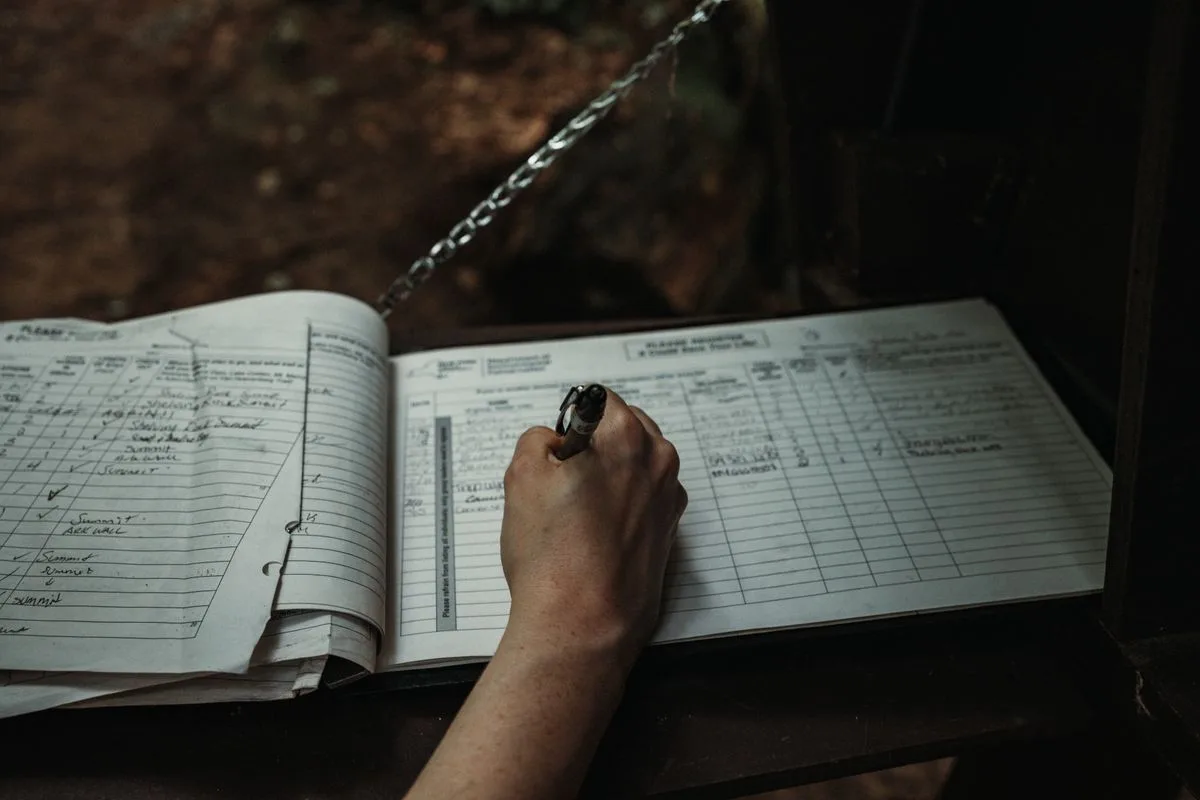
Image source: Web (Bing) / pexels.com (Web image (fair-use with source credit))
When you look at your log, look for opportunities to improve by just one percent. Did you perform ten reps with your home gym setup last week? Aim for eleven today.
If you are training with versatile equipment at home, documenting your progress helps you see that these small steps lead to major gains over a training cycle.
Preventing Overtraining and Managing Recovery
Your body grows while you rest, not while you are lifting. If you try to apply progressive overload every single session without accounting for sleep and nutrition, you will eventually hit a wall of central nervous system fatigue. This is why incorporating a deload week, a planned period of reduced intensity, every four to eight weeks is vital for long-term consistency.
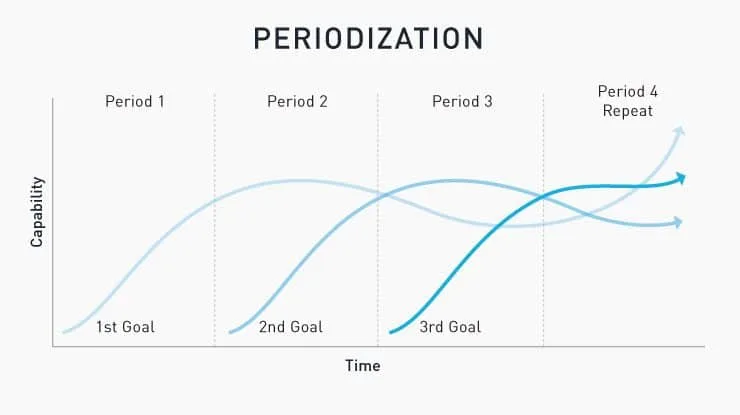
Image source: Bing (Web (fair-use with source credit))
During a deload week, you don't stop training entirely. Instead, you reduce your overall volume or intensity by about fifty percent. This allows your connective tissues to recover from the repetitive stress of lifting heavy.
If you find compact solutions for your home workout space, use that same space to practice recovery movements or mobility drills during these lighter periods.
Common Mistakes That Kill Your Progress
The most frequent error is increasing load before mastering the movement pattern. You cannot overload a movement that you haven't yet learned to perform with stability and control. Adding weight to poor form doesn't build muscle, it just builds risk.
Another major mistake is the all or nothing approach to effort. You do not need to train to total muscular failure on every single set to see results. Constant training to failure can quickly overtax your nervous system, leading to burnout rather than consistent growth.
Some trainees also fall into the trap of changing their entire workout routine every two weeks. When you switch exercises constantly, your body never gets the chance to master a movement. You need to stick with the same core lifts for at least eight to twelve weeks to allow for real adaptation.
If you find yourself constantly sore or perpetually tired, you are likely pushing the volume too high. More work isn't always better. If your performance numbers in the gym are trending downward, you need to pull back and re-evaluate your total weekly workload.
Frequently Asked Questions About Load and Intensity
How do I know when it is time to add more weight?
You should increase the weight when you can comfortably complete all prescribed sets and repetitions with perfect technique. If you hit the top end of your rep range for two consecutive sessions, that is your signal to move up. The increase should be the smallest available increment to ensure you maintain control.
Can I build muscle without using heavy weights?
You absolutely can build muscle using lighter weights if you apply other forms of progressive overload. Focusing on higher rep ranges, slower tempo, and shorter rest periods creates significant metabolic stress. This triggers muscle growth even when the actual weight on the bar is relatively low.
What should I do if I have a bad workout?
Everyone has days where they feel weaker than the last session due to stress or poor sleep. Do not force an increase in weight if your body isn't cooperating. Just aim to match your previous performance or focus on perfecting your form, then try again during your next session.
How often should I increase my training intensity?
There is no fixed schedule for intensity increases. Some people make progress every week, while others might take several weeks to earn an increase. Focus on consistent, long-term improvement rather than trying to force a personal record at every single gym visit.
Is muscle soreness a sign of a good workout?
Muscle soreness, known as delayed onset muscle soreness, is not a primary indicator of effective training. It often happens when you perform a new movement or significantly increase volume. You can still experience effective progressive overload and muscle growth without feeling extremely sore after every session.