
Yes — massage devices can help improve flexibility and mobility when used correctly and consistently.
I have tested many massage devices and worked with movement professionals to learn how they affect range of motion. This article explains how massage tools work, what the evidence says, best-practice use, risks, and real-world tips to help you decide if massage devices fit your flexibility and mobility goals. Read on for clear guidance you can use today.

Today's Exclusive Deals
Limited-time Exclusive Deals. Check current discount on Amazon.
Check Price on Amazon As an Amazon Associate I earn from qualifying purchases.
How massage devices work and why they might help flexibility
Massage devices use pressure, vibration, or percussive force to affect soft tissue. They reduce muscle tension and may change sensory feedback. This can make it easier to stretch and move with less resistance. When people ask, "Do massage devices help with flexibility and mobility," the short science is that they alter muscle tone and the nervous system to allow safer, easier motion.
Key mechanisms
Today's Exclusive Deals
Limited-time Exclusive Deals. Check current discount on Amazon.
Check Price on Amazon As an Amazon Associate I earn from qualifying purchases.- Mechanical pressure loosens adhesions and softens tight spots.
- Vibration and percussion alter nerve signals to reduce guard or hypertonicity.
- Increased local blood flow can speed tissue warming and pliability.
- Brief pain relief lets you attempt fuller range-of-motion exercises.
My practical note: I often use a percussive device for two to three minutes on sore calves before ankle mobility drills. It lets my joints move with less pain and more control.

Evidence and research overview: what studies show
Clinical trials and lab studies test short-term effects on range of motion. Many studies report modest, immediate gains in flexibility after device use. The gains often last minutes to a few hours unless combined with active stretching or training.
What the research tends to show
Today's Exclusive Deals
Limited-time Exclusive Deals. Check current discount on Amazon.
Check Price on Amazon As an Amazon Associate I earn from qualifying purchases.- Short-term increases in range of motion after a single session.
- Improved performance of warm-up when devices precede mobility drills.
- Limited evidence for long-term structural change from device use alone.
- Best results when devices complement active stretching, strength work, or rehab.
Translation for readers: Do massage devices help with flexibility and mobility over time? They help most when used as part of a plan that includes movement practice.

Benefits for flexibility and mobility
Massage devices offer several practical benefits for people focused on range of motion and movement quality.
Benefits you can expect
- Faster warm-up: Devices can make tissues feel ready to move.
- Reduced short-term stiffness: They ease tightness that blocks motion.
- Better tolerance for stretching: Less pain often means deeper, safer stretches.
- Quicker recovery between sessions: They can reduce soreness and speed readiness.
- Improved mobility drills: Devices can prime nervous system for better control.
Do massage devices help with flexibility and mobility for athletes and everyday users? Yes, especially when used before active mobility work and after workouts to speed recovery.

Limitations and risks to know
Devices are tools, not cures. Overreliance can mask problems or delay proper care.
Common limitations
- Temporary effects: Gains may fade without consistent training.
- Risk of overuse: Too much pressure can irritate tissues or nerves.
- Not a fix for structural issues: Joint problems or severe injury need professional care.
- Variable quality: Some devices are too weak or too harsh for safe use.
Safety tips
- Start light and short. Two minutes per muscle group is often enough.
- Avoid bony areas, acute inflammation, and open wounds.
- Stop if sharp pain, numbness, or increased swelling occurs.
How to use massage devices to boost flexibility: step-by-step
Using devices the right way makes results more reliable. Below is a practical routine that I use and recommend.
Pre-movement routine (warm-up)
- Spend 90–120 seconds per muscle group with light to moderate pressure.
- Follow device use with 30–60 seconds of dynamic mobility for the same joint.
- Perform movement drills or sport-specific warm-ups.
Post-workout routine (recovery)
- Use 60–90 seconds per muscle group at lower intensity.
- Combine with gentle stretching and hydration.
- Repeat across several days if soreness persists.
Pro tips
- Use devices as a primer, not a replacement, for active mobility work.
- Pair device use with breathing to relax the nervous system.
- Track progress. Note which areas improve and which need professional attention.
Do massage devices help with flexibility and mobility when used this way? Yes — they prime tissues and lower barriers to effective movement practice.

Types of massage devices and which to choose
Not all devices serve the same purpose. Choose based on goal, area, and comfort.
Main categories
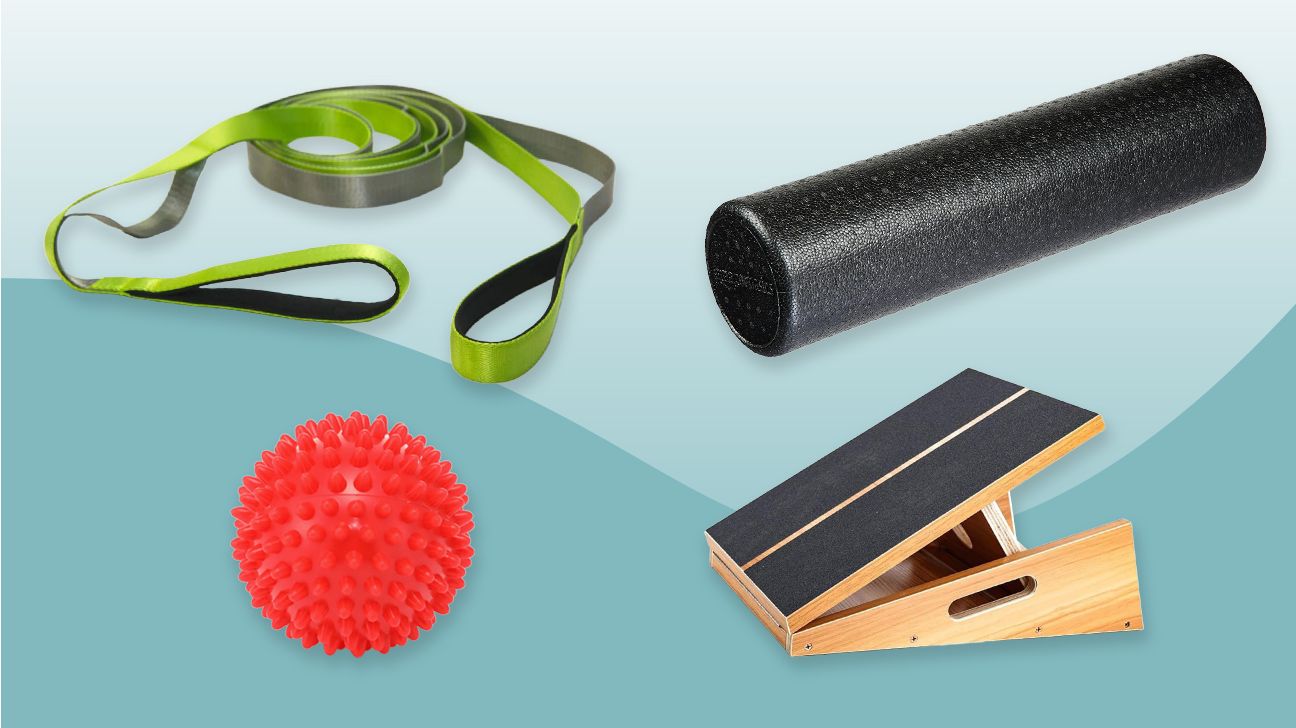
- Foam rollers: Broad pressure, great for large muscle groups and simple self-massage.
- Massage balls: Pinpoint work for knots and small areas.
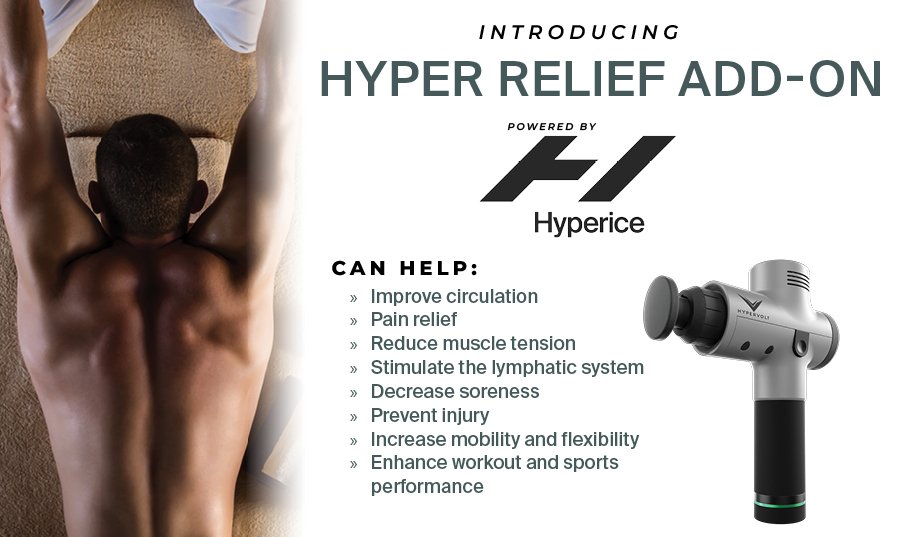
- Percussive devices: Rapid pulses for quick warm-up and deep tissue feel.
- Vibration plates: Whole-body vibration for reflexive muscle activation.
- Electric massagers: Varying modes for comfort and sustained pressure.
Choosing tips
- For mobility prep: lightweight percussive device or foam roller works well.
- For pinpoint tightness: small massage balls give control.
- For recovery: lower-intensity vibration or gentle electric massagers are ideal.
My experience: A compact percussive device offered the fastest warm-up before mobility drills. Foam rolling helped my larger muscle groups before heavy lifting.
When to see a professional instead of relying on devices
Massage devices help many people. Yet some signs call for a clinician.
See a pro if
- You have persistent sharp pain or numbness.
- You notice joint instability or repeated injuries.
- Range of motion is getting worse, not better.
- You want a tailored program for rehab or chronic issues.
A therapist can diagnose causes beyond muscle tightness. They can also show how to integrate devices safely into a rehab plan.

Practical examples and user stories
Case 1: Weekend runner with tight hamstrings
- Problem: Tight hamstrings limiting stride and causing low-back strain.
- Approach: Two minutes with a percussive device, then active hamstring swings and glute activation.
- Result: Better stride length and less low-back tightness during runs.
Case 2: Office worker with stiff hips
- Problem: Sitting all day reduced hip mobility.
- Approach: Foam rolling quads and glutes each evening, followed by hip mobility drills.
- Result: Easier squats and less stiffness getting up from chairs.
These examples show how targeted use of devices plus movement work leads to improvements. Do massage devices help with flexibility and mobility in real life? Yes, when they are part of a consistent routine.
My lessons learned and mistakes to avoid
I have used many tools and learned some lessons the hard way.
What I learned
- Less is often more. Short, regular use beats long, painful sessions.
- Combine devices with active movement to lock in gains.
- Don’t chase instant fixes; mobility improves with practice.
- Be cautious near joints and fragile tissues.
Avoid these mistakes
- Using high intensity on sore, inflamed areas.
- Skipping mobility exercises and hoping devices do all the work.
- Ignoring professional advice when pain persists.
Do massage devices help with flexibility and mobility when you follow these lessons? Absolutely — they support smart, safe progress.
Frequently Asked Questions of Do massage devices help with flexibility and mobility
Are massage devices safe for beginners?
Yes. Start with low intensity and short sessions. Learn simple techniques and stop if you feel sharp pain or numbness.
How often should I use a massage device for mobility gains?
Use devices 3–5 times per week for short sessions. Combine device work with active stretching for best results.
Can massage devices replace stretching or exercise?
No. Devices are a complement. Active movement and strength training create lasting mobility gains.
Will massage devices fix joint issues or arthritis?
They may ease soft-tissue tightness and pain but will not fix structural joint disease. See a clinician for diagnosis and tailored care.
How long before I see improvement in flexibility?
You may notice short-term gains after one session. Lasting improvement takes weeks of consistent device use plus active training.
Conclusion
Massage devices can be useful tools for improving flexibility and mobility when used wisely. They provide quick tissue relief, help warm up muscles, and can make stretches and mobility drills more effective. They are not a complete solution on their own, and they work best when paired with active movement, strength work, and professional guidance when needed. Start small, be consistent, and use devices as part of a broader mobility plan. Try a two-week routine combining device use and daily mobility drills, then reassess your progress — share your results or questions below to keep the conversation going.

