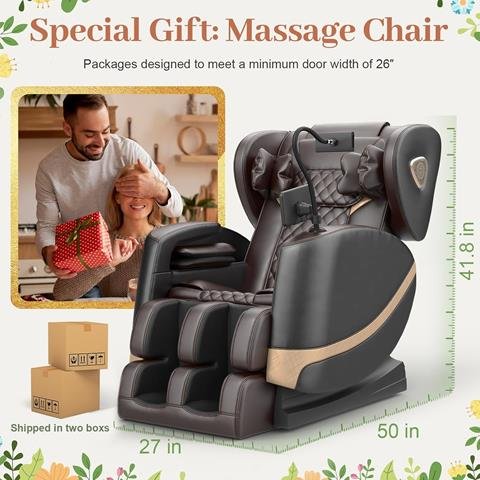
Yes — when used correctly, massage devices can help athletes recover faster, reduce soreness, and improve mobility.
I’ve worked with athletes and tested many recovery tools over years as a coach and rehab partner. This article breaks down whether massage devices work for athletes, how they work, what the science says, and how to use them safely for better training and performance. Read on for evidence-based guidance, practical tips, and real-world lessons from the field.
Today's Exclusive Deals
Limited-time Exclusive Deals. Check current discount on Amazon.
Check Price on Amazon As an Amazon Associate I earn from qualifying purchases.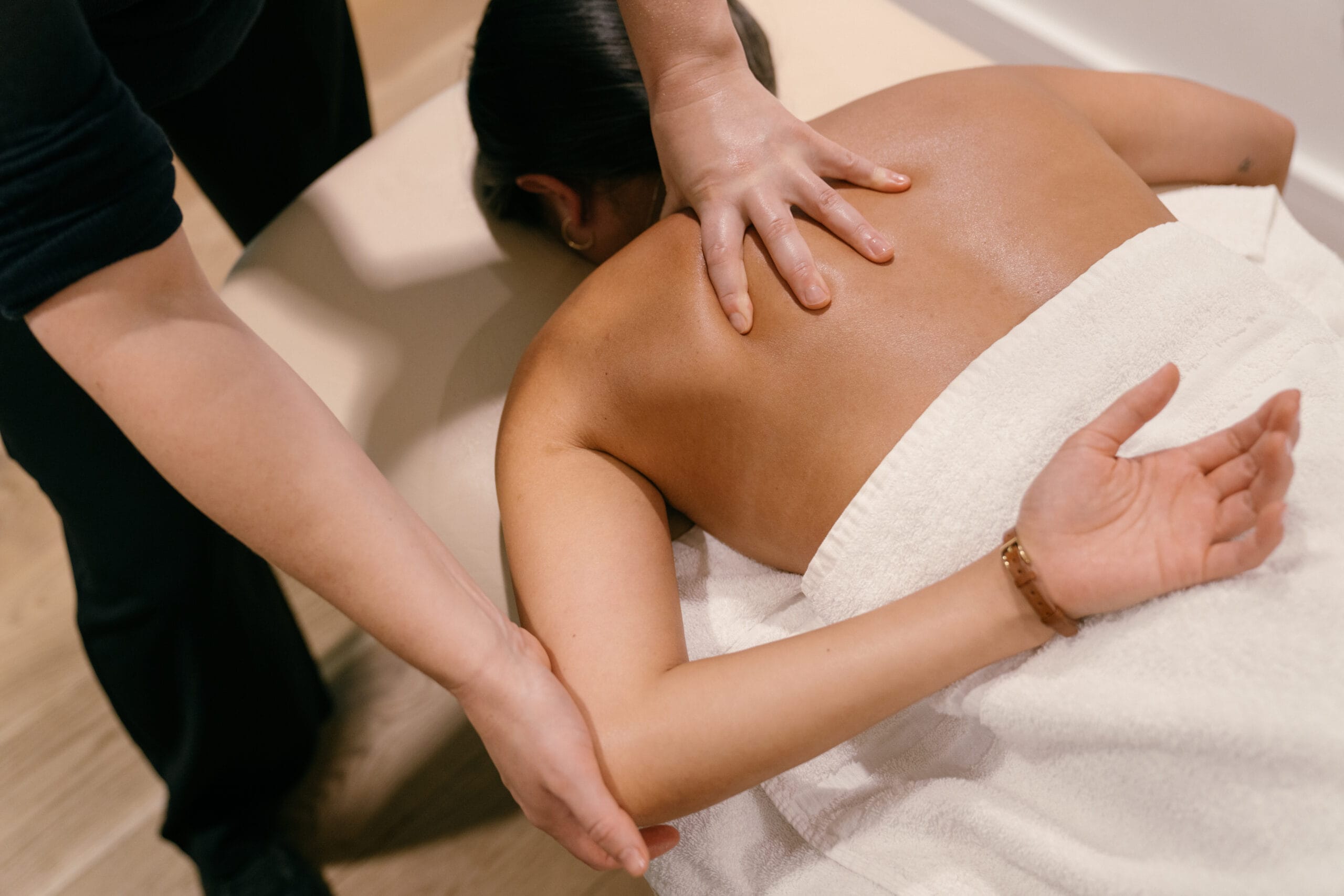
How massage devices work
Massage devices target soft tissues with pressure, vibration, or percussive force. They increase local blood flow, help move lymph, and reduce tightness by affecting muscle spindle and Golgi tendon organ signals. This can lower pain signals and improve range of motion right away.
Key physiological actions:
Today's Exclusive Deals
Limited-time Exclusive Deals. Check current discount on Amazon.
Check Price on Amazon As an Amazon Associate I earn from qualifying purchases.- Increase circulation to speed nutrient delivery and waste removal.
- Loosen fascia and muscle knots to restore mobility.
- Modulate pain through nerve gate mechanisms and decreased nociceptor sensitivity.
- Stimulate nervous system readiness before activity and promote relaxation after activity.
Many athletes ask, "Are massage devices effective for athletes?" The short science is that they provide meaningful short-term relief and prepare muscles for work, though long-term structural changes are limited without consistent use and proper training.

Types of massage devices and how athletes use them
Devices vary by method, size, and purpose. Choose one based on sport, budget, and goals.
Common device types:
Today's Exclusive Deals
Limited-time Exclusive Deals. Check current discount on Amazon.
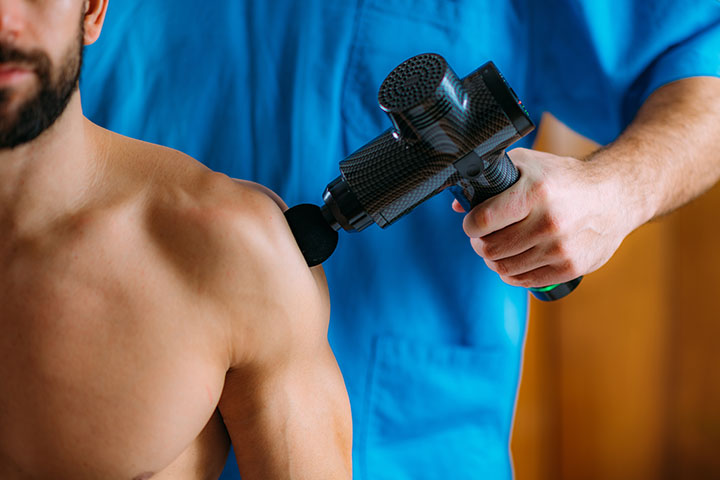
Check Price on Amazon As an Amazon Associate I earn from qualifying purchases.- Percussive massage guns: deliver rapid taps to reduce tightness and aid warm-up.
- Foam rollers: use body weight to apply pressure for self-myofascial release.
- Vibration plates and handheld vibrators: add frequency to stimulate muscles globally or locally.
- Pneumatic compression boots: enhance limb circulation and help recovery after long sessions.
- Electric massagers and rollers: useful for low-level circulation and relaxation.
Each tool has a role. For example, foam rollers are great for post-run calves, while percussive guns work well for deep glute knots before a heavy lift. Knowing the right tool makes the difference between relief and wasted time.
Benefits for athletes
Massage devices offer several practical benefits that matter to training and recovery.
Real-world benefits:
- Faster perceived recovery after intense sessions.
- Reduced delayed onset muscle soreness (DOMS) when used post-exercise.
- Improved range of motion and flexibility when used regularly.
- Faster warm-up effects when used pre-session, sometimes translating to better movement quality.
- Convenience for on-the-road athletes who cannot see a therapist.
Keep in mind the size of benefit varies. For many athletes, massage devices are a useful part of a broader recovery plan that includes sleep, nutrition, and active recovery. The question "Are massage devices effective for athletes" is best answered in context: yes for acute relief and recovery support, less clear as a standalone long-term fix.

What the evidence says
Clinical trials and reviews show mostly small to moderate short-term effects. Studies often report less soreness and modest gains in range of motion after device use. Data on long-term performance gains is mixed.
Evidence highlights:
- Immediate reductions in pain and improved movement after single sessions are common.
- Multiple sessions may reduce DOMS compared with no treatment.
- Performance metrics like maximal strength or endurance show limited consistent improvement.
- Study limits include small sample sizes, varied device settings, and placebo effects.
So, if you search "Are massage devices effective for athletes" you’ll find supportive evidence for recovery and mobility but cautious findings on long-term performance change. It’s fair to expect useful short-term benefits but avoid claims that a device alone will make you stronger or dramatically faster.
Practical guide: when and how to use massage devices
Use devices with a plan. Timing, intensity, and duration matter more than brand hype.
Simple rules:
- Pre-workout: 30–60 seconds per muscle group at low to medium intensity to prime tissue and increase blood flow.
- Post-workout: 2–5 minutes per area at gentle to medium intensity to reduce soreness and promote circulation.
- Recovery days: 5–10 minutes on tight or sore areas to help mobility and comfort.
- Frequency: daily short sessions or 3–4 focused sessions per week works well for most athletes.
Safety tips:
- Avoid bony areas, fractures, and inflamed joints.
- Stop if sharp or radiating pain appears.
- Use lower settings for smaller muscle groups and higher settings for larger, well-warmed muscles.
These steps help answer "Are massage devices effective for athletes" by pairing device use with sensible timing and load management.

Common mistakes and safety considerations
Athletes sometimes overuse devices or treat them as magic fixes. Avoid these pitfalls.
Mistakes to avoid:
- Spending too long on one spot, which can cause bruising or irritation.
- Using maximum intensity on unprepared tissue.
- Relying on devices to fix structural or chronic issues without professional assessment.
- Ignoring red flags like swelling, severe pain, numbness, or changes in skin color.
When to see a pro:
- Persistent pain that limits training.
- Suspected tendon or ligament injury.
- Recurring nerve symptoms such as tingling or weakness.
Being honest about limits and watching for warning signs keeps device use safe and effective.
How to choose the right device
Match the device to your needs. Budget, portability, and control options matter most.
Buying checklist:
- Purpose: warm-up versus deep tissue recovery.
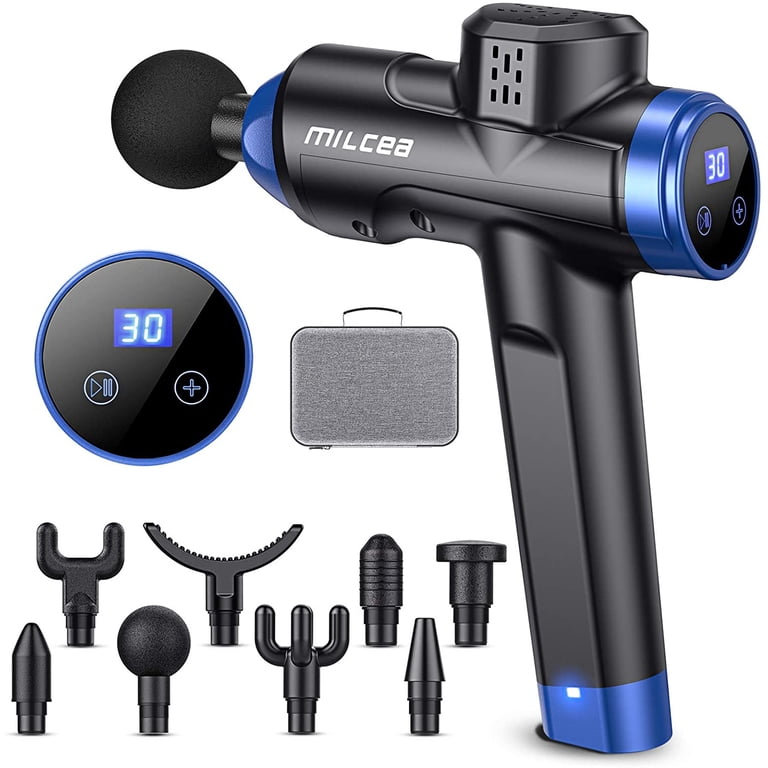
- Amplitude and frequency: higher amplitude penetrates deeper; higher frequency delivers more taps per minute.
- Attachments: different heads for broad coverage or pinpoint work.
- Battery life and weight: consider travel and session length.
- Noise level and warranty: practical factors athletes often overlook.
In my experience, athletes who choose a simple, reliable device and learn basic technique get more value than those chasing premium gadgets with little practical difference.

Personal experience and lessons learned
I’ve used massage devices with endurance runners and strength athletes. Early on, I treated them like a cure-all. That was a mistake. The best results came when devices were integrated into a plan.
What worked:
- Short pre-session priming to improve squat depth and sprint stride.
- Post-session light percussion to reduce soreness after heavy blocks.
- Using compression boots after long travel for pro-level recovery.
Lessons learned:
- Less is often more. Short, regular use beats occasional marathon sessions.
- Combine device use with mobility drills for lasting gains.
- Treat devices as a tool, not a substitute for rest, sleep, or medical care.
These practical notes show a real-world take on "Are massage devices effective for athletes" that balances optimism with realism.

Frequently Asked Questions of Are massage devices effective for athletes
Are massage devices better than hands-on therapy?
They are complementary. Devices offer convenience and consistent force, while hands-on therapy provides skilled assessment, tailored treatment, and manual finesse a machine cannot replicate.
Can massage devices prevent injuries?
They can reduce tightness and improve mobility, which may lower some injury risk, but no device guarantees injury prevention. Proper training, load management, and recovery are still essential.
How long should I use a massage device after training?
Aim for 2–10 minutes per targeted area depending on soreness and tissue size. Short, frequent sessions are usually more effective than long, aggressive sessions.
Do massage devices reduce DOMS?
Yes, many athletes feel reduced DOMS after device use. Evidence shows small to moderate decreases in soreness when devices are used post-exercise.
Are there athletes who should avoid massage devices?
People with deep vein thrombosis, uncontrolled diabetes, infections, open wounds, or certain acute injuries should avoid them or consult a clinician first. Always get clearance from a medical professional when in doubt.
Conclusion
Massage devices can be an effective tool for athletes when used smartly. They help with short-term pain relief, mobility, warm-up, and perceived recovery, but they work best as part of a full recovery plan that includes sleep, nutrition, training quality, and professional care when needed. Try a simple routine today: brief pre-session priming and short post-session recovery, track how your body responds, and adjust based on results. If this helped, share your experience, subscribe for more practical recovery tips, or leave a comment with your questions.