
Use the right head, low intensity, and steady motion—move slowly and avoid bones for best results.
I’ve used dozens of handheld and percussion devices with athletes and clients. This guide shows exactly how do you use a massage device correctly, step by step, with safety tips, real-life notes, and buying and care advice. Read on to learn how to get relief without harm, pick the right device, and keep it working well.

Today's Exclusive Deals
Limited-time Exclusive Deals. Check current discount on Amazon.
Check Price on Amazon As an Amazon Associate I earn from qualifying purchases.
Why correct use matters
Using a massage tool well keeps you safe and gets better results. Poor technique can bruise tissue, irritate nerves, or make pain worse. When you know how do you use a massage device correctly, you get faster recovery, less soreness, and longer device life.
Benefits include faster warm-up, improved circulation, and lower muscle tightness. Risks include too much pressure, working on injured areas, and using the wrong head or speed. Practice and simple rules reduce risk and boost results.
Today's Exclusive Deals
Limited-time Exclusive Deals. Check current discount on Amazon.
Check Price on Amazon As an Amazon Associate I earn from qualifying purchases.
Types of massage devices and when to use each
Different devices suit different goals and body areas. Knowing which to use helps you apply the right force and pattern.
- Percussion guns: Best for large muscle groups and quick warm-ups. Use lower speeds for tight areas and higher only briefly.
- Vibration massagers: Good for steady stimulation and relaxation. They are gentler than percussion devices.
- Rollers and foam rollers: Great for self-myofascial release on legs, back, and hips. Roll slowly and pause on tight spots.
- Electric neck/shoulder massagers: Ideal for localized neck and upper back tension. Limit session time to avoid overstimulation.
- Portable mini massagers: Handy for on-the-go relief and small areas like forearms.
Match the device to your goal and anatomy to learn how do you use a massage device correctly for each area.
Today's Exclusive Deals
Limited-time Exclusive Deals. Check current discount on Amazon.
Check Price on Amazon As an Amazon Associate I earn from qualifying purchases.Preparing to use a massage device
Preparation makes sessions safe and effective. Follow these steps before you start.
- Check the device: Ensure it is charged, clean, and has the proper attachment. A loose head can cause uneven pressure.
- Warm up the body: A light walk or gentle movements make tissues more responsive. Cold, tight muscles respond poorly to deep pressure.
- Position yourself: Sit or lie in a stable, relaxed position. Avoid awkward angles that strain joints.
- Start low: Set the device to the lowest setting before touching the skin. Increase only if it feels comfortable.
These simple habits shape how do you use a massage device correctly and reduce the chance of injury.
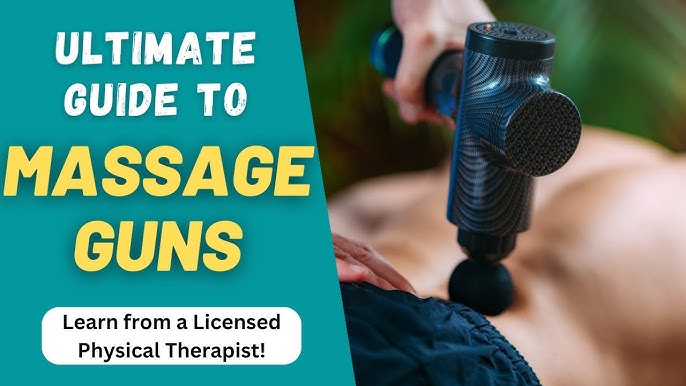
Step-by-step: How do you use a massage device correctly
Follow this clear routine every time you use a massage device.
- Turn the device on and use the lowest setting. Let the device reach full speed before contact.
- Place the head on the muscle, not the bone or spine. Keep the head on soft tissue only.
- Glide slowly across the muscle, 30–60 seconds per area. For very tight spots, pause for 10–20 seconds while breathing steadily.
- Move across the muscle in different directions. Use long strokes along the muscle fiber then cross-fiber taps for tight knots.
- Adjust pressure by how firmly you press, not by cranking speed. Let the device do the work.
- Limit a single area to 2–3 minutes depending on sensitivity. For beginners, keep sessions short and gentle.
- Finish with gentle slow strokes and hydrate afterwards.
These steps explain how do you use a massage device correctly to get relief without harm.

Safety tips and contraindications
Safety is essential when learning how do you use a massage device correctly.
- Avoid using on open wounds, bruises, varicose veins, or inflamed skin. These conditions can worsen with massage.
- Do not use directly over the spine, neck front, or major arteries. Focus on muscles beside the spine, not the bones.
- Check medical conditions: Ask a doctor if you have diabetes, blood clotting disorders, or recent surgery. Some conditions make deep massage unsafe.
- Stop if you feel sharp pain, tingling, or numbness. Mild discomfort can be normal, but sharp sensations are a red flag.
- Keep sessions short for older adults and those with fragile skin. Start very gentle and monitor skin response.
Follow these rules to use your device with confidence and care.

Benefits and limitations
Massage tools help many people, but they are not magic.
Benefits:
- Reduce post-workout soreness and speed recovery.
- Improve circulation and tissue mobility.
- Offer fast, on-demand relief at home.
Limitations:
- Not a substitute for medical care when there is serious injury.
- May mask pain that needs professional assessment.
- Results vary by person and consistent use is needed.
Understanding both sides helps you set real expectations for how do you use a massage device correctly.
Maintenance, cleaning, and care
Proper care keeps the device safe and effective.
- Clean heads after each use with a damp cloth and mild soap. Avoid soaking electrical parts.
- Inspect for damage and replace worn heads promptly. Cracks can harbor bacteria.
- Store in a dry, cool place. Heat and moisture shorten battery life.
- Charge according to the manufacturer’s instructions. Overcharging may reduce battery health.
Good upkeep teaches you how do you use a massage device correctly over the long term and protects your investment.

Buying guide: choose the right device
Picking the right model makes using it correctly easier.
- Define your goal: recovery, relaxation, or performance. Different goals need different features.
- Check speed and amplitude: Higher amplitude hits deeper. For most people, mid-range amplitude with adjustable speeds is best.
- Test the weight and grip: You’ll hold it during use. Heavy units can tire your arm and lead to poor form.
- Look for good battery life and warranty. Reliable brands often offer better support and parts.
- Read user reviews and try in-store if possible. Real use helps you judge noise, feel, and control.
Choosing well reduces mistakes and makes learning how do you use a massage device correctly faster.

Personal experience, tips, and common mistakes
I’ve used devices with athletes and clients for years. Here are practical lessons I learned.
- Tip: Start at low speed and work toward the core of the muscle. This prevents flinching and helps relaxation.
- Mistake to avoid: Rubbing directly on bone or the front of the neck. That causes pain and risk.
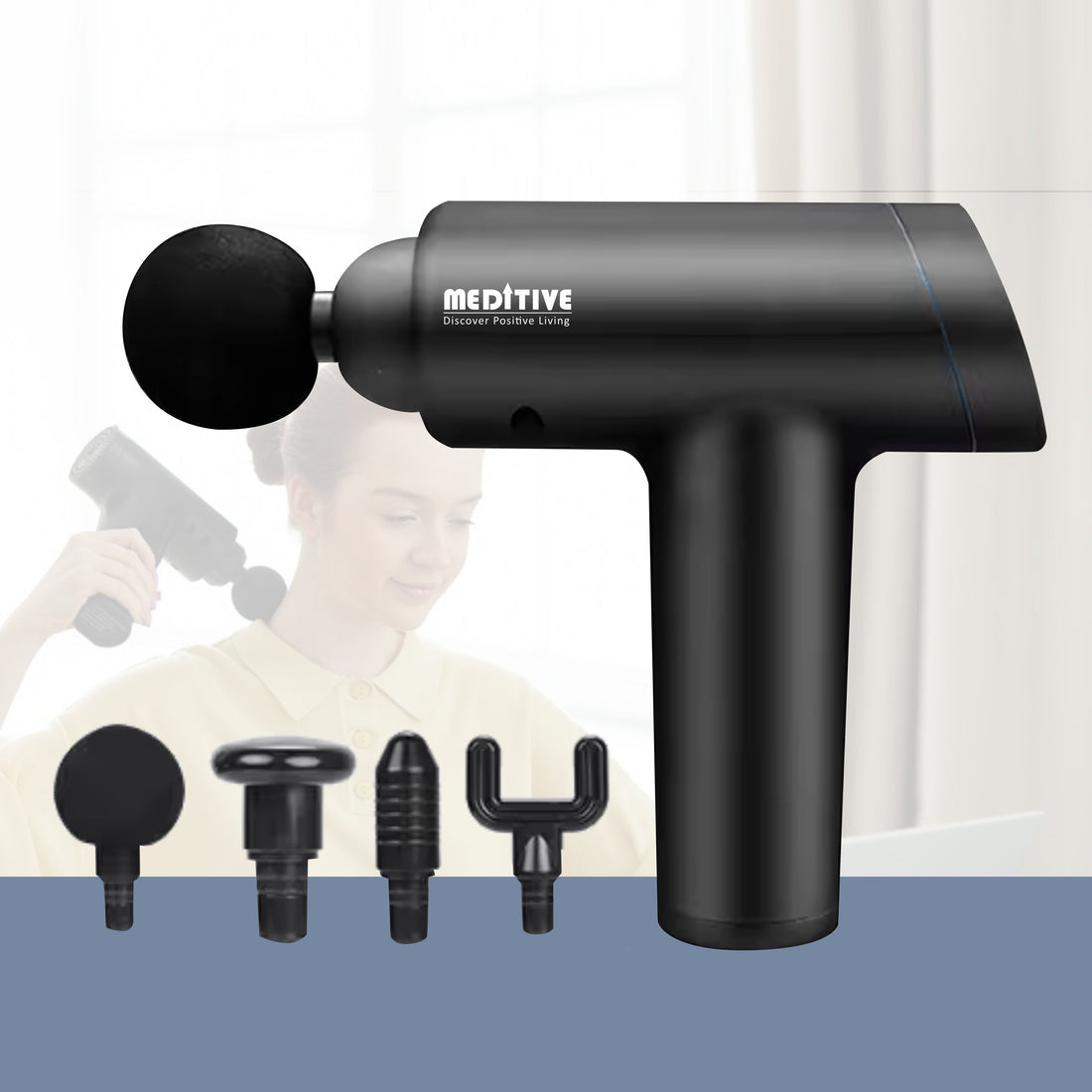
- Tip: Use the right head; wide heads for big muscles, small heads for points. I saw better results once I matched heads correctly.
- Mistake to avoid: Overusing on the same spot. I once left a client bruised by using a high setting for too long.
- Tip: Pair with stretching and hydration. Devices help, but they work best as part of a routine.
These experiences show practical ways to learn how do you use a massage device correctly and safely.
Common concerns (PAA-style questions)
What pressure should I use with a massage device?
Use light to moderate pressure and let the device do the work. If you feel sharp pain or bruising, ease off immediately.
Can I use a massage device every day?
Yes, with low settings and short sessions most people can use a device daily. Avoid intense deep sessions on the same spot every day.
Will a massage device break up scar tissue?
Massage can help soften tight tissue and improve mobility over time. For deep or old scars, work with a clinician for a tailored plan.
Is it safe to use a massage gun on my back?
Use on the large muscles of the back and avoid pressing on the spine. Keep strokes along the muscle and not over bones.
How long should each session last?
Aim for 10–20 minutes total, with 30–60 seconds per spot and up to 2–3 minutes on very tight areas. Adjust by comfort and experience.
Frequently Asked Questions of How do you use a massage device correctly
How often should I use a massage device for muscle soreness?
Use it once a day for gentle sessions until soreness eases. For intense pain, consult a professional before frequent use.
Can I use a massage device on an injured muscle?
Avoid deep massage on acute injuries and consult a clinician first. Light, gentle stimulation may help after the initial acute phase.
Which attachments should I use for knots?
Use a small round or bullet head to target knots, and a wider head for general muscle work. Apply gentle, steady pressure and avoid bones.
Can massage devices replace professional therapy?
They can complement but not replace hands-on therapy for complex issues. See a therapist for persistent pain or structural problems.
Is it normal to feel sore after using a massage device?
Mild, short-lived soreness can happen, similar to stretching. If soreness is severe or prolonged, reduce intensity and see a clinician.
How do I avoid bruising when using a massage device?
Keep pressure moderate, move slowly, and use lower speeds on sensitive areas. Stop if the skin becomes red or painful.
Can I use a massage device on children or elderly people?
Use extreme caution with children and older adults. Lower intensity, shorter sessions, and medical advice are recommended.
Conclusion
Using a massage device correctly means matching the right tool to the right area, starting slow, and following safe steps. Practice simple habits: warm up, avoid bones, limit time, and adjust pressure. With care, these devices speed recovery and ease tension.
Take action: try a short, guided session today using the step-by-step routine above. Share your experience, subscribe for more tips, or leave a comment about your device and results.

