
A massage gun uses percussive force; a massager uses vibration, rollers, or kneading techniques.
I’ve spent years testing and recommending recovery tools, and I know how confusing it can be to choose between devices. This article explains the difference between a massage gun and a massager in clear, practical terms. You’ll learn how each works, when to pick one over the other, safety tips, real-life use cases, and how to choose the best tool for your needs. Read on to make an informed decision about the difference between a massage gun and a massager and get the most from your recovery routine.

Today's Exclusive Deals
Limited-time Exclusive Deals. Check current discount on Amazon.
Check Price on Amazon As an Amazon Associate I earn from qualifying purchases.
What each device is
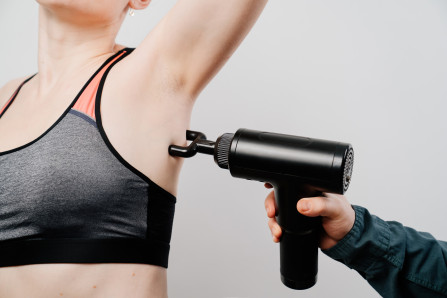
A massage gun is a handheld device that delivers rapid percussive pulses. It targets muscle tissue with short, deep impacts. The device usually has several speeds and interchangeable heads.
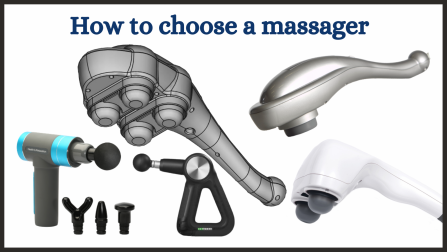
A massager is a broad category. It includes vibrating handhelds, shiatsu neck massagers, electric rollers, massage cushions, and TENS units. Massagers focus on kneading, rolling, heat, or vibration rather than percussive strikes.
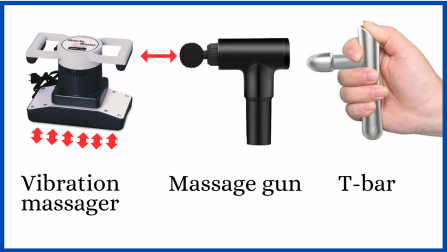
The difference between a massage gun and a massager starts here. One is a focused percussive tool. The other covers a wide range of motion styles and technologies.
How they work — mechanics explained
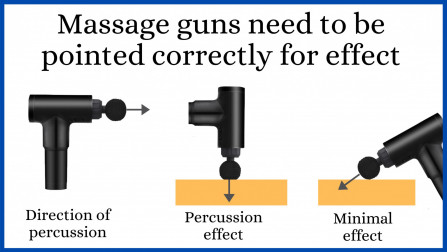
Massage guns use percussive therapy. A motor drives a piston back and forth quickly. This creates short, forceful impacts. Percussion helps the muscle relax and can reduce tightness in trigger points.
Massagers use several methods. Vibration massagers produce continuous shaking. Kneading massagers mimic hands and apply pressure in circular motions. Rollers and cushions use pressure along a surface. Heat massagers add warmth to improve blood flow.
Understanding the difference between a massage gun and a massager comes down to motion pattern, amplitude, and force. Percussive action penetrates deeper in short bursts. Kneading and vibration often feel gentler and cover wider areas.

Key differences at a glance
- Motion type: Percussion versus vibration, kneading, or rolling. The difference between a massage gun and a massager is primarily motion style.
- Depth of impact: Massage guns provide deeper, focused strikes. Massagers often provide surface-level circulation and relaxation.
- Targeting: Massage guns excel at pinpointing knots and trigger points. Massagers are better for broad areas and general comfort.
- Noise and power: Massage guns can be louder and more powerful. Massagers vary widely, from whisper-quiet to robust machines.
- Portability: Many massage guns are compact and battery-powered. Massagers range from handheld to full-size chairs.
- Price range: Both categories include budget and high-end options. Percussive guns are often pricier for the same perceived power.
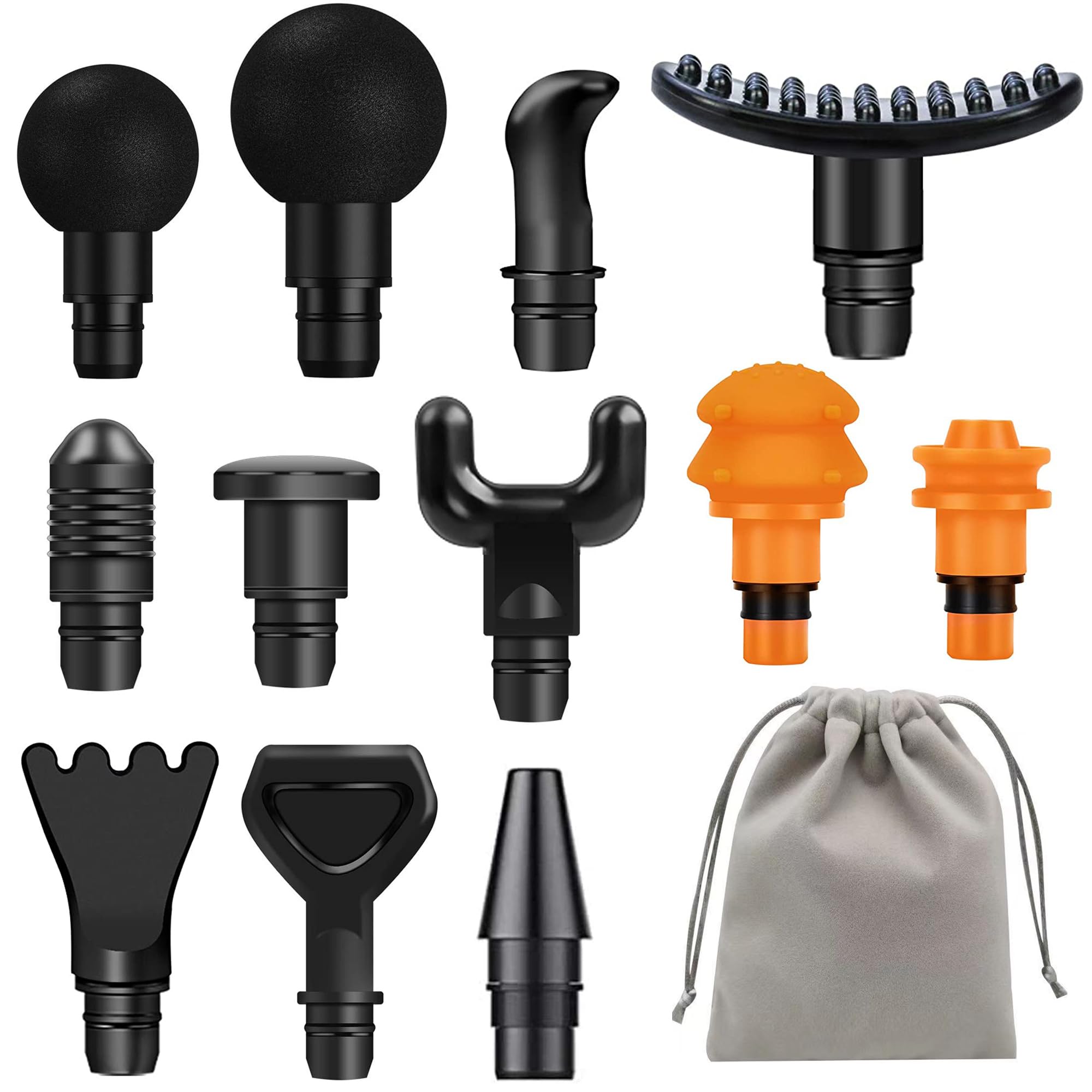
- Attachments: Massage guns usually include multiple heads. Massagers may include rollers, heat pads, or specific massage nodes.
Benefits and ideal uses
Benefits of massage guns
- Rapid relief for tight muscles. They break up knots with targeted percussive force.
- Useful for athletes and post-workout recovery. They increase short-term local blood flow.
- Portable and quick to use. A session can last 1–5 minutes per area.
Benefits of massagers
- Versatile options for relaxation and pain relief. Heated or kneading units soothe chronic tension.
- Safer for long, gentle sessions. Good for neck, back, and overall circulation.
- Often more comfortable for sensitive users. Lower intensity options are common.
The difference between a massage gun and a massager matters for your goal. Choose a massage gun for fast, deep work. Choose a massager for long, gentle relief and relaxation.
Limitations and safety considerations
Massage guns limitations
- Can be too intense for beginners or injured tissue.
- Not recommended directly on bones, joints, or bruises.
- May aggravate certain conditions like acute inflammation.
Massagers limitations
- May not reach deep trigger points effectively.
- Some electronic massagers offer low-quality motors that tire quickly.
- Heat or kneading may not suit acute injuries.
Safety tips
- Start on low settings and test for pain. Stop if sharp pain occurs.
- Avoid use over varicose veins, open wounds, or infected areas.
- Consult a medical professional if you have blood clot risks, recent surgery, or chronic conditions.
The difference between a massage gun and a massager also includes safety profiles. Percussive tools need more care. Choose carefully if you have health concerns.
How to choose the right device for you
- Know your goal: Recovery, relaxation, or pain management. If recovery and fast knot release matter, lean toward a massage gun. If relaxation and comfort matter, choose a massager.
- Consider sensitivity: Choose gentler massagers for sore or sensitive skin. Pick a massage gun only if you can tolerate deeper pressure.
- Check attachments and speeds: More heads and adjustable speeds give versatility. Look for amplitude and stall force specs on massage guns.
- Think about battery and noise: Longer battery life matters for on-the-go use. Quieter motors help if you use the device in shared spaces.
- Budget and warranty: Buy from brands with good customer support and clear warranties.
Personal tip: I test devices for at least a month before recommending. I use a massage gun twice weekly for targeted knot work and a kneading massager in the evenings for wind-down. Mixing tools works well.

Real-world comparisons and personal testing notes
I’ve used multiple massage guns and massagers. Here are lessons I learned.
- Avoid max power at first. High speed can bruise or increase soreness.
- Use the right head. A soft ball works for calves. A fork head is better near the spine.
- Limit per area time. Two minutes per spot is often enough with a massage gun.
- Combine approaches. Use a massager to warm tissue, then a massage gun for focused work.
Common mistakes to avoid
- Pressing too hard with a massage gun. Let the device do the work.
- Using massage guns on bones or joints. Stick to muscle.
- Overusing heat and percussion together on acute inflammation.
These practical tips clarify the difference between a massage gun and a massager in daily use. Both have a place. Use them wisely.
Common short questions
How long should I use a massage gun per muscle?
Use a massage gun for about 1–2 minutes per small muscle group and up to 3–5 minutes for larger groups. Excessive time can cause soreness.
Can a massager replace a professional massage?
A massager can provide regular relief and relaxation but does not fully replace a trained therapist for complex issues. Use it as a maintenance tool between sessions.
Are massage guns safe for everyday use?
They are safe when used correctly on healthy muscle tissue and at moderate intensity. Avoid using them on injured areas without professional guidance.

Frequently Asked Questions
What is the main difference between a massage gun and a massager?
The main difference is the motion: a massage gun uses percussive, high-frequency pulses, while a massager uses vibration, kneading, rolling, or heat. This leads to deeper, targeted impact from a massage gun and broader, gentler effects from massagers.
Which device is better for athletes?
A massage gun is often better for athletes because it targets trigger points and speeds short-term recovery. Massagers are helpful for warming up and longer relaxation sessions.
Can I use a massage gun every day?
You can use a massage gun regularly but limit intense sessions to avoid irritation. Short, gentle daily use is generally safe for most healthy adults.
Are there medical conditions that make these devices unsafe?
Yes. Avoid use if you have blood clotting disorders, active infections, recent fractures, or certain cardiovascular conditions. Check with a healthcare provider before use.
How do I clean and maintain these devices?
Wipe attachments with a damp cloth and mild soap, and keep motors dry. Charge batteries per manufacturer instructions and inspect heads for wear regularly.
Conclusion
You now have a clear view of the difference between a massage gun and a massager. Massage guns give targeted, percussive force for deep muscle work. Massagers provide versatile, gentler techniques for relaxation and sustained relief. Choose based on your goals, sensitivity, and health needs.
Takeaway: match the tool to your goal. Start slow, follow safety advice, and mix approaches for best results. If this helped, try one device for a month and note changes, then share your experience or subscribe for more gear guides.

