
Yes — massage devices can reduce muscle knots by increasing blood flow and easing tension.
I have worked with athletes, desk workers, and rehab clients for years, testing many massage tools. I’ll explain how and when Do massage devices reduce muscle knots, what the science says, and how to use devices safely for real relief. This guide blends practical experience, clear science, and easy tips so you can decide whether a device fits your plan to tackle muscle knots.

Today's Exclusive Deals
Limited-time Exclusive Deals. Check current discount on Amazon.
Check Price on Amazon As an Amazon Associate I earn from qualifying purchases.
How muscle knots form and why they hurt
Muscle knots are tight bands of muscle fibers that feel sore and firm. They form when fibers shorten, tense up, and stick together. Pain comes from reduced blood flow, local inflammation, and nerve sensitivity around the knot.
Common causes include poor posture, overuse, stress, dehydration, and lack of sleep. Repetitive motion, long hours at a desk, and sudden increases in exercise also create knots. Understanding causes helps you choose the right way to treat them and decide if a device will help.
How massage devices work on knots and what they actually change
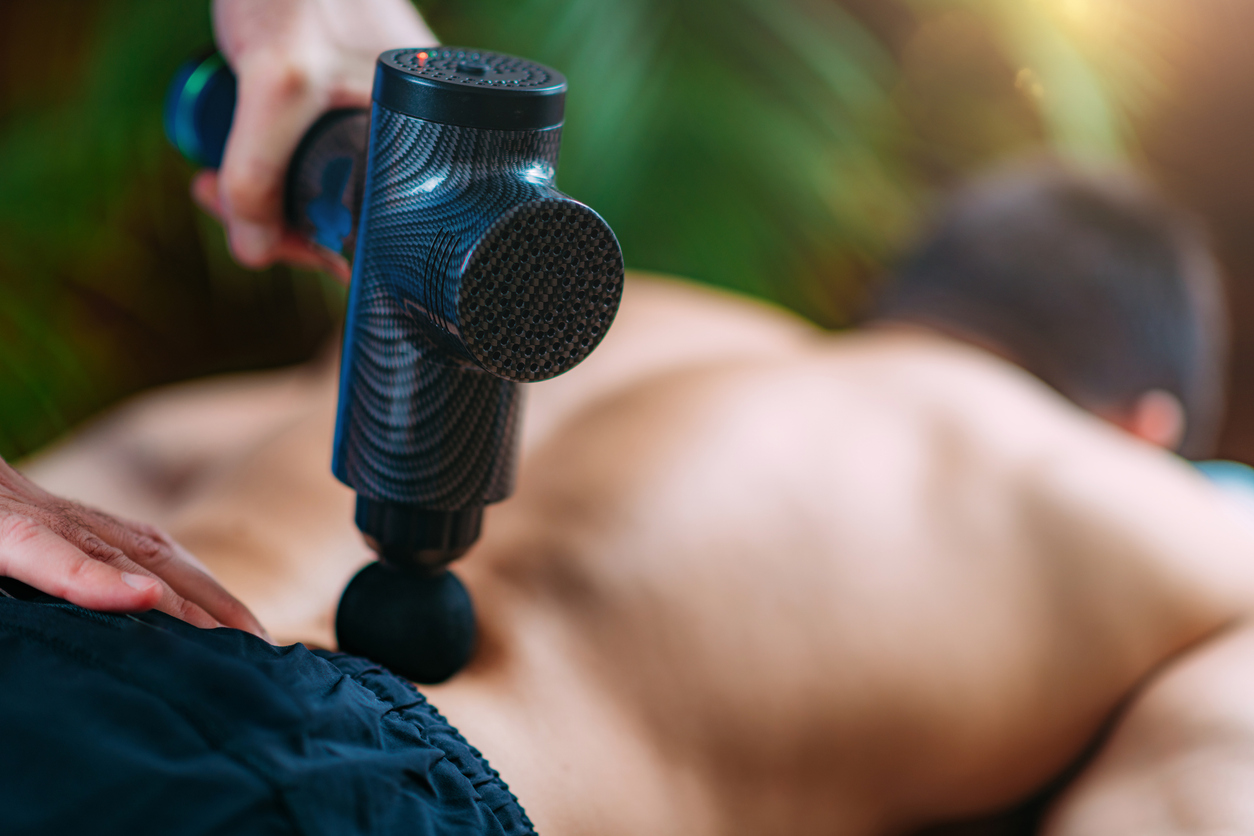
Do massage devices reduce muscle knots by affecting tissue and the nervous system. Devices use pressure, vibration, rolling, or heat to boost local blood flow. Increased flow brings oxygen and clears metabolic waste, helping fibers relax.
Devices also apply mechanical force that can stretch and break small adhesions between fibers. They stimulate sensory nerves that tell the brain to reduce muscle tone. In short, devices help both the tissue and the nervous response that keeps knots tight.

PAA-style questions about how devices work
Do portable massagers break up scar tissue?
Portable massagers can soften adhesions and scar tissue over time, but they do not erase deep scar tissue quickly. Consistent use, gentle pressure, and professional guidance speed improvement.
Can vibration help chronic tightness?
Vibration can reduce muscle tone and pain short-term by altering nerve signaling. Long-term change often needs stretching, posture work, and strength training too.
Is heat better than percussion for knots?
Heat relaxes tissue and eases stiffness, while percussion targets deeper trigger points. Combining heat first with a device often gives better results than using either alone.
What the research says: benefits and limits
Studies show mechanical massage and percussion can reduce pain and improve range of motion short-term. Research finds faster warm-up, reduced soreness after workouts, and short-lived pain relief from trigger-point devices. Evidence supports use as part of a broader program, not a one-time cure.
Limits appear in chronic, deep, or complex pain where central sensitization or structural issues exist. Devices may not fix a herniated disc, nerve entrapment, or advanced tendon problems. Transparent expectations help you use devices wisely and avoid overreliance.
Types of massage devices and which are best for knots
Different devices work better for particular needs. Choose based on depth, control, and portability.
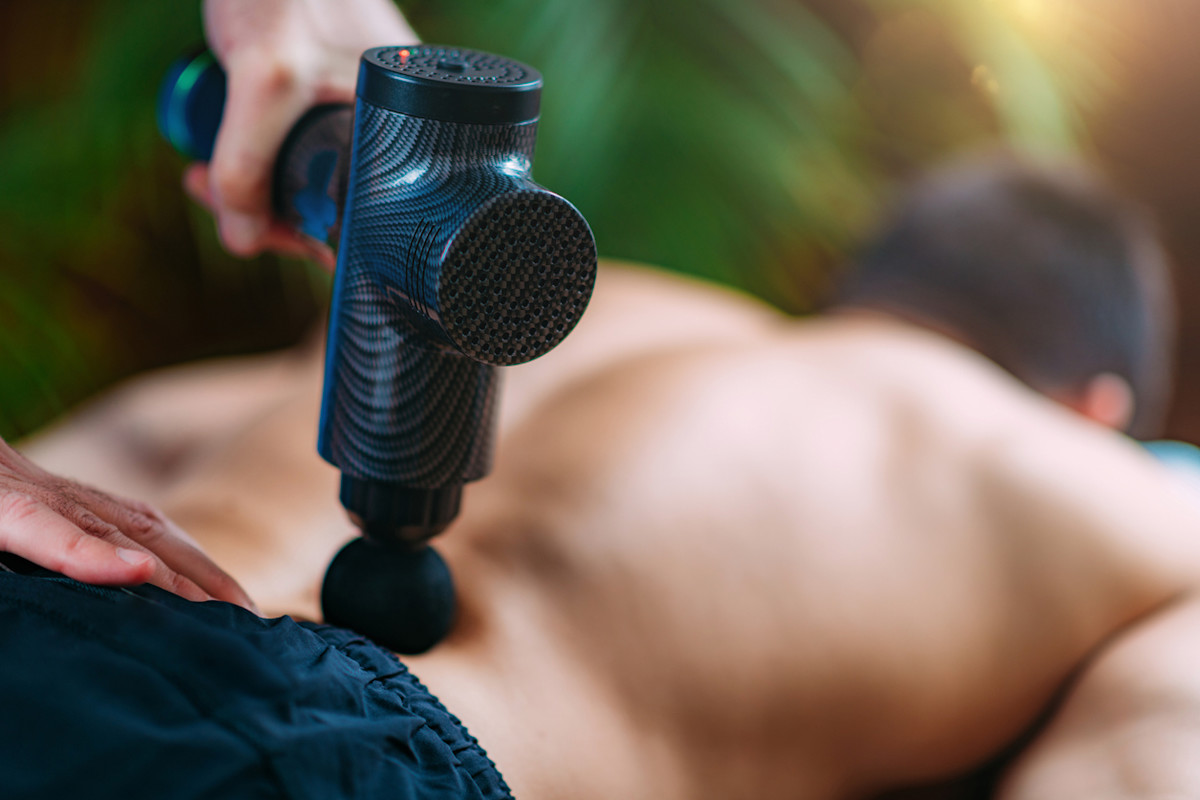
- Percussion guns: Good for deep, quick pulses to reach tight trigger points. Use for short bursts and avoid bony areas.
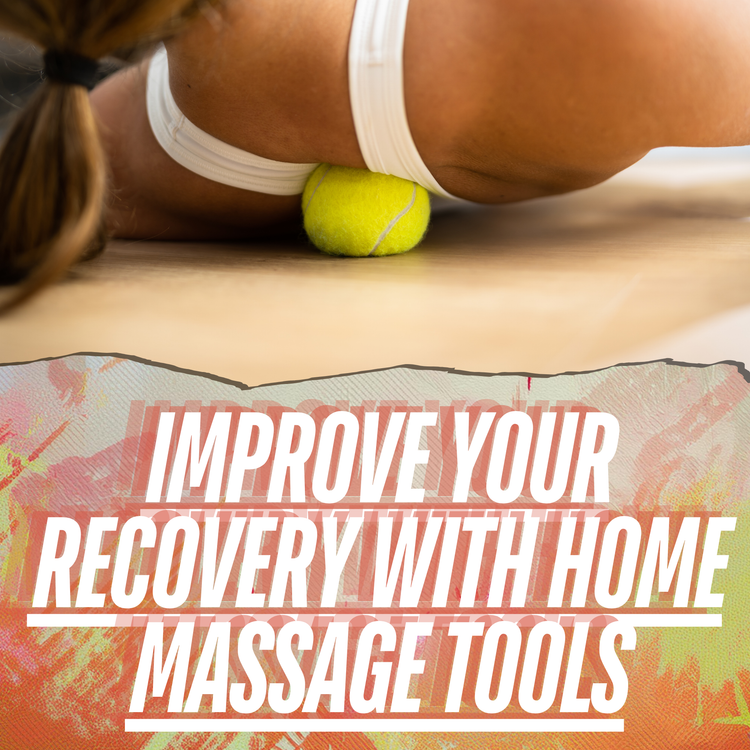
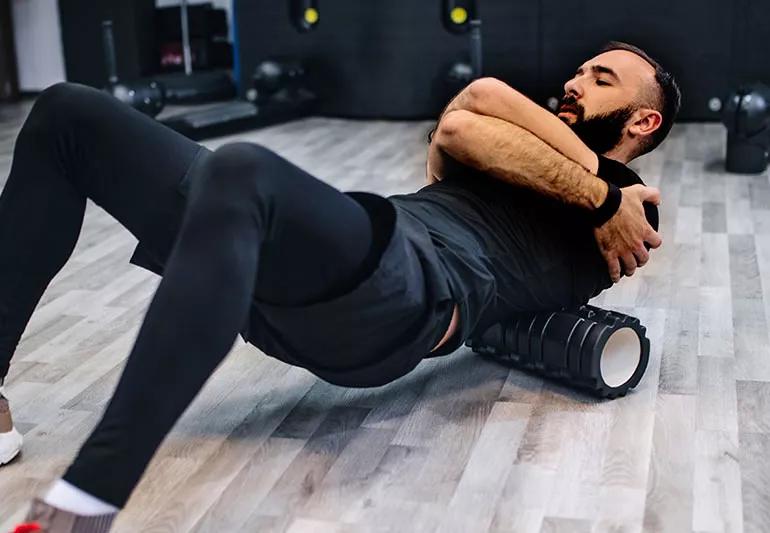
- Foam rollers and massage sticks: Great for longer strokes, myofascial release, and easy home use. They work well for larger muscles.
- Handheld vibrators and rollers: Offer targeted vibration and moderate depth. They are simple and safe for daily use.
- TENS units: Mostly affect pain perception, not tissue mechanics. They help pain but not always knot structure.
- Heat-capable massagers: Combine warmth with massage to relax tissue and increase comfort.
If you ask Do massage devices reduce muscle knots for desk-related tightness, rollers and handhelds often solve most issues. For stubborn, deep knots, percussion guns can help but use caution.
How to use massage devices safely and effectively
Use devices with clear steps and limits to avoid harm.
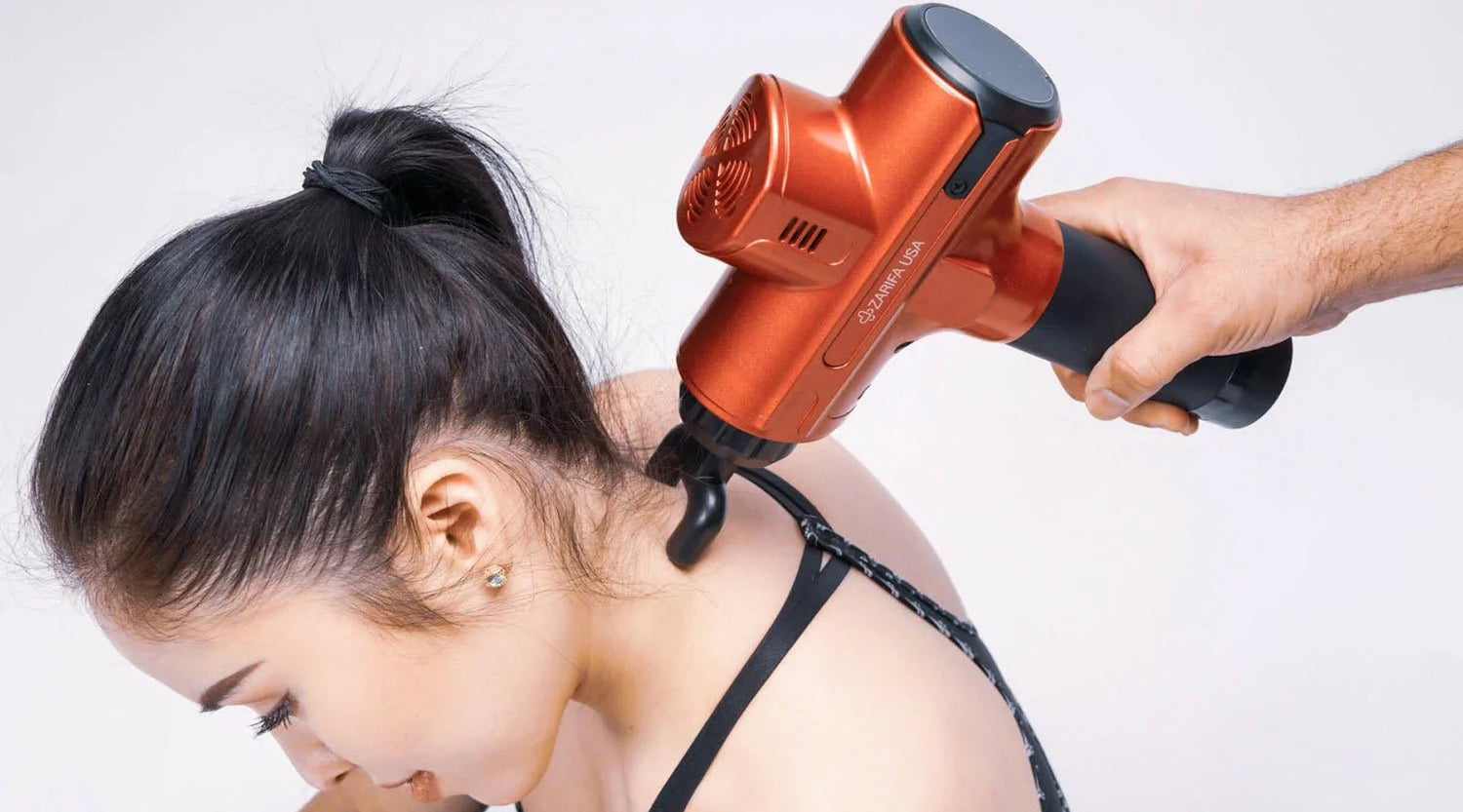
- Start gently and build up pressure slowly. Spend 30–90 seconds on tight spots, then re-evaluate.
- Limit single-site percussion to 1–2 minutes. Overworking tissue can increase soreness.
- Combine with heat or a warm shower to loosen tissue first. Follow with stretching and movement.
- Maintain good posture and ergonomic adjustments to prevent recurrence. Devices relieve symptoms but fixing habits prevents new knots.
- Stop if you feel sharp pain, numbness, tingling, or if symptoms worsen. Seek professional care when in doubt.
In my practice, simple routines work best: five minutes of rolling or percussion after a short warm-up, then two targeted stretches. This routine often beats long, aggressive sessions that leave people sore.
Practical examples and routines that helped my clients
I coached a graphic designer with upper trapezius knots. We used a small handheld massager, combined with shoulder blade squeezes and short walks. Within two weeks, she reported less neck pain and fewer headaches.
An amateur runner had calf knots after increasing mileage. We used a foam roller and a percussion gun for two weeks, plus calf stretches and hydration. Pain improved and pace returned to normal.
Key lessons I learned:
- Be consistent and mild at first. Small, regular sessions prevent flare-ups.
- Pair devices with movement and posture work.
- Devices help most when used as part of a plan, not as a lone fix.

Source: clevelandclinic.org
When to see a professional and safety considerations
Devices can help many people, but not all conditions are safe for self-treatment. See a clinician if you have:
- Severe, worsening pain or swelling.
- Numbness, weakness, or nerve symptoms.
- A known medical condition like deep vein thrombosis, infection, or recent fracture.
- Unclear cause or pain that does not improve with conservative care.
Follow device manufacturer instructions and consult a licensed therapist for persistent knots. Professional manual therapy or medical evaluation may be necessary when devices can’t resolve the issue.

Frequently Asked Questions about Do massage devices reduce muscle knots
Do massage devices reduce muscle knots immediately?
Many people feel immediate relief from massage devices due to increased blood flow and nerve modulation. The relief is often short-term and works best when combined with stretching and posture changes.
How often should I use a massage device for knots?
Use a device daily for short sessions of 5–10 minutes on problem areas, or as needed after activity. Avoid long, intense sessions; consistent, gentle work is safer and more effective.
Can a massage gun make knots worse?
Yes, overuse or too much pressure can inflame tissue and make knots worse. Use controlled pressure, short bursts, and stop if pain is sharp or radiating.
Are massage devices better than a therapist for knots?
Massage devices are useful tools but cannot fully replace a skilled therapist for complex or chronic knots. Therapists add assessment, tailored techniques, and hands-on adjustments that devices cannot replicate.
Will stretching alone remove muscle knots?
Stretching helps but may not fully resolve tight adhesions or trigger points on its own. Combining stretching with massage devices or manual therapy gives better results.
Conclusion
Massage devices can reduce muscle knots by improving blood flow, loosening adhesions, and changing nerve signals. They work best when you use them correctly, combine them with movement and posture changes, and set realistic expectations. Try short, regular sessions, pair devices with stretching, and consult a professional for persistent or complex pain. If this guide helped, leave a comment about your experience, subscribe for more practical tips, or explore further resources to build a safe routine that keeps knots from coming back.

