
Yes — balance balls can be used as office chairs for short, active sitting periods.
I write about workplace health and have tested alternative seating for years. If you wonder, "Can balance balls be used as office chairs?" this guide walks you through the how, the why, and the when. I’ll share what the research and my own experience show. Read on to learn safe ways to try a balance ball at your desk, clear pros and cons, and practical tips to get it right.

Today's Exclusive Deals
Limited-time Exclusive Deals. Check current discount on Amazon.
Check Price on Amazon As an Amazon Associate I earn from qualifying purchases.
Benefits of using balance balls as office chairs
Can balance balls be used as office chairs to boost comfort and movement? Yes, for some people they can add value. A balance ball promotes gentle movement. It nudges your core and lower back to stay active. This can help fight the stiffness that builds from long static sitting.
Practical benefits include:
- Increased micro-movement that can reduce stiffness.
- Light core engagement that may improve posture awareness.
- A low-cost, portable seat for hot desks or short tasks.
- Fun and variety that can break the monotony of a standard chair.
Use short sessions at first. Treat the ball as a tool, not a full chair substitute for all-day use.
Risks and limitations of balance balls as office chairs
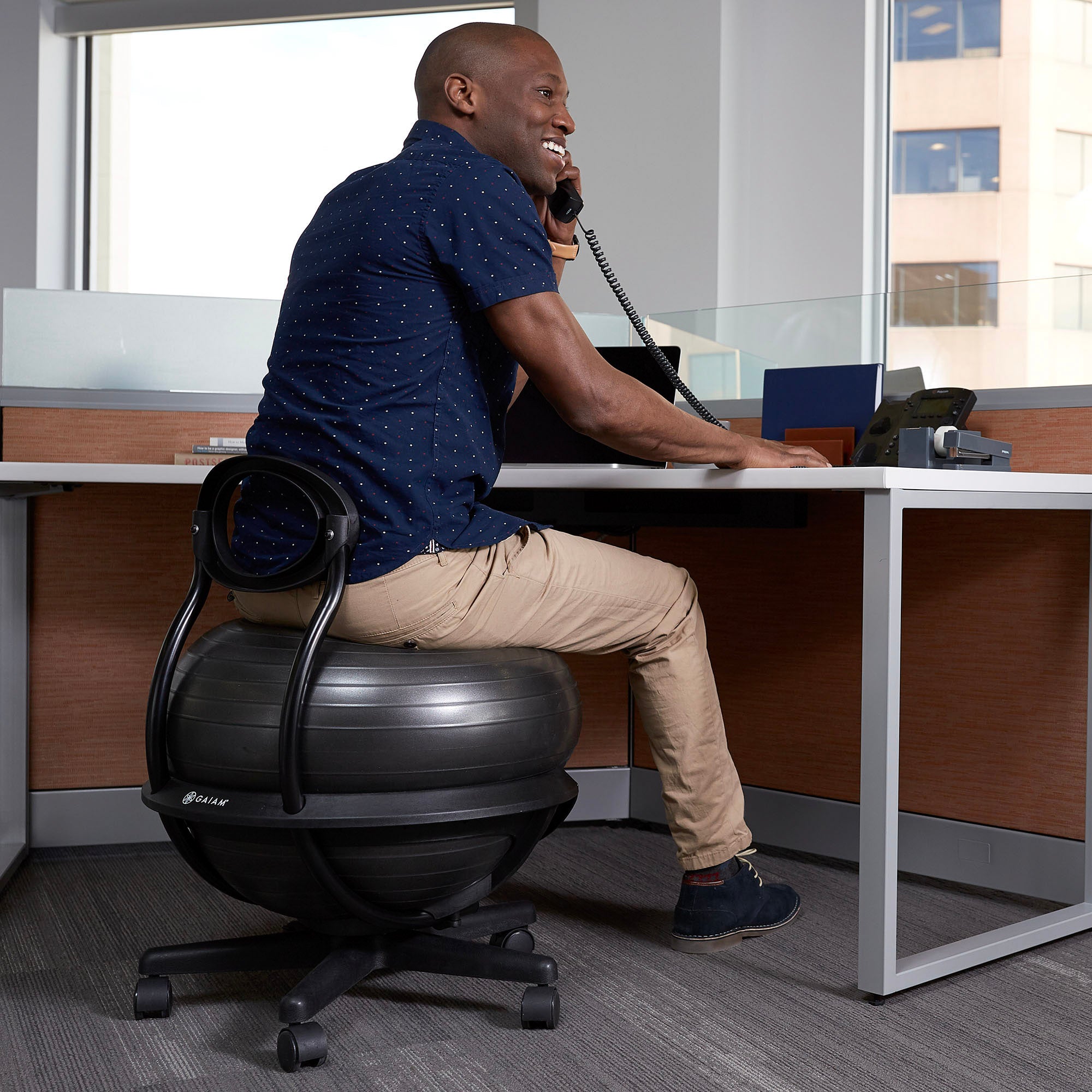
Can balance balls be used as office chairs without risk? Not always. They lack back support and armrests. That raises the risk of slouching or neck strain during long work bouts. For people with balance issues, recent injuries, or certain spine problems, a ball can be unsafe.
Common downsides:
- No lumbar support for long hours.
- Increased fatigue if used too long.
- Higher fall risk for some users.
- Not ideal for tasks that need steady hand or long focus.
Be honest with your body. Stop if you feel pain or new strain. Balance balls are best for limited, planned use.

How to use a balance ball safely at your desk
If you decide "Can balance balls be used as office chairs" applies to you, follow safe steps. Start with 10–15 minute sessions. Gradually add time as your balance and comfort improve. Keep your feet flat on the floor and your knees at about hip height.
Setup checklist:
- Choose the right size ball for your height.
- Inflate to a firm but slightly yielding feel.
- Place the ball on a non-slip mat to prevent sliding.
- Keep your keyboard and screen at ergonomic height.
Simple daily routine:
- Sit for 10 minutes while answering emails.
- Stand for 5 minutes and stretch.
- Repeat with short sits for up to 30–45 minutes total.
Will sitting on a balance ball burn more calories?
Sitting on a balance ball adds small muscle work. You may burn slightly more calories than a static chair. It is not a weight-loss tool, but it boosts light activity.
How often should I switch between a ball and a chair?
Switch often. Aim to alternate every 30 to 60 minutes. This mix reduces strain and keeps both comfort and focus.
Who should and should not use balance balls as office chairs
Can balance balls be used as office chairs for everyone? No. They suit some groups and not others. They work well for people who want short bursts of active sitting and who have no major balance or spine issues.
Good candidates:
- People with mild low-back stiffness who want more movement.
- Office users with flexible schedules who can test short sessions.
- Teams that want low-cost ergonomic options for part-time use.
Not recommended for:
- People with recent falls, dizziness, or balance disorders.
- Those with severe low-back pain or spinal conditions without medical clearance.
- Tasks that need a very steady posture for long stretches.
Ask a clinician if you have medical concerns. Safety first.

How to choose the right balance ball for office use
When thinking "Can balance balls be used as office chairs," size and quality matter. Pick the right diameter for your height to get a good hip-knee angle. A durable, burst-resistant ball is safer for office use.
Quick buying guide:
- 55 cm ball for heights 4'11" to 5'6".
- 65 cm ball for heights 5'7" to 6'1".
- 75 cm ball for heights over 6'1".
- Look for ant-burst rating and textured surface.
- Buy a pump and a non-slip mat.
Test before long use. A poorly sized ball creates more problems than it solves.

Personal experience and practical tips
I tested balance balls in my home office for months. I used a 65 cm ball and alternated it with an ergonomic chair. At first, I did 10 minutes on, then 20 minutes off. The ball helped me sit less rigidly. My core felt engaged and my hips loosened after a week.
Lessons learned:
- Start slow. My first mistake was sitting too long. That caused fatigue.
- Use a mat. The ball slid on my hardwood floor once.
- Combine with standing breaks. The mix improved my focus.
Try a short trial week. Note how your back, neck, and focus respond. Adjust time and setup as needed.

Ergonomics comparison: balance ball vs ergonomic office chair
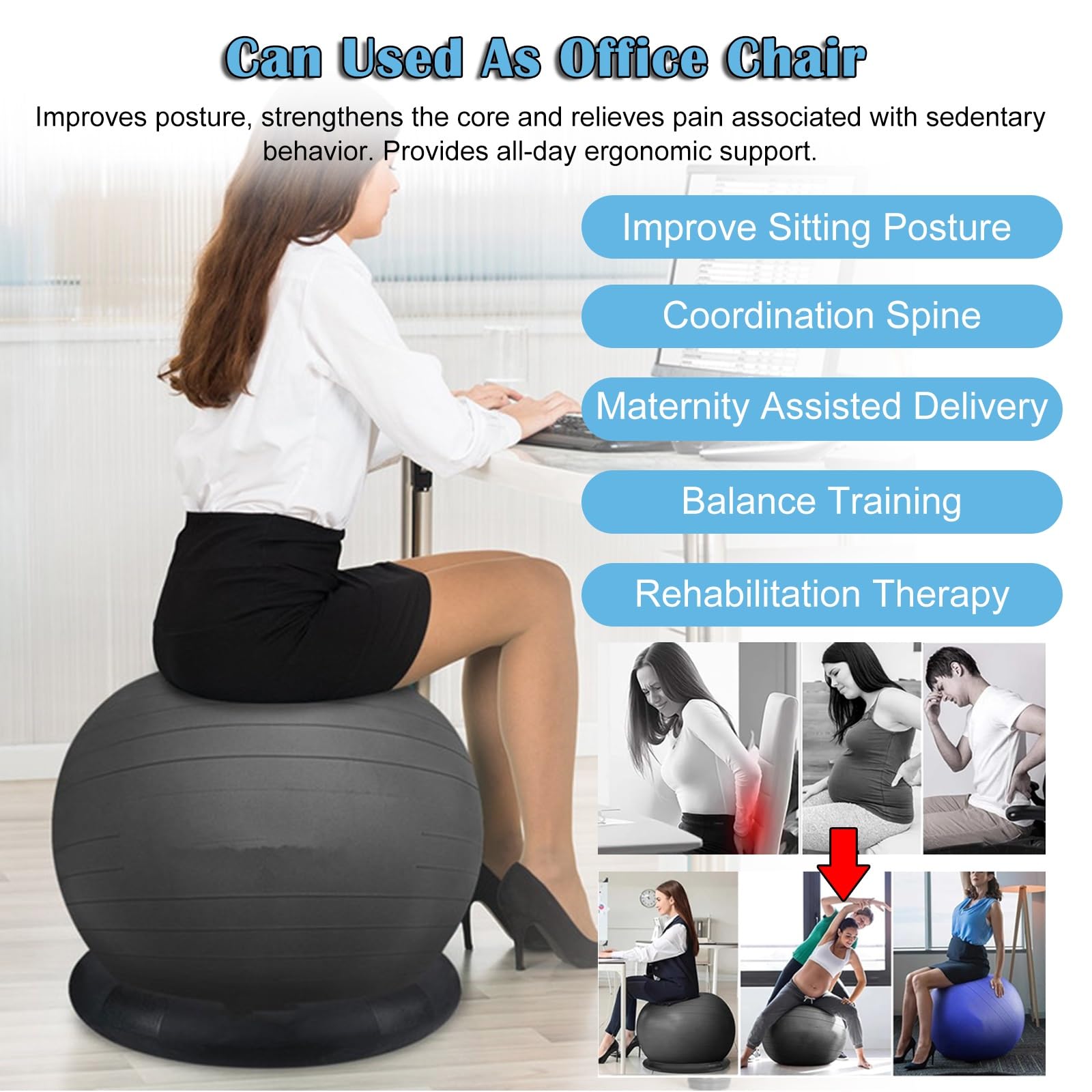
Ask directly: Can balance balls be used as office chairs instead of a true ergonomic chair? For many tasks, no. An ergonomic chair gives sustained lumbar support, adjustable height, and armrests. A balance ball gives movement and core work but little support.
Key comparison points:
- Support: Ergonomic chair wins for long hours.
- Movement: Balance ball wins for micro-movement.
- Cost: Balance balls are cheaper upfront.
- Safety: Chairs are safer for users with balance issues.
Best approach: mix both. Use the ball for short active sessions and a good chair for long, focused work.
Frequently Asked Questions of Can balance balls be used as office chairs
Are balance balls better than chairs for posture?
Balance balls can encourage active sitting and posture awareness. For long-term posture support, an ergonomic chair is usually better.
How long can I sit on a balance ball each day?
Start with 10–15 minute blocks and work up to 30–45 minutes total. Avoid sitting on the ball for many continuous hours.
Do balance balls reduce back pain?
Some people report less stiffness and more mobility. Others may feel more strain without proper use. If you have chronic pain, consult a clinician first.
Can I use a balance ball with a wheeled desk chair nearby?
Yes, but keep the ball on a stable mat and avoid rolling hazards. A separate ball and chair work well as a rotation system.
Will a balance ball improve my core strength?
You will get light core activation from active sitting. It is not a substitute for targeted core exercise, but it can complement a fitness routine.
Conclusion
Balance balls can be used as office chairs for short, active sitting and for people who benefit from more movement. They are not a full replacement for a supportive ergonomic chair during long workdays. Start slowly. Match ball size to your height. Use a mat and alternate with a proper chair. Try a trial week and listen to your body to see if this tool helps you work more comfortably.
Take action: test a short ball session this week. Note how your back and focus change. If you find benefits, build a safe routine and share your experience in the comments.

