Are you looking to burn fat, build strength, and boost your energy—all without leaving your home? High-Intensity Interval Training (HIIT) might be just what you need.
But with so many workouts out there, how do you find the best HIIT routine tailored for your home gym? This guide will help you discover a powerful, effective workout that fits your space and your goals. Keep reading, because your perfect HIIT plan is closer than you think.
Today's Exclusive Deals
Limited-time Exclusive Deals. Check current discount on Amazon.
Check Price on Amazon As an Amazon Associate I earn from qualifying purchases.
Benefits Of Hiit At Home
HIIT stands for High-Intensity Interval Training. It is a workout that mixes short bursts of hard exercise with rest periods. Doing HIIT at home saves time and money.
Many people like HIIT because it fits well in busy schedules. You can do it without fancy gym machines. It also helps improve your health fast.
Time Efficiency
HIIT workouts are short but intense. You can finish a session in 15 to 30 minutes. This makes it easy to add exercise to your day.
Short workouts help keep your energy up. You do not need to spend hours exercising to get results.
Minimal Equipment Needed
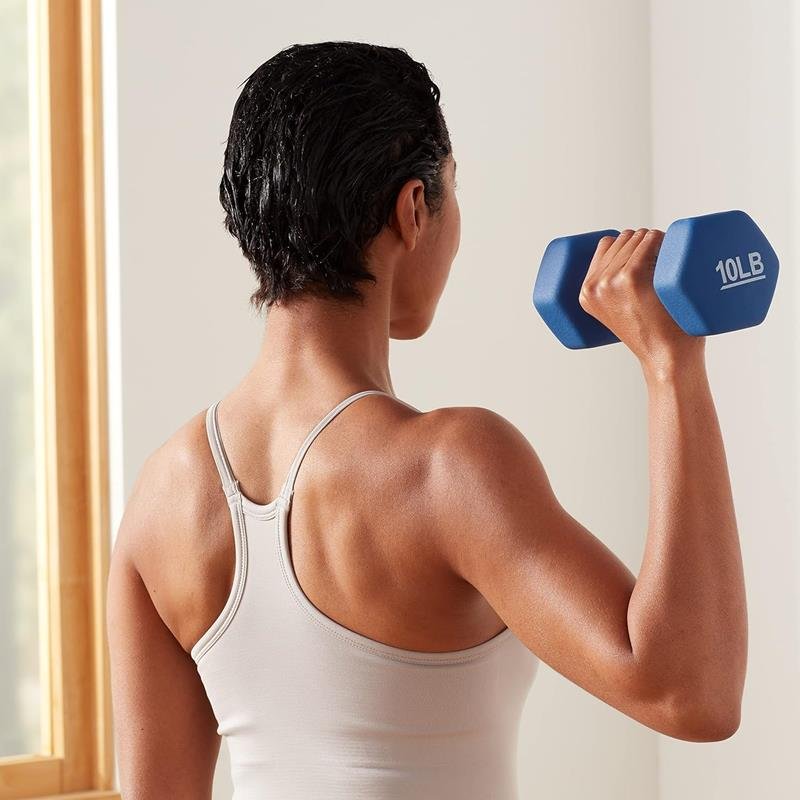
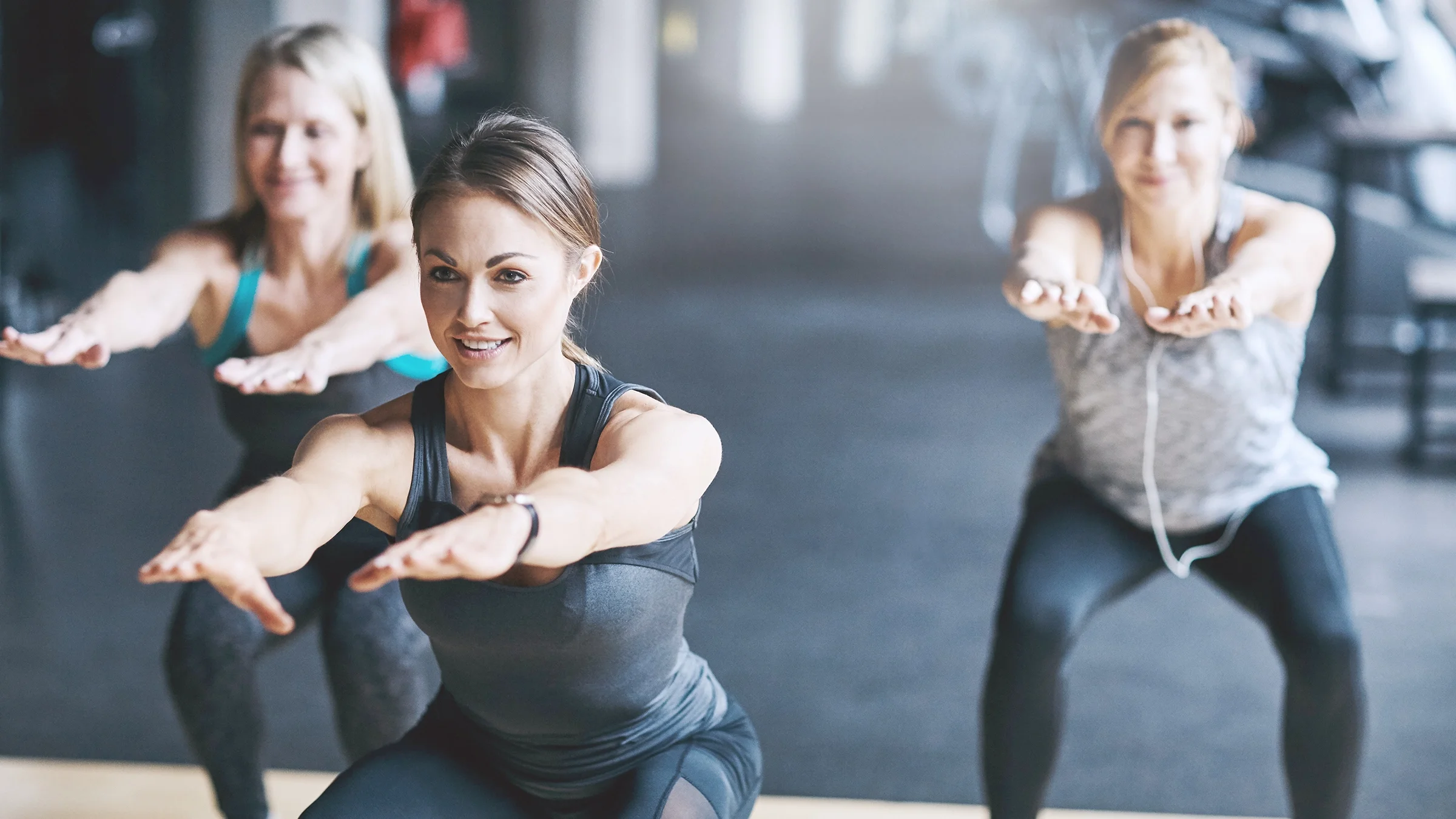
You can do many HIIT exercises with no equipment. Bodyweight moves like jumping jacks or squats work well. You only need a small space.
Using simple tools like dumbbells or a jump rope can add variety. You do not need machines or weights to get a good workout.
Boosts Metabolism
HIIT raises your heart rate and burns calories fast. It helps your body burn fat even after the workout ends. This effect is called afterburn.
Because of this, HIIT can help with weight management. It speeds up how your body uses energy throughout the day.
Improves Cardiovascular Health
HIIT strengthens your heart and lungs. It improves how well your body delivers oxygen. This helps you feel fitter and have more energy.
Regular HIIT workouts can lower blood pressure and reduce risk of heart disease. It supports long-term heart health.
Key Elements Of Effective Hiit
High-Intensity Interval Training, or HIIT, is a workout that mixes short bursts of hard exercise with rest times. It is great for home gyms because it needs little space and no special machines.
To get the best results, your HIIT workout must have some important parts. These parts help you burn fat, build strength, and improve fitness fast.
Intensity Levels
HIIT means working out at very high effort for short times. You should push yourself hard during the active intervals. This helps your heart and muscles work better.
Try to reach about 80 to 95 percent of your maximum effort. Use a scale from 1 to 10, and aim for 8 or 9 during intense moments.
Interval Durations
Intervals are the times you work hard or rest. Good HIIT workouts have short work periods, usually from 20 to 40 seconds. Longer work intervals can also be done but need more rest.
Short intervals keep your energy high and make the workout easier to finish. You can try different work times to find what fits you best.
Exercise Variety
Using different exercises helps you work many muscles. It also keeps the workout interesting. You can mix moves like jumping jacks, squats, push-ups, and burpees.
Change exercises each session or every few minutes. This stops boredom and improves your overall fitness.
- Jumping jacks for cardio
- Squats for legs
- Push-ups for upper body
- Burpees for full body
- Mountain climbers for core
Rest Periods
Rest is as important as work in HIIT. It lets your body recover before the next hard effort. Rest times usually last from 10 to 30 seconds.
The rest length depends on how hard and long your work intervals are. Short work needs short rest. Longer or harder work needs longer rest.
- 20 seconds work, 10 seconds rest for beginners
- 30 seconds work, 15 seconds rest for intermediate
- 40 seconds work, 20-30 seconds rest for advanced
Essential Equipment For Home Hiit
High-Intensity Interval Training (HIIT) works well at home with the right tools. You do not need a lot of space or fancy machines. Simple equipment can make your workouts effective.
This guide covers key equipment to build a good home HIIT setup. Each item helps improve strength, speed, and endurance in your sessions.
Resistance Bands
Resistance bands are lightweight and easy to store. They add extra challenge to your exercises by providing tension.
You can use bands to work your arms, legs, and core. They come in different strengths for beginners to advanced users.
- Help build muscle without heavy weights
- Good for warm-ups and cool-downs
- Portable and affordable
Dumbbells And Kettlebells
Dumbbells and kettlebells add weight training to your HIIT routine. They help increase strength and power fast.
Choose a pair of dumbbells and one kettlebell with weights you can lift safely. You can do many moves like swings, presses, and squats.
- Dumbbells for controlled, balanced exercises
- Kettlebells for dynamic, full-body moves
- Adjust weights as you grow stronger
Jump Rope
A jump rope improves your cardio and foot speed. It is a simple tool that burns calories quickly.
You can use it for short bursts of fast jumping during your HIIT intervals. It requires little space and helps with coordination.
- Light and easy to carry
- Great for warm-ups and cardio bursts
- Adjust length for your height
Mat And Space Requirements
A good exercise mat protects your joints and prevents slipping. It makes floor exercises more comfortable.
Clear enough space to move freely. You need room to jump, stretch, and use your equipment safely.
- Choose a non-slip, cushioned mat
- Clear about 6 feet by 6 feet of space
- Keep area free of obstacles
Top Hiit Workouts For Home Gym
HIIT workouts are great for quick and effective exercise at home. They combine short bursts of intense activity with rest periods.
You can do many types of HIIT workouts without special equipment. This guide covers popular options for your home gym.
Bodyweight Blast
Bodyweight Blast uses only your body weight for all exercises. It is perfect for small spaces and no equipment.
Moves like push-ups, squats, and jumping jacks raise your heart rate fast. You can repeat circuits for a full workout.
- Jumping jacks – 30 seconds
- Push-ups – 20 seconds
- Bodyweight squats – 30 seconds
- Mountain climbers – 20 seconds
- Rest – 30 seconds
Strength And Cardio Combo
This workout mixes strength moves with cardio bursts. You can use dumbbells or resistance bands if you have them.
It builds muscle and boosts heart health. Alternate lifting and fast cardio for best results.
- Dumbbell squats – 30 seconds
- High knees – 30 seconds
- Push presses – 30 seconds
- Burpees – 30 seconds
- Rest – 30 seconds
Low-impact Hiit
Low-Impact HIIT is gentle on joints but still effective. It suits beginners or people with injuries.
Moves avoid jumping or harsh landings. Keep your heart rate up with controlled, smooth actions.
- Step touch side to side – 30 seconds
- Wall push-ups – 20 seconds
- Seated leg lifts – 30 seconds
- Marching in place – 30 seconds
- Rest – 30 seconds
Tabata Style Routines
Tabata uses 20 seconds of work and 10 seconds of rest. It repeats for eight rounds, totaling four minutes.
This quick format fits well in busy schedules. You can do many exercises in Tabata style.
- Burpees – 20 seconds work, 10 seconds rest
- Jump squats – 20 seconds work, 10 seconds rest
- Push-ups – 20 seconds work, 10 seconds rest
- Plank hold – 20 seconds work, 10 seconds rest
Sample Hiit Routine For Beginners
HIIT workouts are short and intense exercises with rest periods. They help improve fitness and burn fat fast.
This routine is simple and perfect for beginners at home. It needs no special equipment.
Warm-up Exercises
Warming up prepares your body for the workout. It reduces the chance of injury and improves performance.
Spend about 5 minutes on light movements to get your muscles ready.
- March in place for 1 minute
- Arm circles forward and backward, 30 seconds each
- Leg swings front and side, 30 seconds each leg
- Hip circles for 1 minute
- Gentle jumping jacks for 1 minute
Main Workout Sequence
This HIIT routine has 4 exercises. Each lasts 30 seconds, then rest for 30 seconds. Repeat 3 rounds.
- Jumping Jacks:Jump feet out and raise arms overhead.
- Bodyweight Squats:Bend knees and lower hips, then stand up.
- Push-Ups:Keep body straight and lower chest to floor.
- High Knees:Run in place, lifting knees high.
Rest for 1 minute after completing all rounds.
Cooldown And Stretching
Cooling down helps your heart rate return to normal. Stretching reduces muscle tightness.
Spend 5 minutes doing gentle stretches after your workout.
- Hamstring stretch: Sit and reach for your toes, hold 20 seconds
- Quad stretch: Stand and pull one foot behind, hold 20 seconds each leg
- Shoulder stretch: Bring one arm across chest, hold 20 seconds each side
- Cat-cow stretch: On hands and knees, arch and round your back slowly, 1 minute
Advanced Hiit Options At Home
High-Intensity Interval Training (HIIT) is great for home workouts. It burns fat and builds strength in a short time.
Advanced HIIT moves can make your sessions harder and more effective. Try using weights, plyometrics, and circuits.
Incorporating Weights
Adding weights makes HIIT workouts stronger. Use dumbbells or kettlebells for added resistance.
Weighted exercises help build muscle while you work on cardio. Keep weights light to avoid injury.
- Weighted squats
- Dumbbell swings
- Goblet lunges
- Overhead presses
Plyometric Moves
Plyometrics include jumping and explosive moves. They improve power and speed during HIIT.
Try these moves carefully to avoid joint strain. Use soft surfaces if possible.
- Jump squats
- Burpees with a jump
- Box jumps
- Clapping push-ups
Increased Interval Intensity
Make your intervals harder by working faster or longer. Push your limits safely.
Shorten rest times or add more rounds. This keeps your heart rate high for fat burn.
- Work for 40 seconds, rest 20 seconds
- Repeat cycles 6 to 8 times
- Use a timer to track intervals
- Focus on form to avoid injury
Circuit Training
Circuit training uses several exercises in a row with little rest. It keeps your body moving.
This style blends strength and cardio. Circuits build endurance and strength at the same time.
- Set 4-6 exercises per circuit
- Include push, pull, and leg moves
- Rest 1-2 minutes after each circuit
- Repeat circuits 3 times
Tips To Maximize Hiit Results
High-Intensity Interval Training (HIIT) is a fast and effective way to exercise at home. You can get strong and fit with short, powerful workouts.
To get the best results from your HIIT workouts, focus on key habits and smart choices. These tips will help you improve safely and stay motivated.
Consistency And Progression
Do your HIIT workouts regularly to build strength and stamina. Skipping workouts can slow your progress. Aim for at least three sessions per week.
Increase the difficulty slowly. Add more time, more sets, or harder exercises as you get stronger. This helps avoid injury and keeps your body challenged.
- Set a weekly workout schedule
- Track your workout time and intensity
- Add new exercises or increase reps gradually
Nutrition And Hydration
Good food fuels your HIIT workouts. Eat balanced meals with protein, carbs, and healthy fats. This helps your muscles recover and grow.
Drink enough water before, during, and after exercise. Staying hydrated keeps your energy up and helps your body work well.
- Eat lean protein like chicken or beans
- Include whole grains and vegetables
- Drink water regularly throughout the day
Tracking Performance
Keep track of your workouts to see your progress. Write down your exercises, sets, and how you feel after each session.
Use a timer or app to measure intervals and rest periods. This helps you stay on track and improve your fitness over time.
- Note exercises and reps done each workout
- Record workout duration and rest times
- Check your energy and recovery levels
Avoiding Common Mistakes
Do not rush through exercises with bad form. Poor technique can cause injuries. Focus on quality movements for the best results.
Do not skip warm-ups or cool-downs. Warming up prepares your body. Cooling down helps you recover and reduces soreness.
- Keep good posture during all exercises
- Warm up with light cardio before HIIT
- Stretch gently after your workout
- Rest if you feel pain or extreme fatigue

Safety And Precautions
Doing a HIIT workout at home can be very effective. It is important to keep safety in mind to avoid injuries.
Following some simple precautions will help you exercise safely and get the best results.
Proper Form And Technique
Using the right form helps prevent injuries and improves workout results. Always focus on how you move your body.
Start slow and practice each exercise before increasing speed or intensity. Watch yourself in a mirror or record your movements.
- Keep your core tight during exercises
- Land softly to reduce joint impact
- Avoid locking your joints when exercising
- Keep your neck and spine aligned
- Use controlled movements rather than rushing
Listening To Your Body
Pay attention to how your body feels during workouts. Stop if you feel pain or dizziness.
It is normal to feel tired or breathe hard, but sharp pain or discomfort means you should rest.
- Take breaks when needed
- Drink water to stay hydrated
- Adjust intensity based on your energy
- Do a proper warm-up and cool-down
Modifying Workouts
Not all HIIT exercises suit every fitness level. Change exercises to match your strength and skill.
Use easier versions of moves if needed. Gradually increase difficulty as you get stronger.
- Reduce jump height or skip jumps
- Use bodyweight only before adding weights
- Lower speed to maintain control
- Shorten intervals for more rest
When To Consult A Professional
Talk to a doctor or trainer before starting HIIT if you have health issues or injuries. They can guide you safely.
See a professional if you feel unusual pain or if you are not sure about your form or workout plan.
- Heart conditions or high blood pressure
- Joint or muscle injuries
- Pregnancy or recent surgery
- Chronic health conditions
- New to exercise or unsure about techniques
Frequently Asked Questions
What Equipment Is Needed For A Home Hiit Workout?
Minimal equipment is needed for home HIIT workouts. Bodyweight exercises work well. Optional items include dumbbells, resistance bands, or a jump rope for added intensity and variety.
How Long Should A Hiit Workout Last At Home?
A home HIIT workout typically lasts 15 to 30 minutes. Short bursts of intense effort followed by rest maximize fat burning and cardiovascular benefits efficiently within this timeframe.
Can Beginners Do Hiit Workouts Safely At Home?
Yes, beginners can safely do HIIT at home. Start with low-impact exercises and shorter intervals. Gradually increase intensity and duration as fitness improves to avoid injury.
How Often Should I Do Hiit Workouts Weekly?
Aim for 3 to 4 HIIT sessions per week. This frequency balances intensity and recovery, promoting fat loss and muscle gain without overtraining.
Conclusion
Choosing the best HIIT workout for your home gym is personal. Consider your space and equipment. Start with simple exercises. Jumping jacks, squats, and burpees work well. Mix them up for variety. Keep sessions short, around 20 minutes. Stay consistent for best results.
Listen to your body to avoid injury. Enjoy the process and track progress. Remember, consistency beats intensity. Keep workouts fun and engaging. This keeps motivation high. A good HIIT routine fits your lifestyle. Find what works best for you. Stay active, and enjoy your fitness journey at home.
Related Post:
🚴♂️7 Best Recumbent Exercise Bikes ( Top Picks With Buying Guide )
10 Best Indoor Cycling Bikes (For Ultimate Home Cardio Experience)
🚣♀️8 Best Rowing Machines For Home ( Top Picks With Buying Guide )