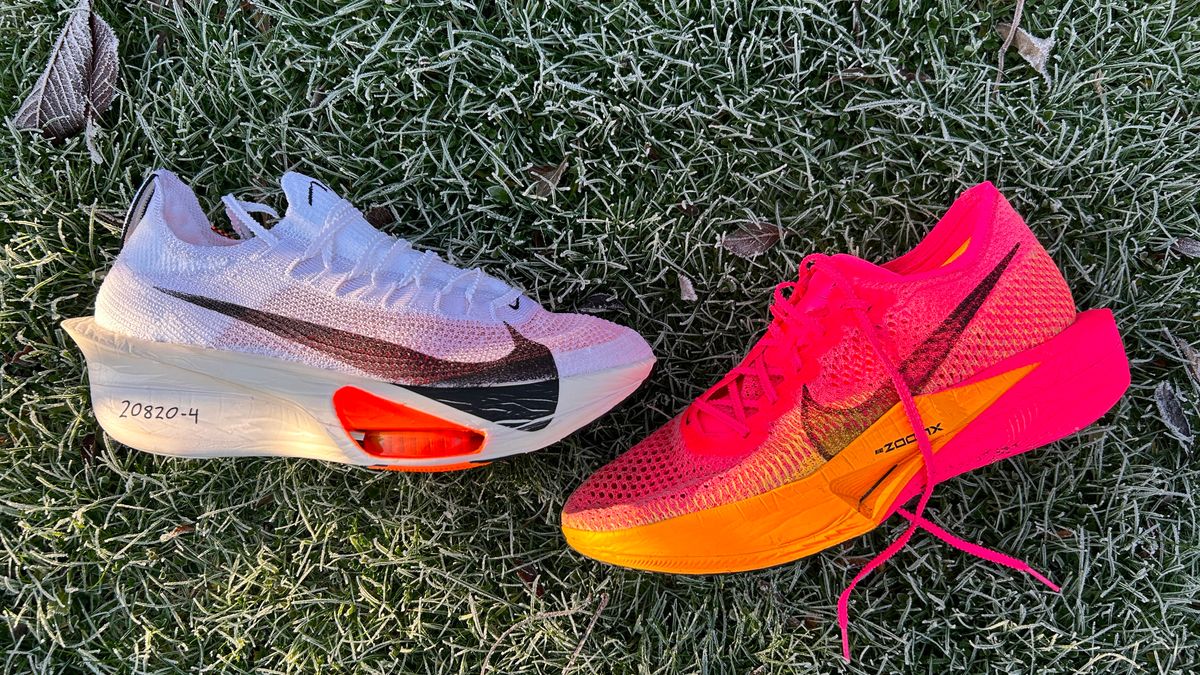
When Nike released the Vaporfly, it changed the world of running shoes almost overnight. Athletes began smashing records, and everyone wanted to know the secret behind those bright, thick-soled sneakers. But Nike didn’t stop there—they took their innovation further and brought out the Alphafly. This next step in running technology quickly made headlines, with Eliud Kipchoge wearing them to break the two-hour marathon barrier. Many runners, both elite and amateur, wonder: Why is the Nike Alphafly considered better than the Vaporfly?
This article dives deep into the design, performance, and science behind these two super shoes. You’ll learn what makes the Alphafly different, why it’s often seen as a step ahead, and when the Vaporfly might still be the right choice.
Today's Exclusive Deals
Limited-time Exclusive Deals. Check current discount on Amazon.
Check Price on Amazon As an Amazon Associate I earn from qualifying purchases.If you’re thinking about which shoe can help you run your fastest, or you’re simply curious about the hype, this guide will give you clear answers.
The Origins: Vaporfly’s Revolution
Before the Alphafly, the Nike Vaporfly was a game changer. Launched in 2017, it was the first racing shoe to use a combination of a thick ZoomX foam midsole and a full-length carbon fiber plate. The Vaporfly 4% was named for its claim: to help runners use 4% less energy compared to traditional racing flats. Independent studies confirmed these energy savings, which was a huge deal in a sport where even a small improvement matters.
Top marathoners, like Shalane Flanagan and Eliud Kipchoge, started winning big races in Vaporflys. Recreational runners also noticed faster times and less fatigue. Soon, the bright, bouncy Vaporfly was everywhere—from local 5Ks to the world’s biggest marathons.
The Next Step: Alphafly’s Arrival
Nike didn’t stop with the Vaporfly. In 2020, they released the Nike Air Zoom Alphafly NEXT%. This shoe built on the concepts of the Vaporfly but added new technology:
- Two visible Zoom Air pods in the forefoot
- Even more ZoomX foam underfoot
- Slightly wider base for stability
Eliud Kipchoge wore a prototype Alphafly in his famous sub-2-hour marathon run in Vienna. After that, the Alphafly became the new gold standard for marathon racing shoes.

Key Differences: Alphafly Vs. Vaporfly
To understand why many consider the Alphafly better, it helps to see the main technical differences. Here’s a comparison:
| Feature | Nike Vaporfly NEXT% | Nike Alphafly NEXT% |
|---|---|---|
| Midsole Foam | Full-length ZoomX | More ZoomX foam (taller stack height) |
| Carbon Plate | Full-length | Full-length |
| Zoom Air Pods | None | 2 in forefoot |
| Weight (Men’s US 9) | ~6.6 oz (187g) | ~7.4 oz (210g) |
| Heel-Toe Drop | 8 mm | 4 mm |
| Stack Height | 36mm heel / 28mm forefoot | 39mm heel / 35mm forefoot |
These differences might look small, but in running shoes, a few millimeters and grams can mean the difference between a good race and a personal best.
Why Alphafly Is Considered Better
1. More Cushioning For Long Races
The Alphafly’s thicker ZoomX foam absorbs more impact than the Vaporfly. This is especially helpful in marathons, where your legs take a beating over 26.2 miles. Runners often report feeling “fresher” in the late stages of the race in Alphaflys. The extra foam acts like a trampoline, returning more energy with every step.
2. Zoom Air Pods Add Extra Bounce
The two visible Zoom Air pods in the forefoot are unique to the Alphafly. These air-filled units compress under your toes and spring back, adding a noticeable pop to your push-off. Many runners say it feels like “running on air” or that the shoe “propels” them forward. In practice, this means less muscle fatigue, especially when you’re running at high speeds.
3. Improved Stability And Base
A common complaint about the original Vaporfly was that it felt a bit unstable, especially when turning corners or running on uneven roads. The Alphafly has a wider base and a slightly more squared-off heel, making it more stable at race pace. This extra confidence can help you run more efficiently, especially in crowded or twisty races.
4. Better For Forefoot Strikers
Because of the Air pods and the way the foam is shaped, the Alphafly is especially good for runners who land on their forefoot or midfoot. If you tend to “toe off” rather than heel strike, you’ll get the most from the shoe’s design. The energy return is greatest right under the balls of your feet.
5. Marginal Gains For Elite And Non-elite Runners
Nike designed the Alphafly for the world’s fastest runners, but research shows that non-elite runners also see benefits. The shoe’s energy return doesn’t depend on running a 4:30 mile pace. Even marathoners who run 7 or 8 minutes per mile can notice improved endurance and reduced muscle soreness.
6. Scientific Studies Back The Alphafly
Recent studies have measured the running economy (how much oxygen you use at a given pace) in both shoes. Most found that the Alphafly gives a small but measurable improvement over the Vaporfly—even after adjusting for individual differences. In one University of Colorado study, runners were about 1% more efficient in the Alphafly compared to the Vaporfly NEXT%.
Performance Data And Real-world Results
Numbers matter. Here’s how these shoes stack up when looking at race results and lab tests.
| Shoe | Average Energy Savings vs. Traditional Racing Flat | Elite Marathon Major Wins (2017-2026) |
|---|---|---|
| Vaporfly | ~4% | 30+ |
| Alphafly | ~4.5-5% | 10+ (since 2020) |
The Vaporfly dominated marathons for years. But since the Alphafly’s release, top times continue to fall. Kipchoge’s 1:59:40 marathon was run in a prototype Alphafly, and many recent world records in the men’s and women’s marathon have used the shoe.
Comfort And Fit: Alphafly’s Updates
Softer, Yet Responsive Feel
Runners describe the Alphafly as feeling softer underfoot than the Vaporfly, but still with plenty of “snap.” The extra foam and Air pods create a plush landing, while the carbon plate still gives a fast toe-off.
Atomknit Upper
Nike replaced the Vaporfly’s Vaporweave upper with Atomknit in the Alphafly. Atomknit is lighter, less absorbent, and hugs the foot more closely. It doesn’t stretch much, which means a secure fit even when your feet swell late in a marathon.
Lockdown And Lacing
Both shoes use a traditional lacing system, but the Alphafly’s heel collar is higher and more padded. This helps lock your heel in place. Some runners with narrow feet prefer the Vaporfly’s slightly roomier toe box, but most find the Alphafly fits true to size.
Durability And Value
Super shoes are expensive, and runners want to know how many miles they’ll get for their investment. Both the Vaporfly and Alphafly aren’t known for extreme durability—they’re built for racing, not training. However, the Alphafly’s thicker outsole rubber and extra foam make it a bit more robust. Most runners get:
- Vaporfly: 100–150 miles before losing “pop”
- Alphafly: 150–200 miles, sometimes more if used only for races
That said, both shoes cost over $200, so most athletes save them for key workouts and races.
Who Should Choose The Alphafly?
The Alphafly isn’t automatically better for everyone, but it is the best choice for:
- Marathoners and half-marathoners looking for maximum energy return
- Runners who prefer a plush, bouncy ride
- Forefoot or midfoot strikers
- Athletes who want the latest and most innovative shoe
If you want every possible edge, the Alphafly is hard to beat.
When Vaporfly Might Be Better
Despite the Alphafly’s advanced tech, there are still reasons some runners stick with the Vaporfly:
- Lighter weight: The Vaporfly is about 0.8 oz lighter, which some runners prefer for 5K and 10K races.
- More ground feel: The Vaporfly feels a bit firmer and more connected to the road.
- Better for heel strikers: The Vaporfly’s foam geometry can be friendlier for those who land on their heels.
- Lower stack height: Some runners feel more stable in the Vaporfly, especially on sharp turns or hilly terrain.
If you’re new to super shoes, the Vaporfly is often easier to adapt to and may feel more familiar.
Common Mistakes When Choosing
Many runners make simple mistakes when picking between these shoes:
- Ignoring Running Style: If you’re a heavy heel striker, the Alphafly’s Air pods may feel awkward or unstable.
- Sizing Issues: Both shoes fit differently—always try them on before racing.
- Training in Super Shoes: They’re made for racing. Using them for daily miles can wear them out quickly and doesn’t give your legs a chance to adapt.
- Expecting Miracles: These shoes help, but they don’t replace good training, nutrition, or pacing.
Insights Most Beginners Miss
- Adapting Takes Time: Both shoes use a carbon plate that changes your running mechanics. It can take a few runs to adjust, especially if you’ve never run in a high-stack shoe before. Don’t wear them for the first time on race day.
- Shoe Choice Can Affect Recovery: Because the Alphafly reduces muscle damage, you may feel less sore after a marathon. This can help you return to training sooner, which is a hidden benefit many overlook.
Real Athlete Stories
Many runners have personal stories about switching from Vaporfly to Alphafly. For example, a 3-hour marathoner shared that the Alphafly helped him negative split the last 10K for the first time in years—meaning he ran the second half faster than the first.
He felt “springy” even at mile 24.
Another runner, training for her first Boston Marathon, found the extra stability in the Alphafly gave her confidence on downhill sections, where the Vaporfly sometimes felt “wobbly. ” These real experiences show that the benefits aren’t just for the pros.
How The Alphafly Stays Within World Athletics Rules
Some critics complained that the Alphafly gave too much advantage. But Nike designed it to fit within World Athletics rules: stack height under 40mm and only one carbon plate. This means the Alphafly is legal for all major races, including the Olympics and World Marathon Majors.
Environmental And Ethical Considerations
Nike is working to make their super shoes more sustainable. The Alphafly uses recycled materials in its upper and packaging. However, both shoes still have a limited lifespan, which raises questions about waste. For environmentally conscious runners, this is a small, but important, factor to consider.
Which Alphafly Version Is Best?
Nike has updated the Alphafly since its first release. As of 2026, there are two main versions:
- Alphafly NEXT%: The original, as worn by Kipchoge.
- Alphafly 2: Released in 2026, with a wider heel and more rubber for durability.
Most runners find the Alphafly 2 even more stable and long-lasting, but both versions deliver the same energy return. The choice comes down to personal preference in fit and ride.
Final Thoughts: Is Alphafly Always The Best Choice?
The Nike Alphafly is not just a better Vaporfly—it’s a different tool for a specific job. If you’re running a marathon or half and want maximum cushioning, bounce, and speed, the Alphafly is hard to beat. For shorter races, lighter runners, or those who want a firmer feel, the Vaporfly still makes sense.
What sets the Alphafly apart is its ability to help you feel strong late in the race, reduce muscle damage, and possibly run personal bests you didn’t think possible. It’s not just marketing hype—the science and the results speak for themselves.
But the most important thing? No shoe can replace smart training, good pacing, and the joy of running. Choose the one that fits your needs, test it in training, and run your race with confidence.
Frequently Asked Questions
Is The Alphafly Faster Than The Vaporfly For Everyone?
Not always. The Alphafly tends to help marathoners and half-marathoners more, especially those who land on their forefoot or midfoot. For shorter races or heel strikers, the Vaporfly may still be faster.
How Long Do The Alphafly And Vaporfly Last?
The Alphafly usually lasts about 150–200 miles, while the Vaporfly lasts 100–150 miles. Both are designed for racing, not daily training, so their lifespan is shorter than regular running shoes.
Is The Alphafly Worth The Extra Cost?
If you’re aiming for your best marathon or half, and you want maximum energy return, the Alphafly can be worth it. For those on a budget, the Vaporfly still offers big performance gains.
Can Beginners Use Alphafly Or Vaporfly Shoes?
Yes, but both shoes have a unique feel and require some adaptation. Beginners should try them in training before racing and pay attention to fit and comfort.
Are The Alphafly And Vaporfly Legal For All Races?
Yes. Both shoes meet World Athletics rules and are legal for all major marathons and track races.
If you want to learn more about the science behind these shoes, check out the official Nike page or review studies on the World Athletics website.