
Image source: Web (Bing) / scubadivecentral.com (Web image (fair-use with source credit))

Today's Exclusive Deals
Limited-time Exclusive Deals. Check current discount on Amazon.
Check Price on Amazon As an Amazon Associate I earn from qualifying purchases.Scuba diving is an incredible way to explore a world most people only dream of. But while the ocean is full of wonder, it also demands respect and a strong focus on safety. That's why asking "why do scuba divers dive with a buddy?" gets right to the heart of recreational diving safety.
It’s not just a suggestion; it's a fundamental practice built on years of experience and strict training standards.
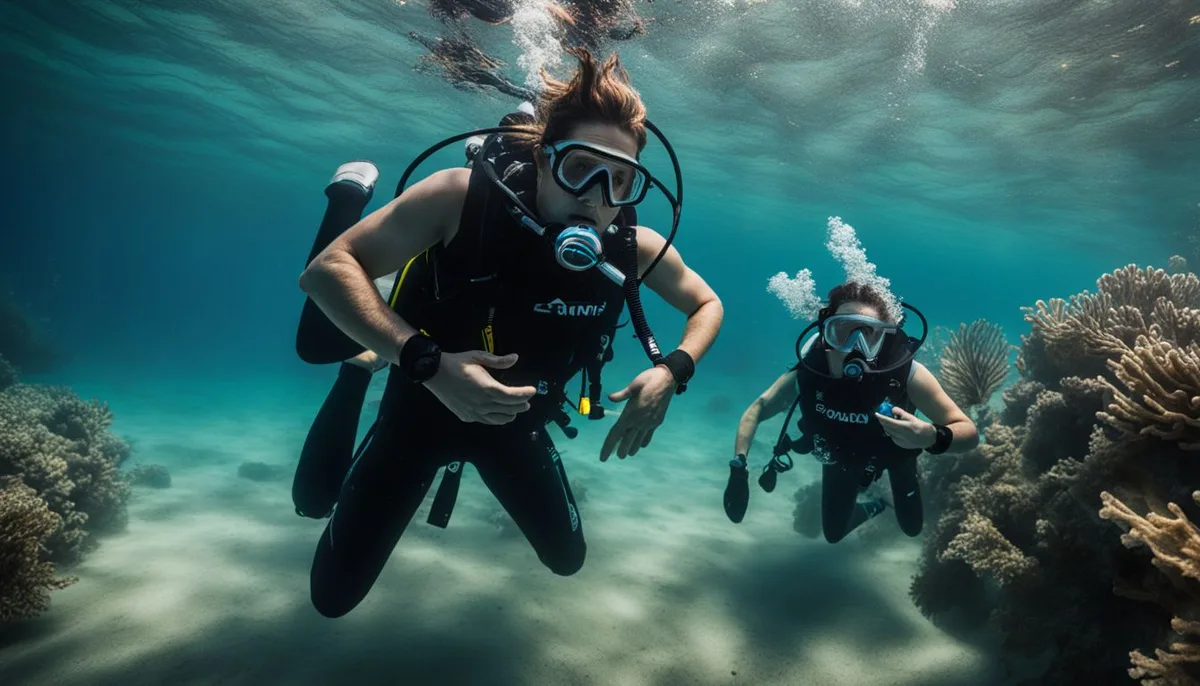
This system ensures that every diver has a lifeline and a second pair of eyes underwater. According to the Recreational Scuba Training Council (RSTC) guidelines, buddy diving is a mandatory component of entry-level diver certification. This means from your very first breath underwater, you're taught to rely on and support a dive partner.
Quick Answer
Divers dive with a buddy for critical safety reasons. A dive partner monitors air, equipment, and surroundings. They provide immediate assistance during emergencies like air depletion or equipment failure.
This system is a core safety protocol taught by all major training agencies to mitigate risks in the underwater environment.
The Core Reason: It's All About Safety
When you're thousands of miles from land, or even just a few hundred feet from the shore, the ocean is an unforgiving environment. Unlike a swimming pool, there's no lifeguard looking over your shoulder. If something goes wrong underwater, and things can go wrong, having a trusted dive partner is your most immediate and effective safety net.
It’s about mutual support, ensuring that if one diver encounters a problem, the other is there to help them resolve it or get back to the surface safely.
This isn't just about feeling secure; it's about practical risk mitigation. Think about it: if you suddenly get a cramp in your leg miles offshore, or your regulator starts free-flowing and you’re losing air rapidly, who do you turn to? Your buddy.
They are trained to recognize distress, share their own air supply if needed, and help you manage buoyancy or ascend. This shared responsibility is the bedrock of recreational diving, ensuring that the amazing experience of exploring beneath the waves remains as safe as possible.
What Your Dive Buddy Actually Does For You
Your dive buddy is far more than just someone to share the view with; they are an active participant in your safety and enjoyment. They perform a range of crucial tasks, both proactively and reactively, that significantly reduce the risks associated with scuba diving. Understanding these roles helps you appreciate why the buddy system is so vital for every dive.
Monitoring Your Air
One of the most critical functions of a dive buddy is to help monitor air consumption. It’s easy to get caught up in the beauty of a coral reef or a fascinating marine creature and forget to check your submersible pressure gauge (SPG). Your buddy is trained to notice if your air is getting low and can signal you to start your ascent or check your remaining air supply.
This proactive awareness prevents many potential emergencies before they even begin. Manufacturer specifications for most recreational regulators confirm that sharing air is a primary safety function.
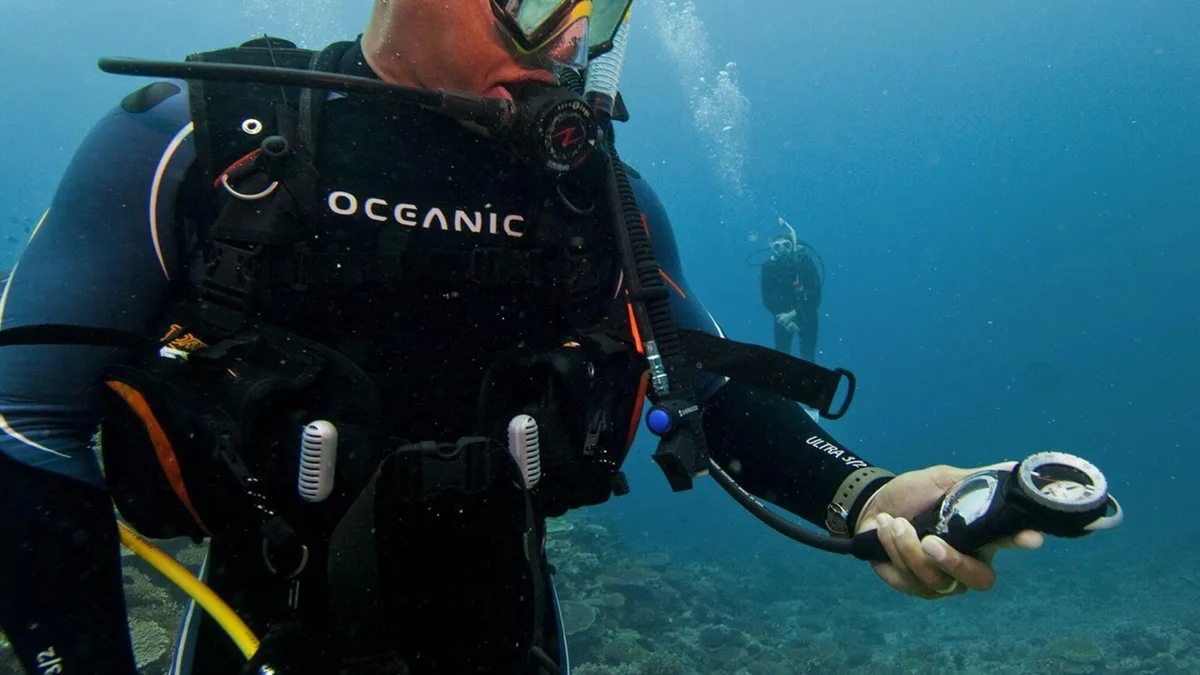
Image source: Web (Bing) / padi.com (Web image (fair-use with source credit))
Spotting Gear Issues
Accidents can happen if your gear isn't functioning correctly. A loose strap on a BCD, a snagged snorkel, or a fin that’s worked itself free can all lead to problems underwater. Your buddy can spot these issues from their perspective, often before you’re even aware they exist.
They can signal you to fix it, or sometimes, they might even be able to assist in securing your gear for you. This visual inspection is a key part of keeping your equipment functioning perfectly throughout the dive.
Keeping Track of Your Surroundings
The underwater world can be disorienting. Visibility can change rapidly due to currents, sediment stirred up by marine life, or even just your own movements. A dive buddy acts as an extra set of eyes, not just for your gear, but for the environment around you.
They can help you avoid drifting into entanglement hazards, notice approaching larger marine animals, or alert you to subtle changes in the current that might affect your planned route. Keeping this shared situational awareness helps both divers stay oriented and safe.
Providing Immediate Help
This is perhaps the most crucial role. If you experience a sudden medical issue, like a mild case of decompression sickness or a severe cramp, your buddy is your first responder. They can help stabilize you, administer basic first aid as trained, and initiate an emergency ascent.
In scenarios where a diver runs out of air, their buddy can provide their alternate air source, ensuring the distressed diver can breathe and ascend safely. This immediate, close-proximity assistance is invaluable in an environment where immediate help from outside is impossible.
Diving Solo: Why It's Not for Recreation
For recreational scuba diving, diving alone is a practice that's strongly discouraged and generally not permitted by training agencies. While there are highly specialized technical diving disciplines that involve solo or redundant systems, these are for extremely experienced divers with extensive additional training and equipment. For the average diver certified through programs like PADI or NAUI, the buddy system is non-negotiable.
The risks of solo recreational diving are simply too high. You lose that immediate backup for air sharing, equipment issues, or unexpected physical distress. Imagine getting tangled in a fishing line or experiencing a sudden ear squeeze, without a buddy, managing these situations alone is exponentially more difficult and dangerous.
The foundational principles of recreational diving, as taught in certification courses, are built around teamwork and mutual support. Relying solely on yourself in an environment where rapid assistance is impossible goes against this core safety philosophy.
Essential Buddy Dive Skills and Practices
Being a good dive buddy means more than just showing up with someone. It involves a set of skills and practices that ensure both of you have a safe and enjoyable dive. These practices start before you even get in the water and continue throughout the entire dive.
Consistent application of these skills is what makes the buddy system truly effective.
The Pre-Dive Buddy Check
Before every single dive, a thorough pre-dive buddy check is essential. This isn't just a quick glance; it's a systematic, step-by-step process where you and your buddy check each other's gear. It covers critical components like your scuba tank's attachment and valve, your alternate air source, your buoyancy control device (BCD) inflator and dump valves, and your submersible pressure gauge.
This ensures that all life-support equipment is properly connected, functioning, and ready for use. This check is a cornerstone of dive safety, as mandated by all major training organizations.

Image source: Web (Bing) / watersportsportal.com (Web image (fair-use with source credit))
Communication Underwater
Effective communication is vital when you can't speak. Divers rely on a system of hand signals and sometimes underwater slates to convey information. Knowing the standard signals for "Are you okay?", "I'm okay," "Low on air," "Problem," and "Ascend" is crucial.
Your buddy check should include a quick review of these signals, especially if you haven't dived together before. Understanding each other’s signals ensures that any situation, from a minor concern to a critical emergency, can be addressed promptly and clearly.
Handling Emergencies Together
Part of being a good buddy is knowing how to react if an emergency occurs. This includes understanding buddy air-sharing procedures, how to connect your regulator to your buddy’s alternate air source and how to ascend together safely. It also involves knowing how to assist a buddy experiencing buoyancy issues or physical distress.
Training courses cover these scenarios extensively, but practicing them in a controlled environment (like a pool during training) builds confidence and competence for real-world situations. This prepared response is what separates a minor incident from a major problem.
Common Mistakes Divers Make (and How to Avoid Them)
Even with a buddy system in place, divers can still make mistakes that compromise safety. Understanding these common errors is the first step to avoiding them. Often, these mistakes stem from complacency, lack of preparation, or poor communication, even between buddies.
- Skipping the Buddy Check: This is one of the most dangerous mistakes. A quick glance isn't enough; a thorough, systematic check is required. If you've ever been tempted to skip it because you were in a hurry or diving with someone you know well, resist that urge. The consequences of a missed critical gear issue can be severe.
- Not Monitoring Air: Becoming so engrossed in the dive that you forget to check your SPG is a common oversight. Make it a habit to check your air at regular intervals, perhaps every 5 to 10 minutes, and always check when your buddy signals theirs. Consistent air monitoring is a fundamental skill that protects you from running out of breathable gas.
- Ignoring Buddy Signals: If your buddy signals a problem or is low on air, don't dismiss it. Even if you think everything is fine, always acknowledge and respond to their signals. It’s better to investigate a false alarm than to ignore a real emergency. Assume your buddy has a valid reason for signaling.
- Poor Dive Planning: Not discussing the dive plan beforehand is a missed opportunity for safety. Agree on the dive site, planned depth, bottom time, and procedures for separation or emergencies. Without a shared plan, even experienced buddies can drift apart or encounter unexpected issues without a coordinated response.
Avoiding these mistakes requires consistent vigilance, good communication, and a commitment to the training and procedures you learned. It’s about treating every dive with the respect it deserves.
Safety Standards and Training Agencies
The entire framework of recreational scuba diving safety, including the buddy system, is built upon established standards and rigorous training. Organizations like the Professional Association of Diving Instructors (PADI), the National Association of Underwater Instructors (NAUI), and Scuba Schools International (SSI) are recognized globally for their safety protocols. These agencies develop curricula that emphasize not only the technical skills of diving but also the critical importance of safety procedures and dive planning.
For instance, when you complete an open water diver certification, a core component of the curriculum involves learning and practicing the buddy system. This includes how to perform a buddy check, communicate underwater using hand signals, and execute emergency procedures like air sharing and rescue breaths. These standards are not arbitrary; they are based on decades of experience, accident analysis, and the input of diving safety experts.
Manufacturers of scuba gear, such as those producing regulators and BCDs, design their equipment with these safety procedures in mind, ensuring compatibility and reliability within the buddy system framework. As of 2026, these established training standards continue to be the benchmark for safe recreational diving worldwide.
Frequently Asked Questions About Buddy Diving
Why is the buddy system mandatory for recreational diving?
The buddy system is mandatory because it provides essential backup and support in an environment where self-sufficiency is limited. It ensures immediate assistance is available for equipment malfunctions, air supply issues, or personal distress, significantly reducing the risk of serious incidents for divers.
Can I dive with someone I just met on a boat?
Yes, you can dive with someone you just met, but only after conducting a thorough pre-dive buddy check and discussing the dive plan. Establishing communication and ensuring both divers are comfortable with each other's skills and gear is crucial for a safe dive.
What should I do if my buddy signals a problem?
If your buddy signals a problem, the first step is to acknowledge their signal and assess the situation with them. Stay calm and follow the emergency procedures you were taught during your certification course, which may include providing air, assisting with buoyancy, or initiating a controlled ascent.
How often should I check my air supply during a dive?
You should check your air supply regularly, ideally every 5 to 10 minutes, and always when your buddy signals theirs or when you feel any change. Consistent monitoring of your submersible pressure gauge is a vital habit for safe diving.
What if my buddy and I get separated underwater?
If you become separated from your buddy, the standard procedure is to stay calm, look around for one minute, and then perform a controlled ascent. At the surface, look for your buddy, and if they are not immediately visible, signal for assistance from the dive boat or shore support.

