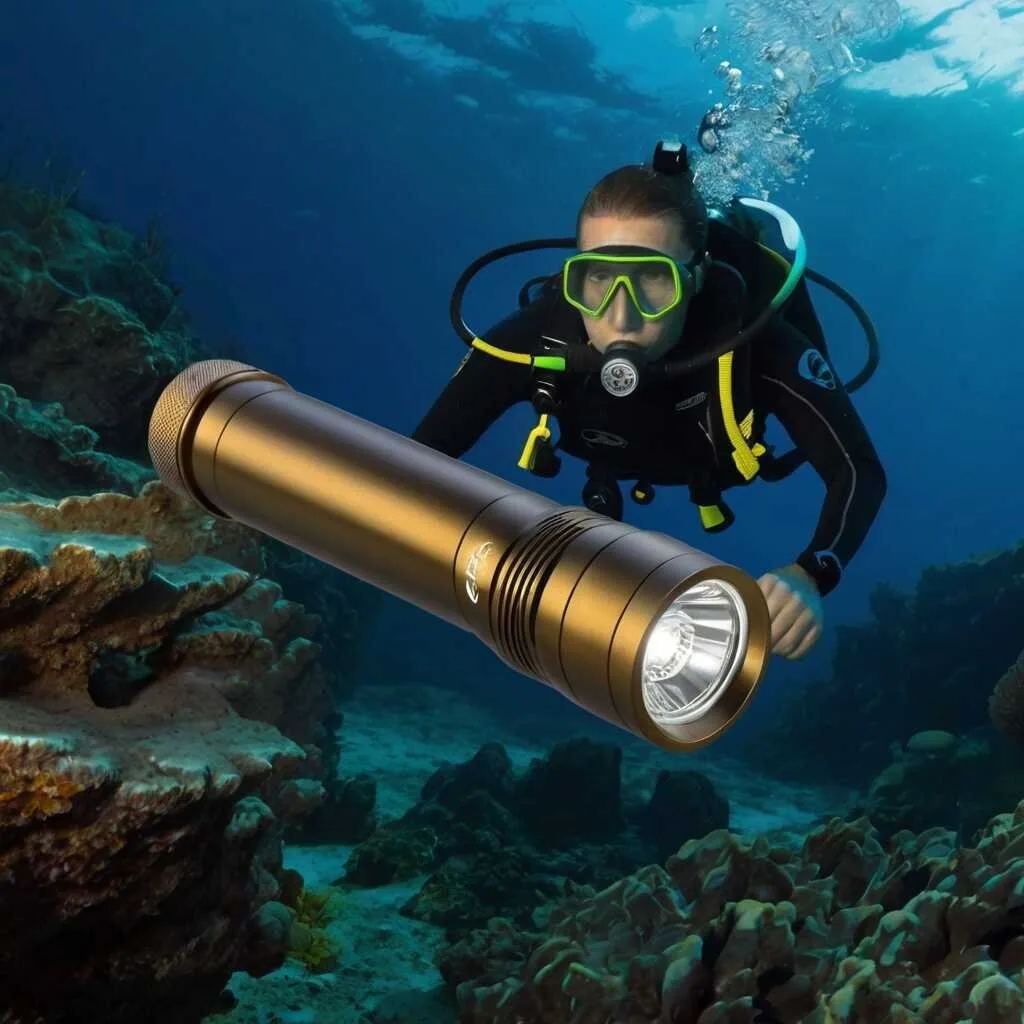
Image source: Web (Bing) / scubaforge.com (Web image (fair-use with source credit))

Today's Exclusive Deals
Limited-time Exclusive Deals. Check current discount on Amazon.
Check Price on Amazon As an Amazon Associate I earn from qualifying purchases.Ever wondered what mysteries the ocean holds once the sun dips below the horizon? That's the exciting question night diving in scuba diving answers. It's essentially scuba diving performed in darkness, revealing a completely transformed underwater world.
As of 2026, this specialized activity continues to captivate divers with its unique challenges and unparalleled rewards, offering a chance to see marine life that's often hidden during daylight hours.
The allure of night diving lies in its ability to present familiar dive sites in an entirely new light, or rather, in the beam of your dive torch. With proper training, typically through a PADI Night Diver specialty course which outlines essential safety protocols, divers can safely explore this nocturnal realm. This preparation is key to understanding what makes night dives so profoundly different and often more rewarding than their daytime counterparts, making the transition into darkness an adventure in itself.
Quick Answer
Night diving in scuba diving is when you explore underwater after sunset using artificial lights. It reveals nocturnal marine life, bioluminescent organisms, and a transformed underwater landscape. Essential gear includes powerful dive lights and a backup.
Proper certification and buddy procedures are critical due to limited visibility and potential disorientation.
The Unique Allure of Diving After Dark
When you think about scuba diving, you probably picture sunlit reefs and schools of colorful fish. But there's a whole other dimension to explore when the lights go out. Night diving opens up a world that is often unseen by daytime divers.
It’s not just about the absence of light; it’s about the presence of a different kind of life and a profoundly altered sensory experience. The familiar becomes alien, and the mundane becomes magical.
Experiencing a Different Underwater World
Imagine descending into the blue as dusk fades. The fish that were active all day are settling down, and a new cast of characters is beginning to emerge. For many divers, the sheer wonder of seeing familiar dive sites transformed under the beam of their torch is reason enough to try it.
The textures of the reef, the shapes of the coral, and even the way your own bubbles behave can seem different. It’s a deeply immersive experience that appeals to the explorer in all of us.
Essential Gear for Night Diving Adventures
While your standard scuba setup is your foundation, night diving demands a few crucial additions. Think of these as your essential tools for navigating and appreciating the dark. Without the right illumination, the magic of night diving can quickly turn into a disorienting challenge.
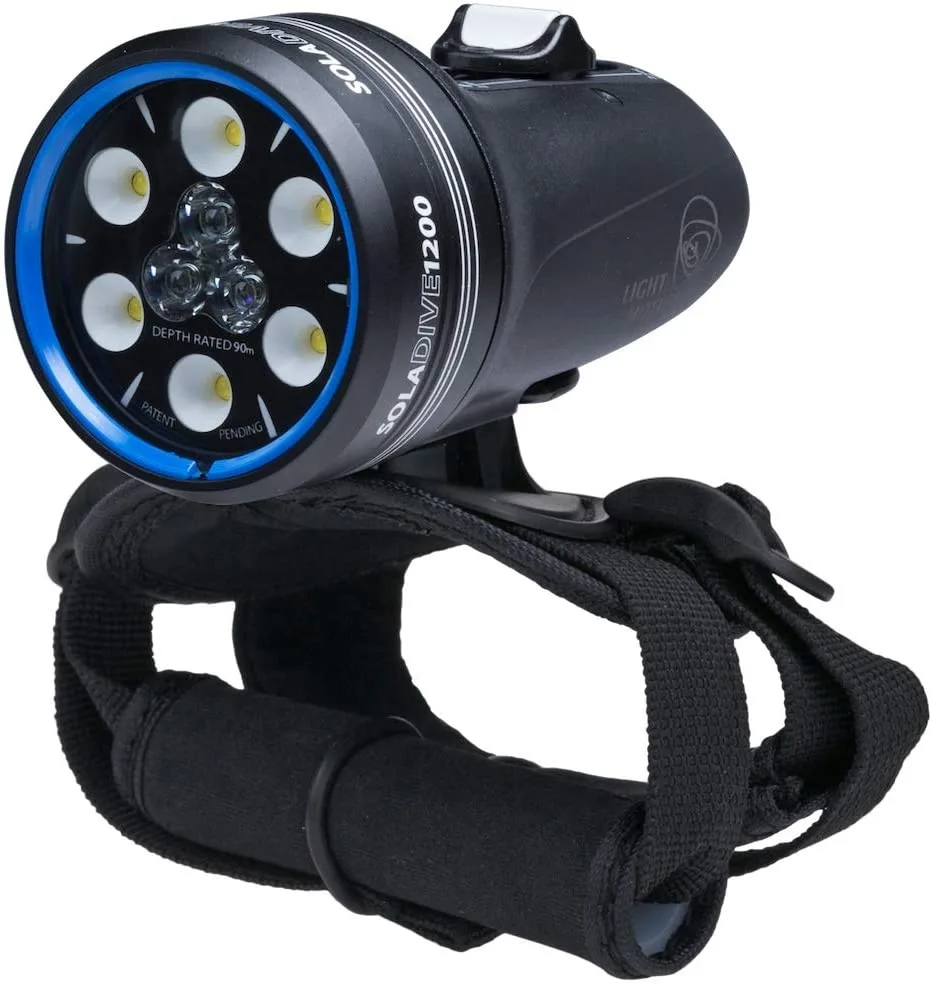
Image source: Web (Bing) / scubaland.com (Web image (fair-use with source credit))
Here’s what you absolutely need, beyond your regular kit:
- Primary Dive Light: This isn't your average flashlight. You need a powerful, reliable beam that can cut through the darkness and illuminate a good portion of your surroundings. Many divers opt for powerful LED lights designed for underwater use, offering substantial lumen output.
- Backup Dive Light: Never, ever dive at night without a reliable backup light. If your primary light fails, this secondary light is your lifeline for visibility and safety. It should be easily accessible.
- Dive Computer: Just like any dive, keeping track of your depth and bottom time is crucial. A good dive computer, like those reviewed for safe underwater adventures, is indispensable for managing your dive profile in potentially challenging conditions. Best Scuba Diving Computer 2026: Top Picks for Safe Underwater Adventures
- Optional: Glow Sticks or Chemical Lights: Many night divers attach these to their gear, especially their tanks, for added visibility to others.
What to Expect: The Nocturnal Marine Ecosystem
The most significant difference when you go night diving is the marine life you encounter. The ocean operates on a 24-hour cycle, and many creatures are specifically adapted for life after sunset. This is where the real magic unfolds, turning your dive into an encounter with a secret world.
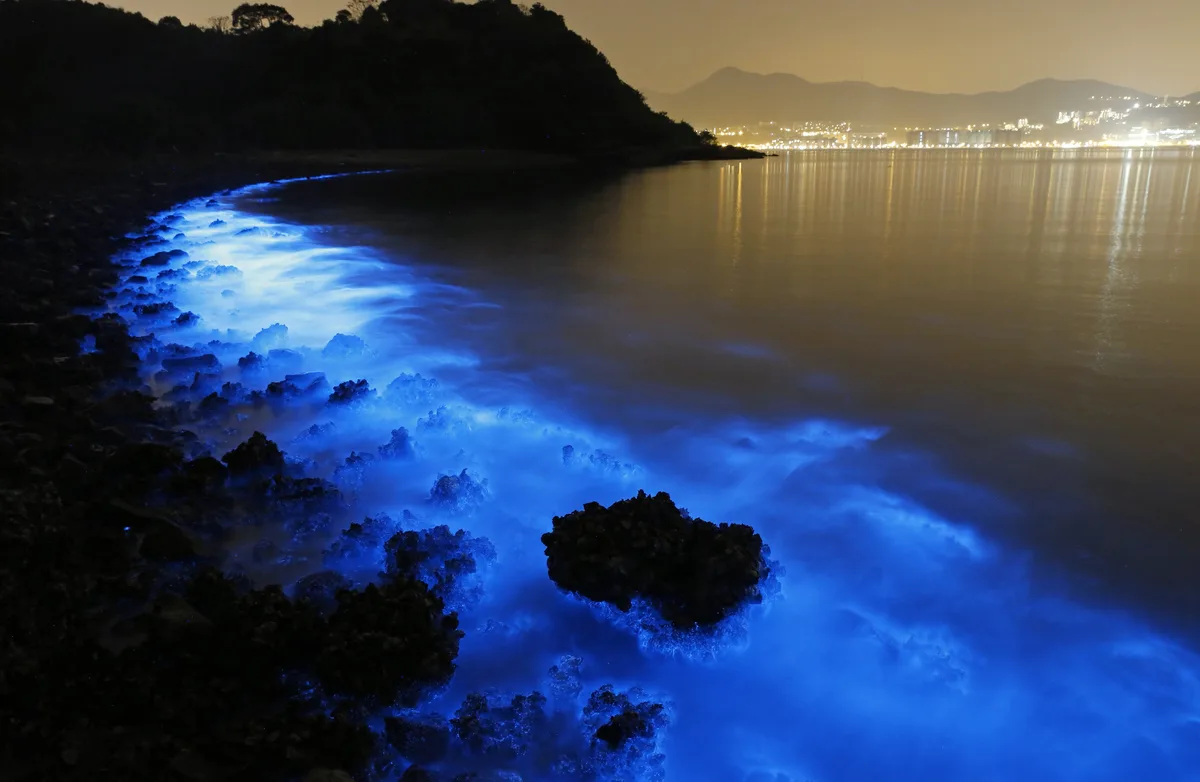
Image source: Web (Bing) / pinterest.com (Web image (fair-use with source credit))
Creatures of the Night
During the day, many dive sites are dominated by diurnal species. But at night, the reef or wreck becomes a hunting ground for a different set of inhabitants. You might spot:
- Octopuses and Squids: These intelligent cephalopods are often more active at night, foraging for food. Watching an octopus move across the reef is an incredible sight.
- Lobsters and Crabs: Many crustaceans emerge from their daytime hiding spots to explore and feed. You'll see them scuttling across the seafloor.
- Eels: Moray eels, often tucked away in crevices during the day, might be seen with their heads out, looking for a meal.
- Sleeping Fish: You’ll also see many of the daytime fish species tucked into crevices or camouflaged, fast asleep. It’s fascinating to observe them in their vulnerable resting state.
The Magic of Bioluminescence
One of the most breathtaking aspects of night diving is the potential to witness bioluminescence. This is the production and emission of light by a living organism. It's a natural phenomenon that can transform the dark water into a spectacle of shimmering light.
When certain plankton or other small marine organisms are disturbed, they can emit a faint glow. Imagine swimming through a cloud of plankton, and with every movement of your hand or fin, a cascade of tiny, fleeting lights appears. It’s like swimming through a galaxy of underwater stars.
Some corals and fish also possess bioluminescent capabilities, adding to the ethereal display. For this very reason, many divers find that the best camera for capturing these unique sights is one specifically designed for low-light underwater photography. Best Scuba Diving Camera 2026: Top Picks for Underwater Photography
Mastering Night Diving: Safety and Skills
Night diving isn't inherently more dangerous than day diving, but it does require specific skills and a heightened awareness of safety protocols. Because visibility is reduced, your reliance on your buddy, your lights, and your training becomes paramount.
Certification and Training Needs
While you can technically night dive after completing your basic open water certification, it's highly recommended, and often required by dive operators, to get specialized training. A PADI Night Diver specialty course, for example, covers essential techniques for night diving. This training typically includes learning how to use your dive lights effectively, understanding navigation in low visibility, and recognizing potential risks.
It’s about building confidence and competence in a different kind of environment.
Buddy Procedures and Navigation
The buddy system takes on extra importance at night. Your buddy is your primary point of reference, and maintaining contact is crucial. Always keep your buddy within your light beam.
If you separate, don't panic; simply turn off your light for a moment to see their light, or use your signaling device. Navigation also changes; you'll rely more on compass skills and potentially distinct underwater landmarks you've identified during a daytime dive. Keeping track of your location is key, and a reliable Best Scuba Diving Compass 2026 Buyers Guide for Accurate Navigation can be invaluable.
Mistakes Divers Make in the Dark
- Poor Light Management: Not having a powerful enough primary light, or not conserving battery life effectively.
- Losing Your Buddy: Not staying close enough, or not using your lights to signal your location.
- Becoming Disoriented: Forgetting to check your compass or becoming so focused on a single creature that you lose track of your surroundings.
- Touching Things: In low light, it’s easier to accidentally touch or damage fragile marine life. Always maintain good buoyancy control.
- Forgetting a Backup: Relying solely on one light is a significant risk.
Is Night Diving for You?
If you’ve enjoyed scuba diving and are looking for a way to experience the underwater world differently, night diving could be your next adventure. It offers a unique perspective that daytime dives simply can’t replicate. It appeals to those who enjoy exploration and are keen to see a more hidden side of marine ecosystems.
Who Benefits Most from Night Dives
- Curious Explorers: Divers who love discovering new things and seeing familiar places in a new light.
- Wildlife Enthusiasts: Those eager to observe nocturnal marine animals in their natural habitat.
- Adventurous Souls: Divers seeking a thrilling yet peaceful experience that pushes their comfort zone in a controlled way.
- Photographers: While challenging, night dives offer incredible opportunities for unique underwater photography, especially with the right gear. Best Scuba Diving Underwater Lights 2026: Top Picks for Buyers
Night diving offers a profound shift in perspective. It requires a bit more preparation and a different mindset, but the rewards are immense, transforming your understanding of the ocean and its inhabitants.
Common Mistakes and How to Avoid Them
Night diving, while incredibly rewarding, does present unique challenges that can lead to common mistakes if you're not prepared. Understanding these pitfalls is half the battle. Many new night divers focus so much on the novelty that they overlook fundamental safety practices.
Being aware of what can go wrong helps you stay focused and prepared.
Navigation Errors
Getting turned around in the dark is easier than you might think. A common mistake is relying too much on your dive light to show you the way, rather than using your compass and established navigation techniques. If you become disoriented, don't just swim vaguely; stop, signal your buddy, and consult your compass.
This is where proper training on using a Best Scuba Diving Compass 2026 Buyers Guide for Accurate Navigation is crucial.
Buddy Separation
When visibility is limited, maintaining contact with your dive buddy is paramount. A mistake many make is letting too much distance creep between them. The underwater world at night can be distracting, and it's easy to get caught up observing something fascinating without realizing your buddy has drifted away.
Always keep your buddy within your light's reach. If separation occurs, turn off your light for a moment to locate theirs; it's a simple but effective tactic.
Equipment Malfunctions
Your dive lights are your eyes at night. A critical mistake is not performing thorough pre-dive checks. Batteries might be low, seals could be compromised, or a light might simply fail without warning.
Always have a fully charged, reliable backup light, and test both before you even get in the water. Similarly, ensuring your dive computer is functioning correctly is vital for managing your dive profile safely.
Frequently Asked Questions About Night Diving
What is the minimum certification required for night diving?
While some operators may allow experienced certified divers to join night dives, it is highly recommended to complete a PADI Night Diver specialty course or equivalent. This training ensures you have the specific skills and knowledge for safe night diving.
How long can a typical night dive last?
Night dives often have shorter bottom times than day dives, typically ranging from 30 to 60 minutes. This is mainly due to the increased air consumption that can occur when you're a bit more tense or focused on navigation and the limited visibility.
What are the risks of night diving?
The primary risks include disorientation, buddy separation, equipment failure (especially lights), and increased air consumption. These risks are significantly reduced with proper training, careful planning, and adherence to safety protocols.
What kind of marine life can I expect to see?
You'll encounter nocturnal creatures like octopuses, lobsters, and certain species of sharks and eels. You might also see sleeping diurnal fish and witness the magical glow of bioluminescent plankton, which often appears when disturbed by your movement.
Can I use my regular camera for night diving?
While possible, standard underwater cameras may struggle in low light. For capturing the unique sights of night diving, especially bioluminescence, a camera with good low-light performance, a powerful strobe, and appropriate settings is recommended. Check out our guide to the Best Scuba Diving Camera 2026: Top Picks for Underwater Photography for more.
Should I wear a wetsuit or drysuit for night diving?
The choice depends on water temperature, just like daytime diving. However, staying warm is crucial for comfort and focus. Our research indicates that Best Scuba Diving Wetsuit for Cold Water 2026: Top Picks Reviewed or a drysuit may be necessary in cooler conditions to maintain adequate body temperature throughout the dive.
Night Diving: A World of Wonder Awaits
Night diving transforms a familiar underwater landscape into an entirely new adventure. It’s an opportunity to witness the ocean’s hidden life and experience a profound sense of wonder. With the right preparation, equipment, and a healthy respect for the dark, it offers a truly unforgettable dimension to your scuba diving journey.
Whether you’re seeking shy nocturnal creatures or the ethereal glow of bioluminescence, the night sea holds a captivating magic.