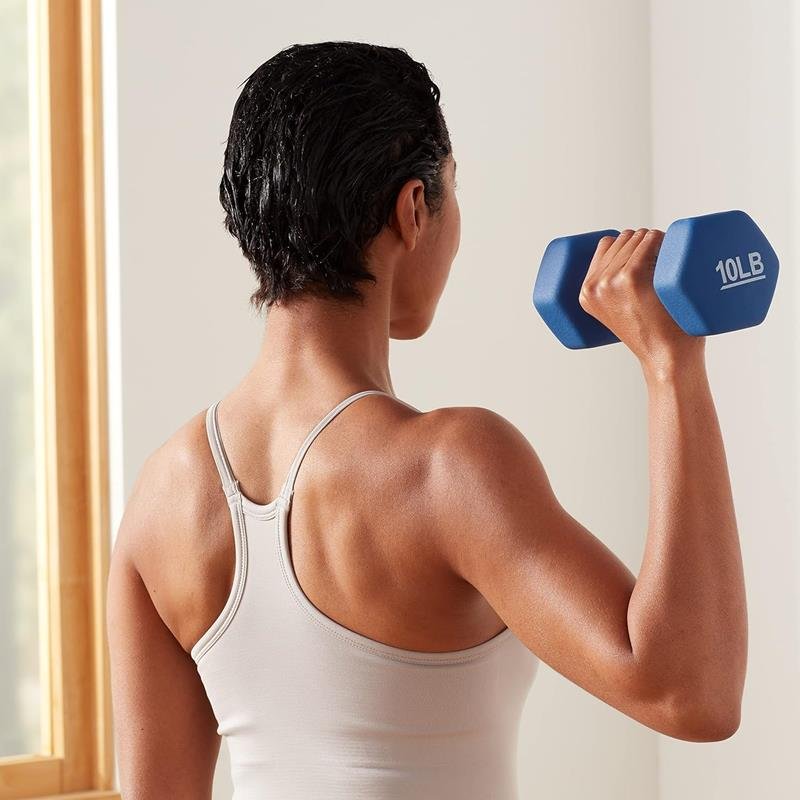
Choosing the right dumbbell size for your home gym can feel confusing. You want weights that challenge you but don’t cause injury or frustration.
Picking the perfect size helps you get stronger, stay motivated, and see real progress. You’ll discover exactly what dumbbell weights fit your goals and fitness level. By the end, you’ll know how to build a home gym that works just for you—no guesswork, no wasted money.
Today's Exclusive Deals
Limited-time Exclusive Deals. Check current discount on Amazon.
Check Price on Amazon As an Amazon Associate I earn from qualifying purchases.Keep reading to find the perfect dumbbells that make every workout count.

Choosing Dumbbell Weights
Selecting the right dumbbell weights is important for a home gym. It helps you train safely and effectively.
Different people need different weights based on their fitness levels and goals. Let’s explore how to choose the best dumbbells.
Factors Influencing Weight Selection
Your body strength, workout type, and goals affect the dumbbell weight you need. Choose weights that match these factors.
If you want to build muscle, use heavier weights with fewer reps. For toning, use lighter weights with more reps.
- Strength level: beginner or advanced
- Type of exercise: arms, legs, or full body
- Fitness goals: strength, endurance, or toning
- Physical limitations or injuries
Beginners Vs Experienced Lifters
Beginners should start with light to medium weights. This helps prevent injury and builds good form.
Experienced lifters need heavier weights to challenge their muscles. They often use a wider range of weights.
- Beginners: 5 to 15 pounds per dumbbell
- Experienced: 20 to 50+ pounds per dumbbell
- Start light, increase weight slowly
- Focus on form before adding weight
Adjustable Vs Fixed Dumbbells
Adjustable dumbbells let you change the weight easily. They save space and offer more weight options.
Fixed dumbbells have a set weight. They are simple to use and often cheaper but take more space.
- Adjustable: good for small spaces, many weight options
- Fixed: quick to use, durable, takes more room
- Choose based on your budget and space
- Adjustable suits varied workouts and progress

Weight Recommendations By Exercise
Choosing the right dumbbell weight is important for your workouts. Different exercises need different weights. Picking the right size helps you train safely and get stronger.
Use lighter weights for small muscles and heavier weights for big muscles. This guide shows good weight ranges for common exercises at home.
Upper Body Workouts
Upper body exercises target arms, shoulders, chest, and back. Use lighter dumbbells for arms and heavier ones for the back and chest.
- Bicep curls: 5 to 15 lbs
- Tricep extensions: 5 to 15 lbs
- Shoulder presses: 8 to 20 lbs
- Chest flies: 8 to 20 lbs
- Rows: 10 to 25 lbs
Lower Body Workouts
Lower body exercises use larger muscles. You can use heavier dumbbells here to build strength and tone your legs and glutes.
- Squats: 10 to 30 lbs
- Lunges: 8 to 25 lbs
- Deadlifts: 15 to 40 lbs
- Calf raises: 5 to 20 lbs
Full Body Exercises
Full body moves work many muscles at once. Use moderate to heavy weights depending on your fitness level and the exercise type.
- Thrusters: 10 to 25 lbs
- Renegade rows: 10 to 20 lbs
- Squat to press: 10 to 25 lbs
- Deadlift to curl: 15 to 30 lbs
Progression And Weight Increments
Choosing the right dumbbell size is important for your home gym. You want weights that help you grow stronger over time.
Progressing in weight helps improve your muscle strength and endurance. Small jumps in weight make workouts safer and more effective.
When To Increase Weight
It is time to increase weight when exercises become easy. If you can do many reps without feeling tired, move up in weight.
Increasing weight too soon can cause injury. Wait until your muscles feel ready for a harder challenge.
- You complete 12-15 reps with good form easily
- You do not feel muscle fatigue after sets
- Your progress in strength slows down
Ideal Weight Jump Sizes
Weight jumps should be small enough to avoid strain. Adding about 5% to 10% more weight is a good rule.
For beginners, 2.5 to 5 pounds is a good increase. For advanced users, 5 to 10 pounds jumps work well.
| Current Weight | Recommended Weight Increase |
|---|---|
| 5 to 20 pounds | 2.5 to 5 pounds |
| 20 to 50 pounds | 5 to 10 pounds |
| Above 50 pounds | 10 pounds or more |
Space And Budget Considerations
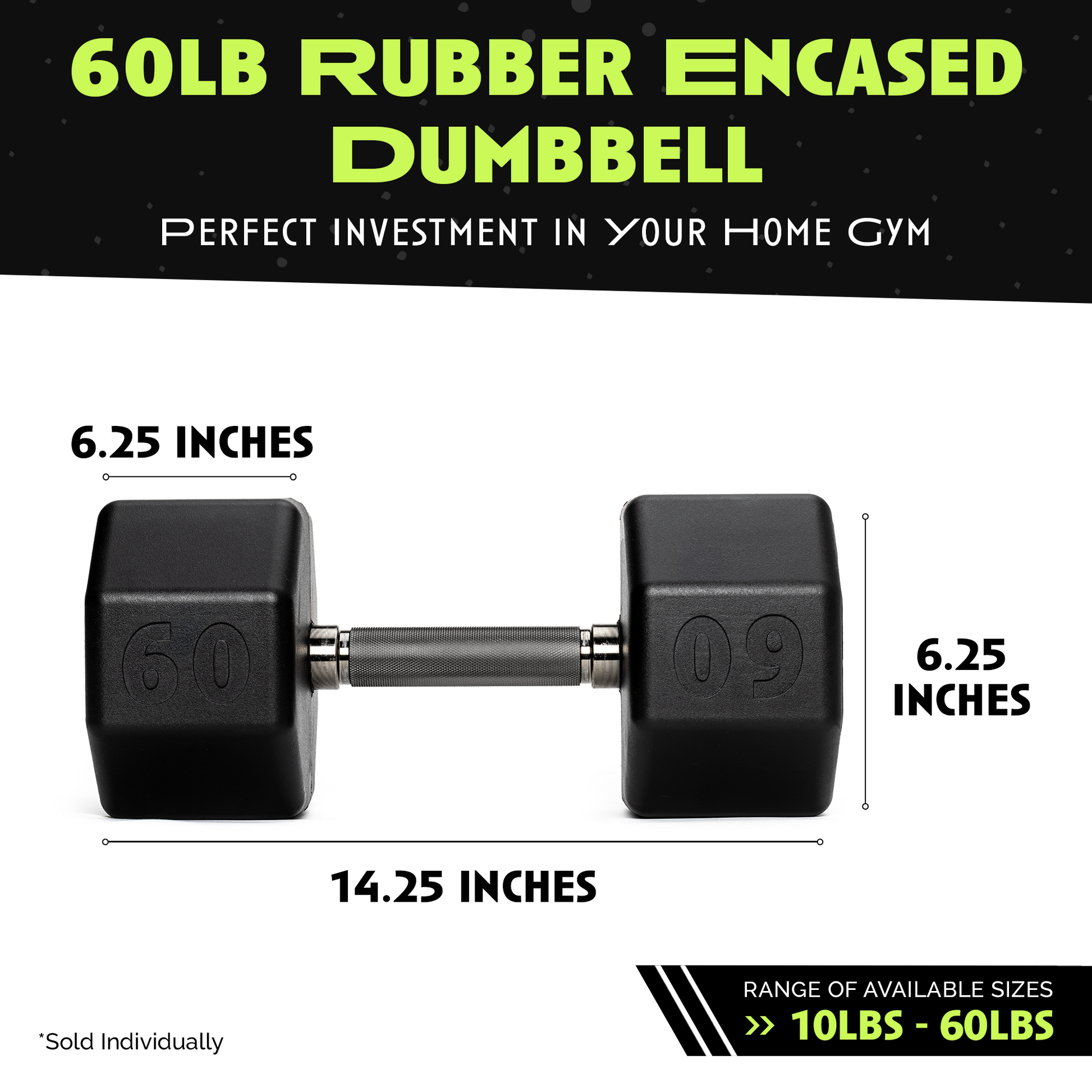
Choosing the right dumbbell size is important for your home gym. Space and budget affect your choices a lot.
Knowing how to fit dumbbells in your room and how much to spend helps you get the best setup.
Maximizing Small Spaces
Small rooms need smart dumbbell storage to save space. Use vertical racks or wall mounts to keep dumbbells tidy.
Adjustable dumbbells are great for small spaces. They replace many fixed weights with one set.
- Use wall racks to free floor space
- Choose adjustable dumbbells to reduce clutter
- Keep dumbbells in a corner or under a bench
Cost-effective Dumbbell Sets
Buying dumbbells can be expensive. Look for sets that offer many weight options in one package.
Adjustable dumbbells save money over buying many fixed weights. You pay less and get more weight choices.
- Start with lighter weights and add heavier ones later
- Consider used dumbbells for better prices
- Check if adjustable sets fit your workout needs
Safety And Maintenance Tips
Choosing the right dumbbell size is important for safety in your home gym. Proper care keeps your dumbbells in good shape for a long time.
Follow simple tips to handle and maintain your dumbbells well. This helps you avoid injuries and damage.
Proper Handling Techniques
Always pick up dumbbells with a firm grip. Use both hands if the weight is heavy to avoid dropping them.
Lift dumbbells close to your body to reduce strain. Avoid sudden or jerky movements during exercise.
- Check your grip before lifting
- Lift with your legs, not your back
- Use smooth, controlled movements
- Place dumbbells down gently after use
Keeping Dumbbells In Good Condition
Keep dumbbells clean by wiping them after each use. This prevents sweat and dirt from causing rust or damage.
Store dumbbells in a dry place on a rack or mat. Avoid leaving them on hard floors where they can crack or chip.
- Wipe dumbbells with a dry cloth after workouts
- Use mild soap and water for deeper cleaning
- Check for loose parts or cracks regularly
- Store dumbbells off the floor in a safe spot
Frequently Asked Questions
What Size Dumbbells Are Best For Beginners?
Beginners should start with light dumbbells, typically 5-10 pounds. This weight allows proper form and helps build strength safely. Gradually increase weight as you gain confidence and muscle.
How Do I Choose Dumbbells For Different Exercises?
Select lighter weights for isolation exercises and heavier ones for compound movements. Adjust weight based on your strength and exercise type to maximize effectiveness.
Are Adjustable Dumbbells Better Than Fixed Weights?
Adjustable dumbbells save space and offer multiple weight options in one set. They are cost-effective and ideal for home gyms with limited space.
How Many Dumbbell Pairs Do I Need For Home Workouts?
Start with 2-3 pairs of varying weights, such as light, medium, and heavy. This range covers most exercises and helps progress your strength training.
Conclusion
Choosing the right dumbbell size is crucial for your home gym. Start small and gradually increase weight as you progress. Consider your fitness goals and current strength level. Lighter weights are great for endurance. Heavier ones build strength. Mix and match for a balanced routine.
Always prioritize safety and proper form. Investing in adjustable dumbbells can save space and money. Remember, consistency is key to achieving results. Keep challenging yourself. Stay motivated and enjoy your workouts. Your home gym journey is a personal one. Tailor it to your needs and preferences.
Happy lifting!