
Moderate intensity cardio is a common question for anyone looking to build a sustainable fitness habit. You don't need fancy sensors or complicated calculations to find the right pace for your heart health.
Per the Physical Activity Guidelines for Americans, staying active at a moderate level helps you maintain cardiovascular health without the high risk of burnout. This level of exertion is perfectly achievable, even if you are just starting your fitness journey.

Today's Exclusive Deals
Limited-time Exclusive Deals. Check current discount on Amazon.
Check Price on Amazon As an Amazon Associate I earn from qualifying purchases.Quick Answer
Moderate intensity cardio keeps your heart rate in a steady, elevated zone. You should breathe heavier but still manage a full, clear sentence. It allows for longer sessions without extreme fatigue or gasping for air.
This pace improves your long-term heart and respiratory health significantly. You feel warm and may break a light, consistent sweat.

Why Moderate Intensity Cardio is Your Most Sustainable Health Strategy
Sustainability is the main reason to prioritize moderate effort over high-intensity training. When you avoid the extreme strain of maximum-effort sprints, your body recovers faster between sessions. This consistency allows you to hit your weekly targets without feeling completely depleted.
Most people find that reliable home equipment helps them maintain this habit. You can keep moving for 30 to 60 minutes when you stay in the moderate zone. This duration builds endurance much better than short, sporadic bursts of high effort.
The low impact also keeps your joints and muscles happy over the long term. You aren't constantly putting your body through the stress of high-impact jumping or anaerobic pushing. If you've been searching for an easy-to-use walking pad to get started, moderate cardio is the gold standard for long-term health.
Decoding the Science: The Talk Test and Metabolic Reality
The "Talk Test" is the most practical way to measure your internal intensity in real time. It relies on how your respiratory system responds to the workload of your muscles. If you can speak in full sentences but can't sing a song, you are in the ideal zone.
When you push harder and find you can only utter one or two words, you have moved into vigorous intensity. Monitoring this allows you to stay safe and effective during your routine upkeep. You don't need a chest strap to tell you what your own lungs are already reporting.
| Intensity Level | Talk Ability | Physical Feel |
|---|---|---|
| Low | Can sing easily | Casual, relaxed |
| Moderate | Can talk, no singing | Heavy breathing, warm |
| Vigorous | One word only | Gasping, exhausted |
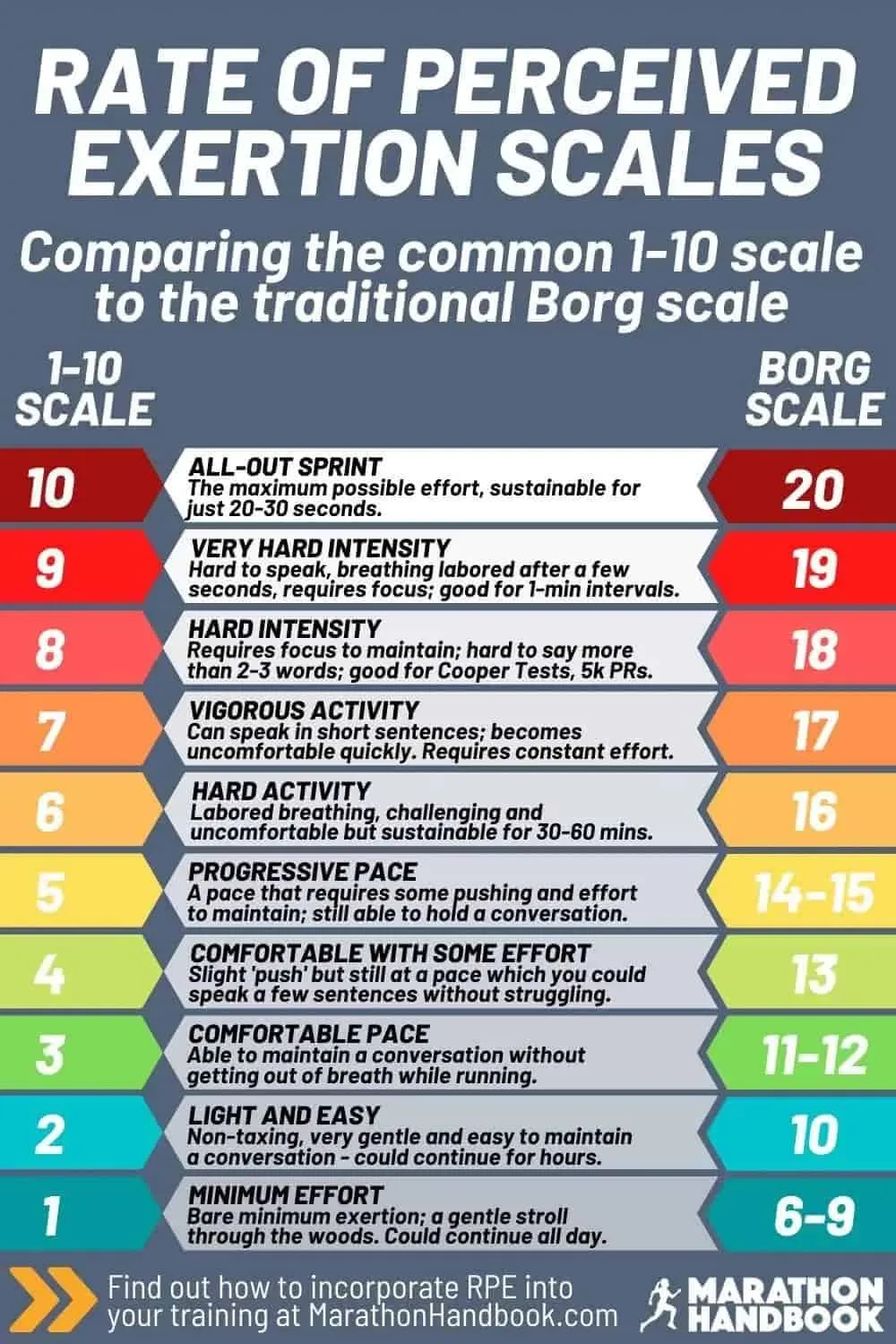
The World Health Organization highlights that metabolic health improves when you reach at least 150 minutes of this level of effort weekly. That is about 22 minutes a day of moderate activity. It’s an accessible target for almost every fitness level.
The Core Benefits of Steady-State Aerobic Training
Steady-state cardio provides a unique set of benefits for your heart and overall energy levels. It increases the number of capillaries in your muscles, which helps deliver oxygen more efficiently during daily tasks. This is why regular exercise sessions often lead to lower resting heart rates over time.
You also gain significant psychological advantages from these longer, rhythmic sessions. Many people use this time to clear their heads or listen to media, turning exercise into a form of active meditation. It provides a reliable way to manage daily stress without adding physical trauma to the body.
Furthermore, this type of training is incredibly forgiving. Even if you pick a silent, efficient model for your home, you will see metabolic improvements quickly. You don't need to be an elite athlete to reap the rewards of better circulation and stronger lungs.
It’s about being better than you were yesterday.
Building Your Routine: How to Safely Hit 150 Minutes a Week
You should start by choosing an activity you actually enjoy, as that is the best way to stick with it. Whether it is brisk walking or steady cycling, consistency matters more than the specific movement. Break your 150-minute goal into chunks that fit your daily schedule, like three 10-minute bouts throughout the day.
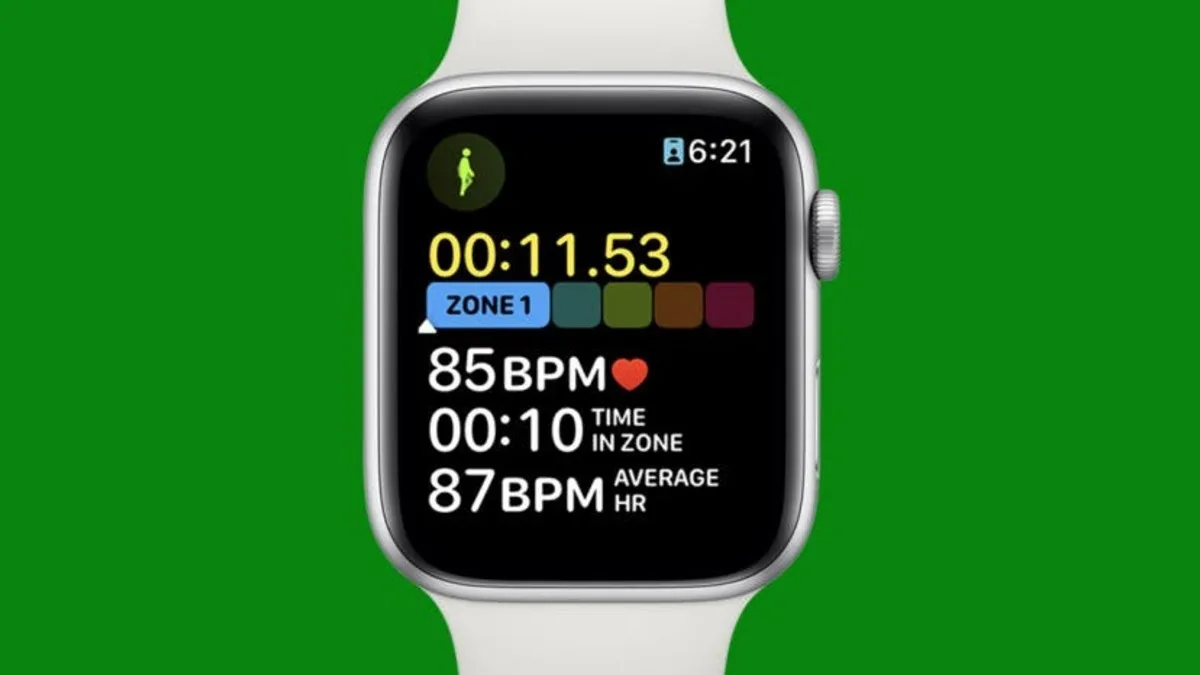
Always start with a 5-minute warm-up to prepare your muscles and joints. Gradually increase your pace until you reach that "talk-but-not-sing" intensity level. Once you finish, don't stop abruptly; give yourself a 5-minute cool-down to help your heart rate return to normal.
If you are just starting, a compact folding treadmill can be a great way to log these minutes at home. Track your progress weekly to keep yourself motivated. Small, steady gains are the fastest way to build a lifetime of health.
Avoiding Common Pitfalls and Intensity Traps
The most common mistake is going too hard, too early. Many people believe that sweating profusely and gasping for air is the only way to get a good workout. This often leads to immediate burnout or minor overuse injuries within the first few weeks.
Avoid comparing your pace to others or to "vigorous" metrics found in extreme training programs. Your moderate is unique to your current fitness level. If you find yourself frequently sore, it’s usually a sign that you are pushing into the vigorous zone too often.
Also, watch for signs of overtraining, such as lingering fatigue or poor sleep quality. If you aren't sure where to start, a well-calibrated machine can help you maintain a consistent, manageable pace. Listen to your body, and don't be afraid to pull back the intensity on days when you feel worn down.
Safety First: When to Check In With a Professional
You should consult a healthcare provider before starting a new exercise program if you have underlying health conditions or haven't been active for a long time. This is especially vital if you have concerns regarding blood pressure, heart health, or chronic joint issues. A doctor can help determine your specific safe heart rate range based on your medical history.
Many people find it useful to fill out a Physical Activity Readiness Questionnaire (PAR-Q) before increasing their activity levels. This simple form helps identify whether you need a more thorough check-up before you begin. If you experience dizziness, sharp chest pain, or extreme shortness of breath during an activity, stop immediately and seek professional advice.
Be extra cautious if you take medication that affects your heart rate, as this can change how your body reacts to exercise. Your doctor can provide guidance on how to adjust your targets to keep things safe. They may also suggest specific types of movement, such as low-impact swimming or stationary cycling, to protect your joints while you build your base.
Listen to your body during every session. Moderate effort should feel challenging but entirely manageable. If you find you are pushing past your limits, take an extra rest day.
Consistency is the primary goal, and preventing injury is the best way to ensure you can stay on track for months and years to come.
Frequently Asked Questions
Can I do moderate cardio every day?
Yes, you can engage in moderate-intensity activities daily. Since this level of effort doesn't fully deplete your energy stores, most healthy adults recover quickly enough for regular sessions. Focus on active recovery if you feel tired, and aim to mix up your activities to prevent repetitive strain on your joints.
Does moderate intensity cardio burn fat?
Yes, your body burns both carbohydrates and fats for fuel during moderate exercise. While higher-intensity work might burn more calories in a shorter time, moderate exercise is easier to sustain for much longer sessions. Burning more total calories over time is generally more effective for long-term weight management and metabolic health.
How do I know if I am overdoing it?
You are likely doing too much if you feel exhausted for hours after your session or notice persistent joint pain. Other signs include poor sleep quality, an unusually high resting heart rate, and reduced motivation to exercise. If these symptoms appear, reduce your intensity or frequency until you feel fully refreshed.
Do I need a heart rate monitor to stay in the moderate zone?
You do not need a monitor, as the Talk Test is a highly accurate, real-world metric. While devices can be fun to use, your own ability to speak in sentences is a more direct indicator of how your body is handling the load. If you use a device, treat it as a secondary guide rather than a rule.
Can walking be considered moderate cardio?
Walking is only moderate cardio if your pace is fast enough to elevate your heart rate into the target zone. A casual stroll is usually low-intensity, but a "brisk walk" where you feel warm and breathe harder is perfect. Aim for a pace where you feel like you are walking to catch a bus.

