Stable, UL‑certified inversion table that eases back stress and boosts daily flexibility.
Long days at a desk, weekend yardwork, or hard training can leave your back feeling tight and heavy. If you want a simple way to decompress at home, an inversion table can help you feel light again. In this Teeter FitSpine X1 Inversion Table Review, I share how it performed for me, what makes it special, and whether it’s worth your money. I’ll keep it clear, friendly, and honest so you know if it fits your body, space, and goals.

Is Teeter FitSpine X1 Inversion Table Good?
Yes. It is a well-built, smooth, and safe inversion table for daily back relief. In my experience, it’s great for people who sit a lot, lift often, or want simple recovery at home. If you need UL safety certification, a 300 lb capacity, and steady control, this one checks the boxes.
On my first week, I did three short sessions each day. I started at 20–30 degrees, then moved to deeper angles. The change in my hamstring tension and low-back pressure was clear. In this Teeter FitSpine X1 Inversion Table Review, I found the rotation very predictable. I could stop, breathe, and let my spine decompress without worry.

My First Impression for Teeter FitSpine X1 Inversion Table
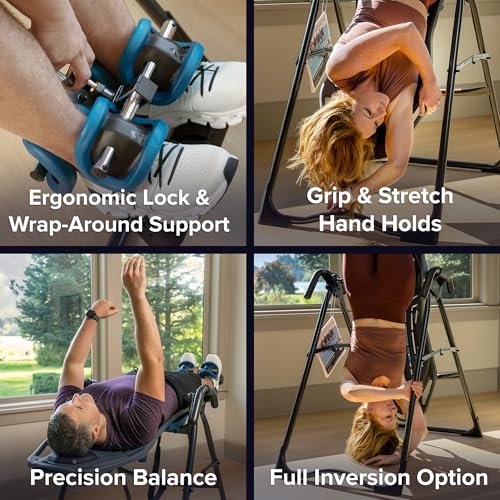
The box arrived heavy but secure, with parts packed in protective foam. Pieces felt solid, with thick steel and clean welds. The bed has a firm, grippy surface meant for decompression rather than plush padding, which helps your spine elongate. The Ergo-Embrace ankle supports looked sturdy and felt soft where it matters.
Assembly took about 30–40 minutes with the included tools and clear guides. Setup was simple: set height, adjust balance, clip the tether to choose max angle, and step in. On my first inversion, I felt in control. The table rotated smoothly with a small shift of my arms. It met my expectations, and I felt a bit excited because the relief was quick. This Teeter FitSpine X1 Inversion Table Review starts strong on build and ease of use.
What Makes It Stand Out / Key Features
In this Teeter FitSpine X1 Inversion Table Review, these features stood out:
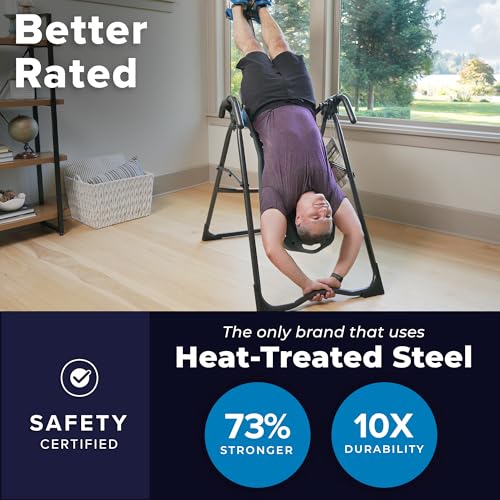
- UL safety certified frame with heavy-duty steel and 300 lb capacity
- FlexTech decompression surface that moves with you and lets your spine elongate
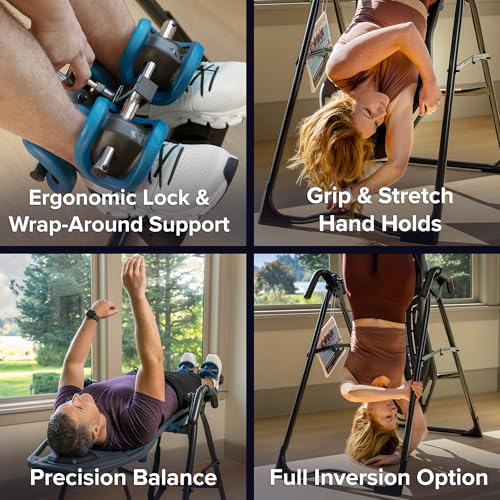
- Ergo-Embrace ankle supports that distribute pressure for better comfort
- Precision rotation control via your arms; easy to stop and hold any angle
- Adjustable tether strap to set max inversion angle for safe, repeatable sessions
- Integrated accessories like acupressure nodes and a lumbar bridge for targeted relief
- Auto-locking hinges and quality hardware for long-term stability
- Quick-fold design for easier storage between uses
What I Like
- Very stable frame; I felt safe at all angles
- Smooth, predictable rotation that responds to small arm movements
- Ankle supports are more comfortable than budget tables
- Easy height and balance setup; first-timers can dial it in fast
- Decompression surface encourages a real stretch instead of sinking into foam
- UL safety certification adds peace of mind
- Accessories help target tight spots without extra tools

What Could Be Better
- Not as compact as some foldable fitness gear; needs floor space
- Firm bed may feel “hard” if you expect thick padding
- Price is higher than basic models, though build and safety justify it

My Recommendation
If you want long-term reliability, smooth control, and stronger safety, this is a smart buy. The X1 is best if you value certified hardware, stable balance, and a decompression surface that supports real traction. In short sessions, it helped me reset my spine and loosen tight hips. In this Teeter FitSpine X1 Inversion Table Review, it proved to be a strong daily recovery tool.
| Best for | Why |
|---|---|
| Desk workers and drivers | Quick decompression eases daily back and neck tension |
| Home gym users | Heavy-duty, UL-certified build with smooth control and easy setup |
| People who want safe, repeatable sessions | Adjustable tether and precise balance help you hold any angle |
Alternative Products You Can Consider
Innova ITM5900 Advanced Heat and Massage Inversion Table
Great for tight budgets and those who want massage and heat pads. It offers a cushioned backrest, which feels soft but can reduce pure traction. It is heavier and less precise in rotation than Teeter. Choose it if you want extra warmth and a lower price.
IRONMAN Gravity 4000 Inversion Table
A sturdy alternative with a very high weight capacity and a thick backrest. It feels stable and secure, but the foam pad may limit spinal elongation compared to a flex bed. Rotation control is good, but not as smooth as the X1. A solid pick for larger users who want value.
Health Gear ITM5500 with Heat and Massage
Comfort-forward with heated massage and a wide backrest. It’s a good fit if you prefer a plush feel and soothing extras. It is bulkier and the rotation feels less nimble than Teeter. Go this route if comfort features outrank precision.
| Product | Best For | Key Difference |
|---|---|---|
| Teeter FitSpine X1 Inversion Table | Safe daily decompression with smooth control | UL-certified build, flex bed, precise rotation |
| Innova ITM5900 | Budget buyers who want heat and massage | Padded backrest; less traction focus, more comfort features |
| IRONMAN Gravity 4000 | Heavier users wanting value and stability | Very sturdy; foam pad reduces pure decompression feel |
| Health Gear ITM5500 | Comfort-first users | Heated massage and plush pad; bulkier, less nimble rotation |
Final Verdict: Which Should You Buy?
If safety, control, and lasting build quality matter most, pick the X1. It balances your body well, lets you set exact angles, and uses a flex bed that helps real spinal traction. In my testing for this Teeter FitSpine X1 Inversion Table Review, it delivered clear relief with short, steady sessions.
If you want heat and massage at a lower price, the Innova or Health Gear models make sense. If you need a very heavy, budget-friendly workhorse, the IRONMAN is strong. But for the best blend of safety certification, comfort at the ankles, and smooth rotation, the Teeter X1 is my top choice for most home users.
FAQs Of Teeter FitSpine X1 Inversion Table Review
How often should I use it?
Start with 1–2 minutes, 1–2 times a day at a mild angle. Build up to 3–5 minutes as you feel good. Short, frequent sessions work well for most people.
Is it safe for beginners?
Yes, if you follow the guide and set the tether to limit angle. The UL-certified frame and precise balance help you stay in control. Always move slowly and breathe.
What height and weight does it support?
It adjusts for a wide user height range and supports up to 300 lb. Set your height and fine-tune balance before the first full session.
Does the bed need padding?
No. The firm FlexTech surface helps your spine elongate. Padding feels nice but can reduce traction. The ankle supports provide comfort where you need it most.
How much space does it need?
You’ll want a clear area a bit longer than your height and as wide as the frame. It folds, but it is still sizable. Measure your space before buying.
In this Teeter FitSpine X1 Inversion Table Review, I aimed to keep it simple, useful, and based on real use. If safe decompression matters to you, the X1 is a strong pick.
