A rack pull is a powerful strength training exercise that zeroes in on your back, glutes, and hamstrings. Think of it as a deadlift with a twist—it’s performed from a higher starting point, usually with the barbell resting on pins or safety bars in a squat rack at about knee height.
Because you’re working through a shorter range of motion than a traditional deadlift, rack pulls let you lift heavier weights and focus on the lockout phase—the top portion of the deadlift where raw pulling strength really comes into play. This makes them an excellent choice for lifters who want to break through plateaus, build stronger pulls, or add serious power to their deadlift performance.
Rack pulls aren’t just for powerlifters, though. Bodybuilders can use them to pack on muscle, while anyone looking to strengthen their posterior chain will benefit. Plus, since the bar starts higher, there’s less strain on the lower back, making this move a smart option for lifters coming back from injury or those who want to keep training hard while protecting their spine.
In short, rack pulls are a simple but highly effective way to build strength, size, and pulling power—all while giving your lower back a bit of a break compared to full deadlifts.
Rack Pull Fundamentals
Rack pulls are a variant of the traditional deadlift. They target the same muscles but differ in execution and benefits. This section dives deep into the basics of rack pulls and how they contrast with deadlifts.
What is a Rack Pull?What Is A Rack Pull?
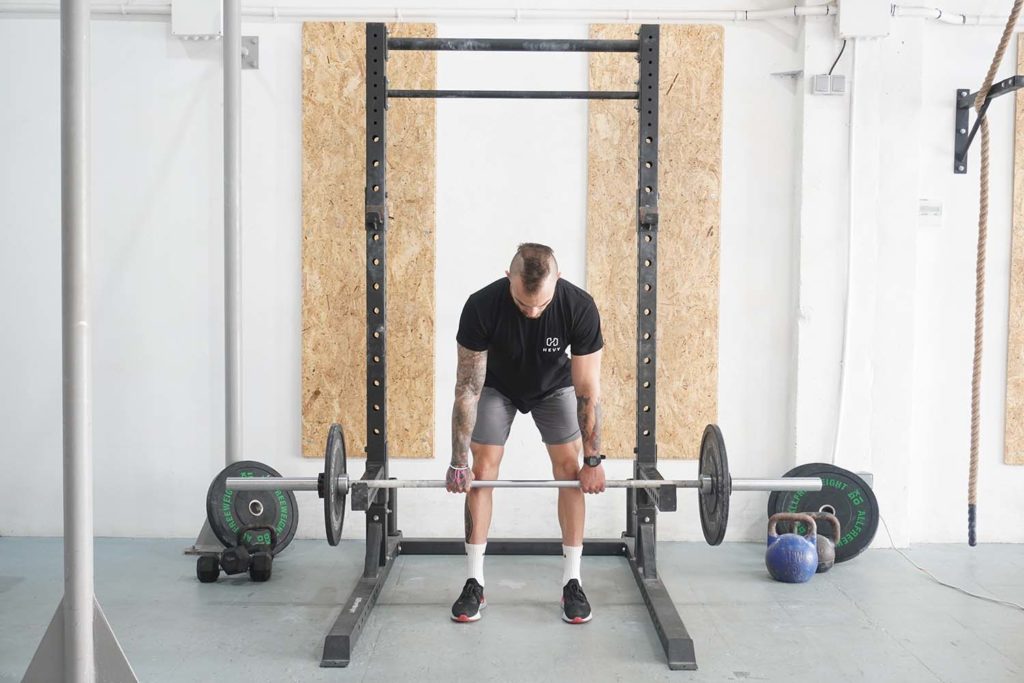
A rack pull is a strength exercise that focuses on the upper part of a deadlift. It involves lifting a barbell from a set of rack pins, typically just below knee level. This move helps improve your lockout strength.
- Position: Stand in front of the barbell with feet shoulder-width apart.
- Grip: Use an overhand grip to hold the bar.
- Movement: Lift the bar by extending hips and knees to a full stand.
Differences Between Rack Pulls And Deadlifts
Distinguishing rack pulls from deadlifts is key for proper training. The two exercises vary in range, technique, and impact.
| Rack Pull | Deadlift |
|---|---|
| Reduced range of motion | Full range of motion |
| Focuses on top half | Targets from ground up |
| Less strain on lower back | More engagement of lower back |
| Improves lockout strength | Builds overall pulling strength |
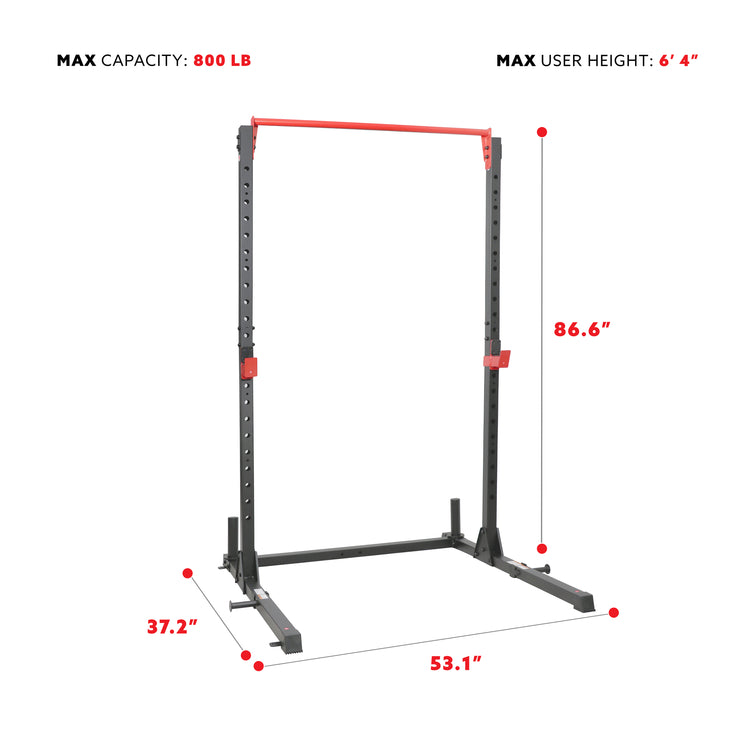
Credit: sunnyhealthfitness.com
The Benefits Of Integrating Rack Pulls
Rack pulls, a variation of the conventional deadlift, can notably enhance your strength training regimen. This exercise focuses on the lockout phase of the deadlift. It offers a myriad of benefits, from muscle targeting to improving overall deadlift strength. Let’s delve into some of the advantages.
Targeted Muscle Engagement
Rack pulls are exceptional for activating specific muscle groups. They engage the following:
- Lower back muscles which support your core and improve posture.
- Glutes and hamstrings for a powerful lower body.
- Trapezius and shoulder muscles, crucial for upper body strength.
Improving Deadlift Lockout Strength
Experiencing a stall in deadlift progression is common. Rack pulls can help:
| Area of Improvement | How Rack Pulls Help |
|---|---|
| Lockout Phase | Enhances the ability to complete the top half of the lift. |
| Grip Strength | Better handle on the bar translates to a stronger lift. |
| Overloading | Allows lifting heavier weights than typical deadlifts, boosting strength. |
Setting Up For Success
Before embarking on your journey to master the Rack Pull, proper setup is paramount. This ensures safety, maximizes efficiency, and contributes to hitting those personal bests. Focus on nailing the setup, and the results will follow.
Equipment Essentials
Selecting the right equipment is the first step to a successful Rack Pull. Consider the following essentials:
- Power Rack: The central piece where you’ll set the barbell.
- Barbell: Choose one that’s straight and has good knurling for grip.
- Weights: Start with enough weight for a challenge but not too heavy.
- Clips: Always secure the weights with clips to prevent sliding.
- Lifting Straps (optional): These can aid grip on heavier lifts.
Arrange your equipment close to the rack for easy access. This keeps your focus on lifting, not searching for gear.
Proper Starting Position
The starting position of a Rack Pull is critical for effectiveness and safety. Follow these steps:
- Stand with feet hip-width apart, toes pointing slightly out.
- Bar should be at knee height or slightly below.
- Grip the bar outside your knees, hands shoulder-width apart.
- Engage your core, keep your back straight, chest up.
- Shoulders should be slightly in front of the bar.
- Look forward, not up or down, to align your neck with your spine.
Remember, a strong start leads to a strong finish. Each lift begins with a solid foundation, so take the time to get it right.
Mastering The Technique
Mastering the technique of the Rack Pull is the cornerstone to reaping its muscle-building rewards. This exercise is a variation of the standard deadlift, focusing on the top half of the movement. It’s crucial for improving lockout strength. Personal trainers and seasoned lifters alike favor this lift for its back-strengthening potential.
Step-by-step Execution
Begin your Rack Pull journey with these steps:
- Position a barbell on a power rack at knee level.
- Stand with feet hip-width apart, facing the bar.
- Bend at hips and knees, keeping your back straight.
- Grasp bar with a grip wider than shoulder width.
- Engage core, keeping your chest up and shoulders back.
- Drive through heels and straighten legs to lift the bar.
- Extend hips fully at the top of the movement.
- Lower the bar back to the start position in a controlled manner.
Perfect form ensures each muscle group activates properly.
Common Mistakes To Avoid
Avoiding these key errors will enhance your technique:
- Overarching the Back: Maintain a neutral spine throughout.
- Rounding Shoulders: Keep shoulders retracted, chest out.
- Using Momentum: Lift with control, no jerky movements.
- Overextending the Hips: No need to lean back at the top.
- Incorrect Grip: Use a grip that’s comfortable and secure.
Focusing on form over weight lifted yields the best progress.
Programming Rack Pulls Into Your Routine
Introducing rack pulls into your workout routine can give you impressive strength gains. This variant of the deadlift targets your upper back, lower back, and glutes. It’s a move that’ll help you break plateaus and increase your overall pulling strength. Below is how to schedule rack pulls for optimal results and complementary exercises for a balanced routine.
H3 Heading for Frequency and Repetition GuidelinesFrequency And Repetition Guidelines
Finding the right balance in frequency and repetitions is key for rack pulls. The aim is to challenge your muscles without overstraining them. A suitable starting point follows:
- Beginners: Once per week, 3-4 sets of 5-8 reps.
- Intermediate: Twice per week, 3-5 sets of 3-6 reps.
- Advanced: Up to two times per week, 4-6 sets of 1-5 reps.
Ensure rest days between rack pull sessions to allow muscle recovery. Track your progress and adjust as needed.
H3 Heading for Combining Rack Pulls with Other ExercisesCombining Rack Pulls With Other Exercises
Mixing rack pulls with other exercises can create a well-rounded workout routine. Consider this combination for maximum effectiveness:
| Day 1 | Day 2 | Day 3 |
|---|---|---|
| Rack Pulls | Overhead Press | Squats |
| Bent-Over Rows | Deadlifts | Leg Press |
| Lat Pulldowns | Lateral Raises | Leg Curls |
Balance rack pulls with pulling and leg exercises. This helps engage all muscle groups evenly and promotes overall body strength.

Credit: www.amazon.com
Real Lifters’ Testimonials
Exploring how real lifters have thrived with Rack Pull can inspire your fitness journey. We’ve gathered authentic experiences from gym warriors who’ve seen remarkable gains. Their success stories and professional tips below offer insights into making the most out of this powerful exercise.
Success Stories
- Jane Doe: 50lbs Increase in Deadlift – After incorporating rack pulls into her training, Jane saw her deadlift skyrocket from 150lbs to 200lbs in four months.
- John Smith: Overcame a Plateau – John was stuck with his strength gains for a year. Rack pulls helped him to break through and hit new personal records.
- Maria Lopez: Enhanced Back Definition – Maria added rack pulls to her routine and noticed significant definition in her upper and lower back within weeks.
Tips From The Pros
| Tip | Pro | Benefit |
|---|---|---|
| Maintain Proper Form | Alex Johnson, Powerlifting Coach | Ensures safety and maximizes lifting efficiency. |
| Vary Your Grip | Emily White, Strength Competitor | Builds grip strength and targets different back muscles. |
| Incorporate Progressive Overload | Lucas Green, Fitness Author | Fosters consistent strength and muscle gains. |
Credit: www.hevyapp.com
Frequently Asked Questions For Rack Pull
What Is A Rack Pull?
A rack pull is a strength training exercise that focuses on the upper portion of a traditional deadlift. It’s performed by pulling a loaded barbell from a squat rack’s pins, set at knee level or just below, which targets the back, glutes, and hamstrings with reduced range of motion.
Rack Pull Vs. Deadlift: Any Difference?
Rack pulls and deadlifts differ mainly in range of motion. While deadlifts are lifted from the floor, requiring greater hip and ankle mobility, rack pulls start from an elevated position (usually at or below the knees), focusing more on the back and requiring less flexibility.
How Do Rack Pulls Improve Posture?
Rack pulls can bolster upper back strength and muscle development, particularly in the traps and lats. This increased strength helps in maintaining an upright posture, as it supports proper spinal alignment. Consistent training can lead to posture improvements over time.
Are Rack Pulls Suitable For Beginners?
Yes, rack pulls are suitable for beginners as they provide a simplified range of motion compared to full deadlifts. This eases the learning curve, allowing novices to focus on form and progressively build foundational back strength before advancing to more complex lifts.
Conclusion
The rack pull is an exceptional exercise for targeting lower back strength and overall power. By integrating this lift into your routine, you’re bound to see significant gains. Always prioritize form to maximize effectiveness and prevent injury. Ready to lift heavier and grow stronger?
Give rack pulls a spot in your training lineup.
