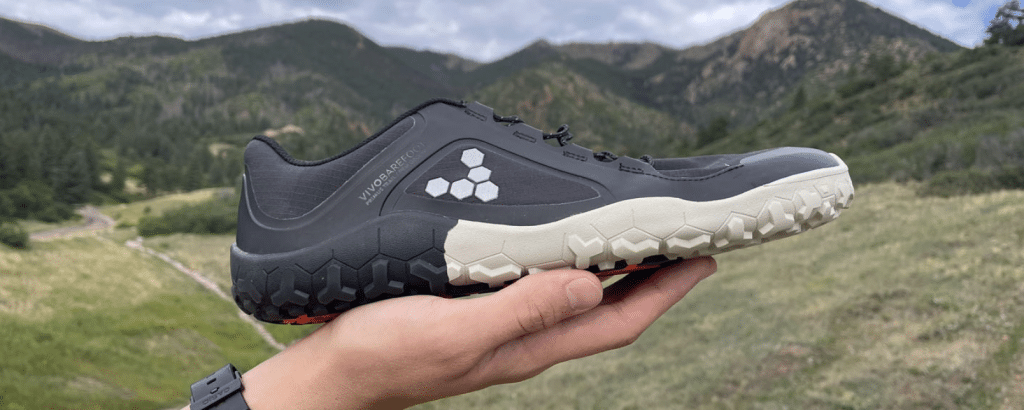
Many people today are rethinking what they wear on their feet, especially for running, hiking, or even daily walks. The Vivobarefoot Primus Trail III is one of those shoes that promises a new experience—closer to the ground, more natural movement, and a lighter touch on the earth. But with its price tag and strong claims, is it really worth your money? Let’s dive deep into the world of barefoot shoes, and see if this model lives up to the hype.
What Makes The Vivobarefoot Primus Trail Iii Special?
The Primus Trail III stands out in a crowded market of trail shoes. Unlike traditional running or hiking shoes with thick cushioning and heavy support, the Primus Trail III is a barefoot shoe. That means it’s designed to let your feet move and feel as naturally as possible, almost as if you were walking barefoot.
Today's Exclusive Deals
Limited-time Exclusive Deals. Check current discount on Amazon.
Check Price on Amazon As an Amazon Associate I earn from qualifying purchases.Here are some features that make the Primus Trail III unique:
- Ultra-thin sole: Just 2.5mm thick, offering excellent ground feel
- Wide toe box: Gives your toes space to splay and move
- Lightweight design: Usually around 8–9 ounces per shoe, depending on size
- Flexible materials: Follows the natural movement of your foot
- Eco-friendly construction: Uses recycled plastics and vegan materials
- Aggressive tread: Designed for mixed trails, mud, and gravel
These features are not just for show. They aim to encourage a more natural walking and running style, which many believe can help reduce injury and improve foot strength over time.
Who Should Consider The Primus Trail Iii?
Barefoot shoes are not for everyone. The Primus Trail III is best suited for people who:
- Want to strengthen foot muscles and improve balance
- Prefer a natural feel and close ground contact
- Hike or run on mixed trails, dirt, and forest paths
- Value eco-friendly and vegan products
- Have experience with minimal shoes, or are willing to transition slowly
If you have foot pain, specific medical needs, or have never tried barefoot shoes before, it’s important to approach with caution. A slow transition is key to avoiding injury.
Detailed Performance Review
Let’s break down how the Primus Trail III performs in key areas that matter to most buyers.
Comfort And Fit
The first thing you notice is the roomy toe box. Unlike most shoes that squeeze your toes, the Primus Trail III lets them spread naturally. This is great for balance and comfort, especially on uneven ground.
The shoe is also extremely light—after a few minutes, you may forget you’re even wearing them. The upper is made of a breathable mesh, which keeps your feet cool during long walks or runs.
However, the thin sole means you feel every rock, root, and bump. For some, this is a benefit, but if you’re used to heavy cushioning, it can take time to adjust. Some users report minor discomfort during the first few weeks, especially on hard, rocky terrain.
Ground Feel And Protection
The main selling point is ground feel. The sole is just thick enough to protect from sharp stones and debris, but thin enough to let you sense the terrain. This feedback helps you adjust your stride and improves stability.
Still, this protection is limited. On sharp gravel or rough trails, you will notice every detail. This can be tiring for beginners or those with sensitive feet.
Traction And Stability
The Primus Trail III uses a multi-directional lug pattern on its sole, giving solid grip on mud, wet leaves, and loose dirt. On dry rocks or hard-packed trails, traction is still good, but not as aggressive as some heavy-duty trail shoes.
The wide base and flat sole help with balance, especially on uneven ground. You feel more connected to the trail, but you also need to use your own muscles more for stability.
Durability And Build Quality
Vivobarefoot is known for its focus on durability and sustainability. The Primus Trail III uses tough, recycled plastics for the upper and a rugged rubber sole. Most users report good lifespan—often 500+ miles for trail use.
However, because the sole is thin, it will show wear faster than thick-soled shoes. If you mainly hike on sharp rocks or rough terrain, you may see the tread wearing down sooner.
Water Resistance And Breathability
The mesh upper is highly breathable, which is great for hot weather. However, this also means that water gets in easily. For rainy hikes or wet conditions, your feet will get wet quickly. The shoe dries fast, but it’s not waterproof.
If you need water resistance, Vivobarefoot offers other models with a more closed upper, but those will be less breathable.
Real-world Testing: User Experiences
Looking at reviews and feedback from actual users gives a clearer picture of how the Primus Trail III performs over time.
- Many users love the natural feel and the way the shoe helps strengthen their feet.
- Some beginners say the transition is tough, especially on rocky trails.
- People with wide feet or toe splay issues find the fit very comfortable.
- A few users mention the sole wears faster on concrete or rough gravel.
- The eco-friendly materials are a big plus for environmentally conscious buyers.
A non-obvious insight: several experienced runners report that, after months in the Primus Trail III, their foot and calf muscles became noticeably stronger, but only after an initial period of soreness. This suggests that the shoe does encourage muscle use and adaptation—something not every shoe delivers.
Another insight: if you use orthotics or need extra arch support, this shoe may not work for you. The design is meant for natural foot function, so adding inserts can actually make the fit uncomfortable.
Comparing Vivobarefoot Primus Trail Iii With Alternatives
Choosing a barefoot trail shoe can be confusing, especially with so many options. Here’s a comparison of the Primus Trail III with some popular alternatives.
| Shoe | Sole Thickness | Weight (Men’s US 9) | Toe Box | Best For |
|---|---|---|---|---|
| Vivobarefoot Primus Trail III | 2.5mm | 8.8 oz | Wide | Mixed trails, natural feel |
| Merrell Trail Glove 7 | 4mm | 7.4 oz | Medium | Light trails, minimal style |
| Altra Superior 6 | 21mm | 8.9 oz | Wide | Cushioned zero-drop, longer runs |
| Xero Shoes TerraFlex II | 6.5mm | 9.6 oz | Wide | Tougher terrain, durability |
This table shows that the Primus Trail III is among the thinnest and lightest, with one of the widest toe boxes. It’s best for those who want maximum ground feel and a truly barefoot experience.
Value For Money: Is The Price Justified?
The Primus Trail III is not cheap. Prices usually range from $150 to $170, depending on sales and sizing. This puts it at the higher end for trail shoes, especially when compared to mainstream brands.
What Do You Get For The Price?
- Premium barefoot design: Not many shoes offer this level of ground feel.
- Eco-friendly materials: Made with recycled and vegan materials.
- Durability: Good for up to 500 miles if used as intended.
- Brand reputation: Vivobarefoot is a leader in the barefoot movement.
However, there are cheaper options available. If you’re new to barefoot shoes, you might want to try a less expensive model first to see if you like the style.
A hidden cost: transitioning to barefoot shoes often means shorter initial outings and a learning curve, which not everyone expects. There can be some discomfort and a need to change your running or hiking style.
On the other hand, if you are committed to natural movement and want a high-quality, environmentally friendly option, the Primus Trail III’s price is easier to justify.
Transitioning To Barefoot Shoes: What You Should Know
Switching to barefoot shoes is not just about buying a new pair—it’s a change in how you move. The Primus Trail III makes you use muscles you may not have used much before. This can lead to soreness or even injury if you move too quickly.
Here are some tips for a safer transition:
- Start slow: Wear the shoes for short walks at first, then increase distance over weeks.
- Listen to your body: If you feel pain, rest and let your muscles adapt.
- Practice good form: Aim for a soft landing, shorter steps, and upright posture.
- Mix with your old shoes: Alternate between barefoot and regular shoes during the transition.
- Stretch and strengthen: Focus on calf, foot, and ankle exercises.
A common mistake is doing a long run or hike right away. Give your body time to adjust.
Pros And Cons Of The Vivobarefoot Primus Trail Iii
Summing up all the details, here are the main advantages and disadvantages of the Primus Trail III:
| Pros | Cons |
|---|---|
| – Excellent ground feel – Wide, comfortable toe box – Lightweight – Eco-friendly materials – Good breathability – Strong brand reputation | – Expensive – Thin sole not for everyone – Not waterproof – Takes time to adapt – Sole may wear quickly on rough terrain |
Longevity And Maintenance
How long can you expect the Primus Trail III to last? With proper care, many users report 500–700 miles of trail use. For city use, especially on rough pavement, the sole can wear faster.
To extend the life of your shoes:
- Clean them regularly with gentle soap and water
- Let them air dry (never use direct heat)
- Rotate with other shoes if possible
- Avoid using for heavy backpacking or activities outside their design
If you do wear down the tread, Vivobarefoot offers a repair program in some regions, which can help extend the usable life and reduce waste.
Environmental Impact And Ethical Considerations
One area where Vivobarefoot stands out is its commitment to the environment. The Primus Trail III uses:
- Recycled PET plastic for the upper mesh
- Vegan-friendly materials throughout
- Minimal packaging and carbon-conscious shipping
Vivobarefoot also runs a shoe recycling program, allowing you to send back old shoes for reuse or recycling.
For eco-conscious buyers, these features add value beyond the shoe itself. If you care about reducing your footprint, this is a significant benefit over most mainstream brands.

Sizing And Fit Tips
Getting the right fit is crucial for barefoot shoes. The Primus Trail III fits true to size for most people, but there are a few things to note:
- If you plan to wear thick socks, consider going up half a size.
- The shoe is designed for a wide toe splay, but the heel and midfoot are medium width.
- If you have narrow feet, you may need to adjust lacing or use an insole for a snug fit.
- Try shoes on at the end of the day when your feet are largest.
A non-obvious tip: Your toes should have enough room to wiggle freely, but the shoe shouldn’t slip at the heel. This balance is key to enjoying the barefoot feel.
When Is The Primus Trail Iii Not Worth It?
While the Primus Trail III has many strengths, it’s not for everyone. You might want to look elsewhere if:
- You need strong arch support or use orthotics
- Your trails are mainly sharp, rocky, or urban concrete
- You want heavy cushioning or protection
- You dislike feeling stones or uneven surfaces
- You have foot injuries or medical needs that require stability
In these cases, a more traditional trail shoe or a cushioned zero-drop shoe might be better.
What Sets Vivobarefoot Apart In The Barefoot Market?
Vivobarefoot has built a loyal community of users, and the Primus Trail III is often seen as a benchmark for barefoot trail shoes. Here’s why:
- Consistent quality: Few brands combine barefoot design with robust construction.
- Clear mission: Their focus on foot health, sustainability, and education is unique.
- Community: Vivobarefoot offers resources, guides, and support for transitioning to barefoot living.
If you want to learn more about the science and philosophy behind barefoot movement, you can find useful information from the Wikipedia entry on barefoot running.
Frequently Asked Questions
What’s The Main Difference Between Vivobarefoot Primus Trail Iii And Regular Trail Shoes?
The main difference is the barefoot design. The Primus Trail III has a thin, flexible sole, no built-in arch support, and a wide toe box. It aims to let your foot move and feel naturally, unlike regular trail shoes that use heavy cushioning and structure.
How Long Does It Take To Transition To Barefoot Shoes Like The Primus Trail Iii?
For most people, it takes 4–12 weeks to adapt fully. Start with short walks, listen to your body, and slowly increase distance. Some soreness is normal, but pain is a sign to slow down.
Can I Use Custom Insoles Or Orthotics With The Primus Trail Iii?
These shoes are designed for natural foot function. Using custom insoles or orthotics can reduce the barefoot benefits and make the fit uncomfortable. If you need orthotics, this shoe may not be the best choice.
Are The Primus Trail Iii Shoes Suitable For Running On Roads?
They work on roads, but the thin sole means you’ll feel every bump or stone. For smooth, clean pavement, they’re fine, but for rough city streets or lots of gravel, you may want a shoe with more protection.
How Do I Clean And Care For My Vivobarefoot Primus Trail Iii?
Wash with gentle soap and water, then air dry. Do not use direct heat or machine drying. For heavy mud, rinse off as soon as possible to prevent staining.

The Final Word: Is The Vivobarefoot Primus Trail Iii Worth It?
If you are looking for a true barefoot experience on the trail, want to strengthen your feet, and care about eco-friendly gear, the Vivobarefoot Primus Trail III is one of the best options available. It’s not cheap, and it isn’t for everyone. The thin sole, minimal support, and natural fit require time and patience to adjust.
But for those willing to transition and embrace the barefoot philosophy, this shoe delivers excellent ground feel, comfort, and a unique connection with the terrain. The brand’s commitment to sustainability is a bonus. If these features match your needs and values, then yes—the Primus Trail III is worth it.
If not, consider your options carefully, and don’t rush the journey to barefoot living.