Yes, the Rogue Rhino Belt Squat is worth it for lifters who value heavy leg work without loading the spine.
The Rogue Rhino Belt Squat is more than a squat alternative. It is a premium lower-body machine built for strength, rehab, and high-volume training. Its value depends on your goals, gym space, budget, and need for a durable belt squat that can handle years of hard use. This guide breaks down its design, benefits, drawbacks, cost, and best alternatives so you can make a smart choice.
Today's Exclusive Deals
Limited-time Exclusive Deals. Check current discount on Amazon.
Check Price on Amazon As an Amazon Associate I earn from qualifying purchases.What Is the Rogue Rhino Belt Squat?
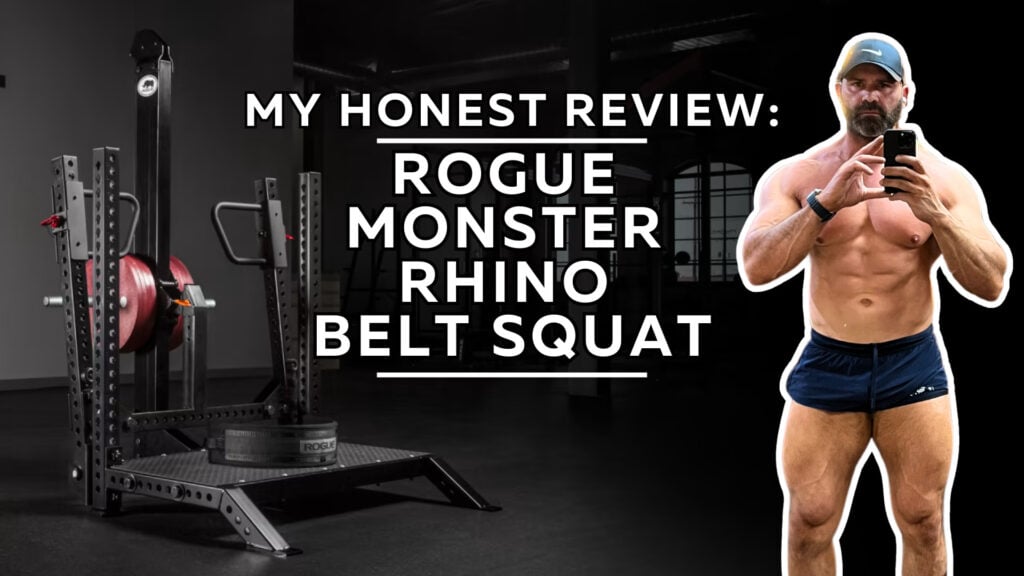
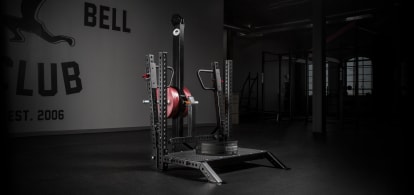
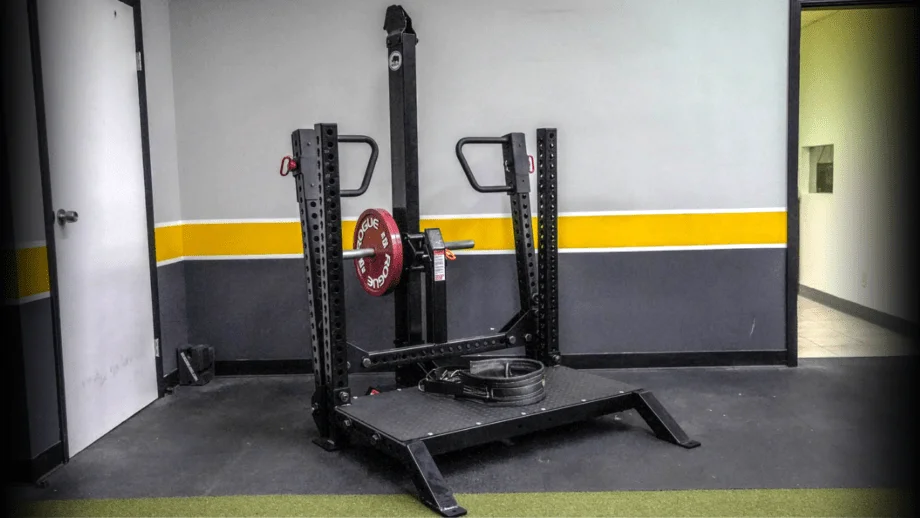
The Rogue Rhino Belt Squat is a plate-loaded lower-body machine made by Rogue Fitness. It lets you squat while the weight hangs from a belt around your hips instead of resting on your shoulders.
That small change can make a big difference. Your legs still work hard, but your spine and upper back do not need to support a barbell. It feels like taking a heavy backpack off your shoulders while keeping the challenge on your hips and legs.
The machine uses a lever and pulley system to transfer weight from the loading horn to the belt. Most users stand on a raised platform, attach the belt, and squat through a full range of motion.
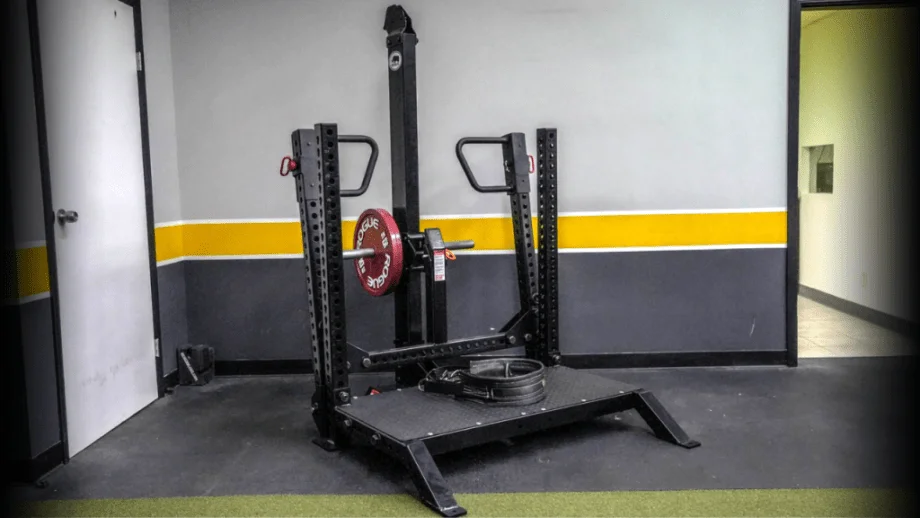
Depending on the model and current configuration, the Rogue Rhino Belt Squat may include features such as:
• A heavy steel frame
• A large standing platform
• Adjustable belt height
• A loading arm for Olympic plates
• A pulley system for smooth resistance
• A built-in pull-up bar or accessory options on some versions
• Compatibility with Rogue Monster or Monster Lite equipment in selected setups
Rogue has offered different Rhino configurations over time, so always check the current product page for exact dimensions, attachments, finish, warranty terms, and included accessories.
Rogue Rhino Belt Squat Key Features
The Rogue Rhino Belt Squat stands out because it combines a simple movement with commercial-grade construction. It is not a small home gym attachment. It is a serious piece of equipment with a large footprint and a high price.
Heavy-duty construction
Rogue builds the Rhino with thick steel tubing and a strong welded frame. The machine feels stable during heavy squats, split squats, calf raises, and other lower-body movements.
That stability matters. A light or poorly built belt squat can shift when you use heavy plates. The Rogue Rhino Belt Squat feels more like a fixed training station than a temporary add-on.
Low spinal loading
The belt carries the load around your hips. This reduces the compressive demand placed on your shoulders and upper back compared with a traditional barbell squat.
It does not remove all stress from your back. Your torso still needs to stay controlled, and your spine still helps transfer force. However, many lifters find the Rogue Rhino Belt Squat easier to tolerate when barbell squats bother their back, shoulders, or wrists.
Smooth resistance
A well-built pulley system gives the Rogue Rhino Belt Squat a steady resistance curve. The movement may feel smoother than a barbell squat, especially at the bottom.
The exact feel depends on the machine setup, cable path, belt position, and plates used. It may not feel identical to free weights, and that is not a flaw. It simply offers a different way to train the same major muscle groups.
Large training platform
The wide platform gives you room to adjust your stance. You can use a normal squat stance, a wider stance, a narrow stance, or a staggered position.
This makes the Rogue Rhino Belt Squat useful for more than standard squats. You can train unilateral strength, glutes, quads, adductors, and calves without needing a bar on your back.
Commercial gym durability
For a busy gym, durability may be the main reason to buy the Rogue Rhino Belt Squat. It is designed for repeated use, frequent plate changes, and demanding sessions.
For a private user, this durability is both a benefit and a cost. You may get a machine that lasts for decades, but you also pay for that level of construction.
Is the Rogue Rhino Belt Squat Worth It for Strength Training?
Yes, the Rogue Rhino Belt Squat can be worth it for strength training. It lets you train hard while reducing the need to stabilize a bar across your shoulders.
It is especially useful when you want to add more lower-body volume without adding more spinal fatigue. For example, you could perform heavy barbell squats on Monday and use the Rogue Rhino Belt Squat for moderate or high-repetition work later in the week.
The machine can support several strength goals:
• Building quad and glute strength
• Improving leg drive
• Training through fatigue
• Increasing lower-body volume
• Practicing controlled squat depth
• Supporting a return to training after an injury
• Developing unilateral strength
The Rogue Rhino Belt Squat will not fully replace barbell squats for powerlifting. A belt squat does not train the same level of trunk bracing, balance, or bar control. If your goal is to maximize your back squat, you should still practice the back squat when it is safe and appropriate.
Think of the Rogue Rhino Belt Squat as another tool in your toolbox. A hammer does not replace a screwdriver. It simply solves a different problem better.

Benefits of the Rogue Rhino Belt Squat
The best way to judge the Rogue Rhino Belt Squat is to compare its benefits with your training needs.
It trains the legs with less upper-body strain
The belt supports the weight at your hips. This can reduce stress on your shoulders, elbows, wrists, and upper back.
That makes it useful for lifters with limited shoulder mobility or discomfort during front and back squats. It can also help athletes train their legs while recovering from an upper-body injury.
You should still follow medical guidance if you have an injury. A belt squat is not automatically safe for every condition.
It allows high training volume
Many people stop a leg session because their back or upper body feels tired before their legs reach their limit. The Rogue Rhino Belt Squat can help shift the limiting factor toward the legs.
You may be able to perform more sets, higher reps, or shorter rest periods. This makes it a strong choice for bodybuilding, athletic training, and general fitness.
It supports easier workouts during fatigue
After deadlifts, rows, carries, or heavy pressing, your body may not feel ready for another barbell squat. The Rogue Rhino Belt Squat gives you a way to train your legs without asking your upper body to stabilize another heavy bar.
This is one reason many strength coaches use belt squat work during later sessions or deload periods.
It offers useful exercise variety
With the Rogue Rhino Belt Squat, you can perform:
• Standard belt squats
• Narrow-stance squats
• Wide-stance squats
• Belt squat good mornings
• Split squats
• Reverse lunges
• Calf raises
• Step-ups, when the platform and setup allow safe execution
• High-repetition leg work
Always start with a light load when trying a new variation. The cable path can change how the movement feels, especially at the bottom.
It can improve training confidence
Some lifters avoid heavy leg training because they fear back pain or feel unstable under a bar. The Rogue Rhino Belt Squat may help them train with more confidence.
Confidence is not a substitute for good technique. Still, feeling secure can make it easier to work through a planned program and maintain consistency.

Limitations of the Rogue Rhino Belt Squat
The Rogue Rhino Belt Squat is not perfect. Its weaknesses are important because the machine costs much more than a simple belt squat attachment.
High purchase price
The Rogue Rhino Belt Squat is a premium product. Once you include shipping, plates, and possible accessories, the total investment can become substantial.
Prices can change, and Rogue may offer different versions or packages. Check the current price before making a decision. Also compare the cost with a rack, barbell, plates, and other equipment you still need.
For many home lifters, the machine costs more than their entire lower-body setup.
Large footprint
The Rogue Rhino Belt Squat needs dedicated floor space. It is not ideal for a small garage where every square foot matters.
Measure more than the listed footprint. Leave enough room to load plates, walk around the machine, attach the belt, and train without hitting walls or other equipment.
It may not replace a squat rack
A belt squat does not train the same skills as a barbell squat. It offers less demand on balance, trunk stability, and upper-body positioning.
If you compete in powerlifting or want a stronger back squat, keep a rack and barbell in your plan.
The belt may feel uncomfortable
A hip belt distributes pressure better than a narrow strap, but heavy loads can still feel uncomfortable. New users may notice pressure around the hips, pelvis, or upper thighs.
Adjust the belt carefully. Start with lower loads and give your body time to adapt.
Loading can take time
Some users enjoy the simple plate-loaded design. Others dislike moving many plates on and off the machine.
If you train with several people, plate changes may slow the session. A selectorized machine may be faster, though it usually costs more and offers a different feel.

Rogue Rhino Belt Squat Versus Barbell Squats
The Rogue Rhino Belt Squat and barbell squat can both build strong legs, but they create different demands.
A barbell squat requires you to support the bar, brace your trunk, control your balance, and coordinate your entire body. It is highly specific to powerlifting and many strength sports.
The Rogue Rhino Belt Squat places more attention on the legs. It reduces the need for shoulder and upper-back support. This makes it useful for extra volume, accessory work, and training around certain limitations.
Here is a simple comparison:
| Feature | Rogue Rhino Belt Squat | Barbell Squat |
|---|---|---|
| Spinal and upper-back demand | Usually lower | Usually higher |
| Balance demand | Lower | Higher |
| Leg isolation | Often greater | Moderate |
| Sport specificity for powerlifting | Lower | Higher |
| Ease during upper-body injury | Often better | Often worse |
| Space required | High | Moderate |
| Cost | High | Low to moderate |
| Exercise variety | High | Moderate |
The best choice may be both. Many lifters use the barbell squat for their main strength lift and the Rogue Rhino Belt Squat for volume, conditioning, or accessory work.
Rogue Rhino Belt Squat Versus Other Belt Squat Options
The Rogue Rhino Belt Squat is not the only way to perform belt squats.
Belt squat attachments
A belt squat attachment connects to a power rack or cable station. It costs less and takes up less space than a full machine.
However, attachments may have a smaller platform, less stability, or a less refined cable path. They can be a great value for home gyms, but they may not feel as solid under very heavy loads.
Lever belt squat machines
Some machines use a lever arm instead of a cable and pulley system. They can be compact and smooth, but the resistance curve may feel different from the Rogue Rhino Belt Squat.
The best choice depends on your preferred movement feel and available space.
DIY belt squat systems
A homemade system can be inexpensive, but safety becomes your responsibility. Weak hardware, poor cable angles, or an unstable platform can create serious risks.
For heavy training, a tested commercial machine is usually the safer choice.
Commercial selectorized machines
Selectorized belt squat machines are fast to adjust and convenient for busy gyms. They may also offer a smoother user experience.
They often cost more than plate-loaded systems and may require more maintenance. They can be ideal for commercial facilities, but they are often excessive for a private home gym.

Who Should Buy the Rogue Rhino Belt Squat?
The Rogue Rhino Belt Squat makes the most sense for people who will use it often.
It may be a strong fit if you are:
• A serious home lifter with enough space
• A strength coach building a training facility
• A commercial gym owner
• A powerlifter who needs extra leg volume
• An athlete who wants lower-body training with less upper-body fatigue
• A bodybuilder who wants more quad and glute work
• A lifter returning from certain upper-body limitations
• Someone who dislikes heavy barbell loading on the shoulders
The Rogue Rhino Belt Squat may not be a good buy if you are:
• New to strength training
• Working with a small budget
• Limited by garage or apartment space
• Still missing basic equipment
• Training only once or twice per week
• Looking for a complete replacement for the barbell squat
For beginners, a rack, barbell, plates, adjustable bench, and basic accessories often provide more value.
Who Should Not Buy the Rogue Rhino Belt Squat?
You may want to skip the Rogue Rhino Belt Squat if the machine would sit unused most of the year.
Large equipment becomes expensive storage when it does not solve a regular problem. Before buying, estimate how often you will use it. A simple test is to follow a belt squat program at a commercial gym for four to six weeks.
Also avoid using the machine to “train through” sharp pain. Muscle fatigue is normal. Sharp pain, numbness, joint locking, or worsening symptoms require caution and professional advice.
The machine also may not suit lifters who want maximum athletic transfer from squats. Athletes still need jumping, sprinting, single-leg work, and sport-specific drills. The Rogue Rhino Belt Squat can support those goals, but it cannot replace them.

How to Use the Rogue Rhino Belt Squat Safely
A few simple habits can make the Rogue Rhino Belt Squat safer and more effective.
Inspect the machine before training. Check the belt, cable, pins, platform, and loading area.
Use the correct belt position. Keep it secure around your hips, not loosely around your stomach.
Begin with a light load. Learn the cable path before adding heavy plates.
Keep your feet stable. Use a stance that lets your knees track in line with your toes.
Control the lowering phase. Do not drop into the bottom under a heavy load.
Use a depth you can control. Full depth is useful, but only when your position stays strong.
Avoid sudden twisting. Keep your hips and feet aligned during squats and lunges.
Recheck the setup after adding plates. More weight can change how the belt sits.
Stop if you feel sharp pain. Do not confuse pain with normal effort.
One common mistake is loading too much too soon. The Rogue Rhino Belt Squat can feel easy at first because your upper body is less involved. Then the legs fatigue quickly. Add weight in small steps and keep your technique steady.
Rogue Rhino Belt Squat Programming Examples
The Rogue Rhino Belt Squat can fit into many programs.
For strength
Use three to five sets of three to six reps. Rest for two to four minutes between sets. Keep one or two good reps in reserve.
For muscle growth
Use three to five sets of eight to 15 reps. Control each rep and focus on a deep, comfortable range of motion.
For conditioning
Use lighter weight for two to four sets of 15 to 25 reps. Rest for 45 to 90 seconds and keep your form clean.
For unilateral work
Try three sets of eight to 12 reps per leg with split squats or lunges. Start very light because balance and hip control can become challenging.
A simple weekly plan could look like this:
• Monday: Back squat, three sets of five
• Thursday: Rogue Rhino Belt Squat, four sets of 10
• Saturday: Split squat, three sets of 10 per leg
This plan gives you heavy barbell practice and lower-body volume without placing every hard set on your spine and upper back.
Is the Rogue Rhino Belt Squat a Good Home Gym Investment?
For the right home gym, yes. For most casual users, probably not.
The Rogue Rhino Belt Squat becomes more valuable when you train three or more days per week, use structured programming, and expect to keep the machine for many years. It also makes more sense when you have already purchased your basic equipment.
Before buying, ask yourself:
• Do I have enough room?
• Will I use it at least once per week?
• Do I need less upper-body fatigue during leg training?
• Can I afford the machine without reducing my budget for basic equipment?
• Would a rack attachment solve the same problem?
• Do I have enough plates to make the machine useful?
If you answer yes to most of these questions, the Rogue Rhino Belt Squat may be a smart long-term purchase. If not, save your money or consider a more compact option.
My Practical Take on the Rogue Rhino Belt Squat
The biggest lesson with the Rogue Rhino Belt Squat is that premium equipment only creates value when it solves a real training problem.
A common mistake is buying it because it looks impressive. That is not enough. The machine earns its cost when it helps you train more often, reduce unwanted upper-body stress, or keep your lower-body work consistent during periods when barbell squats are not ideal.
In practical use, the most important details are not flashy. They are belt comfort, easy plate loading, stable footing, and enough room to move. Test the machine in person if possible, especially if you have a history of hip or back discomfort.
My advice is simple: try belt squats first, write down how often you would use one, and compare the price with a rack attachment. If you expect regular use for many years, the Rogue Rhino Belt Squat is easier to justify.
Frequently Asked Questions About the Rogue Rhino Belt Squat
Is the Rogue Rhino Belt Squat good for building muscle?
Yes, it can build the quads, glutes, hamstrings, and adductors when you use enough resistance and training volume. Its stable setup also makes higher-repetition work easier for many lifters.
Can the Rogue Rhino Belt Squat replace barbell squats?
It can replace barbell squats for general leg training, but it does not provide the same balance, bracing, and competition-specific practice. Powerlifters should usually keep some form of barbell squat in their program.
Is the Rogue Rhino Belt Squat safe for people with back pain?
It may reduce upper-body and spinal loading compared with a barbell squat, but it is not a guaranteed solution for back pain. Anyone with an injury should get advice from a qualified health professional and start with a conservative load.
How much space does the Rogue Rhino Belt Squat need?
The exact space depends on the current model and attachments. Measure the listed machine dimensions, then add room for loading plates, walking around the unit, and performing the exercise safely.
Is the Rogue Rhino Belt Squat worth the high price?
It can be worth the price for serious lifters, coaches, and gyms that will use it often. It is harder to justify for beginners or people who still need basic equipment.
Can beginners use the Rogue Rhino Belt Squat?
Yes, beginners can use it if they learn the setup and begin with light resistance. A coach or experienced training partner can help with belt placement, stance, depth, and safe loading.
Does the Rogue Rhino Belt Squat work the glutes?
Yes, it can train the glutes well, especially with a controlled depth and a stance that suits your hip structure. Split squats, wide-stance squats, and deeper reps can add more glute emphasis.
Conclusion
The Rogue Rhino Belt Squat is worth it when you need a durable, stable way to train your legs with less shoulder and upper-back stress. It offers excellent exercise variety, supports high training volume, and can serve both serious home gyms and commercial facilities.
Its main drawbacks are the high price, large footprint, and limited ability to replace barbell-specific strength work. For most buyers, the right decision comes down to usage: if you will train on it every week for years, it can be a valuable investment; if not, a rack attachment may offer better value.
Measure your space, compare current prices, and test a belt squat before buying. Then choose the option that helps you train more consistently and confidently.