
Every year, new running shoes claim to be the fastest, lightest, or most comfortable. But few shoes get as much attention as the Nike ZoomX Vaporfly Next% 4. If you’re a runner—whether racing a 5K or chasing a marathon PR—you’ve probably heard about this shoe. The big question: Is the Nike ZoomX Vaporfly Next% 4 worth it? This article dives deep into the details, so you can decide if this high-tech, high-priced shoe fits your goals, your feet, and your budget.
What Makes The Nike Zoomx Vaporfly Next% 4 Special?
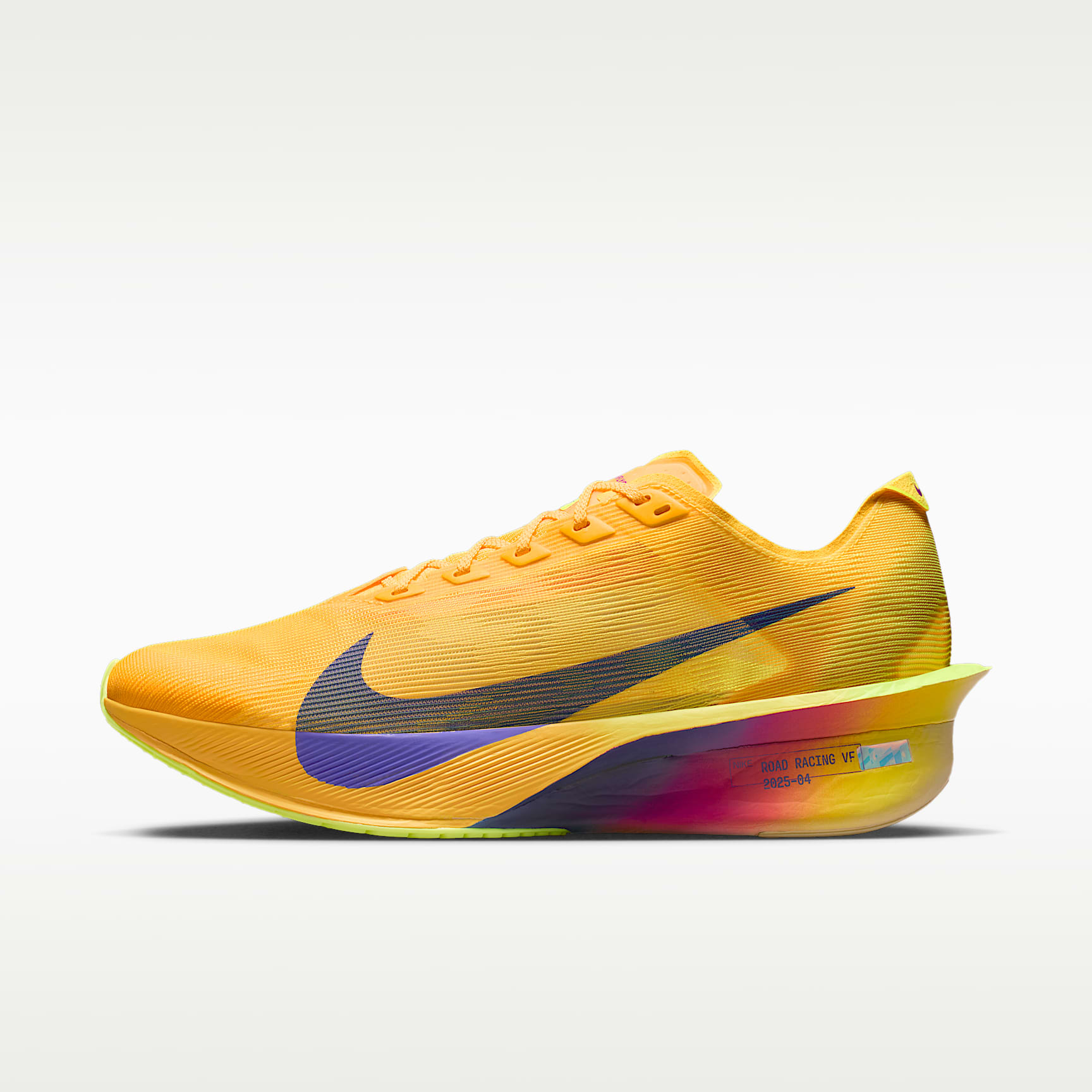
The Vaporfly series changed running forever. Before, shoes were just foam and rubber. Now, top marathoners and casual racers want the latest super shoe with carbon plates and advanced foams. The Next% 4 is the newest version, launched in 2026. But what’s new—and does it matter for you?

Today's Exclusive Deals
Limited-time Exclusive Deals. Check current discount on Amazon.
Check Price on Amazon As an Amazon Associate I earn from qualifying purchases.Let’s break down the key features and upgrades, then see how the Next% 4 stacks up against other shoes and earlier Vaporfly models.
Four Core Features: A Close Look
Nike’s marketing highlights many details, but four features truly define the Vaporfly Next% 4. Here’s what makes each one important.
1. Zoomx Foam Midsole
At the heart of the Vaporfly is the ZoomX foam, a lightweight, responsive material. This foam is designed to give a soft landing and a powerful bounce with each step.
- Energy return: Nike says ZoomX foam returns around 85% of the energy you put in. This means less wasted effort.
- Weight: The foam is extremely light. A men’s size 9 weighs just about 6.5 oz (185g).
- Cushion vs. Speed: The Next% 4 adds a bit more foam compared to the Next% 3, aiming for extra comfort on long runs while still feeling fast.
Insight: Many new runners think any foam is good foam. But ZoomX is not just about softness; it’s tuned for a “springy” feel. Some runners find it unstable if they land hard on their heels or roll their ankles easily.
2. Carbon Fiber Plate
One signature of the Vaporfly is the full-length carbon fiber plate inside the midsole.
- What it does: The plate adds stiffness. When you push off, it helps roll your foot forward, making the next step easier.
- Racing advantage: Studies show shoes with carbon plates (like the Vaporfly) can improve running economy by up to 4%. That means you use less energy at the same pace.
- Version 4 tweak: The Next% 4’s plate is slightly curved, which Nike claims improves toe-off and reduces calf fatigue.
Tip: Not everyone loves the stiff feeling. If you have a history of foot injuries (like metatarsal stress fractures), test the shoe first. The plate can change how your foot moves, so listen to your body.
3. Atomknit 3.0 Upper
Shoes are more than just foam. The upper—the fabric that wraps your foot—matters for comfort, fit, and breathability. The Next% 4 uses Atomknit 3.0, Nike’s latest version of its lightweight knit.
- Fit: The upper is snug but flexible, adapting to different foot shapes.
- Breathability: The knit material lets air flow in and out, helping keep feet cool and dry.
- Lockdown: Lacing system and heel padding help reduce heel slip, a common problem in older Vaporfly models.
Real-world note: Some runners with wide feet find the forefoot tight. If you usually wear “wide” shoes, try before you buy or consider sizing up.
4. Outsole And Traction Upgrades
The outsole—the rubber on the bottom—doesn’t get as much hype, but it’s crucial for grip and durability.
- Design: The Next% 4 uses a new pattern with more rubber in high-wear areas, especially the forefoot.
- Wet weather: Improved traction means better grip on wet roads, a complaint with older Vaporflys.
- Durability: Most runners get about 200–300 miles before the shoe loses its “pop.” The Next% 4 aims to last a bit longer, but it’s still built for race day, not everyday training.
Hidden detail: The outsole is slightly wider in the forefoot, which helps with stability, especially on sharp turns.
How Does The Vaporfly Next% 4 Compare To Other Super Shoes?
With so many options now, it’s smart to compare the Next% 4 to other “super shoes. ” Here’s a look at how it stacks up against top competitors in 2026.
| Shoe | Weight (Men’s US 9) | Stack Height (Heel/Toe) | Carbon Plate | Price (USD) |
|---|---|---|---|---|
| Nike Vaporfly Next% 4 | 6.5 oz | 40mm/32mm | Yes | $275 |
| Adidas Adizero Adios Pro 3 | 7.7 oz | 39.5mm/33mm | Yes (energy rods) | $250 |
| Asics Metaspeed Sky+ | 7.0 oz | 39mm/34mm | Yes | $250 |
| New Balance FuelCell SC Elite v4 | 7.6 oz | 40mm/36mm | Yes | $250 |
Key takeaways:
- The Next% 4 is one of the lightest super shoes.
- Stack height (the amount of foam) is at the World Athletics legal limit (40mm).
- Price is at the higher end, but not the most expensive.
- All top shoes now use carbon plates or similar technology.
Insight: Many runners think only the Vaporfly can make you faster. In reality, other brands now offer very similar tech. But the Vaporfly still leads in weight and “pop”—that unique bounce many runners love.
Comparing Next% 4 To Previous Vaporfly Models
If you already own the Next% 3 or earlier, you might wonder if the Next% 4 is a big upgrade or just a small tweak.
| Model | Year Released | Main Changes | Feel |
|---|---|---|---|
| Vaporfly Next% 2 | 2026 | Improved upper, same midsole | Snappy, narrow fit |
| Vaporfly Next% 3 | 2026 | Wider base, lighter upper | More stable, airy feel |
| Vaporfly Next% 4 | 2026 | More foam, new outsole, Atomknit 3.0 | Softer, bouncier, better grip |
Practical difference: The Next% 4 feels a bit softer and more cushioned, with better grip in the rain. Some runners prefer the firmer, snappier ride of the Next% 2 or 3 for shorter races (5K/10K). For half or full marathons, the Next% 4’s extra comfort can make a real difference.
Who Is The Nike Vaporfly Next% 4 For?
Not every shoe fits every runner. Here’s who benefits most from the Next% 4—and who might want to look elsewhere.
Best For
- Competitive racers: If you’re chasing a personal best in the half or full marathon, the Next% 4 is built for you.
- Efficient runners: If you land on your midfoot or forefoot and have a smooth stride, you’ll get the most out of the carbon plate and foam.
- Serious hobbyists: Even if you’re not elite, runners aiming for sub-4:00 marathons or fast half marathons will notice the difference.
Not Ideal For
- Everyday training: The Next% 4 is expensive and not very durable. Save it for race day or key workouts.
- Heavier runners: If you weigh over 200 lbs, the soft foam may compress too much, losing its bounce quickly.
- Wide feet: The fit is snug. If you need a wide toe box, try before you buy.
- Beginner runners: If you’re just starting, a more stable, cheaper shoe may be a better investment.
Non-obvious tip: Many runners buy super shoes hoping they’ll fix their running form or make them injury-proof. In reality, the shoe can amplify your stride. If you overstride or have poor technique, you may even risk new injuries.
Performance: Does It Really Make You Faster?
Nike claims the Vaporfly can improve running economy by up to 4%. But what does that mean in real races?
- Elite results: Since 2017, most major marathon winners wore Vaporflys or similar super shoes. Eliud Kipchoge broke the 2-hour marathon barrier in a prototype Vaporfly.
- Recreational runners: A 2026 study found that runners of all levels improved their times by 1–4% in carbon-plated shoes compared to traditional models.
- Placebo effect: Some of the magic is mental—knowing you have the “fast shoe” can boost confidence.
Example: If you run a 3:30 marathon (~8:00/mile pace), a 2% improvement saves about 4 minutes—enough to break a time barrier or qualify for a big race.
Hidden detail: Super shoes work best at faster speeds. If your easy pace is above 10:30/mile, you might not feel as much benefit as a faster runner.
Comfort And Fit: What To Expect
A fast shoe is useless if it causes blisters or hot spots. The Next% 4 makes some comfort upgrades over past Vaporflys.
- Toe box: Slightly wider than Next% 2, but still snug for wide feet.
- Heel fit: More padding means less heel slip.
- Arch support: Neutral. If you need high support, consider custom insoles.
Sizing advice: Most runners say the Next% 4 fits true to size, but those with wide feet may want to try a half size up.
Pro tip: Wear thin, moisture-wicking socks on race day. The knit upper is breathable but can let water in during rain.
Durability: How Long Does It Last?
One common complaint about super shoes is their short lifespan. The Next% 4 is no exception.
- Typical mileage: 200–300 miles before the foam loses its bounce.
- Visible wear: Outsole rubber wears down quickly, especially in the forefoot.
- Race shoe, not trainer: Most runners use it only for races and a few key workouts.
Money-saving tip: Use a cheaper training shoe (like the Nike Pegasus or Zoom Fly) for everyday runs, and save the Next% 4 for races.

Price And Value: Is It Worth The Money?
At $275, the Vaporfly Next% 4 is not cheap. Is it worth it?
- For time chasers: If a few minutes or seconds matter (a Boston qualifier, a podium, a PR), the price can be justified.
- For casual runners: If you race rarely or don’t care about time, the extra cost may not be worth it.
- Resale value: Used Vaporflys sell for $100–$150 online after a few races. If you keep them clean, you can recoup some cost.
Perspective: The cost per mile is higher than most shoes. But for many, the chance to run a personal best is priceless.
Common Buying Mistakes
Buying the wrong shoe can ruin your race. Here are mistakes to avoid:
- Ignoring fit: Always try the shoe on, or buy from a store with a good return policy.
- Overusing: Don’t use for every run. Save for races and key workouts.
- Wrong size: The Next% 4 is snug. If you’re between sizes, go up.
- Expecting miracles: The shoe helps, but training and good health matter more.
- Not adapting: Practice with the shoe in a few workouts before race day. The ride is unique and takes getting used to.

Real-world Reviews: What Runners Say
Most reviews agree: the Next% 4 is an upgrade, but not a revolution. Here’s what runners and testers report:
- “Best for long races”: Many love the soft ride and energy return for marathons.
- “Still slippery on wet paint”: Traction is improved, but not perfect on all surfaces.
- “Upper is breathable”: No more sweaty feet, but dust and water can get in.
- “Durability still limited”: Most get 4–6 races before the shoe feels “flat.”
- “Pricey, but worth it for PRs”: If you care about your time, most say yes.
Example: One marathoner ran a 3-minute PR in the Next% 4 after switching from the Next% 2, thanks to less calf soreness and better grip on a rainy course.
Practical Tips For Getting The Most From Your Vaporfly Next% 4
- Break them in: Use for at least 2–3 fast workouts before race day.
- Rotate shoes: Don’t wear the Next% 4 for every run. Use a training shoe for daily miles.
- Clean carefully: Hand-wash the upper with mild soap and air dry.
- Store properly: Keep out of direct sunlight and heat, as the foam can degrade.
- Track mileage: Write the date on the box or use a running app to log miles.
Should You Buy The Vaporfly Next% 4?
The Vaporfly Next% 4 is not for everyone. But for runners chasing fast times, it’s still the gold standard. Here’s how to decide:
- Buy if: You race seriously, want every advantage, and can afford the price.
- Skip if: You run for fun, need lots of support, or want one shoe for everything.
- Try before you buy: Everyone’s feet are different. If you can, test the shoe in person.
If you’re ready to invest in your speed—and you’ve trained well—the Vaporfly Next% 4 can help you reach your goals. Just remember: the shoe is only part of the journey.
For more on how super shoes work and the science behind them, check out this Nike Vaporfly overview.
Frequently Asked Questions
What Races Is The Vaporfly Next% 4 Best For?
The Next% 4 shines in half marathons and full marathons. It’s fast and cushioned for long distances, but some runners also use it for 5K and 10K races. Its light weight and springy feel help at any pace, but it’s most effective for races over 10K.
How Does The Vaporfly Next% 4 Fit Compared To Other Nike Shoes?
It fits true to size for most, but is snug in the toe box. If you have wide feet, try a half size up or test in store. Compared to the Pegasus or Zoom Fly, the Vaporfly is lighter and more race-focused.
Can I Use The Next% 4 For Daily Training?
It’s not recommended. The ZoomX foam and thin outsole wear out fast. Most runners save the Next% 4 for races and a few key workouts, using a more durable shoe for everyday runs.
Is The Carbon Plate Safe For All Runners?
Most runners are fine, but the stiff carbon plate can stress the feet and calves, especially if you have a history of injuries. Start with short runs, and listen to your body. If pain develops, switch to a softer, more flexible shoe.
How Do I Care For My Vaporfly Next% 4 To Make It Last?
Hand-wash the upper with mild soap and water. Let them air dry—never use a dryer or direct heat. Track your mileage, and avoid using them for every run. Rotating with other shoes helps keep the foam and plate in top shape.
The Nike ZoomX Vaporfly Next% 4 offers the latest in race-day technology. For the right runner, it can be a game-changer. For others, it might be an expensive experiment. Choose wisely—and enjoy every mile.

