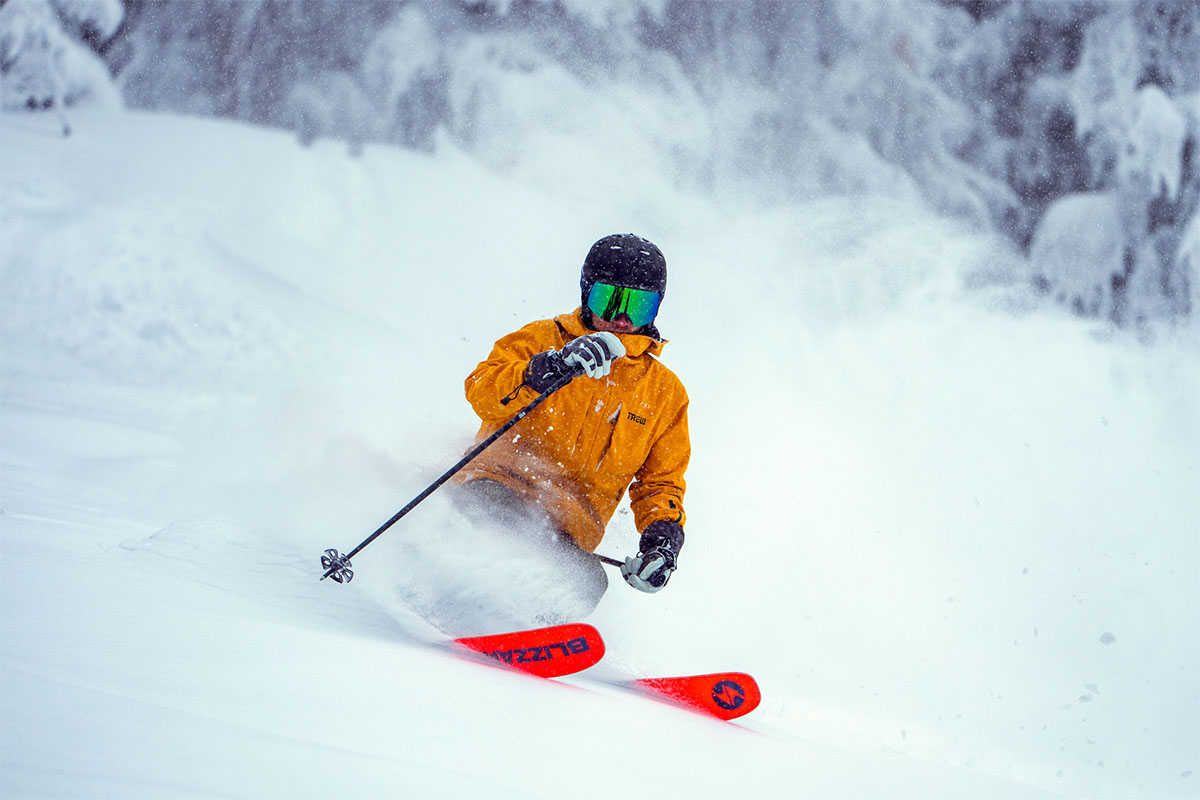
When you walk into a ski shop or browse top ski reviews, the Blizzard Rustler 10 often stands out. It’s a ski that gets talked about a lot in expert circles, but is it really worth your money? Skiers see its bold graphics and promising specs, but the real question remains: does it deliver on the mountain for the price you pay? In this guide, we’ll dig deep into the Rustler 10, breaking down the ten most important things you need to know before buying. Whether you’re a weekend warrior or chasing powder every chance you get, you’ll find out if this ski is the right choice for you.
What Makes The Blizzard Rustler 10 Unique?
The Blizzard Rustler 10 is not just another all-mountain ski. Released as part of Blizzard’s “Freeride” line, it quickly built a reputation for blending versatility with high performance. The ski is designed to handle a variety of snow conditions, from groomed runs to deep powder. What sets it apart is its construction: the Rustler 10 uses a mix of materials, including wood, carbon, and metal, to create a lively but stable ride. The shape is also key—its rocker-camber-rocker profile makes it playful in soft snow yet holds an edge on harder surfaces. Many brands try to promise “one ski for everything,” but the Rustler 10 comes closer than most.
Today's Exclusive Deals
Limited-time Exclusive Deals. Check current discount on Amazon.
Check Price on Amazon As an Amazon Associate I earn from qualifying purchases.1. Performance On Different Terrains
Powder
The 112 mm waist (for the most common length) means the Rustler 10 floats well in powder. The tip and tail rocker let you surf through soft snow with ease, making it a favorite for those who chase fresh tracks. Most testers say it feels nimble rather than sluggish, which is rare for a ski this wide.
Groomers
On groomed runs, the camber underfoot gives the Rustler 10 solid grip. It’s not a pure carving ski, but it holds its own at speed. The metal in the construction helps reduce chatter, so it feels stable even when you push harder.
Mixed And Variable Snow
Where the Rustler 10 really shines is in variable snow—the sort you find after storms, in the trees, or late in the day. The ski’s softer tip absorbs bumps, while the stiffer tail gives you power out of turns. This balance is what makes it stand out from many other freeride skis.
2. Construction And Materials
Blizzard put a lot of thought into the materials and design. The Rustler 10 uses a multi-layer wood core (poplar, beech, balsa, and paulownia) for a mix of strength and low weight. There’s also carbon fiber in the tip and tail to keep swing weight down and improve maneuverability.
Most unique is the Titanal layer—a strip of metal that runs only under the binding area, not tip to tail. This “Titanal D.R.T.” (Dynamic Release Technology) gives the ski power where you need it but keeps the tips and tails lighter for playfulness. It’s a clever solution that most competitors don’t use.
3. Weight And Handling
In the world of all-mountain skis, weight matters. At around 1990 grams per ski (for the 180 cm length), the Rustler 10 is not ultralight, but it’s lighter than many similar skis with metal. This means you get solid downhill performance without feeling like you’re dragging bricks uphill or in tight spots.
Skiers who like to hike for powder or navigate tight trees will appreciate the lighter swing weight. However, if you want the absolute lightest ski for long tours, there are better options. The Rustler 10 finds a middle ground, which makes it a strong choice for mixed resort use.

4. Edge Hold And Stability
Edge grip is crucial, especially if you ski on hardpack or icy days. Thanks to the underfoot camber and Titanal layer, the Rustler 10 holds an edge better than most freeride skis. On steeper, firmer slopes, it feels secure, not nervous. Advanced skiers will notice the ski does not wash out easily, while intermediates find it forgiving enough if technique slips a bit.
Stability at speed is another area where the Rustler 10 scores. Even on choppy snow, it tracks straight without much tip flap. That said, it’s not as damp as a full-metal charger ski, but this is a trade-off for the playful feel elsewhere.
5. Turn Shape And Playfulness
One standout feature is the Rustler 10’s ability to handle a variety of turn shapes. The 17.5 m turning radius (for the 180 cm length) means you can make both quick slalom-like turns and longer arcs. This flexibility is rare in wider skis.
The tip and tail rocker make it easy to smear turns, pivot quickly in the trees, and even land small jumps. If you like to play with terrain features—natural hits, rollers, wind lips—the Rustler 10 responds well. It’s not as loose as a pure powder ski, but it’s much more playful than a stiff all-mountain charger.
6. Suitability For Different Skill Levels
The Rustler 10 is marketed to advanced and expert skiers, but intermediates with strong technique can enjoy it too. The softer tip helps those who don’t always stay perfectly centered, and the ski is not punishing in bumps or tight spots. However, true beginners might find it too wide or demanding; narrower, softer skis are better for those just starting out.
A key insight many miss: the Rustler 10 rewards good technique but doesn’t require flawless skill every run. It’s a ski you can “grow into”—as your skills improve, you’ll discover new ways to push it.
7. Durability And Build Quality
Blizzard has a strong reputation for build quality, and the Rustler 10 is no exception. The topsheet resists chips, and the edges are thick enough to handle rocky days. The sintered base holds wax well, so you get consistent glide through a season.
One non-obvious detail: the carbon in the tip and tail helps reduce damage from impacts, which can be a weak spot in some lightweight skis. Most users report these skis last several seasons with normal care, making them a solid investment for frequent skiers.
8. Price And Value For Money
The Rustler 10 sits in the upper mid-range price bracket, usually retailing around $749 USD (without bindings). Compared to other all-mountain and freeride skis, this is competitive—especially considering the materials and performance.
If you only ski a few times per year, the cost may seem high. But for regular skiers who want one ski for many conditions, the value is strong. You’re paying for a versatile, well-built ski that can replace two or three specialist models.
A common mistake: focusing only on the sticker price. Remember to budget for bindings and mounting, which usually add $200–$350 more. Even with this, the overall package is still reasonable for the quality you get.
9. Sizes And Fit Options
The Rustler 10 comes in several lengths—164, 172, 180, 188, and 192 cm. This range means most skiers can find a good fit. For all-mountain use, aim for a length that comes up to your nose or eyebrows. Go longer if you spend more time in deep powder or ski aggressively.
One thing many buyers overlook: the mounting point. The recommended mount works for most, but if you like riding switch (backwards) or spend time in the park, talk to your shop about moving the binding slightly forward.
Here’s a quick comparison of recommended skier heights for each length:
| Ski Length (cm) | Recommended Skier Height (ft/in) | Best For |
|---|---|---|
| 164 | 5’2″–5’5″ | Lighter, less aggressive skiers |
| 172 | 5’5″–5’8″ | Average skiers, all-mountain |
| 180 | 5’8″–6’0″ | Freeride, advanced |
| 188 | 6’0″–6’3″ | Powder, aggressive |
| 192 | 6’3″+ | Expert, high speed |
10. Comparison To Other All-mountain Skis
To see if the Rustler 10 is worth it, you need to compare it to similar skis. Here’s how it stacks up against two top competitors: the Nordica Enforcer 104 Free and the Salomon QST 106.
| Model | Waist Width (mm) | Weight (g, 180 cm) | Stiffness | Playfulness | Best For |
|---|---|---|---|---|---|
| Blizzard Rustler 10 | 102–112 | 1990 | Medium | High | All-mountain, powder |
| Nordica Enforcer 104 Free | 104 | 2150 | Stiff | Medium | High speed, strong skiers |
| Salomon QST 106 | 106 | 1900 | Medium-soft | Very High | Powder, playful skiing |
The Rustler 10 splits the difference between the Enforcer’s power and the QST’s looseness. It’s more stable than the QST, but lighter and more playful than the Enforcer. If you want one ski to do a bit of everything, the Rustler 10 is a smart choice.
Who Should Buy The Blizzard Rustler 10?
The Rustler 10 is best for skiers who:
- Want one ski for powder, groomers, and everything in between
- Value both stability and playfulness
- Ski mostly in the West, or anywhere with regular soft snow
- Are advanced intermediates or experts (but strong intermediates can learn on it)
- Like to explore off-piste, trees, and side hits
It’s less ideal for:
- True beginners
- East Coast skiers who mostly ski ice and hardpack
- Those who want a pure carving ski for on-piste
If you fall into the first group, the Rustler 10 could easily be your favorite ski for years.
Common Mistakes When Buying
Many buyers focus only on the waist width or graphics, missing key points. Don’t overlook:
- Ski length: Too short, and the ski feels unstable; too long, and it’s hard to control.
- Mounting point: Ask your tech if you want a more playful or traditional feel.
- Bindings: Not all bindings work with all boots or skier types; choose carefully.
- Skill match: The Rustler 10 is forgiving, but not a true beginner ski.
- Snow conditions: If you ski only on ice, consider a narrower, stiffer model.
Taking time to get the right setup will help you enjoy the Rustler 10’s strengths.
Real-world User Feedback
Reviews from skiers are mostly positive. Users praise the ski’s versatility—one day charging powder, the next carving groomers. Many mention it’s a “quiver killer,” replacing two or three other skis in their garage.
A few critical voices say the ski feels “busy” at very high speed on hardpack, or wish it was lighter for touring. But most agree it delivers on its promise as a true all-mountain freeride tool.
One non-obvious insight: many women and lighter skiers find the Rustler 10 friendlier than burlier alternatives. If you’re not a heavyweight, you’ll still be able to flex and control the ski.
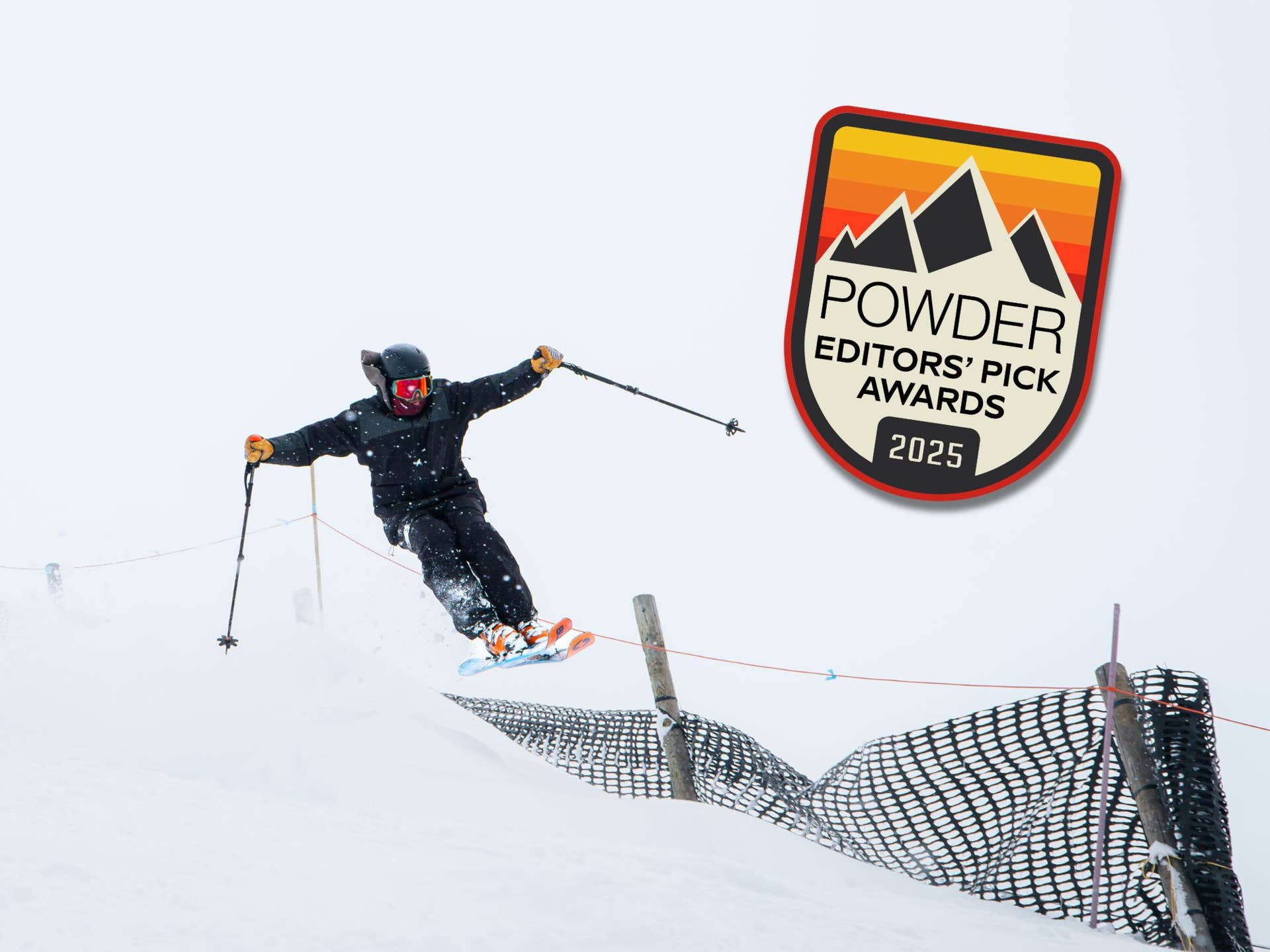
Maintenance And Longevity
To get the most from your Rustler 10s:
- Wax regularly for best glide (every 3–5 days of skiing)
- Keep edges sharp, especially if you ski hardpack
- Check for base damage after rocky days
- Store in a dry place at season’s end
If you follow these simple steps, you should get 3–5 seasons of strong performance.
Environmental Responsibility
Blizzard has taken steps to improve sustainability in their manufacturing. The wood cores are FSC-certified, and the company is working to reduce waste and energy use in their factories. While not the greenest ski on the market, the Rustler 10 is a better choice than many for eco-conscious buyers. For more details, check the Blizzard website or the official Blizzard page.
Value Summary: Is The Blizzard Rustler 10 Worth It?
The Blizzard Rustler 10 is not the cheapest ski, nor the most specialized. But if you want one ski to handle powder, groomers, trees, and steeps, few models do it better. Its mix of stability, playfulness, and durability means you get a lot for your money—especially if you ski 20+ days a season.
While no ski is perfect for everyone, the Rustler 10 comes closer than most. For advanced skiers who want to simplify their gear, it’s a smart investment.
Frequently Asked Questions
Does The Rustler 10 Come With Bindings?
No, the Rustler 10 is sold flat (without bindings). You’ll need to buy bindings separately and have them mounted by a shop. This lets you choose the best binding for your style and boot size.
Can I Use The Rustler 10 For Backcountry Touring?
The Rustler 10 is light enough for short tours or sidecountry missions, but not designed as a full touring ski. If you plan to skin uphill often, look for a lighter ski or pair it with a lightweight binding. For mostly resort use with occasional hikes, it works well.
How Does The Rustler 10 Handle On Ice?
It handles hardpack and firm snow better than most freeride skis, thanks to the camber and metal underfoot. However, it’s not as strong as a dedicated carving ski. If you ski icy slopes often, consider a narrower, stiffer model.
What’s The Difference Between The Rustler 9, 10, And 11?
The main difference is waist width. The Rustler 9 (94 mm) is best for groomers and mixed conditions, the Rustler 10 (102–112 mm) is the most versatile, and the Rustler 11 (114 mm) is focused on deep powder. Choose based on your local snow and style.
Is There A Women’s Version Of The Rustler 10?
Yes, the Blizzard Sheeva 10 is the women’s version. It uses the same construction but is tuned for lighter, smaller skiers. The Sheeva 10 is just as versatile and playful as the men’s Rustler 10.
The Blizzard Rustler 10 has earned its place as one of the best all-mountain skis of the last decade. For skiers who want to do it all, it’s a purchase you’re unlikely to regret.