The best way to stretch after sports is to cool down first, then perform slow static stretches that target the muscles used during activity. Hold each stretch gently without pain and focus on controlled breathing.
Deal
Today's Exclusive Deals
Limited-time Exclusive Deals. Check current discount on Amazon.
Across the United States, athletes, weekend players, runners, and fitness beginners use post sport stretching as part of a complete recovery routine. After a soccer game in Texas, a basketball practice in California, or a morning run in New York, the body needs time to shift from high effort back to a relaxed state. A proper cool down and stretching routine can help maintain mobility and make the transition after exercise more comfortable.
How to Stretch After Sports depends on the activity, intensity, and muscles involved. Stretching after exercise is not a replacement for proper training, hydration, sleep, or medical care, but it can be a useful part of a balanced recovery plan. The most important factors are using safe movements, avoiding force, and choosing stretches that match the activity performed.
This guide explains when to stretch, which techniques to use, common mistakes to avoid, and how to create a simple post sports stretching routine. It focuses on practical steps supported by general exercise science principles while recognizing that individual needs can vary.
Source: www.pinterest.com
Why Stretching After Sports Matters
Stretching after sports helps you move your body through comfortable ranges of motion after physical activity. During sports, muscles repeatedly contract, produce force, and control movement. A cool down routine gives your body a gradual change from intense activity to rest.
Many athletes stretch after sports because it feels relaxing and supports flexibility goals. Research on stretching shows that regular stretching can improve flexibility, although stretching alone does not guarantee prevention of every sports injury. Injury risk depends on many factors, including training load, technique, recovery, equipment, and individual health.
The goal of post sports stretching is not to force muscles longer immediately after a game or workout. The goal is to create a calm recovery habit that supports mobility and helps you notice how your body feels after exercise.
Source: Shutterstock
Supports flexibility
Consistent stretching can help improve range of motion when performed regularly and correctly over time.
Encourages relaxation
Slow breathing and gentle movements can help you transition from intense activity to recovery.
Improves body awareness
Stretching gives you a chance to notice tight areas, discomfort, or unusual symptoms after exercise.
A warm up prepares the body for sports by increasing movement and raising activity levels. A post sports stretch routine has a different purpose. It happens after activity and focuses on gentle mobility and relaxation.
Dynamic movements such as leg swings or arm circles are often used before sports because they prepare muscles for movement. After sports, many people choose static stretches where a position is held comfortably for a period of time.
Before sports
Use movements that prepare the body for the activity ahead.
After sports
Use controlled stretches that help the body settle after effort.
How To Stretch After Sports Step By Step
The best post sports stretching routine follows a simple order. Start with a cool down, choose the muscles that worked hardest, and move slowly through each stretch. A routine does not need to be long to be useful.
Before stretching, spend a few minutes walking slowly or performing light movements. This helps your body move away from high intensity exercise. Stretching immediately after a hard sprint or competition while breathing heavily may feel uncomfortable, so allow a short transition period.
A successful stretch should create gentle tension in the muscle. You should not feel sharp pain, joint pressure, numbness, or tingling. If you feel these symptoms, stop the movement and reassess.
Source: builtinsport.com
Step 1: Cool down
Walk, jog slowly, or perform light movements for several minutes after finishing sports.
Step 2: Choose target muscles
Focus on areas that worked most during the activity.
Step 3: Hold each stretch
Move into the stretch slowly and maintain a comfortable position without bouncing.
Step 4: Breathe normally
Relax your muscles by avoiding breath holding and unnecessary tension.
Common Post Sports Stretches
Different sports use different muscle groups. Runners often focus on calves, hamstrings, hip flexors, and quadriceps. Basketball players may pay attention to legs, hips, and shoulders. Swimmers may include shoulder and upper back mobility work.
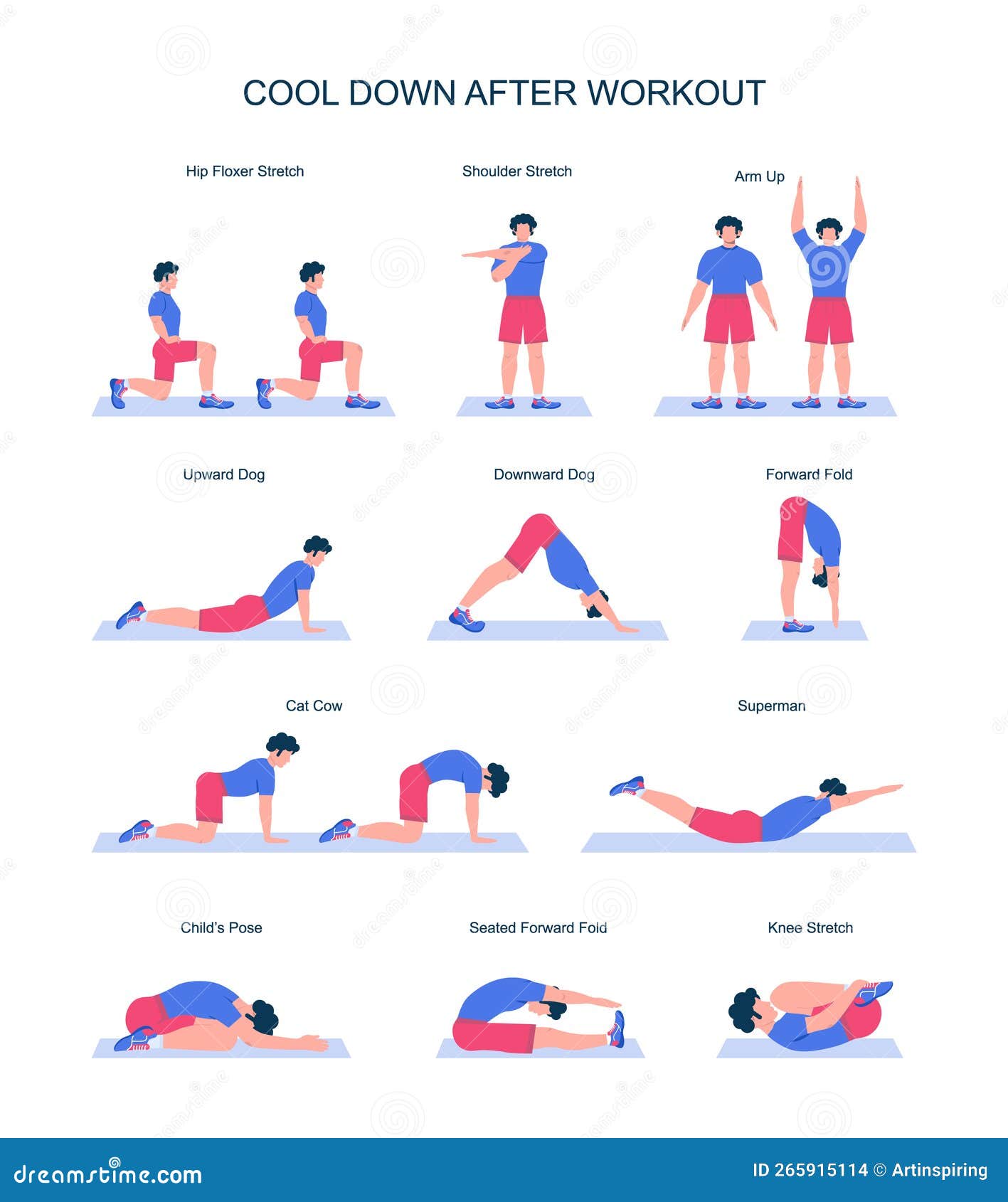
A simple routine can include a standing calf stretch, seated hamstring stretch, quadriceps stretch, hip flexor stretch, and shoulder stretch. The exact selection should match the activity and personal mobility needs.
Calf stretch
Useful after running, jumping, and sports involving repeated foot movement.
Hamstring stretch
Targets the back of the thigh after activities with sprinting or kicking.
Shoulder stretch
May help after sports that involve throwing, swimming, or upper body effort.
How Long Should You Stretch After Playing Sports
The ideal length of a post sports stretching routine depends on the person, activity, and goal. There is no single required duration for every athlete. A short routine may be enough after light activity, while longer sessions may be useful for people working on flexibility.
Many recreational athletes spend about five to ten minutes stretching after sports. The time is less important than consistency and quality. A rushed routine with poor form is less useful than a shorter routine performed with control.
If flexibility improvement is the goal, stretching may need to be performed regularly beyond only after sports. Recovery stretching and flexibility training overlap, but they are not exactly the same activity.
Source: private.smaat.de
For casual activity
A few gentle stretches after exercise may be enough to create a consistent recovery habit.
For flexibility goals
A separate flexibility routine may be needed in addition to post sports stretching.
For intense training
Recovery should also include rest, nutrition, hydration, and appropriate training planning.
Signs You Are Stretching Correctly
A good stretch feels like mild tension across the muscle. You should be able to breathe normally and keep control of your posture. The movement should feel steady rather than forced.
If your body feels more relaxed and your movement feels comfortable afterward, the routine is likely appropriate for your current needs.
Comfortable tension
The muscle feels stretched without sharp discomfort.
Controlled movement
You can maintain proper form throughout the stretch.
Common Mistakes When Stretching After Sports
Many stretching problems happen because people treat stretching like a competition. Flexibility improves gradually, and forcing a movement can create unnecessary stress on muscles and joints.
Another common mistake is stretching only the areas that feel tight while ignoring the muscles that worked during the sport. A balanced routine should consider the complete movement pattern of the activity.
Stretching is also sometimes used as a solution for pain that may have another cause. Severe pain, swelling, instability, or symptoms that continue should not be ignored.
Source: www.pinterest.com
Bouncing during stretches
Quick bouncing movements can make it harder to control the stretch and may increase discomfort.
Stretching through pain
Pain is a warning sign and should not be treated as a normal part of stretching.
Skipping recovery basics
Stretching works best as part of a complete recovery approach.
When To Seek Professional Advice
A healthcare professional or qualified sports specialist can help evaluate injuries, repeated pain, or movement limitations. Stretching should not replace diagnosis or treatment when a problem continues.
Seek medical advice for serious symptoms such as major swelling, inability to use a body part normally, severe pain, or symptoms after a significant injury.
Persistent pain
Pain that does not improve with normal rest and recovery may need evaluation.
Reduced function
Difficulty walking, moving, or performing normal activities requires attention.
How To Build A Simple After Sports Stretching Routine
Creating a routine makes stretching easier to remember. The best routine is one that matches your sport, fits your schedule, and feels sustainable. Start with a few important movements instead of creating a long list you will not repeat.
A soccer player may build a routine around hips, legs, and calves. A tennis player may include shoulders, arms, and rotational movements. A runner may prioritize lower body areas used during repeated strides.
Keep a record of how your body responds. If a stretch feels uncomfortable or does not match your activity, adjust the movement. Recovery habits should support your training rather than become another source of stress.
Source: pinterest.ca
Start small
Choose a few stretches that address the main muscles used in your sport.
Stay consistent
Regular practice is more valuable than occasional long sessions.
Adjust when needed
Change your routine as your sport, training level, and mobility goals change.
Example Five Minute Routine
A basic five minute routine can begin with one minute of slow walking followed by several gentle stretches. Hold each position comfortably and switch sides when needed.
This example is not a personalized medical plan, but it shows how a simple structure can fit after many recreational activities.
Lower body
Include calf, hamstring, quadriceps, and hip stretches after many running sports.
Upper body
Add shoulder and arm movements after sports with repeated upper body actions.
Frequently Asked Questions
Q
Should I stretch immediately after sports?
You can stretch after sports, but it is often more comfortable to cool down first. A few minutes of light movement can help your body transition from intense activity before you begin slower stretches.
Q
Is stretching after sports proven to prevent all injuries?
No. Stretching may support flexibility and mobility, but injury prevention depends on many factors including training, technique, recovery, and individual conditions.
Q
How long should I hold a stretch after exercise?
The appropriate hold time varies by goal and person. Focus on comfortable, controlled stretching rather than forcing a specific number of seconds.
Q
Can I stretch if my muscles are sore after sports?
Gentle movement may feel helpful for some people with normal post exercise soreness. Avoid aggressive stretching if you have sharp pain or signs of injury.
Q
What is the best stretch after running?
Many runners focus on calves, hamstrings, quadriceps, and hip flexors because these areas work heavily during running. The best choices depend on personal needs and running style.
✦ Wrapping Up
Conclusion
Learning how to stretch after sports is about building a safe and repeatable recovery habit. The most effective routine starts with a cool down, uses gentle controlled movements, and focuses on the muscles involved in your activity.
Stretching should support your training, not replace other recovery practices. Pay attention to your body, avoid painful movements, and seek professional guidance when symptoms do not improve or seem unusual.
💡 Key Takeaway
After your next sports session, spend a few minutes cooling down and performing gentle stretches for the muscles you used most. Consistency and comfort matter more than forcing flexibility.