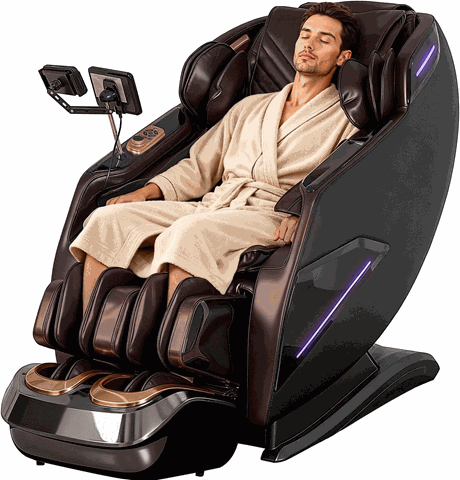
Recovering after sports means helping your body return to normal function after exercise or competition so you can reduce soreness, restore energy, and lower the risk of injury. In the U.S., the best recovery plan is usually simple: rehydrate, eat enough protein and carbohydrates, cool down, sleep well, and use rest or active recovery based on how hard you trained.
For most healthy athletes and recreational players in the United States, recovery is not about one miracle method. It is about doing the basics consistently after practices, games, races, or workouts.

Today's Exclusive Deals
Limited-time Exclusive Deals. Check current discount on Amazon.
Check Price on Amazon As an Amazon Associate I earn from qualifying purchases.What recovery after sports actually does
Recovery after sports helps repair muscle tissue, restore glycogen stores, reduce dehydration, and calm the nervous system after physical stress. If you skip recovery, you may feel more sore, perform worse in the next session, and raise the chance of overuse problems.
The main recovery goals are:
- Replenish fluids and electrolytes
- Refuel with carbohydrates
- Support muscle repair with protein
- Restore circulation and mobility
- Get enough sleep for tissue repair and adaptation
Recovery is not the same as complete rest. After light or moderate exercise, gentle movement can help more than lying still. After hard competition, however, some rest is appropriate, especially if you feel unusually fatigued, dizzy, or injured.
The best recovery steps after sports
The most effective post-sport recovery plan starts immediately after exercise and continues through the next 24 to 48 hours. A useful sequence is: cool down, rehydrate, refuel, restore mobility, and sleep.
1. Cool down for 5 to 10 minutes
A cool down helps your heart rate and breathing return to baseline gradually. Walking, easy cycling, or light jogging is usually enough.
A good cool down can:
- reduce lightheadedness
- help you transition out of intense effort
- support gentle circulation to working muscles
You do not need a long, complicated recovery workout. A short period of easy movement is usually enough after most sports sessions.
2. Rehydrate based on sweat loss
Fluids matter because dehydration can worsen fatigue, headaches, cramps, and performance decline. The simplest method is to drink water after exercise and keep going until your urine returns to a pale yellow color.
For longer or hotter sessions in the U.S., especially in humid states or during summer heat, you may need drinks that contain sodium. Sodium helps replace what you lost in sweat and can improve fluid retention.
A practical approach:
- Drink water after moderate workouts.
- Use an electrolyte drink after heavy sweating, long events, or very hot conditions.
- Weighing yourself before and after training can help estimate sweat loss; losing 1 pound is roughly equal to about 16 ounces of fluid.
If you finish a workout feeling dizzy, weak, or nauseated, stop and rehydrate more slowly. If symptoms are severe or do not improve, seek medical help.
3. Eat carbohydrates and protein within a few hours
Food helps recovery because carbohydrates refill muscle glycogen and protein supports muscle repair. You do not need an expensive recovery shake if you can eat a balanced meal.
A useful target after hard exercise is:
- Carbohydrates: to restore energy, especially after endurance sports or double sessions
– Protein: to support repair and adaptation
Examples of recovery meals in the U.S. include:
- turkey sandwich with fruit and milk
- Greek yogurt with granola and berries
- rice bowl with chicken, beans, and vegetables
- eggs, toast, and a banana
- chocolate milk after endurance exercise
For many athletes, a meal or snack within about 1 to 2 hours is practical, especially if another workout is coming later the same day. If the next session is tomorrow and the workout was moderate, exact timing matters less than total daily intake.
4. Use mobility work if it helps, not as punishment
Gentle stretching or mobility can help some people feel looser after sports, but it does not erase all soreness. Use it if it improves comfort and movement quality.
Good choices include:
- easy hip openers
- calf and hamstring stretches
- thoracic rotation drills
- shoulder mobility for overhead sports
Avoid aggressive stretching when a muscle feels strained, sharp, or unstable. That may make the problem worse.
5. Prioritize sleep
Sleep is one of the most important recovery tools because the body uses it for tissue repair, hormone regulation, and nervous system recovery. Most adults in the U.S. need at least 7 hours per night, and many athletes do better with more.
To improve sleep after evening sports:
- limit caffeine late in the day
- hydrate earlier rather than chugging large amounts right before bed
- eat a reasonable post-game meal
- keep the room cool and dark
If you regularly sleep too little, recovery slows no matter how good your nutrition is.
What to do after different types of sports
Recovery should match the sport, intensity, and total workload. A marathon runner, a basketball player, and a weekend softball player do not need the exact same plan.
| Situation | Best recovery focus | Why it matters |
|---|---|---|
| Endurance events | Fluids, carbohydrates, sleep | Replaces sweat and glycogen losses |
| Strength training | Protein, rest, mobility | Supports muscle repair and nervous system recovery |
| Team sports | Cool down, hydration, food, sleep | Mix of sprinting, contact, and repeated efforts |
| Hot-weather sports | Electrolytes, fluids, cooling | Reduces dehydration and heat strain |
| Back-to-back games | Faster refueling, rest between sessions | Prepares body for repeated performance |
Endurance sports
After running, cycling, swimming, or long cardio sessions, focus first on fluids and carbohydrates. These sessions tend to drain energy stores more than short workouts.
Helpful examples:
- sports drink plus banana after a race
- rice, pasta, potatoes, or bread in the next meal
- extra fluids through the rest of the day
Strength training
After lifting weights, protein matters more for repair, but carbohydrates still help restore energy. A balanced meal works well.
Good options include:
- chicken and potatoes
- salmon with rice
- cottage cheese and fruit
- protein-rich smoothie with carbs
Contact and field sports
Football, soccer, lacrosse, and similar sports can leave athletes sore from sprinting, collisions, and change-of-direction demands. Recovery should include hydration, movement, and attention to any bruising or pain.
If pain is sharp, one-sided, or worsening, do not assume it is just normal soreness.
Hot-weather sports
In many parts of the U.S., heat and humidity create extra recovery demands. Summer football camps, afternoon baseball games, and outdoor tournaments can cause significant fluid loss.
After hot-weather play:
- cool down in shade or air conditioning
- drink fluids with sodium
- monitor for headache, chills, confusion, or ongoing dizziness
Those symptoms can signal heat illness and require prompt attention.
How to tell normal soreness from a problem
Normal soreness usually feels like dull, even stiffness in the muscles 12 to 48 hours after exercise. It often improves as you move and gets better over a few days.
Possible warning signs include:
- sharp pain
- swelling that gets worse
- inability to bear weight
- joint instability
- numbness or tingling
- pain in one exact spot
- pain that disrupts sleep or worsens at rest
- dark urine after severe exertion
If you have any of these signs, recovery advice alone may not be enough. You may need evaluation by a clinician, athletic trainer, or physical therapist.
Common mistakes that slow recovery
The most common recovery mistakes are simple and avoidable:
- Waiting too long to eat after a hard session
- Drinking only plain water after very heavy sweating
- Training hard again while still exhausted
- Ignoring pain that feels different from normal soreness
- Treating supplements as a substitute for sleep and food
- Skipping cool-downs entirely
Another mistake is doing too much recovery work. If you are spending more energy on massage gadgets, cold plunges, and supplements than on sleep and nutrition, your plan is probably unbalanced.
When to rest more than usual
Extra rest is appropriate when you are:
- sick
- severely sleep deprived
- unusually sore for more than 48 hours
- coming back from injury
- dizzy or lightheaded after training
- experiencing reduced performance for several sessions in a row
Rest is not failure. It is part of training adaptation.
Do cold plunges, compression, and massage help?
These tools may help some people feel better, but they are secondary to sleep, food, fluids, and smart training load. Use them as optional recovery aids, not as the foundation of your plan.
Cold water immersion
Cold plunges may reduce the feeling of soreness for some athletes after intense exercise. They can be useful after tournaments or repeated games. However, they are not necessary for routine recovery, and they are not a fix for poor sleep or under-eating.
Compression gear
Compression socks or sleeves may help some athletes with swelling or comfort during travel or long standing periods. Evidence for major performance benefits is limited, but some people like the subjective relief.
Massage and foam rolling
Massage and foam rolling can improve how muscles feel and may help short-term mobility. They are reasonable if they help you move comfortably, but they do not replace rest, nutrition, or medical care for injuries.
Recovery plan you can use tonight
A simple same-day recovery plan after sports looks like this:
- Do a 5 to 10 minute cool down.
- Drink water or an electrolyte beverage.
- Eat a meal or snack with protein and carbohydrates.
- Use light stretching only if it feels good.
- Shower, relax, and get to bed on time.
- Reassess soreness and energy the next day.
If you have another practice or game within 24 hours, pay extra attention to fluids, food, and sleep.
FAQs
How long does it take to recover after sports?
It depends on the sport, intensity, and your conditioning. Light workouts may need only a few hours of recovery, while hard games, races, or strength sessions can take 24 to 72 hours or more.
Should I stretch after every workout?
Not necessarily. Gentle stretching can help some people feel better, but it is not required after every session. Use it if it improves comfort, and avoid forcing painful stretches.
Is protein or carbohydrates more important after sports?
Both matter. Protein supports muscle repair, while carbohydrates restore energy. After endurance events or back-to-back sessions, carbohydrates become especially important.
Are sports drinks better than water?
Sometimes. Water is fine for many moderate workouts. Sports drinks are more useful after long, intense, or very sweaty sessions because they replace fluid, sodium, and sometimes carbohydrates.
When should I see a doctor after sports?
See a doctor, athletic trainer, or urgent care clinician if you have sharp pain, swelling, instability, fainting, chest pain, severe heat illness symptoms, or pain that does not improve with rest.
Conclusion
The best way to recover after sports in the U.S. is to keep it simple and consistent: cool down, rehydrate, eat enough, sleep well, and respect warning signs. Most athletes recover better when they focus on the basics instead of chasing complicated fixes.
If you want one next step, build a post-sport routine you can repeat after every practice or game, then adjust it based on sweat loss, soreness, and the next day’s workload.