
If you’ve been sticking to the same treadmill pace for weeks, your body has likely hit an efficiency plateau. Learning how to increase cardio intensity is the secret to breaking that wall and forcing your heart and lungs to reach new levels of performance.
As of 2026, most fitness guidelines suggest that intensity should be scaled incrementally to avoid excessive strain on your cardiovascular system. Moving from steady-state effort to higher intensity requires careful planning to ensure you don't overreach your physical limits.

Today's Exclusive Deals
Limited-time Exclusive Deals. Check current discount on Amazon.
Check Price on Amazon As an Amazon Associate I earn from qualifying purchases.Quick Answer
To increase cardio intensity, shorten your rest intervals between high-effort bursts. You can also raise the incline or resistance on your equipment. Track your exertion using the Borg Rating of Perceived Exertion scale.
Aim for 80 percent of your maximum heart rate during peak efforts. Always include active recovery sessions to prevent burnout. Focus on consistent, gradual increases over several weeks.
Why Your Cardio Plateau Happens (And Why More Isn’t Always Better)
A cardio plateau occurs when your body adapts to a specific workload, making it more efficient at burning fewer calories while performing the same movement. While it is tempting to simply run faster or longer every single day, this approach often leads to injury.
According to research from the American College of Sports Medicine, constant high-intensity training without adequate rest can suppress your immune system and elevate cortisol levels. Your muscles require specific recovery phases to repair micro-tears and improve oxygen uptake.
If you are using home cardio equipment, remember that the machine is only as effective as your programming. Pushing too hard without a base makes you prone to overuse injuries. Instead of adding volume, look for ways to make your existing workouts more demanding through resistance or variation.
The Physiology of Increasing Intensity Safely
Increasing your cardiovascular load triggers adaptations in your heart, such as increased stroke volume, which is the amount of blood pumped per beat. When you demand more oxygen, your body forces the cardiovascular system to become more resilient.
It is important to manage your anaerobic threshold, which is the point where your body can no longer clear lactic acid as fast as it produces it. Training just at or slightly above this threshold is a proven way to improve endurance.
If you are just starting to push your limits, you might explore machines that offer heart rate monitoring. This allows you to stay within safe zones while challenging your system. As you build a steady routine, your resting heart rate will naturally drop, which is a key indicator of improved aerobic health.
Proven Methods to Crank Up Your Cardiovascular Output
You can manipulate three variables to increase intensity: speed, resistance, and recovery time. Many athletes prefer intervals, where you alternate between intense bursts and slower recovery periods.

- Hill Repeats: Use a steep incline to force your legs to work harder at a lower speed.
- Reduced Rest: Lower your rest periods by 10 to 15 seconds each week to keep your heart rate elevated.
- Tempo Runs: Maintain a pace that feels comfortably hard for 20 minutes straight.
For those using versatile fitness gear, you can often find built-in programs designed to automate these intervals. These systems are great for people who prefer a structured approach to increasing their heart rate. If you are struggling with a mechanical issue on older machinery, ensure your equipment is well-maintained to prevent safety issues during high-effort bouts.
Navigating the 10% Rule and Training Volume
The 10% rule is a standard safety protocol for athletes, stating that you should never increase your weekly training volume by more than 10 percent. This applies to total miles run, total hours spent training, or the frequency of high-intensity sessions.
Sudden jumps in intensity put significant stress on your tendons and ligaments. If you want to increase intensity, you should actually decrease your total volume slightly to accommodate the added physical demand on your joints.
If you are looking for durable options for heavy users, always check the deck construction and cushioning. Proper equipment support is essential when you decide to increase the intensity of your sessions. Remember that your central nervous system needs time to adapt to harder sessions, just as much as your muscles do.
Avoiding Overuse Injuries and Central Nervous System Fatigue
Overuse injuries like shin splints and stress fractures often stem from too much intensity, too soon. Always prioritize a dynamic warm-up that increases blood flow to your extremities before jumping into high-effort work.
Your central nervous system also experiences fatigue from high-intensity training. Signs of this include poor sleep, lingering soreness, and a decrease in workout performance despite feeling motivated.
If you find yourself plateauing despite your best efforts, you might need expert solutions to reassess your form or recovery protocols. Never push through sharp pain, as this is a clear signal from your body to stop. Always consult with a medical professional if you have concerns about your cardiac response to exercise, per guidance from the National Institutes of Health.
How to Track Intensity Using RPE and Heart Rate Metrics
You can track your intensity accurately by combining objective heart rate data with your subjective feeling of effort. Using the Borg Rating of Perceived Exertion (RPE) scale allows you to monitor your output even if you don't have a chest strap or smart watch handy.
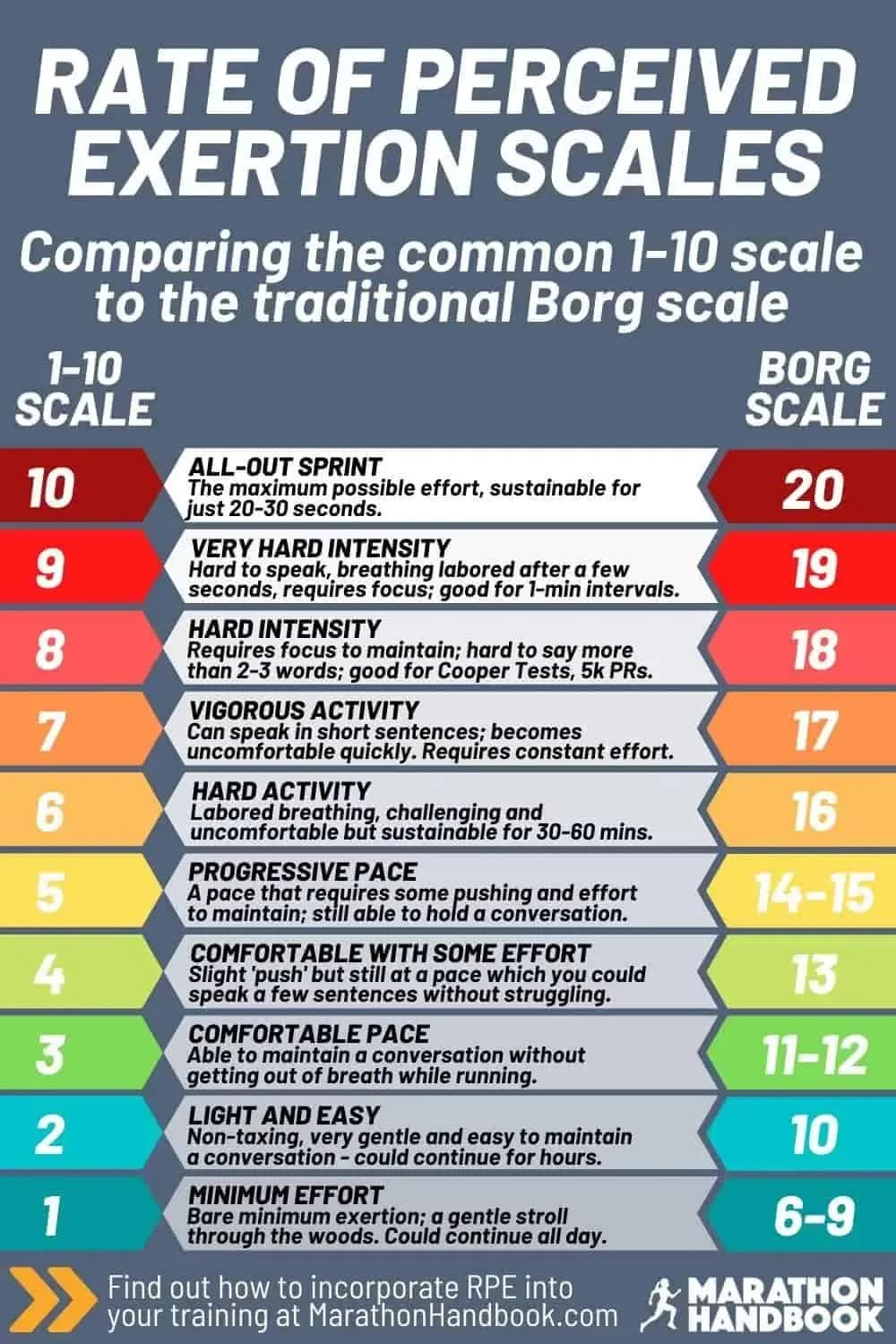
The RPE scale ranges from 1 to 10. A level of 1 represents sitting on the couch, while a 10 is the absolute maximum effort you can sustain for only a few seconds. Most cardiovascular improvement occurs between levels 6 and 8.
- RPE 3-4: Comfortable, conversational pace.
- RPE 5-6: You can speak in short sentences but are breathing deeper.
- RPE 7-8: Breathing is heavy, and you can only grunt or speak one or two words.
- RPE 9-10: Maximal effort, gasping for air, unable to speak.
If you have a high-quality treadmill, keep a log of your RPE for each session. Over time, you’ll notice that a speed that used to feel like an 8 now feels like a 6. This confirms that your aerobic capacity has expanded.
If you notice your heart rate stays high long after a session ends, your intensity may have exceeded your current recovery capacity. Keep an eye on your recovery heart rate, which is how quickly your pulse drops two minutes after stopping. A faster drop over the weeks indicates a stronger, more efficient heart.
Frequently Asked Questions
How can I tell if my cardio intensity is too high?
Your intensity is likely too high if you experience persistent lightheadedness, sharp chest pain, or an inability to recover your breath within three minutes of stopping. If your sleep quality suffers or you feel unusually irritable for days after a workout, your nervous system is likely overloaded. Scale back your effort immediately.
Should I prioritize speed or incline to get better results?
Prioritizing incline is generally safer for your joints than increasing speed because it builds lower-body strength and raises your heart rate without high-impact stress. If you are training for a specific running event, however, you must eventually practice higher speeds. Beginners should start with incline to safely test their limits.
How many days a week should I train at high intensity?
Limit your high-intensity sessions to two or three days per week at most. Your body needs at least 48 hours to recover from true high-intensity intervals before you perform them again. Fill your remaining days with low-intensity, steady-state movement to maintain active recovery and blood flow.
Can I increase intensity while using a walking pad?
You can increase the intensity on a walking pad by using a weighted vest or adjusting the incline if your specific model supports it. Many quiet walking pads allow for speed adjustments that can challenge your endurance. Focus on maintaining a faster, purposeful stride rather than a casual stroll to keep your heart rate in the training zone.
What should I do if my heart rate doesn't rise during workouts?
If your heart rate remains low despite high effort, ensure your sensors are clean and properly positioned on your skin. If the equipment is working, you may simply be very well-conditioned, and you might need to find more challenging terrain or increase the resistance significantly. Always verify that your exertion feels consistent with a higher RPE before assuming the equipment is failing.

