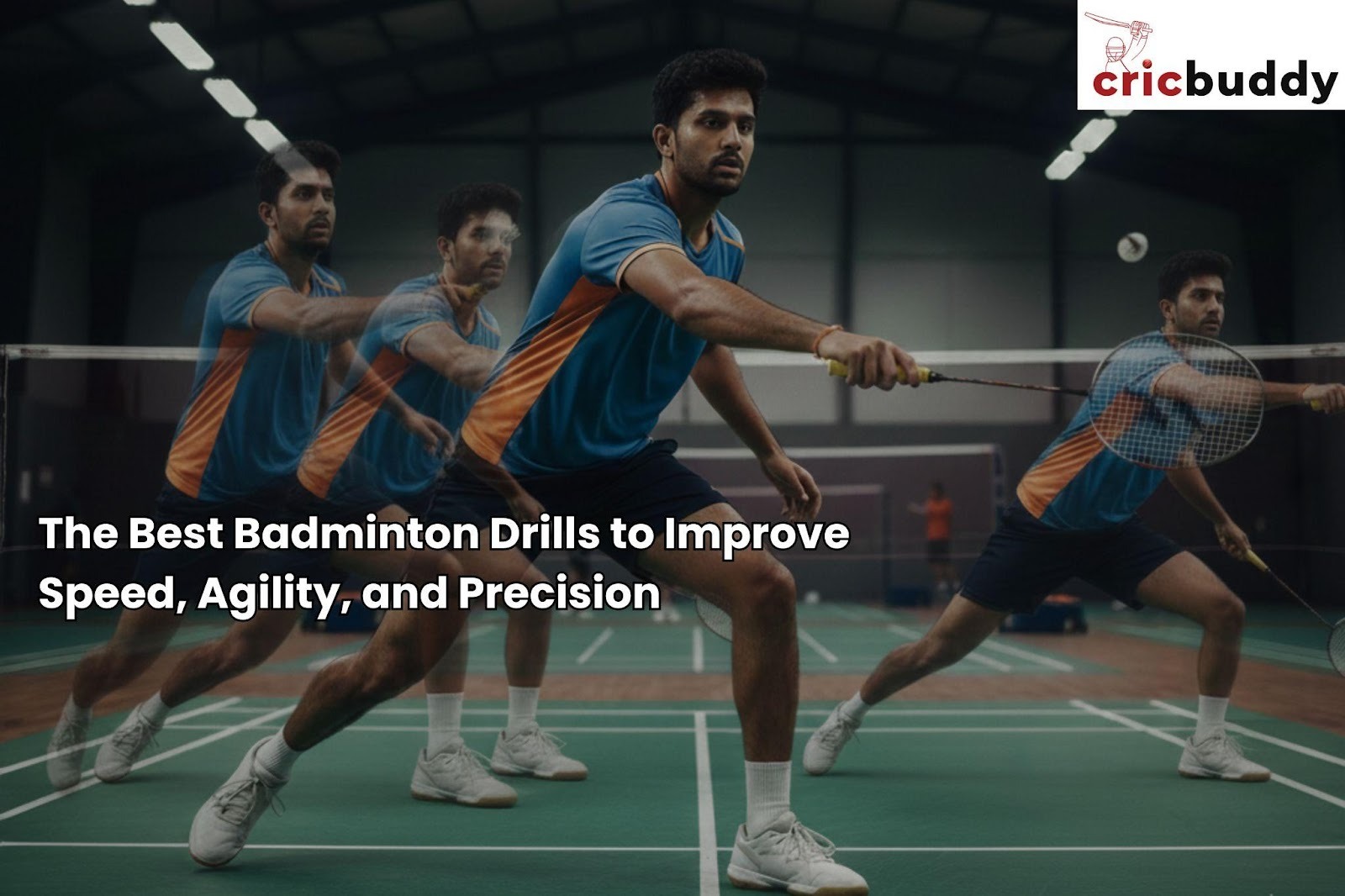
To improve badminton speed, train your footwork, reaction time, explosive power, balance, and movement efficiency with regular drills that match real court situations.
Deal
Today's Exclusive Deals
Limited-time Exclusive Deals. Check current discount on Amazon.
In the United States, badminton players of all levels, from school athletes to recreational club players, often look for ways to move faster and reach more shots. Speed in badminton is not only about running quickly. It is the ability to start, stop, change direction, recover, and prepare for the next shot in a short amount of time.
Improving badminton speed requires a combination of technical practice and physical training. A player with efficient footwork can often cover the court faster than a player who is naturally quicker but uses poor movement patterns. This guide explains practical methods to build speed safely, including footwork drills, strength exercises, reaction training, and common mistakes to avoid.
Source: athleteism.com
What Speed Means In Badminton
Badminton speed includes several skills that work together during a rally. A fast player can react quickly after an opponent hits the shuttle, move into position efficiently, and return to a ready stance before the next shot.
Court speed is different from straight-line running speed. A badminton player rarely runs in one direction for a long distance. Instead, the game requires short bursts, quick stops, side movements, jumps, and repeated changes of direction.
The main areas that influence badminton speed are acceleration, agility, reaction time, footwork technique, and recovery speed.
Source: techmagazines.net
Acceleration
The ability to move quickly from a stationary or ready position toward the shuttle.
Agility
The ability to change direction quickly while maintaining control and balance.
Reaction Speed
The ability to recognize an opponent’s shot and begin movement immediately.
Many players lose speed because they take extra steps, stand too upright, or delay their first movement. Better technique allows the body to use energy more effectively throughout a match.
A player who reaches the shuttle early has more options for shot placement. Faster movement creates extra time to choose between attacking, defending, or controlling the rally.
Improve Badminton Footwork For Faster Movement
Footwork is the foundation of badminton speed. Good footwork helps players reach every area of the court while keeping balance and preparing for the next shot.
The goal is not to take more steps. The goal is to take the right steps at the right time. Efficient players use split steps, controlled lunges, and quick recovery movements to save time.
Source: sportsmeridian.com
Practice The Split Step
Use a small jump or weight shift before an opponent hits the shuttle so your body is ready to move in any direction.
Train Six-Point Footwork
Move repeatedly between the front, middle, and back areas of the court to develop badminton-specific movement.
Improve Recovery Steps
Return quickly to a balanced position after each shot instead of watching the shuttle after contact.
A Simple Footwork Drill
Start in the center of the court. Move to each corner, touch the area, and return to the middle. Focus on smooth movement rather than maximum speed at first.
Once your technique improves, increase the pace and add a partner who points to random directions. This trains decision-making and reaction speed together.
Build Explosive Power For Faster Court Coverage
Explosive power helps badminton players start movements quickly. Strong legs and a stable core allow faster pushes, lunges, jumps, and recovery steps.
Strength training should support badminton movement patterns. The goal is not only to become stronger but also to apply force quickly during short bursts.
Source: i.ytimg.com
Lower Body Training
Exercises such as squats, lunges, and step-ups can strengthen muscles used during badminton movement.
Jump Training
Controlled jump exercises can improve explosive ability when performed with proper technique.
Core Stability
A stronger core helps maintain balance during fast direction changes and difficult shots.
Speed training places stress on muscles and joints. Rest days, proper warm-ups, and gradual progression help players continue improving without unnecessary strain.
Players should stop or reduce intensity if they experience sharp pain, unusual swelling, or movement problems that do not improve with rest.
Train Reaction Time And Court Awareness
Reaction speed allows players to begin movement sooner. In badminton, a fraction of a second can decide whether a player reaches a fast smash or misses the opportunity.
Reaction training should include unpredictable situations because matches rarely follow a fixed pattern.
Source: i.ytimg.com
Partner Direction Drills
Ask a partner to point or call directions randomly while you move into position.
Multi-Shuttle Practice
Practice several fast shots in sequence to improve repeated movement ability.
Visual Training
Focus on reading an opponent’s racket movement and body position earlier.
Improve Speed By Reading The Opponent
Advanced players often appear faster because they predict where the shuttle will go. Watching the opponent’s preparation can provide extra time to react.
Learning common shot patterns helps players move earlier instead of reacting after the shuttle is already traveling.
Common Mistakes That Reduce Badminton Speed
Many players try to become faster by only training harder. However, poor technique or incorrect training habits can limit progress.
Fixing movement mistakes often creates faster improvement than adding more difficult exercises.
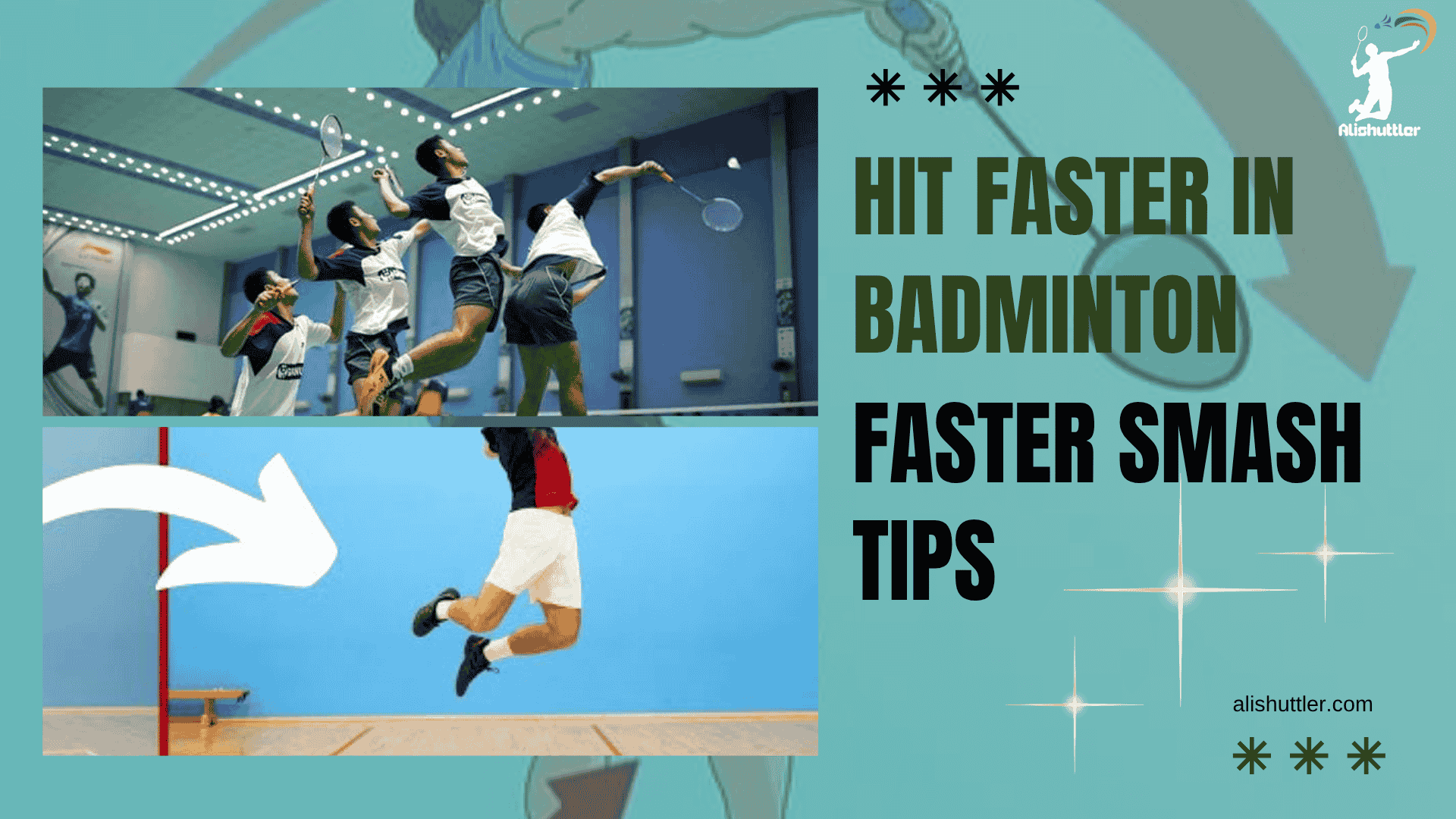
Source: alishuttler.com
Standing Too Tall
A high stance makes it harder to push quickly in any direction.
Ignoring Recovery Position
Slow recovery leaves players late for the next shot.
Only Practicing Smashes
Powerful shots require movement speed and positioning before the shot.
Skipping Warm-Ups
Cold muscles may not perform well during fast movements and intense drills.
How To Know Your Speed Is Improving
Signs of improvement include reaching more shots comfortably, recovering faster after attacks, and feeling less tired during long rallies.
Players can track progress by recording footwork times, noting successful defensive returns, or comparing movement quality over several weeks.
A Practical Weekly Plan To Improve Badminton Speed
A balanced training plan combines skill practice, physical conditioning, and recovery. Players should adjust the workload based on experience level and current fitness.
Speed improves through repeated quality practice rather than occasional intense sessions.
Source: i.ytimg.com
Day 1
Practice badminton footwork patterns and controlled movement drills.
Day 2
Perform strength and agility exercises with proper form.
Day 3
Practice reaction drills and fast rally situations.
Day 4
Recover with light activity, stretching, or technique practice.
Adjust Training Based On Your Level
Beginners should focus on movement quality before adding speed. Intermediate players can increase drill intensity and complexity. Advanced players can use match-based drills that require quick decisions under pressure.
The best training plan is one that can be repeated consistently while maintaining good technique.
Frequently Asked Questions
Q
How long does it take to improve badminton speed?
Improvement time depends on training frequency, current ability, and technique. Many players notice better movement control within weeks, while major speed improvements require consistent practice over months.
Q
Can beginners improve badminton speed quickly?
Yes. Beginners can often improve quickly by learning correct footwork, ready position, and recovery habits. Better technique can create noticeable gains without advanced fitness training.
Q
Is running useful for badminton speed?
Running can improve general fitness, but badminton speed requires specific movements such as quick direction changes, lunges, and short explosive bursts.
Q
What is the most important exercise for badminton speed?
There is no single best exercise. Footwork drills, agility exercises, strength training, and reaction practice work together to improve court movement.
Q
Why am I slow on the badminton court?
Slow movement may come from poor footwork, delayed reactions, weak recovery habits, limited fitness, or incorrect positioning. Improving these areas gradually can increase speed.
✦ Wrapping Up
Conclusion
Improving badminton speed requires more than trying to move faster. The biggest gains usually come from efficient footwork, better timing, stronger movement patterns, and regular practice.
Players who focus on quality drills and correct technique can build faster reactions and better court coverage. Speed is a skill that develops through patience, repetition, and smart training choices.
💡 Key Takeaway
Start with daily footwork practice, add reaction drills, strengthen your legs and core, and measure progress over time instead of chasing quick results.