Learning how to cool down after strength training is the most effective way to transition your body from a state of high-intensity exertion to resting homeostasis. Skipping this phase can lead to dizziness and unnecessary strain on your cardiovascular system, which is why a structured finish is essential.
As of 2026, standard protocols from the American College of Sports Medicine emphasize that a gradual decrease in heart rate is vital for safety. Integrating even a short, five-minute routine into your routine for building muscle helps manage blood flow and prepares your nervous system for recovery.
Today's Exclusive Deals
Limited-time Exclusive Deals. Check current discount on Amazon.
Check Price on Amazon As an Amazon Associate I earn from qualifying purchases.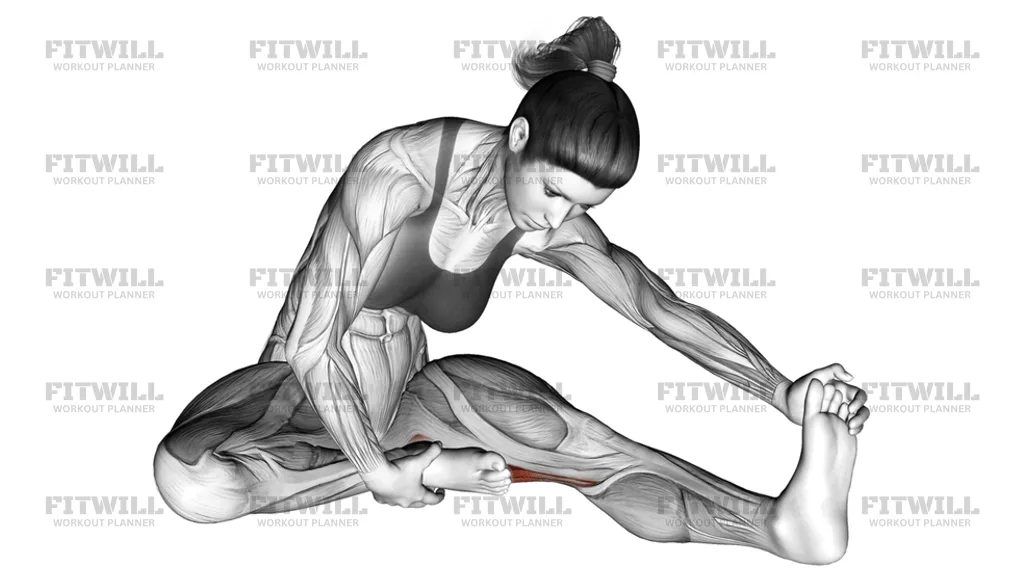
Quick Answer
Cooling down after strength training stabilizes your heart rate and prevents dizziness. Move slowly for five minutes to allow your blood to circulate properly. Perform light static stretches to improve your long-term mobility and range of motion.
Focus on rhythmic breathing to calm your central nervous system quickly. This brief routine ensures your body recovers effectively after your heaviest strength training equipment sessions.
Why the Cool-Down is Your Most Overlooked Recovery Tool
Many lifters view the cool-down as optional, but it is actually a critical piece of your performance puzzle. When you push your muscles to failure, your body undergoes significant stress that doesn't just vanish when you drop the weights.
A proper cool-down helps signal to your body that the work is finished. It lowers the production of stress hormones, which allows you to start the recovery process sooner. If you are using a set for powerlifting, the strain on your joints and tendons is high.
Taking a moment to cool down is an investment in your longevity as an athlete.
The Physiological Reality: What Happens to Your Body Post-Lift
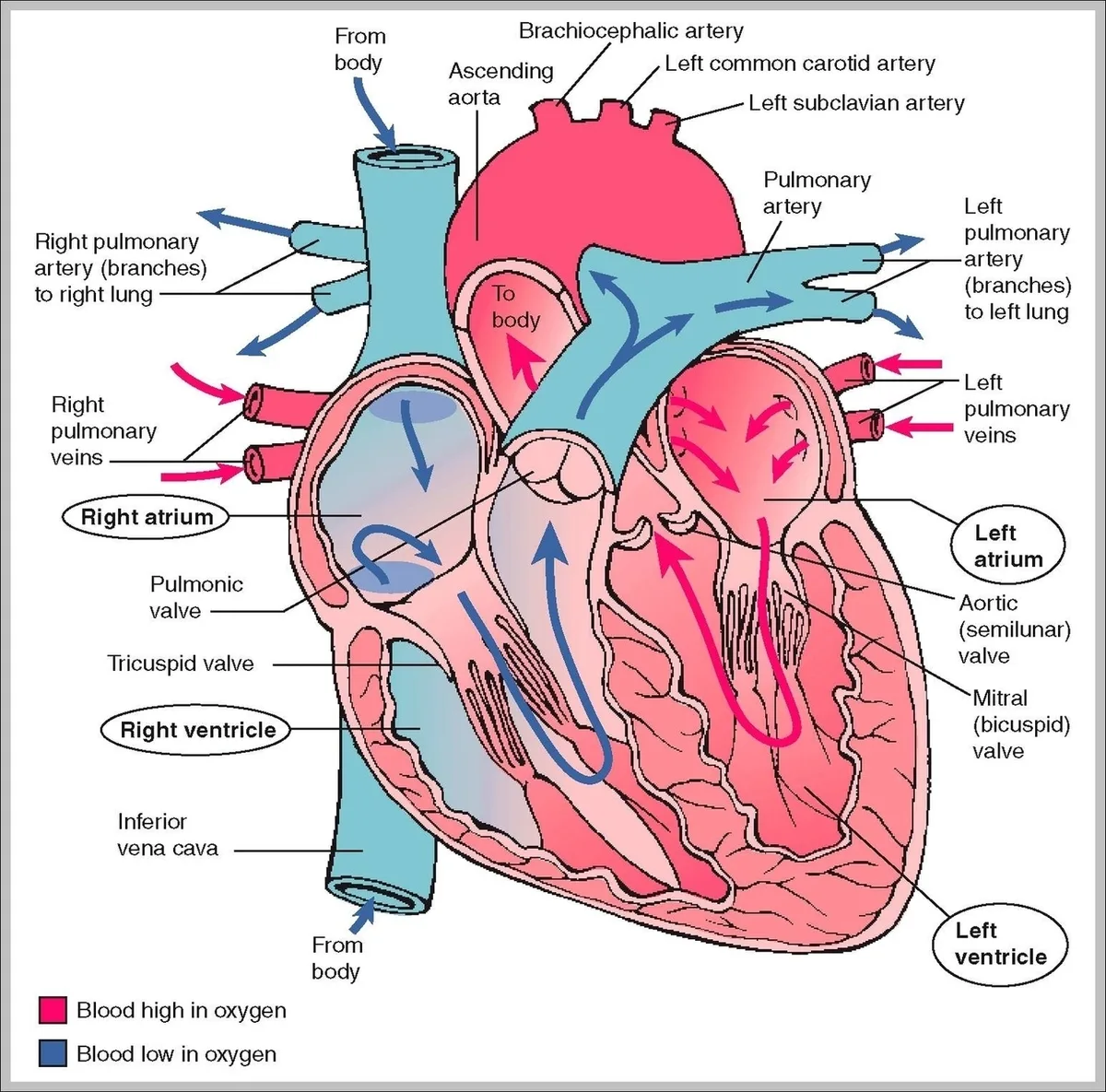
During a session, your heart pumps oxygen-rich blood to your extremities to support high-force muscle contractions. Your veins rely on the mechanical pump of your moving muscles to return that blood back to your heart.
When you stop moving instantly, that return flow slows down drastically while your heart rate is still high. This can lead to blood pooling in your legs, which often causes the lightheadedness or dizziness experienced by athletes after an intense set. Understanding this process is key, especially if you train in small home gym areas where room for movement is restricted.
Avoiding the Crash: Managing Blood Pressure and Venous Return
Your goal after a lift is to facilitate a gentle descent in blood pressure. You should never go from a max-effort squat directly to sitting on a bench or driving a car.
Keep walking at a low intensity to maintain the muscle pump that assists venous return. This keeps the blood circulating efficiently while your heart rate steps down. If you train with a versatile set for full-body workouts, pay extra attention to your breath during these minutes.
A calm, controlled heart rate transition is the best way to avoid a post-workout crash.
A Practical Workflow: From Heavy Lifting to Homeostasis
Transitioning to homeostasis involves three distinct phases that prioritize your body's recovery needs. Start by moving at a very slow pace for two minutes, such as walking around the gym floor or using a bike with no resistance.
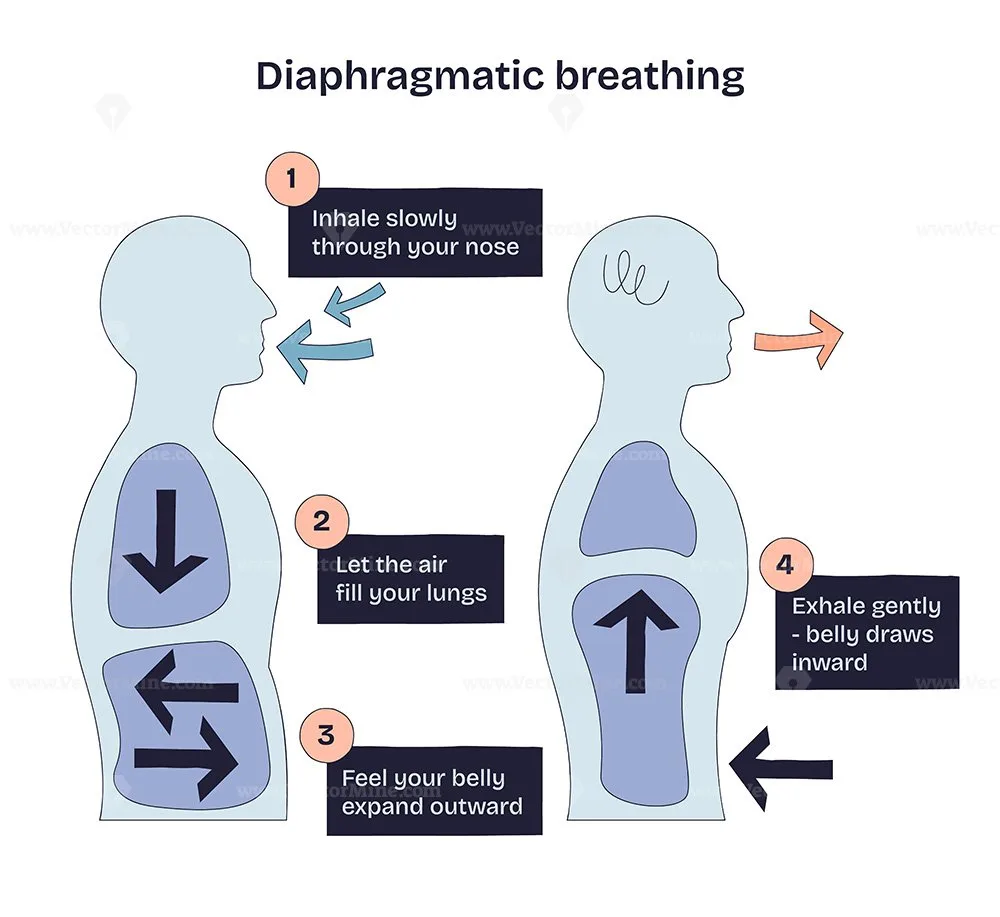
Next, shift into static stretching for your major muscle groups. Hold each stretch for about 30 seconds to encourage muscle tissue to return to its resting length. Finally, spend two minutes focused on deep, rhythmic breathing to activate the parasympathetic nervous system.
Whether you are using a budget-friendly home gym set or premium gear, this consistent flow keeps you feeling mobile and ready for your next session.
Active Recovery vs. Stretching: Choosing the Right Approach
Active recovery and static stretching serve different, yet complementary, functions in your post-lift routine. Active recovery is about low-level movement that flushes metabolic waste from your muscles.
Static stretching, however, is about increasing your functional range of motion. You should combine both for the best results. Use active recovery for the first few minutes after your set ends, and save static stretching for the final minutes of your cooldown.
This dual approach ensures your muscles remain supple and your circulation remains steady throughout your recovery window.
Common Mistakes That Stall Your Progress
The most frequent error is rushing the transition from high-intensity output to complete inactivity. If you immediately stop moving and sit down, your heart rate remains elevated while the mechanical pump of your leg muscles ceases. This mismatch frequently causes a rapid drop in blood pressure, leading to dizziness.
Another common mistake involves aggressive, ballistic stretching while your muscles are still hyper-excited from the workout. Bouncing or forcing a deep stretch can trigger a protective reflex, causing your muscle fibers to contract even tighter to prevent perceived injury. Always prioritize slow, controlled holds that allow the nervous system to ease into a state of relaxation.
Neglecting hydration during the cooling phase is another oversight. Your body continues to lose fluids through sweat for several minutes after the final set ends. A simple approach is to keep a water bottle nearby, taking small sips during your light walk.
This ensures your blood volume stays stable while you return to homeostasis.
| Common Error | Resulting Risk | Corrective Action |
|---|---|---|
| Instant cessation | Dizziness or fainting | Continue walking for 3 minutes |
| Ballistic stretching | Muscle strain or guarding | Use slow, static, held stretches |
| Ignoring hydration | Delayed muscle recovery | Sip water during the cool-down |
Avoid the urge to skip this phase even if your training time is limited. If you have only 30 minutes, train for 25 and cool down for 5. The long-term benefits to your central nervous system health far outweigh the extra few minutes of heavy lifting.
Frequently Asked Questions About Post-Training Recovery
How long should I cool down after lifting?
A cool-down of five to ten minutes is sufficient for most lifters. This timeframe is enough to gradually lower your heart rate and settle your breathing. If you had an exceptionally intense session, take the full ten minutes to ensure your body feels completely regulated.
Does cooling down reduce muscle soreness the next day?
Cooling down helps with overall recovery, though it does not eliminate delayed onset muscle soreness. By improving blood circulation and reducing nervous system fatigue, it helps you feel less stiff in the following 24 hours. Consistent routines, along with proper protein intake, remain the best way to manage soreness over time.
Can I use a foam roller during the cool-down?
Yes, using a foam roller or massage tool is a great addition to your static stretching. Focus on major muscle groups like your quads, lats, and upper back for 30 to 60 seconds per area. This helps to release trigger points that might have developed during your heavy lifts.
Should I prioritize stretching after every single workout?
You should prioritize some form of movement after every workout, but intense static stretching might not be needed every time. On lighter days, a simple walk and light mobility work are enough. Save deep, sustained static stretching for days when your muscles feel tight or after particularly grueling hypertrophy sessions.
When should I seek help for post-workout dizziness?
If you feel lightheadedness that does not pass within a few minutes of walking and drinking water, you should sit or lie down immediately with your feet elevated. If this happens consistently after every workout, consult a healthcare provider to rule out underlying cardiovascular issues. Persistent dizziness is not a normal side effect of standard strength training.