Learning how to cool down after cardio is essential for stabilizing your heart rate and preventing post-exercise dizziness. Many people mistakenly stop abruptly after a high-intensity session, which can cause blood to pool in the legs instead of returning to the heart.
Proper recovery protocols are supported by guidelines from the American College of Sports Medicine, which emphasize gradual transitions for cardiovascular safety. Using a structured cool-down as of 2026 remains the standard for anyone looking to optimize performance and longevity.
Today's Exclusive Deals
Limited-time Exclusive Deals. Check current discount on Amazon.
Check Price on Amazon As an Amazon Associate I earn from qualifying purchases.Quick Answer
Cool down by walking for five to ten minutes. Keep moving until your heart rate slows down. Avoid sitting or standing still immediately after intensity.
This prevents dizziness and helps stabilize blood pressure. Always perform gentle, static stretches after the heart rate drops.
Why Stopping Suddenly After Cardio Is Risky
When you finish a workout, your heart is pumping a massive volume of blood to your active muscles. If you suddenly stop moving, the muscles that were acting as a pump for your circulatory system cease their rhythmic action. This causes a significant amount of blood to remain in your legs.
This phenomenon, known as venous pooling, often leads to lightheadedness or even fainting. If you’ve been using a compact folding unit for tight apartments, don't just jump off the belt the second your workout ends. Instead, shift the speed down to a very slow pace to allow your system to recalibrate.
The drop in blood pressure can be particularly jarring if you have been pushing your limits. A sudden stop also keeps your nervous system stuck in a "fight or flight" state. Giving your heart a few extra minutes to return to its resting rhythm is vital for safety.
The Science of Active Recovery and Blood Flow
Active recovery involves low-intensity movement that keeps your circulation elevated just enough to facilitate the removal of metabolic byproducts. When you keep your legs moving, the muscles continue to contract. These contractions squeeze the veins, physically pushing blood back toward the heart.
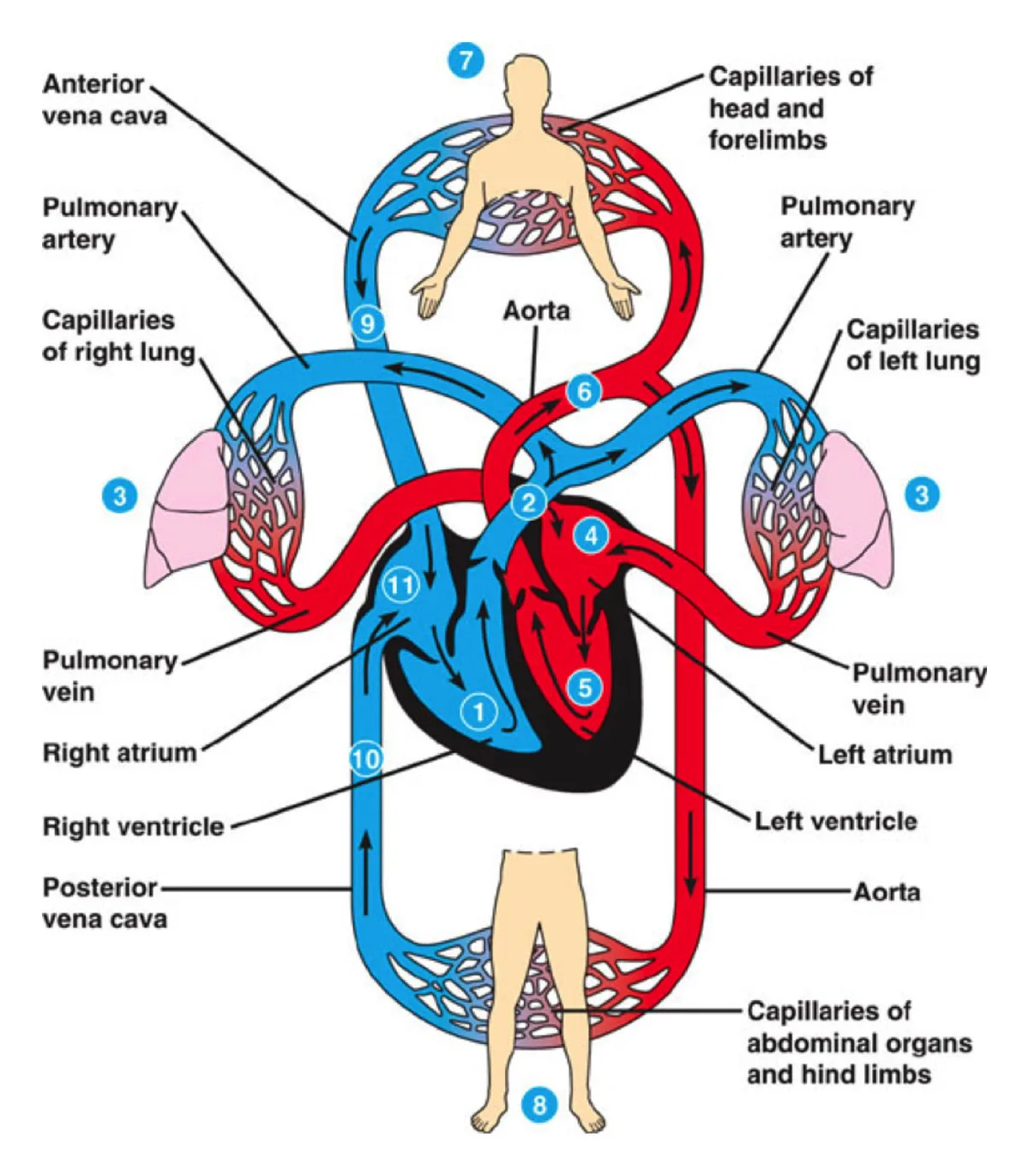
This process is critical for maintaining healthy venous return throughout the body. By keeping the blood flowing, you help deliver oxygenated blood to fatigued tissues more efficiently. Think of it as a flushing mechanism for your muscles.
If you are using a sturdy machine for heavy users, the sheer amount of blood moving through your system during high-intensity intervals makes the cool-down phase even more important. A steady, gradual decline in intensity prevents the cardiovascular system from being shocked by a sudden shift in demand.
Essential Steps for a Safe Post-Cardio Transition
The best approach to a cool-down is a structured, tapering process. You want to reduce your output in increments rather than dropping to zero. If you are finishing a session on a reliable treadmill for tall users, spend the last five minutes of your workout at a walking pace.
- Step 1: Slow your speed to a comfortable walk for 5 minutes.
- Step 2: Monitor your breathing and heart rate until you can speak in full sentences.
- Step 3: Perform light, full-body mobility work to release tension.
- Step 4: Drink water to begin the rehydration process.
If you are walking on a pad for a specific duration, ensure you don't step off the machine until you feel entirely steady. The transition should be seamless. If you feel dizzy at any point, keep walking slowly until the sensation passes.
Balancing Muscle Mobility and Autonomic Nervous System Reset
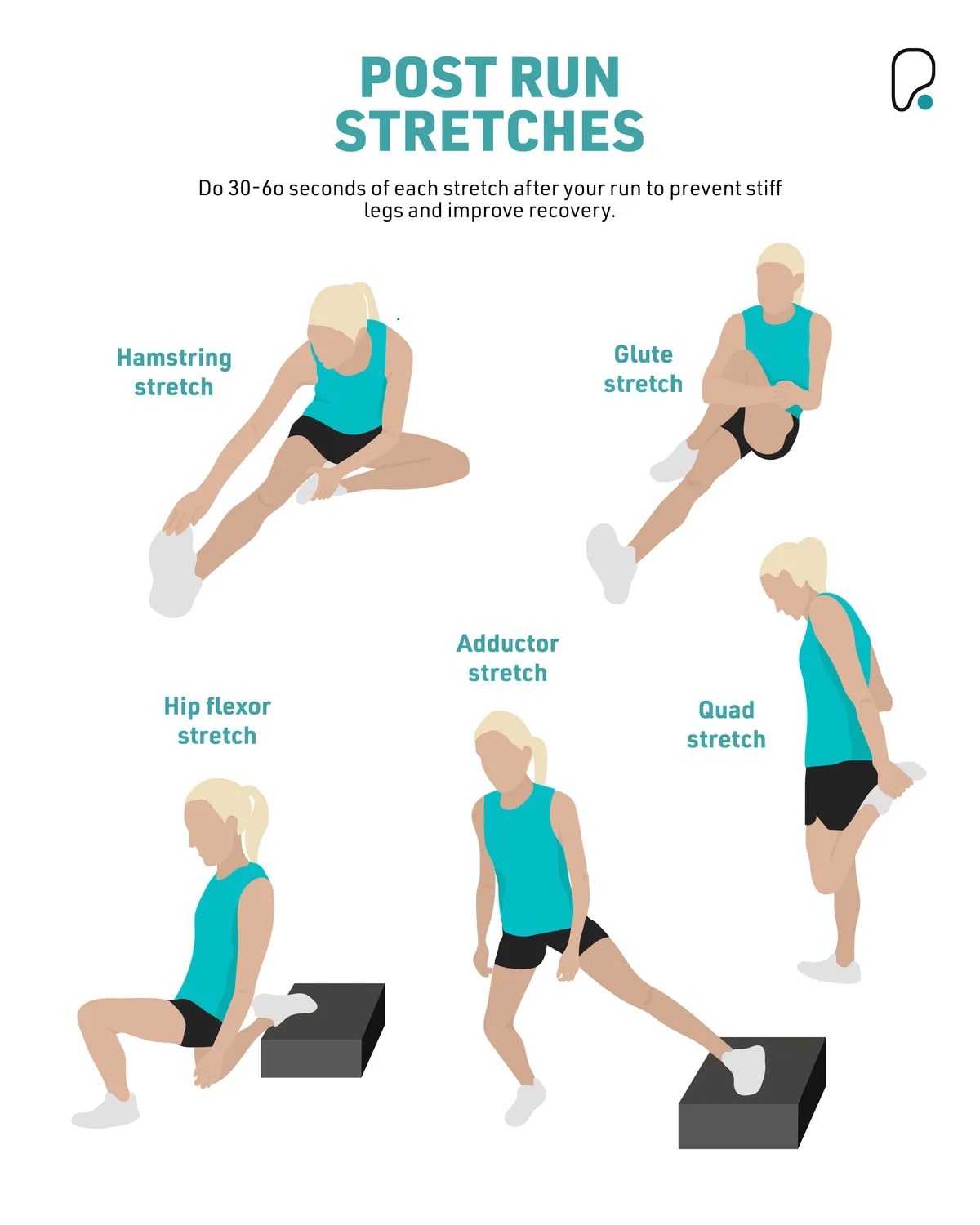
Once your heart rate has returned to a near-resting state, you can focus on muscle lengthening and calming your nervous system. Static stretching helps restore the natural length of muscles that have been shortened through repetitive movement.
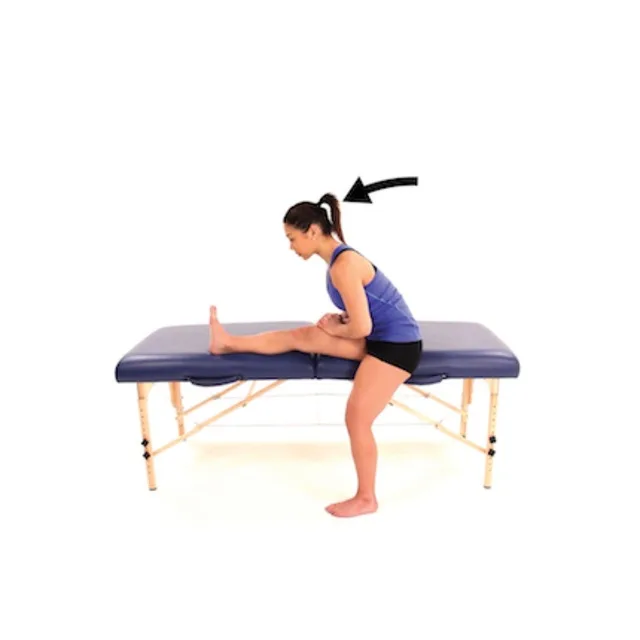
Focusing on deep, diaphragmatic breathing is just as important as the stretches themselves. When you exhale slowly, you trigger the parasympathetic nervous system, which acts as the body’s "rest and digest" switch. This reset is essential if you want to recover properly before your next session.
| Stretch Area | Focus Muscle | Benefit |
|---|---|---|
| Calves | Gastrocnemius | Relieves tension from impact |
| Quads | Quadriceps | Reduces stiffness after cycling |
| Hamstrings | Posterior chain | Improves overall hip mobility |
| Chest | Pectorals | Counters posture from treadmill use |
Don't overdo the intensity of these stretches. You aren't trying to gain massive flexibility here, you're simply helping your body return to its neutral position. Over-stretching a fatigued muscle can lead to small tears if you aren't careful.
Critical Mistakes That Impede Recovery
One of the most common mistakes is performing high-intensity static stretches while your muscles are still flushed with lactic acid. Stretching to the point of pain can actually aggravate the micro-trauma caused by your workout. Keep your movements fluid and gentle.
Another error is ignoring hydration until the end of your day. You should start replacing fluids immediately, as dehydration makes it harder for your heart to maintain blood pressure. If you are troubleshooting a machine error while trying to catch your breath, you might be distracted enough to ignore your body's signs of overheating.
Finally, avoid sitting down on the floor or a bench until you are fully ready. If you feel lightheaded, the best thing to do is keep walking at a very slow shuffle. Lying down is an option, but only if you elevate your legs above your heart to assist with blood return.
When to Seek Help: Recognizing Post-Exercise Warning Signs
Most people feel tired or mildly lightheaded after a tough session, but certain symptoms suggest your body is struggling to manage blood flow. If you experience persistent chest pain, extreme palpitations, or shortness of breath that does not improve after a few minutes of walking, stop and seek medical attention immediately. These signs indicate that your heart may be under excessive stress that requires professional assessment.
Other red flags include blurred vision, confusion, or a feeling that you might pass out. While these can sometimes result from simple dehydration, they are also indicators of orthostatic intolerance where your heart cannot maintain enough pressure to push blood to your brain. If you are using a sturdy machine for heavy users, don't ignore these sensations.
It is always safer to consult a healthcare provider if you experience symptoms that feel outside the norm for your usual training intensity.
Frequently Asked Questions About Cooling Down
How long should the cool-down period last?
Aim for five to ten minutes of light movement after your session. This duration is generally enough to bring your heart rate toward resting levels and clear metabolic waste. If you pushed yourself particularly hard, you might need an extra minute or two to feel fully composed.
Is it okay to sit down if I feel dizzy?
Do not sit or lie down immediately if you feel lightheaded, as this can trap blood in your lower body and worsen the dizziness. Instead, continue walking slowly to encourage circulation. If the sensation persists, lie down and elevate your legs above heart level to assist blood flow to your brain.
Can I skip the cool-down if I am short on time?
Skipping your recovery transition increases the risk of post-exercise hypotension and muscle stiffness. Even if you only have three minutes, some movement is much better than none. Use that limited time to walk slowly and take deep, controlled breaths to help your system settle.
Does stretching count as a cool-down?
Static stretching is the final phase of a cool-down but it should not be the only part. You must prioritize active recovery like walking or gentle cycling first to stabilize your heart rate. Once you have moved for several minutes, you can safely transition to static holds to improve muscle pliability.
Should I drink electrolytes during my cool-down?
If you completed a high-intensity session lasting longer than an hour, consuming electrolytes can help replace minerals lost through sweat. For shorter cardio sessions, plain water is usually sufficient for rehydration. Focus on sipping slowly rather than gulping to prevent any stomach discomfort as your heart rate settles.