
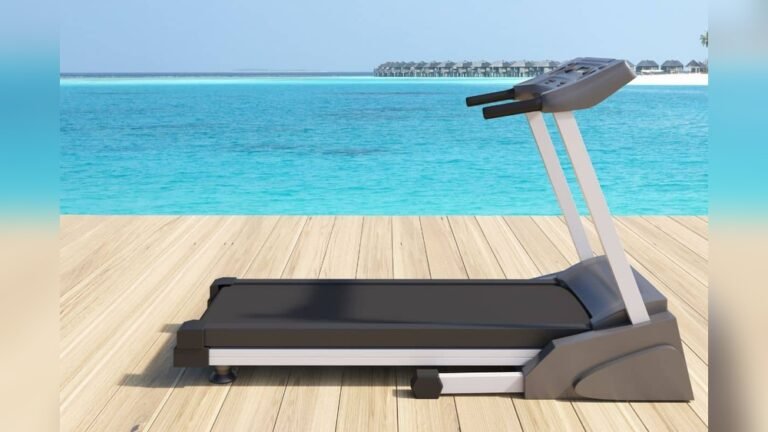
Have you ever wondered if your treadmill could live outside instead of taking up space inside? If you’re thinking about moving your workout outdoors or simply want to save room at home, this question is more important than you might realize.
Keeping a treadmill outside isn’t just about convenience—it’s about protecting your investment and making sure your machine lasts. You’ll discover what you need to know before placing your treadmill outdoors and how to make the best choice for your fitness routine.
Keep reading to find out if your treadmill can really handle the great outdoors.
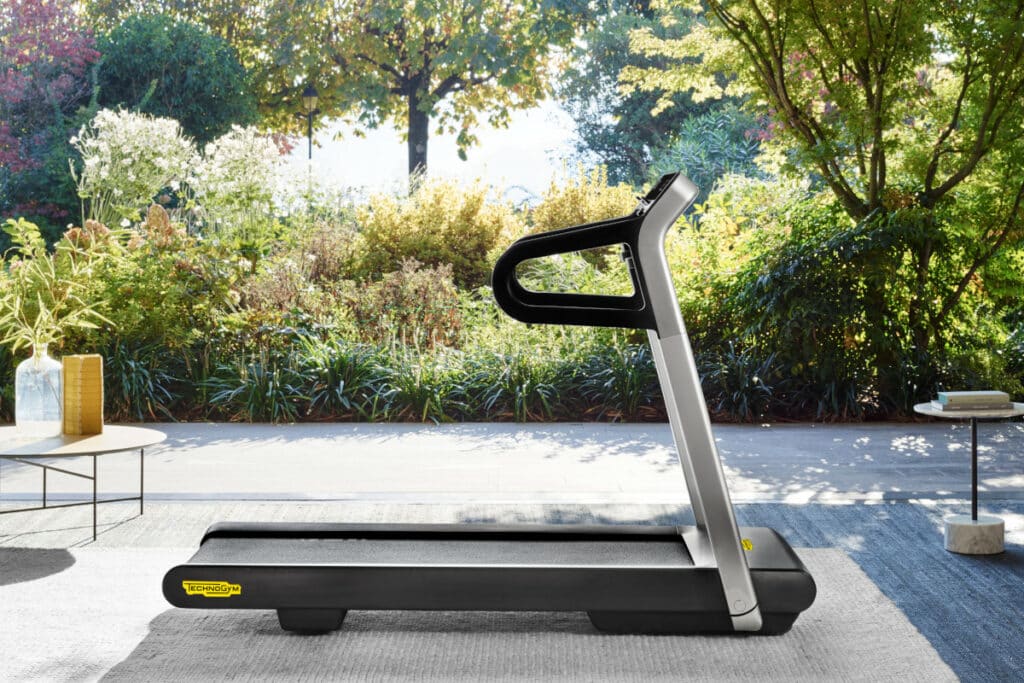
Outdoor Treadmill Use
Many people wonder if they can place their treadmill outside. Using a treadmill outdoors can feel refreshing. Fresh air and natural light improve the workout experience.
Still, outdoor use needs careful thought. Weather and surface can affect the machine’s life. Protecting your treadmill is key to keep it working well.
Common Reasons For Outdoor Placement
Space limits inside homes often push people outdoors. Small rooms or crowded areas leave no room for a treadmill.
Some enjoy running outside but want a steady pace. A treadmill outdoors gives control over speed and incline.
Others like the mix of fresh air and technology. Running outside with weather control offers the best of both.
Types Of Treadmills Suitable For Outdoors
Most treadmills are made for indoor use only. Rain, dust, and sun can damage regular machines quickly.
Outdoor treadmills come with stronger frames and weatherproof covers. They resist rust and moisture better than indoor ones.
Look for machines with sealed electronics and non-slip surfaces. These features keep the treadmill safe and functional outside.
Electric treadmills with good drainage and UV protection last longer outdoors. Manual treadmills also work well if placed under shelter.
Weather Impact On Treadmills
Treadmills are designed mainly for indoor use, making weather a big factor outside. Weather can harm the machine’s parts and affect its lifespan. Understanding how rain, sun, cold, and snow impact treadmills helps you decide where to place one.
Effects Of Rain And Humidity
Rain can cause serious damage to a treadmill. Water seeps into the motor and electrical parts. This can cause rust and short circuits. High humidity also leads to moisture buildup inside the machine. Moisture can warp the belt and damage the frame. Keeping a treadmill dry is key to its performance.
Sun Exposure Risks
Direct sunlight heats the treadmill’s surface and parts. Heat can fade the console and weaken plastic components. UV rays break down rubber belts and make them crack. Over time, sun exposure causes the machine to age faster. Shade or a cover protects the treadmill from sun damage.
Cold And Snow Challenges
Cold weather can stiffen treadmill belts and parts. Snow and ice add moisture and freeze moving parts. Freezing temperatures can cause cracks in plastic and metal. Starting a cold treadmill may strain the motor. Proper shelter or indoor storage is best in cold climates.
Protective Measures
Keeping a treadmill outside needs careful protection. Treadmills face dirt, rain, sun, and dust outdoors. These elements can harm the machine. Protective measures help keep your treadmill safe and working well. Simple steps can extend its life and save money on repairs.
Weatherproof Covers
Weatherproof covers shield treadmills from rain and dust. Look for covers made of strong, waterproof material. Covers should fit snugly to block moisture and dirt. Using a cover stops rust and electrical damage. Always cover the treadmill after use to keep it dry.
Sheltered Locations
Place the treadmill under a roof or porch. Sheltered spots reduce sun damage and rain exposure. Avoid direct sunlight to stop fading and overheating. A shaded area lowers the risk of electrical problems. Choose a flat, stable surface for safety and balance.
Regular Maintenance Tips
Clean your treadmill often to remove dirt and dust. Wipe the belt and motor cover with a dry cloth. Check the belt tension and alignment regularly. Lubricate the belt as the manual suggests. Inspect the machine for rust or loose parts. Regular care keeps your treadmill running smoothly outside.
Safety Concerns Outdoors
Placing a treadmill outdoors raises many safety issues. The machine faces risks from weather and environment. These risks can cause damage or injury. Understanding these concerns helps protect you and your equipment.
Electrical Hazards
Treadmills need power to work. Outdoor use increases the chance of electric shock. Rain, moisture, and humidity can harm electrical parts. Water can cause short circuits or fires. Use outdoor-rated extension cords and covers. Keep all plugs and sockets dry and safe.
Surface Stability
A treadmill must be on a flat, steady surface. Uneven ground can make the machine wobble or tip. This instability can lead to falls and injuries. Hard surfaces like concrete or wood decks are best. Avoid placing it on grass or dirt. Check the area for debris that may cause slipping.
Security And Theft Prevention
Outdoor equipment is at risk of theft. Treadmills are heavy but not impossible to steal. Use locks or chains to secure the machine. Place the treadmill in a visible spot to deter thieves. Cover the treadmill with a weatherproof tarp to hide it. Regularly check the area for signs of tampering.
Alternatives To Outdoor Setup
Keeping a treadmill outside can be tricky. Weather and dirt can damage it fast. Many people want a safe, clean place for their treadmill. There are good alternatives to placing it outdoors. These options protect your machine and keep it working well.
Garage Or Patio Options
Garages and patios offer shelter from rain and sun. They keep your treadmill safe and dry. A garage is usually cooler and less dusty. Patios with a roof give fresh air but block weather. These spots reduce wear and tear on your treadmill.
Portable And Foldable Models
Some treadmills fold up or are easy to move. They fit in small spaces and can be stored inside after use. Portable models work well in homes with little room. You can move them to a covered area when you want fresh air. These treadmills are light and easy to handle.
Indoor Space Optimization
Using space wisely inside your home helps treadmill placement. Corners, spare rooms, or basements can hold a treadmill well. Choose a flat, sturdy floor to keep it stable. Proper indoor spots protect your treadmill and make workouts easy. You stay comfortable and safe while exercising indoors.


Frequently Asked Questions
Can A Treadmill Be Used Outdoors Safely?
Most treadmills are not designed for outdoor use. Exposure to weather damages electrical parts and motor. Use a treadmill outdoors only if it’s specifically made for outdoor conditions.
What Happens If A Treadmill Is Kept Outside?
Keeping a treadmill outside exposes it to moisture, dust, and sunlight. These elements cause rust, electrical issues, and wear, reducing the treadmill’s lifespan and performance.
How To Protect A Treadmill Kept Outside?
Use a waterproof treadmill cover and place it under a shelter. Regularly clean and maintain the machine to prevent damage from outdoor conditions.
Are Outdoor Treadmills More Expensive Than Indoor Ones?
Yes, outdoor treadmills are built with weather-resistant materials, making them pricier. They offer durability against rain, sun, and dust compared to indoor models.
Conclusion
Treadmills are not built for outdoor use. Rain, sun, and dust can damage them quickly. Keeping a treadmill outside without protection shortens its life. A covered or enclosed space helps protect your machine. Regular care and cleaning keep it working well longer.
Choose a spot that stays dry and shaded. This way, your treadmill stays safe and lasts more. Think about your investment before placing it outside. Safe storage means better workouts and fewer repairs later.
