
Music boxing machines have become a popular trend in fitness centers, arcades, and even home gyms. These colorful machines combine boxing with rhythm games, inviting users to punch light-up targets in time with music. The idea is simple: follow the beat, hit the pads, and enjoy a fun, energetic workout. But do these machines actually provide an effective exercise session, or are they just another passing fitness fad? Let’s explore their effectiveness, what makes them unique, and what to consider if you’re thinking about using one for your workouts.
What Are Music Boxing Machines?
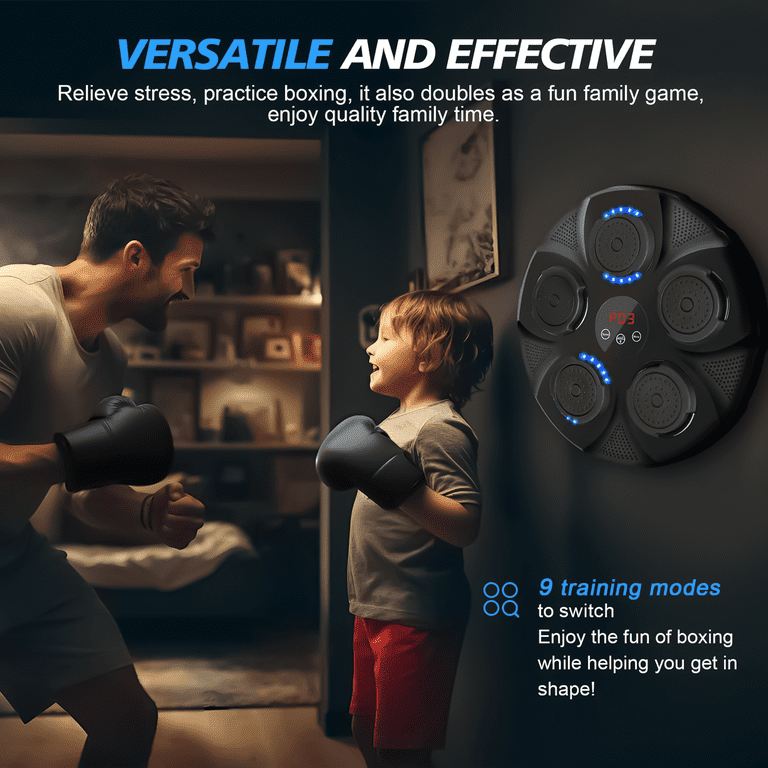
Music boxing machines, sometimes called rhythm boxing machines or boxing arcade trainers, are interactive devices that blend music, movement, and technology. The machine typically features several padded targets that light up in sync with a song’s rhythm. As the music plays, users strike the targets using their fists, following the pattern and timing shown on the display.

Today's Exclusive Deals
Limited-time Exclusive Deals. Check current discount on Amazon.
Check Price on Amazon As an Amazon Associate I earn from qualifying purchases.These machines come in many forms, from large commercial units found in arcades and gyms to compact models designed for home use. Some versions even support multiplayer modes, letting friends compete for the highest score. The main attraction is the combination of music, timing, and physical action, which can make exercise feel more like a game than a chore.
How Do Music Boxing Machines Work?
When you step up to a music boxing machine, you usually select a song and a difficulty level. Once the music starts, targets will light up or flash in time with the beat. The goal is to hit each target quickly and accurately, matching the rhythm of the music.
Most machines give you points for accuracy, speed, and timing, with advanced models tracking your punch force and reaction speed.
Some machines also have LED screens to show your score, combos, or calories burned. Others offer downloadable apps for progress tracking or custom workouts. The technology behind these machines relies on sensors inside the targets, which detect hits and measure timing.
This setup allows for a dynamic, interactive experience that adapts to each user’s skill level.
What Makes Music Boxing Machines Different From Traditional Boxing?
Traditional boxing workouts focus on technique, footwork, and strategy, often using heavy bags, mitts, or shadowboxing drills. Music boxing machines shift the focus toward rhythm, coordination, and fast reflexes. Instead of practicing punches in a set routine, you react to the music and targets in real time.
Here’s a comparison of traditional boxing training and music boxing machines:
| Traditional Boxing | Music Boxing Machines |
|---|---|
| Focuses on technique, power, and endurance | Emphasizes rhythm, timing, and coordination |
| Requires a coach or training partner for feedback | Offers instant feedback through scores and lights |
| May involve sparring and contact | Non-contact, suitable for all ages and skill levels |
| Can be repetitive or intense | Game-like, often more enjoyable for beginners |
While both workouts can burn calories and improve fitness, music boxing machines add a playful, motivating element that attracts people who might shy away from traditional boxing.
The Science Behind Music, Movement, And Exercise
It’s well known that music can motivate people to move. Scientific studies show that listening to music during exercise can increase endurance, reduce perceived effort, and boost overall enjoyment. When combined with physical movement, music helps synchronize body actions and can even improve athletic performance.
In the case of music boxing machines, the rhythm acts as a cue for coordination, helping users punch in time and maintain a steady pace. This synchronization can make the workout feel smoother and less tiring. According to a 2017 study in the journal “Frontiers in Psychology,” moving to music can lead to higher energy output and better exercise adherence.
Physical Benefits Of Music Boxing Machine Workouts
Music boxing machines offer a variety of physical benefits, especially for people seeking a cardio-focused, full-body workout. Here are some of the main advantages:
1. Cardiovascular Improvement
Punching quickly and repeatedly raises the heart rate, making these sessions effective for cardiovascular fitness. Depending on the song speed and difficulty, users can expect to reach moderate to high-intensity zones.
2. Calorie Burning
A typical 30-minute session can burn between 300 and 500 calories, depending on intensity and body weight. This is comparable to other aerobic activities like cycling or brisk walking.
3. Upper Body Strength And Endurance
Repeatedly hitting the pads works the shoulders, arms, chest, and back. While not as intense as traditional weightlifting or heavy bag boxing, it still develops muscular endurance in the upper body.
4. Coordination And Reaction Time
Following the lights and music requires quick thinking and fast reactions. Over time, users develop better hand-eye coordination and faster reflexes.
5. Stress Relief
Physical activity combined with music can reduce stress levels and improve mood. The playful aspect of these machines makes it easier for users to relax and enjoy their workout.
Limitations Of Music Boxing Machines
While music boxing machines have clear benefits, they also have some limitations. Understanding these can help you decide if they fit your goals.
Limited Technical Boxing Training
These machines do not teach proper boxing stance, defense, or footwork. If you want to learn boxing for self-defense or competition, traditional coaching is still necessary.
Lower Impact Compared To Full Boxing
The targets are designed for safety and comfort, which means the impact is less than hitting a heavy bag or mitts. Users won’t build as much punching power or overall toughness.
Possible Repetitiveness
If the machine has a limited song library or target patterns, workouts can become repetitive over time. Some users may lose motivation if the experience doesn’t stay fresh.
Less Lower Body Involvement
Most machines focus on upper body movement. While some encourage stepping or bouncing, they rarely engage the legs as much as full boxing or kickboxing routines.

Who Should Use Music Boxing Machines?
Music boxing machines are suitable for a wide range of people:
- Beginners who want a fun introduction to exercise
- People who dislike traditional gyms
- Families looking for interactive activities
- Older adults or those with joint issues (machines are generally low-impact)
- Anyone seeking stress relief through movement and music
However, serious athletes or those training for boxing matches will need additional, sport-specific workouts.
Comparing Music Boxing Machines With Other Cardio Workouts
To understand the effectiveness of music boxing machines, let’s compare them with other popular cardio exercises:
| Workout Type | Calories Burned (30 min, 155 lb person) | Main Muscles Used | Fun/Engagement Level |
|---|---|---|---|
| Music Boxing Machine | 300-500 | Arms, shoulders, chest, core | High |
| Stationary Bike | 250-400 | Legs, glutes | Medium |
| Jump Rope | 350-450 | Legs, shoulders, core | Medium |
| Treadmill (Jogging) | 270-400 | Legs, core | Low-Medium |
| Dance Fitness | 200-400 | Full body | High |
Music boxing machines compare well with other cardio exercises in terms of calories burned and engagement, making them a solid option for people who want to enjoy their workout.
Mental And Emotional Benefits
Exercise is not just about physical health. Music boxing machines also provide mental and emotional advantages:
- Mood Improvement: Music and movement together can lift mood and reduce symptoms of anxiety or depression.
- Focus and Concentration: Following the rhythm and patterns demands attention, which can help sharpen mental focus.
- Motivation: The game-like nature and instant feedback can keep users coming back, building a consistent exercise habit.
- Social Interaction: Multiplayer modes allow friends or family to compete, adding a social element that boosts enjoyment.
Real-world Examples And Success Stories
Some fitness centers and rehabilitation clinics have adopted music boxing machines to help clients stay active and engaged. For example, a gym in Seoul reported a 25% increase in member retention after introducing music boxing classes. Users cited “fun” and “stress relief” as the main reasons for coming back.
In rehabilitation, these machines have been used to help stroke survivors regain arm movement and coordination. The rhythmic, repetitive actions help retrain the brain, while the music keeps sessions enjoyable and less intimidating. One small study found that music-based boxing therapy improved hand function and motivation in older adults recovering from injury.

Practical Tips For Getting The Most From Music Boxing Machines
If you’re interested in trying a music boxing machine, keep these tips in mind:
- Start Slow: Begin with easier songs and lower difficulty until you get used to the patterns and movements.
- Focus on Form: Keep your wrists straight and use your whole body, not just your arms, to punch. This reduces the risk of injury.
- Mix It Up: Change songs and difficulty levels often to avoid boredom and challenge your coordination.
- Warm Up and Cool Down: Even though it feels like a game, it’s still exercise. Spend five minutes warming up your shoulders and wrists.
- Track Progress: Use the machine’s scoring system or a fitness app to monitor your improvement over time.
Non-obvious insight: Many beginners forget to use their core muscles during the workout, leading to fatigue in the arms. Engaging your core not only protects your back but also improves punch speed and accuracy.
Another common mistake is ignoring rest intervals. It’s tempting to play multiple songs back-to-back, but short breaks between sets help maintain performance and prevent overuse injuries.
What To Look For When Choosing A Music Boxing Machine
Not all music boxing machines are created equal. If you’re considering buying or using one, here are key factors to consider:
- Target Sensitivity: Look for machines with adjustable sensitivity so both light and strong punches are recognized.
- Song Variety: A large and updatable song library keeps workouts fresh and engaging.
- Feedback Features: Machines that show punch force, reaction time, and calories burned help you track progress.
- Size and Portability: Home machines should fit your space and be easy to move if needed.
- Durability: High-quality padding and sensors ensure the machine lasts through intense sessions.
- User Reviews and Warranty: Check for positive feedback and a warranty for peace of mind.
Practical tip: Try out different models in a gym or arcade before buying. This helps you find the right fit for your fitness level and preferences.
Safety Considerations
Music boxing machines are generally safe, but it’s important to use them correctly:
- Hand Protection: Use light gloves or hand wraps to protect your knuckles, especially during long sessions.
- Proper Posture: Stand with feet shoulder-width apart and keep your knees slightly bent to avoid joint strain.
- Avoid Overexertion: The excitement can make it easy to overdo it. Listen to your body and rest if you feel pain or dizziness.
- Children’s Use: Supervise young users to ensure they follow instructions and don’t misuse the machine.
The Role Of Technology In Making Exercise Fun
One reason music boxing machines have gained popularity is their use of technology to make workouts more enjoyable. The combination of interactive lights, real-time feedback, and game elements turns exercise into a challenge that rewards effort and improvement.
Some advanced machines now connect to apps, allowing users to compete online, share scores, or download new songs. This social and customizable aspect helps keep motivation high and prevents the routine from feeling dull.
Are Music Boxing Machines A Fad Or Here To Stay?
Fitness trends come and go, but music boxing machines have shown staying power because they address a common problem: many people find traditional exercise boring or intimidating. By making workouts social, musical, and competitive, these machines attract people who might not stick with standard gym routines.
However, their long-term effectiveness depends on regular updates, fresh content, and new challenges. Machines that allow for new songs, multiplayer options, and personal progress tracking are more likely to remain popular.
Expert Opinions And Research
Fitness experts generally agree that music boxing machines are a positive addition to the exercise world, especially for beginners and those seeking a fun, approachable workout. According to the American Council on Exercise, integrating music and movement can increase exercise enjoyment and adherence, which are key to long-term fitness success.
A 2021 review in the “Journal of Physical Activity and Health” found that music-based fitness games can improve both physical and mental health, especially when combined with traditional forms of exercise. While these machines won’t replace serious athletic training, they do fill an important gap for those who want to move more and enjoy the process.
For more on the science behind music and exercise, see this Wikipedia article on exercise music.
Frequently Asked Questions
Are Music Boxing Machines Good For Weight Loss?
Yes, music boxing machines can support weight loss by helping you burn calories through high-energy, cardio-based movement. A 30-minute session can burn 300–500 calories, depending on intensity. For best results, combine regular sessions with a balanced diet and other forms of exercise.
Can Music Boxing Machines Help Improve Real Boxing Skills?
Music boxing machines help with rhythm, hand speed, and coordination but do not teach proper boxing stance, footwork, or defensive moves. If you want to box competitively or for self-defense, add traditional training with a coach or at a boxing gym.
Are Music Boxing Machines Safe For Children And Older Adults?
Most music boxing machines are low-impact and suitable for all ages, including children and seniors. Look for adjustable difficulty settings and always supervise children to ensure safe use. Older adults should check with their doctor before starting any new exercise program.
How Often Should I Use A Music Boxing Machine For Best Results?
Aim for 3–5 sessions per week, 20–40 minutes each, depending on your fitness goals. Consistency is more important than duration. Add variety by changing songs and intensity levels to keep workouts effective and fun.
What Equipment Do I Need For A Music Boxing Machine Workout?
Most machines only require comfortable workout clothes and, optionally, light gloves or hand wraps to protect your hands. Make sure you have enough space to move safely, especially if using the machine at home.
Final Thoughts
Music boxing machines offer a unique way to combine music, movement, and technology for a fun, effective workout. They are especially appealing for people who find traditional exercise routines dull or difficult to stick with. While they can’t replace serious boxing training, they provide real benefits in cardiovascular fitness, coordination, and motivation.
Their ability to turn exercise into an enjoyable game means more people are likely to move, sweat, and keep coming back—key ingredients for long-term health.
If you want a workout that feels more like play, a music boxing machine might be the perfect addition to your fitness routine. As with any exercise, listen to your body, focus on form, and enjoy the rhythm. Fitness doesn’t have to be boring—and these machines prove it.

