Can Kids Use A Music Boxing Machine Safely?
Music boxing machines are becoming popular in gyms, arcades, and even homes. These machines combine rhythm games with physical activity, asking users to punch targets in time with music. The idea sounds fun and energetic, but parents and guardians often wonder: can kids use a music boxing machine safely? As a calm expert, I’ll break down the risks, benefits, and best practices for children using these devices. You’ll get practical advice, clear examples, and insights most beginners miss.
What Is A Music Boxing Machine?
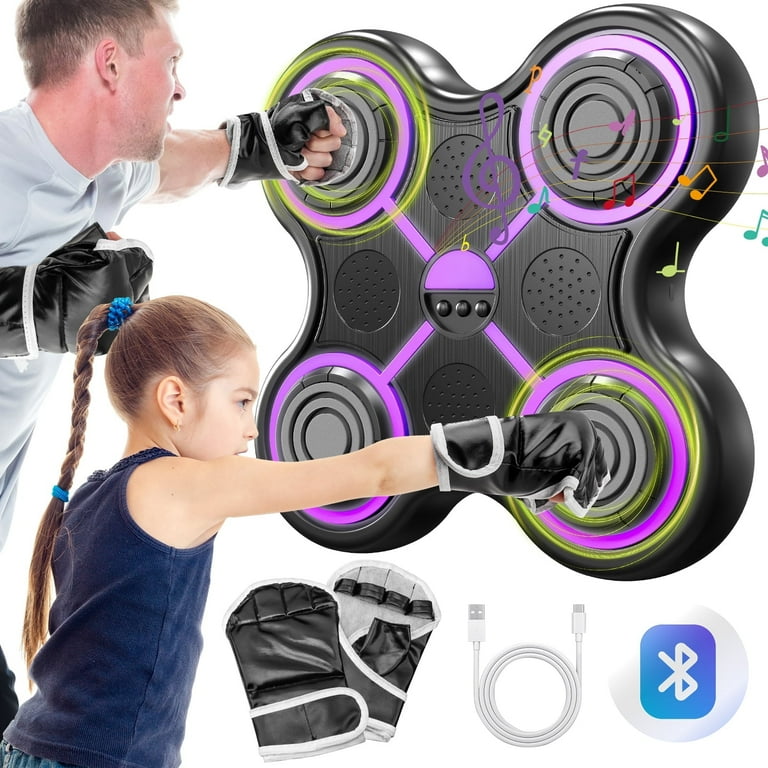
A music boxing machine is a device that combines boxing with rhythm-based games. It usually has padded targets that light up, and kids (or adults) punch them according to the beat of a song. The machine tracks accuracy, speed, and sometimes even calories burned.
Today's Exclusive Deals
Limited-time Exclusive Deals. Check current discount on Amazon.
Check Price on Amazon As an Amazon Associate I earn from qualifying purchases.You’ll find these machines in places like:
- Family entertainment centers
- Fitness clubs
- Home playrooms
- Schools (sometimes as part of physical education)
They are marketed as fun, interactive ways to exercise, improve reflexes, and enjoy music. Some machines let users select difficulty levels, which changes the speed or complexity of the game.
Benefits Of Music Boxing Machines For Kids
Music boxing machines offer more than just entertainment. When used properly, they can support physical, mental, and social development.
1. Improved Coordination
Punching targets in time with music trains hand-eye coordination and timing.
2. Cardiovascular Exercise
Kids can get their heart rates up, which helps prevent obesity and boosts overall fitness.
3. Stress Relief
Boxing movements are a healthy way for children to release energy and manage stress.
4. Social Interaction
Many machines allow two players to compete or cooperate, encouraging teamwork and friendly competition.
5. Cognitive Skills
Following rhythm patterns improves attention, memory, and problem-solving.
6. Motivation For Exercise
Music and game elements make workouts feel less like a chore, encouraging regular activity.
Potential Risks For Kids
While music boxing machines can be beneficial, there are real safety concerns if not managed properly. Let’s look at the risks:
Physical Injury
Children’s bones, joints, and muscles are still developing. Punching too hard, too often, or with poor technique can cause:
- Sprains or strains
- Bruises or abrasions
- Joint injuries (especially wrists and shoulders)
Younger kids (under age 8) are more vulnerable since their motor skills aren’t fully developed.
Overexertion
Some machines do not limit play time. Kids may play for long periods, leading to:
- Dehydration
- Muscle fatigue
- Dizziness or fainting
Mental And Emotional Stress
Competitive scoring can lead to frustration if a child struggles to keep up. There’s a risk of:
- Performance anxiety
- Feeling discouraged or left out
Hygiene Concerns
Shared machines in public places can harbor germs on the pads and screens, increasing the risk of:
- Skin infections
- Viral or bacterial transmission
Hearing Damage
Machines played at high volume may contribute to hearing loss over time.
Age Recommendations And Manufacturer Guidelines
Most music boxing machines come with age recommendations. It’s important to follow these, as they are based on safety tests and developmental science.
Here is a typical breakdown:
| Age Group | Recommended Usage | Notes |
|---|---|---|
| Under 6 years | Not recommended | Motor skills, hand size, and strength are not suitable |
| 6–8 years | Limited use, supervised | Short sessions, gentle play only |
| 9–12 years | Moderate use, supervised | Can use most machines with proper guidance |
| 13+ years | Full use | Safe with normal precautions |
Always check the manufacturer’s label and instructions. Some machines have adjustable settings for age, height, and strength.
How Safe Are Music Boxing Machines Compared To Other Fitness Devices?
Understanding how music boxing machines compare to other equipment helps parents make informed choices.
| Device | Injury Risk | Age Suitability | Supervision Needed |
|---|---|---|---|
| Music Boxing Machine | Moderate (higher if unsupervised) | 6+ years | Yes |
| Treadmill | High (falls, misuse) | 12+ years | Always |
| Stationary Bike | Low | 8+ years | Yes |
| Jump Rope | Low | 6+ years | Recommended |
| Arcade Game (non-physical) | Very low | All ages | No |
Music boxing machines are generally safer than treadmills but riskier than jump ropes or non-physical games.
Essential Safety Tips For Kids Using Music Boxing Machines
To use these machines safely, follow some simple but critical guidelines:
1. Supervise Every Session
An adult should always be present, especially for children under 12.
2. Warm Up First
Kids should stretch their wrists, shoulders, and legs before playing.
3. Use Proper Technique
Teach children to punch gently, with wrists straight and hands open or lightly closed.
4. Limit Play Time
Sessions should last no more than 15–20 minutes at a time, with breaks in between.
5. Check Pad Height And Difficulty
Adjust the machine for the child’s height and skill level.
6. Wear Protective Gear
Consider lightweight gloves to reduce risk of scrapes or bruises.
7. Keep The Area Clear
Remove obstacles or slippery objects around the machine.
8. Monitor Volume
Keep music and sound effects at a safe level to protect hearing.
9. Clean Pads Regularly
Wipe down machine pads with disinfectant after each use, especially in public spaces.
10. Encourage Positive Play
Focus on fun and improvement, not just high scores.
Common Mistakes Parents Make
Many parents overlook these points when letting kids use music boxing machines:
1. Ignoring Age Recommendations
Some think all machines are safe for any age, but younger children are at greater risk.
2. Letting Kids Play Unsupervised
Accidents often happen when adults are not watching.
3. Skipping Warm-ups
Children can strain muscles if they jump right into play.
4. Not Adjusting Settings
Leaving machines on adult difficulty or height can frustrate and injure kids.
5. Neglecting Hygiene
Not cleaning shared machines increases risk of infection.
6. Overemphasizing Competition
Too much focus on scores can cause anxiety and spoil the fun.
Signs Of Unsafe Use
Watch for these warning signs:
- Redness, swelling, or pain in hands, wrists, or shoulders
- Fatigue or dizziness after playing
- Complaints of discomfort or difficulty reaching pads
- Aggressive or frustrated behavior during play
- Visible injuries (even minor ones)
If any of these appear, stop the session and reassess safety steps.
How To Choose A Kid-friendly Music Boxing Machine
Not all machines are designed for children. Here’s how to pick the right one:
Key Factors
1. Pad Size And Height
Choose machines with adjustable pads to match your child’s reach.
2. Difficulty Settings
Look for models that let you set speed, complexity, or force sensitivity.
3. Safety Features
Check for cushioned pads, rounded edges, and emergency stop buttons.
4. Clear Instructions
Good machines have simple guides and age-specific tips.
5. Sturdy Construction
Avoid machines that wobble or have sharp parts.
6. Warranty And Support
Choose brands with reliable customer service.
Sample Comparison Of Kid-friendly Features
| Feature | Standard Machine | Kid-Friendly Machine |
|---|---|---|
| Pad Adjustability | Fixed height | Adjustable |
| Difficulty Levels | Adult only | Multiple (child, teen, adult) |
| Safety Padding | Thin | Extra thick |
| Instructions | Complex | Simple, visual |
| Warranty | Limited | Extended |
Practical Example: Setting Up Safe Play At Home
Imagine you’ve bought a music boxing machine for your child, age 10. Here’s how to set up and supervise safe play:
- Place the machine on a flat, non-slip surface in a room with space to move.
- Adjust pad height so your child can reach comfortably.
- Set difficulty to beginner mode.
- Help your child warm up with arm circles and wrist stretches.
- Remind them to punch softly and keep wrists straight.
- Limit play to 15 minutes. Pause for water and rest.
- Clean pads after each session.
- Monitor your child for signs of fatigue, pain, or frustration.
These steps encourage fun, safe play and help prevent injuries.
Non-obvious Insights For Parents And Beginners
Most guides skip these points, but they’re important for safety and enjoyment:
1. Kids Often Use More Force Than Needed
Children sometimes punch harder than necessary, thinking it’s part of the game. Teach them that accuracy is more important than strength.
2. Machines May Not Register Small Hits
Some devices don’t detect soft touches, causing frustration. If this happens, check the sensitivity settings or pick a model designed for kids.
3. Peer Pressure Can Increase Risk
In group settings, kids may push themselves too hard to impress friends. Remind them it’s OK to play at their own pace.
4. Older Siblings Should Not Share Settings
Let each child use their own customized setup. Sharing adult settings with younger kids is a common mistake.
5. Music Selection Matters
Fast or aggressive music can make kids punch more quickly and risk injury. Choose moderate tempos for younger users.
Research And Data On Safety
A study published by the American Academy of Pediatrics found that interactive fitness machines, including music boxing devices, led to increased physical activity among children. However, they also noted a higher rate of minor injuries when sessions lasted more than 30 minutes or when machines were not adjusted for child use.
Key findings:
- Injury rate: 7% among children aged 6–12, mostly sprains and bruises
- Activity boost: 18% increase in heart rate compared to standard exercise
- Best outcomes: Sessions of 15–20 minutes, supervised, with child-specific settings
These data support the importance of moderation and supervision.

Addressing Common Concerns
Is Boxing Too Aggressive For Kids?
Music boxing machines are not traditional boxing. The focus is on rhythm, timing, and accuracy—not power. With proper guidance, they’re no more aggressive than other physical games.
Can Kids Get Addicted?
Like any video game or physical activity, overuse is possible. Set clear limits and encourage breaks. Balance music boxing with other activities.
What If My Child Has A Medical Condition?
Consult your pediatrician before allowing use, especially for children with asthma, joint issues, or sensory sensitivities.
Are Machines Safe In Public Spaces?
Public machines are safe if:
- Pads are cleaned regularly
- Children use their own gloves
- Sessions are supervised
If hygiene standards are low, avoid use.
Frequently Asked Questions
Is It Safe For Children Under 6 To Use A Music Boxing Machine?
No. Most experts and manufacturers advise against use for children under 6. Their motor skills, coordination, and strength are not developed enough, and there’s a higher risk of injury. Wait until your child is at least 6, then start with gentle, supervised sessions.
How Long Should A Child Play On A Music Boxing Machine?
Keep sessions short—ideally 15 to 20 minutes. Longer play can lead to muscle fatigue, dehydration, and minor injuries. Always allow time for rest and water breaks between sessions.

Do Kids Need Special Boxing Gloves To Use These Machines?
Lightweight gloves can help prevent scrapes and bruises, but they are not always required. For home machines, soft pads are usually enough. In public spaces, gloves are more important because pads may be harder or less clean.
What Safety Features Should I Look For In A Music Boxing Machine?
Choose machines with:
- Adjustable pad height
- Multiple difficulty levels
- Thick, cushioned pads
- Emergency stop buttons
- Simple, clear instructions
These features help prevent injuries and frustration.
Where Can I Find More Information About Music Boxing Machines And Child Safety?
The Consumer Product Safety Commission offers detailed guidelines for fitness equipment and child safety. Visit CPSC.gov for updated information on product recalls, safety standards, and tips.
Final Thoughts
Music boxing machines can be a safe, fun, and healthy activity for kids—if you follow age guidelines, supervise sessions, and choose the right equipment. The main risks are physical injury from poor technique or overuse, and hygiene concerns in public spaces. With proper setup, warm-ups, and clear limits, these machines support exercise, coordination, and enjoyment. Remember: safety comes first, and positive play should always be the goal.
Parents who pay attention to machine settings, session length, and supervision will help their children get the best from music boxing machines. If you’re unsure, consult your pediatrician or fitness professional. By staying informed and involved, you can make music boxing a safe part of your child’s active lifestyle.