Understanding the difference between aerobic vs anaerobic exercise is the key to training smarter. These two modes of movement dictate how your body burns energy and how you recover after a workout.
Most fitness standards, including guidelines from the American College of Sports Medicine, emphasize that your heart and muscles rely on specific metabolic pathways depending on the intensity of your movement. By identifying which system you are using, you can tailor your routine to hit your personal goals more effectively as of 2026.

Today's Exclusive Deals
Limited-time Exclusive Deals. Check current discount on Amazon.
Check Price on Amazon As an Amazon Associate I earn from qualifying purchases.Quick Answer
Aerobic exercise uses oxygen to fuel steady, long-duration movement. Anaerobic exercise happens without oxygen during short, high-intensity bursts. Aerobic training improves heart health and endurance.
Anaerobic training builds muscle power and explosive speed. You should combine both to reach peak physical fitness.
Why Understanding Your Energy Systems Changes Everything

Your body doesn't just exercise. It performs a precise internal operation to convert stored fuel into kinetic energy. When you grasp the distinction between these two systems, you stop guessing why certain movements leave you breathless while others feel sustainable.
If you’ve ever wondered why you can jog for forty minutes but cannot sprint for the same duration, you’ve experienced your energy systems in action. The aerobic system is your slow-burn engine, powered by oxygen. It is designed for longevity.
In contrast, the anaerobic system is your turbo engine, designed for moments when you need maximum output instantly.
Ignoring one in favor of the other often leads to fitness plateaus. If you spend all your time in the steady-state zone, you will struggle to generate explosive power. Conversely, focusing solely on high-intensity work can leave your cardiovascular foundation underdeveloped.
Using a high-quality foldable treadmill or similar gear, you can program your sessions to specifically target either of these metabolic demands.
The Mechanics: How Your Body Switches Between Fuels
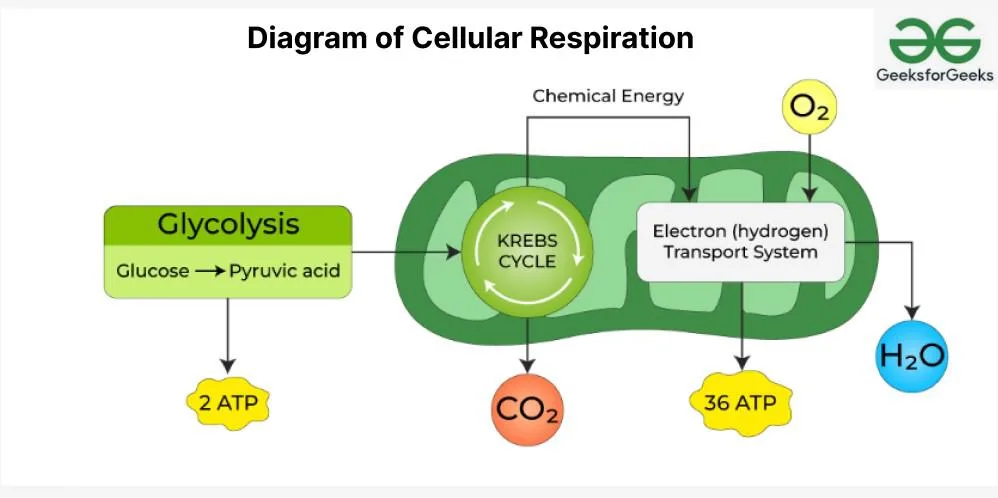
At a cellular level, your body is constantly deciding which chemical pathway to prioritize. Aerobic metabolism occurs when your heart rate remains low enough for your lungs to deliver a steady stream of oxygen to your working muscles. This process breaks down fats and glucose to create ATP, the primary energy unit your cells use to function.
When you crank up the intensity, your oxygen demand spikes. Eventually, your lungs and blood vessels cannot keep up with the rate your muscles need for fuel. At this point, your body shifts to anaerobic glycolysis.
This process produces energy rapidly from stored glucose without needing oxygen, but it results in metabolic byproducts like lactate.
Think of it like a dimmer switch. You are rarely exclusively in one mode or the other, but your body leans heavily toward one based on your heart rate. This is why monitoring your activity duration helps you stay in the intended metabolic zone.
When you cross the tipping point, you will feel an immediate increase in perceived effort and a sharp decrease in your ability to maintain that speed.
Aerobic vs. Anaerobic: A Side-by-Side Breakdown
It helps to categorize these systems by their output and limitations. Aerobic work is inherently sustainable, whereas anaerobic work is inherently limiting. The following table highlights the physical differences to help you choose the right training modality for your session.
| Feature | Aerobic Exercise | Anaerobic Exercise |
|---|---|---|
| Fuel Source | Oxygen and Fat | Glycogen (Stored Sugar) |
| Effort Level | Moderate and Steady | High and Explosive |
| Duration | Minutes to Hours | Seconds to 2 Minutes |
| Primary Gain | Cardiovascular Stamina | Strength and Power |
Whether you prefer a reliable machine for small rooms or a dedicated weightlifting rack, the tool matters less than the intensity you apply. Aerobic exercise focuses on time under tension with lower resistance. Anaerobic exercise focuses on maximal output with higher resistance or speed.
You can easily test your baseline by performing a simple talk test. If you can speak in full sentences, you are almost certainly in an aerobic state.
Choosing Your Focus: Determining What Your Goals Require
Your fitness roadmap should align with your specific objectives. If you are preparing for a 5K race, you will spend the bulk of your time in the aerobic zone. This ensures your body becomes efficient at burning fat and utilizing oxygen, which is essential for endurance performance.
If your aim is to increase your vertical jump or perform better in short-duration sports like rugby or tennis, you need to dedicate significant time to anaerobic conditioning. This training forces your body to adapt to the buildup of metabolic waste. It teaches your system to buffer lactate, which keeps you performing longer during those high-intensity moments.
For most people, a mix is ideal. A durable, comfortable treadmill for heavier frames is a great way to oscillate between these two worlds. You might perform a long, slow walk to build your aerobic base on one day, then switch to interval sprints on the next to build your anaerobic threshold.
Tailoring your work-to-rest ratio is the most effective way to optimize these gains.
The Balancing Act: Integrating Both for Optimal Fitness
Blending aerobic and anaerobic work creates a well-rounded athlete. This approach is often called metabolic conditioning. By varying your heart rate zones, you avoid the monotony of static training.
You also protect your joints from the repetitive strain of doing the exact same movement at the exact same intensity every single day.
One effective strategy involves polarized training. This is where you perform the vast majority of your sessions at a low-intensity, aerobic pace. Then, you reserve just one or two sessions per week for pure, high-intensity anaerobic effort.
This prevents burnout and ensures that your nervous system has enough time to recover from the stress of anaerobic sprints.
If you are using equipment like top-rated walking pads for small spaces, you can use the incline function to push into the anaerobic range without needing massive speed. Raising the incline mimics hill climbs, which creates significant anaerobic demand while keeping impact relatively low. Always remember that your base is your aerobic capacity; never neglect it while chasing the high-intensity anaerobic results.
Common Mistakes That Stunt Your Progress
Many people fall into the trap of overtraining their anaerobic system because they equate harder with better. If you push your body to maximum capacity every single day, you run a high risk of burnout. Your central nervous system needs time to recover from the intense chemical stress of anaerobic sprints.
Another common error is ignoring the middle ground. Many exercisers rush from a slow walk straight into a sprint, skipping the moderate-intensity zone entirely. Staying within this moderate zone is vital for developing capillary density.
It allows your body to transport oxygen more efficiently to your working muscles.
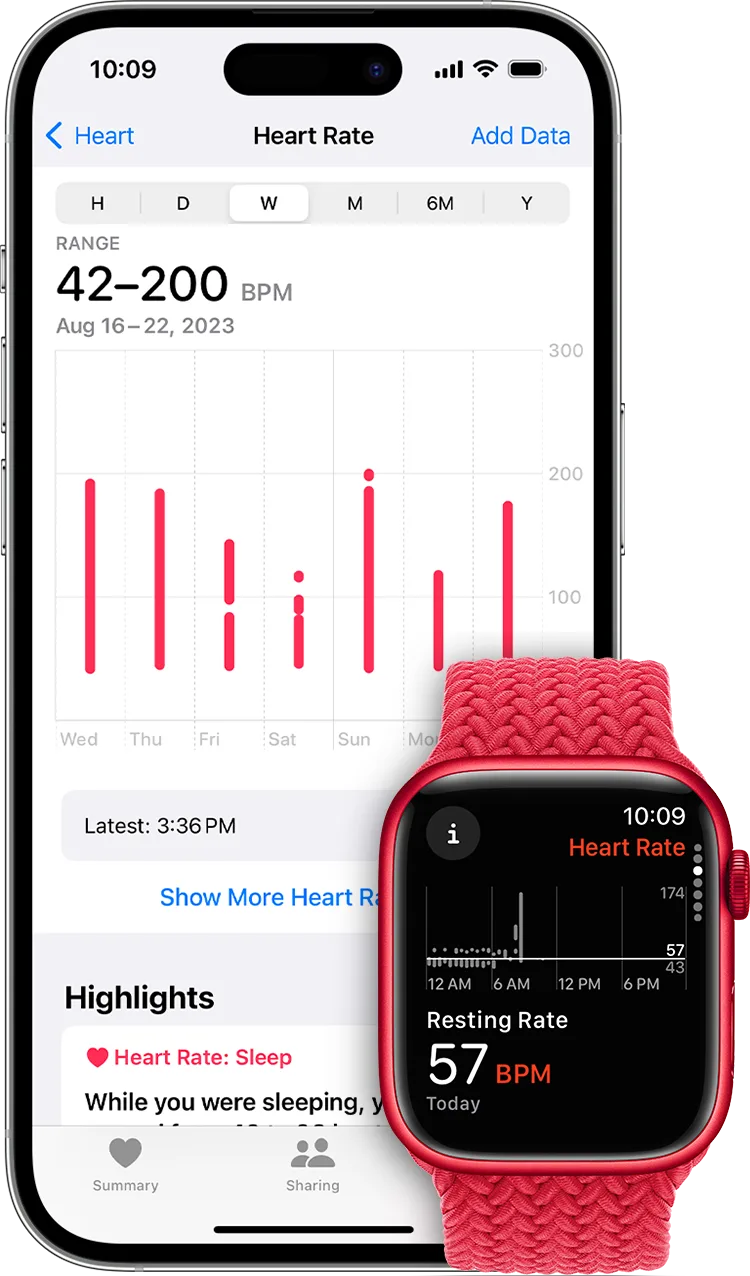
You might also be ignoring your recovery metrics. If you notice your resting heart rate climbing over several days, your body is likely telling you that your anaerobic work is too frequent. Adjust your training load.
Use a smart treadmill for accurate metrics to track your progress and ensure you are not redlining your engine every time you train.
Safety, Recovery, and Listening to Your Body
Safety starts before you ever hit a high-intensity interval. Always begin with a gradual warm-up to prepare your cardiovascular system and joints. Jumping straight into an anaerobic burst with cold muscles increases the risk of strains and tears significantly.
Monitor your perceived exertion. If your breathing becomes extremely labored and you feel lightheaded, stop the high-intensity portion of your workout immediately. The National Institutes of Health provides guidance on recognizing signs of overexertion during physical activity.
If you feel sharp pain or persistent dizziness, those are clear signals to scale back.
Recovery is not just time off. It includes proper hydration and fueling your muscles with the glycogen they burned during anaerobic work. If you find your gear is acting up during these sessions, such as a belt requiring alignment, address it promptly to avoid mechanical issues that lead to unsafe movement patterns.
Listen to what your body is reporting. It is the most accurate performance metric you have.
Frequently Asked Questions
Can I burn fat during anaerobic exercise?
Yes, but it is not the primary fuel source. Anaerobic exercise burns significant calories due to the high intensity of the effort. It also triggers an afterburn effect known as EPOC.
This process keeps your metabolic rate elevated for hours after your workout is complete.
How do I know if I am training in the right zone?
Use the talk test to gauge your intensity. If you can speak comfortably in full sentences, you are in the aerobic zone. If you can only manage one or two words at a time, you have crossed into the anaerobic zone.
Heart rate monitors also provide precise data for these zones.
Should beginners do anaerobic training?
Beginners should build an aerobic foundation first. Spend several weeks developing your stamina with low-to-moderate intensity movement. Once your cardiovascular system is accustomed to regular activity, you can gradually introduce short, controlled anaerobic bursts.
Always start slowly to prevent injury.
Does aerobic exercise build muscle?
Aerobic exercise does not build significant muscle mass compared to heavy resistance training. It is designed to improve endurance and metabolic efficiency. If your primary goal is building large muscles, you should pair your aerobic sessions with strength training.
This provides the stimulus needed for muscular hypertrophy.
How often should I mix aerobic and anaerobic work?
A balanced schedule includes three to four aerobic sessions and one to two anaerobic sessions per week. This prevents burnout and allows for adequate recovery between high-intensity bouts. Adjust this ratio based on your specific fitness goals, but always prioritize consistent movement over sporadic, extreme intensity.