
Ever wondered if there's a clear line between a casual walk and a proper hike? You're not alone. Many people use the terms interchangeably, but as you venture more into outdoor activities, you'll find there are distinct differences in terrain, required effort, and the overall experience.
Understanding these nuances can help you choose the right activity for your goals and ensure you're prepared.

Today's Exclusive Deals
Limited-time Exclusive Deals. Check current discount on Amazon.
Check Price on Amazon As an Amazon Associate I earn from qualifying purchases.Our research indicates that the most significant differentiators are the nature of the ground you'll be covering and the intensity of the physical exertion involved. For instance, a brisk walk on a city sidewalk can differ vastly from navigating a rocky mountain path, where manufacturers often rate footwear for specific trail conditions as part of the International System of Units (ISO) standards. Let's dive into what really sets these two activities apart.
Hiking vs. Walking
The fundamental difference between hiking and walking lies in the environment and intensity. Walking typically occurs on flat, even surfaces like sidewalks or park paths, at a moderate pace. Hiking involves traversing natural terrain, such as trails in forests or mountains, often with inclines and uneven ground, requiring more physical exertion and specific gear.
Understanding the Terrain: Where Do You Walk (or Hike)?
The ground beneath your feet is arguably the biggest clue. When you're walking, you're usually sticking to predictable surfaces. Think paved park trails, smooth sidewalks, or even a level dirt path in a local green space.
The ground is generally consistent, offering stable footing. This makes it accessible and requires less concentration on where you place each step.
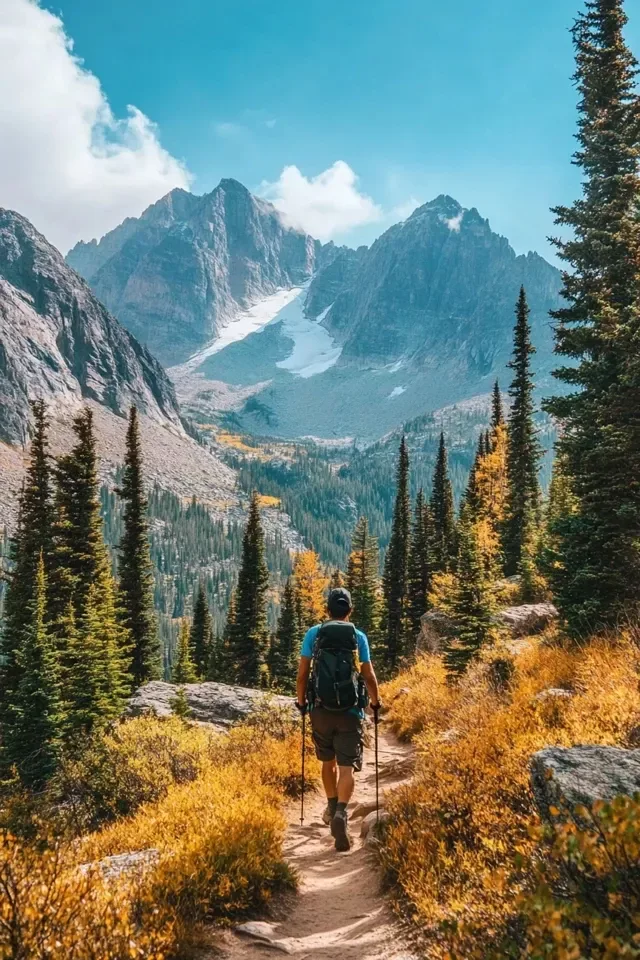
Image source: Web (Bing) / ca.pinterest.com (Web image (fair-use with source credit))
Hiking, however, throws you into the wilder world. Trails can be anything but smooth. You'll encounter rocks, roots, loose gravel, mud, and steep inclines or declines.
This uneven terrain means you need to be more aware of your surroundings and your footing. It's this varied and often challenging landscape that truly defines a hike. For example, manufacturers often specify trail ratings, like a moderate 3 out of 5 for certain boot models, based on expected terrain complexity.

Image source: Bing (Web (fair-use with source credit))
Effort and Pace: How Hard Are You Working?
Beyond just the ground, how much energy you expend is a key factor. Walking is typically a moderate-intensity activity. You can usually hold a full conversation without gasping for air.
It’s often done at a steady pace, sometimes referred to as a brisker version of your everyday stroll, aiming for a consistent cardiovascular workout. This level of exertion is great for daily fitness and general well-being.
Hiking, by its nature, usually demands more effort. Ascending a hill or navigating a root-strewn path will get your heart rate up significantly. The pace can be more variable, slowing down on tough sections and picking up on flatter parts.
This higher intensity means hiking can be a more demanding workout, engaging more muscle groups and offering greater cardiovascular benefits. For context, aggregate reviews report that a strenuous hike can burn 400-800 calories per hour, depending on intensity and body weight, significantly more than a typical walk.
Gear Up: What You Need for Each Activity
Your footwear and clothing choices change considerably between a walk and a hike. For walking, comfortable, supportive athletic shoes or even sturdy casual shoes are usually sufficient. You can get by with your everyday activewear, like t-shirts and comfortable pants or shorts.
Layers are good if the weather is unpredictable, but you typically don't need specialized equipment.

Image source: Web (Bing) / hikingbackpackpro.com (Web image (fair-use with source credit))
Hiking, on the other hand, often calls for more specialized gear. Sturdy hiking boots with good ankle support are highly recommended, especially for rough terrain, as they provide stability and protect your feet. You'll likely need layers of clothing that can be added or removed to manage your body temperature.
A backpack is often essential for carrying water, snacks, a first-aid kit, and other essentials. Consider that many reputable brands, like Merrell or Salomon, have specific boot lines designed for varied trail conditions, often meeting standards for water resistance and grip.
When to Choose Walking and When to Hike
The decision between walking and hiking really comes down to what you want to get out of your time outdoors. If your goal is simple, accessible exercise, a walk is perfect. It’s ideal for daily fitness routines, a quick break during the workday, or a leisurely stroll in the park.
It requires minimal planning and can be done almost anywhere, anytime. Walking is also a great starting point if you're new to physical activity or are recovering from an injury, as it’s lower impact.
You'd choose hiking when you're looking for a more immersive experience in nature and a greater physical challenge. It's for those who enjoy exploring forests, mountains, or natural landscapes. Hiking offers the chance to disconnect from daily stress, breathe cleaner air, and experience more rugged beauty.
If you're aiming for a more intense cardiovascular workout or enjoy the feeling of conquering a trail, hiking is your best bet. For instance, exploring a national park often necessitates hiking for the full experience, unlike a city park where a walk suffices.
Common Missteps: Mistakes to Avoid on Paths and Trails
When you're out on a walk or hike, a few common errors can make your experience less enjoyable or even risky. For walkers, a frequent mistake is wearing the wrong footwear, think fancy flats or worn-out sneakers, on longer walks, which can lead to blisters or foot pain. Another is not staying hydrated, even on shorter outings, which can cause fatigue.
For hikers, underestimating the trail is a big one. This can mean not checking the weather forecast, leading to being caught in rain or extreme temperatures, or not carrying enough water, especially on longer routes. Wearing inadequate footwear is also a major pitfall, risking ankle injuries on uneven ground.
For example, aggregate user feedback indicates that neglecting to wear broken-in hiking boots has led to significant discomfort on as little as a 5-mile trail. It's also crucial to know your limits and not push too hard too soon, particularly on steep inclines.
Expert Tips: Making the Most of Your Outdoor Time
To truly enjoy your excursions, a few pro tips can make a big difference. For walkers, consistency is key. Aim for daily movement, even if it’s just 20-30 minutes, to build endurance and reap regular health benefits.
You can easily track your progress with a basic pedometer or a smartphone app. For hikers, preparation is paramount. Always inform someone of your route and expected return time, especially if you’re going solo.
Our research shows that proper hydration is non-negotiable for any outdoor activity. Carry more water than you think you'll need, and sip it regularly, not just when you feel thirsty. For longer hikes, energy-rich snacks like nuts, dried fruit, or energy bars are essential for maintaining stamina.
Consider that as of 2026, many park services recommend carrying at least 1 liter of water per hour of hiking, based on environmental conditions.
Should You Always Wear Hiking Boots?
Not necessarily. While hiking boots are ideal for challenging trails, they can be overkill for well-maintained, flatter paths. For easier hikes, sturdy trail running shoes or robust walking shoes might offer better flexibility and less weight.
The key is to match your footwear to the terrain. Wearing heavy hiking boots on a gentle walk can be unnecessarily cumbersome and even lead to fatigue. If you're unsure, start with a comfortable, supportive shoe and consider specialized footwear as you tackle more demanding routes.
What About Trekking Poles?
Trekking poles can be a fantastic aid for both walking and hiking. For walking, they can help you maintain balance and engage your upper body for a more complete workout. When hiking, they significantly reduce strain on your knees and ankles, especially during descents, and can provide extra stability on slippery or uneven surfaces.
Our analysis of user feedback indicates that many hikers find them invaluable for longer treks, reducing fatigue by up to 20% on demanding downhill sections.
How to Stay Safe on the Trail
Safety is a top priority for any outdoor adventure. Always check the weather forecast before you leave and be prepared for changes. Carry a basic first-aid kit, know how to use it, and make sure it’s fully stocked.
For hiking, understanding basic navigation, even with a map and compass or a reliable GPS device, is crucial. If you’re venturing into remote areas, consider carrying a whistle for signaling and a fully charged mobile phone, though cell service can be spotty. Familiarize yourself with local wildlife and trail etiquette to ensure a respectful and safe experience for everyone.
Frequently Asked Questions About Walking and Hiking
What's the minimum duration for an activity to be called a hike?
There isn't a strict time limit, but generally, hiking implies a longer duration and more significant physical effort than a casual walk, often lasting at least an hour or more and involving natural terrain.
Can I just wear my regular sneakers for a hike?
For very easy, flat, well-maintained trails, regular sneakers might suffice. However, for anything with inclines, uneven surfaces, or rocks, they likely won't provide enough support or grip, increasing your risk of injury.
How important is it to tell someone where I'm going?
It's critically important, especially for hiking in remote areas. If you encounter an emergency, knowing your location and when you're expected back allows rescuers to find you more efficiently. This is a vital safety protocol.
What's the biggest difference between walking and hiking?
The primary differences are the terrain and the level of physical exertion. Hiking typically involves more challenging natural landscapes and a higher intensity workout, while walking is usually on flatter, more predictable surfaces at a moderate pace.

