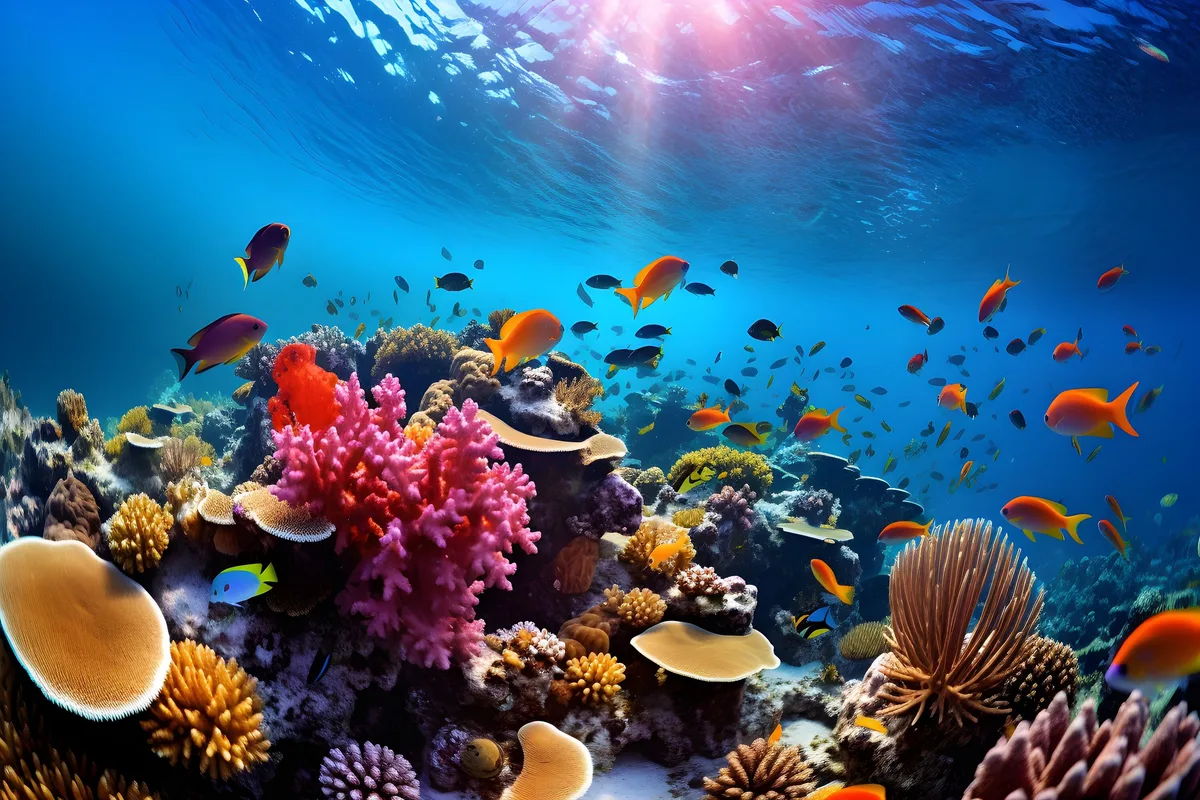
Image source: Web (Bing) / uk.pinterest.com (Web image (fair-use with source credit))

Today's Exclusive Deals
Limited-time Exclusive Deals. Check current discount on Amazon.
Check Price on Amazon As an Amazon Associate I earn from qualifying purchases.So, you're wondering, "What are the best destinations for scuba diving?" You've seen the photos, heard the stories, and now you're ready to explore what lies beneath the waves. Picking the perfect spot is more than just booking a flight; it's about finding a place that matches your diving dreams, whether that's spotting vibrant coral or swimming with majestic sea turtles.
Our research points to several locations that consistently offer world-class underwater experiences, but the best one for you depends entirely on what you’re seeking. From the mind-boggling biodiversity of the Great Barrier Reef to the effortless shore dives of Bonaire, we've gathered insights to help you choose. Think of this as your friendly guide to the planet's most spectacular aquatic playgrounds.
Quick Answer
The best destinations for scuba diving offer exceptional marine life and clear waters. Top choices include Australia's Great Barrier Reef for biodiversity, Bonaire for accessible reef diving, Palau for pelagic encounters, and Egypt's Red Sea for vibrant corals and wrecks. These locations cater to various skill levels and interests in underwater exploration.
Top Scuba Diving Destinations to Consider
When we talk about the "best" dive destinations, we're really looking at places that consistently deliver incredible underwater visibility, abundant and diverse marine life, and generally favorable conditions for divers. It’s a blend of natural beauty, accessibility, and conservation efforts that make a spot truly stand out. We’ve zeroed in on a few key locations that keep coming up when experienced divers talk about their favorite experiences.
These aren't just pretty places; they're thriving underwater ecosystems.
Great Barrier Reef, Australia: The Ultimate Marine Playground
This place is legendary, and for very good reason. The sheer scale of the Great Barrier Reef is staggering; it’s the world's largest coral reef system, stretching over 2,300 kilometers (about 1,400 miles) along the coast of Queensland, Australia. Our research indicates that its biodiversity is unparalleled, hosting an astonishing array of species.
You can expect to see everything from the tiniest, most colorful nudibranchs to majestic manta rays and reef sharks.
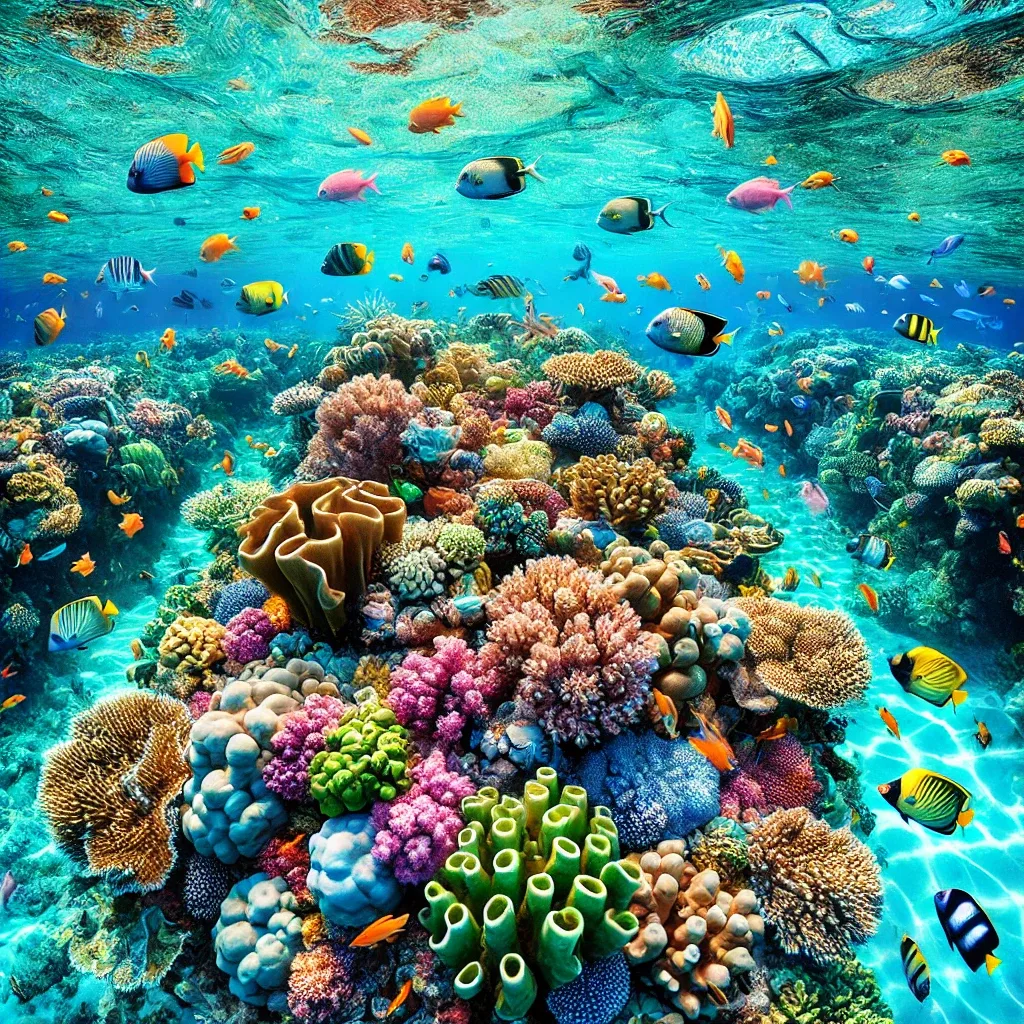
Image source: Web (Bing) / globaltravelers.net (Web image (fair-use with source credit))
While the entire reef is immense, diving here usually means focusing on specific sections, like the Ribbon Reefs or the outer reefs off Cairns. The conditions can vary, but typically, visibility is excellent, often exceeding 30 meters (about 100 feet) on a good day. It’s an absolute must for anyone wanting to witness the grandeur of a healthy coral ecosystem.
Remember that responsible diving practices are crucial here to help protect this fragile environment, which is a UNESCO World Heritage site.
Bonaire: Caribbean Shore Diving Gem
If effortless access and pristine reefs are high on your list, Bonaire is a destination that simply shines. Located in the southern Caribbean, just off the coast of Venezuela, this island has made conservation a cornerstone of its identity. Many sources report that Bonaire is often called the "Diver's Paradise" because almost the entire coastline is a marine sanctuary, and most of the dive sites are accessible directly from the shore.
You can literally drive to a marked spot, gear up, and walk into the water.
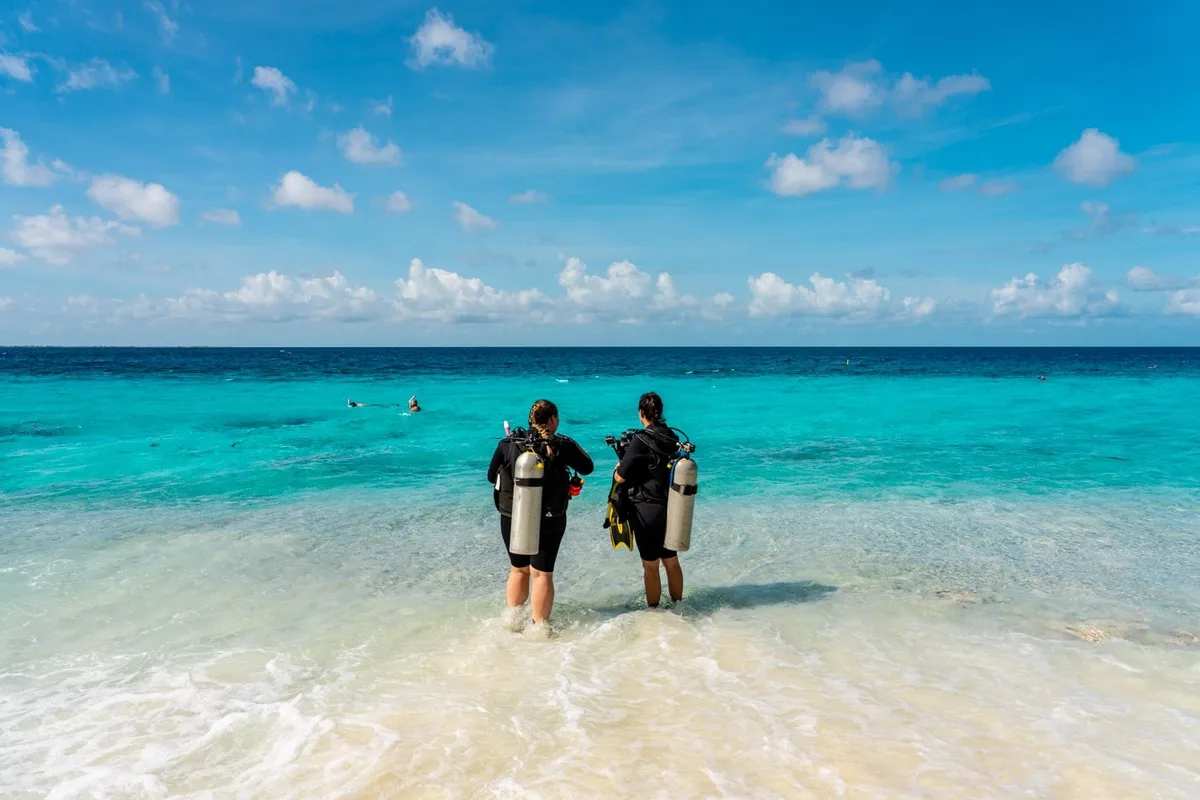
Image source: Web (Bing) / bucketlistri.com (Web image (fair-use with source credit))
The reefs here are known for their health and vibrance, with an incredible variety of corals and fish species. Visibility is typically superb, often in the range of 25-30 meters (80-100 feet), and the water temperature stays consistently warm, usually around 27-29°C (80-84°F). This makes it an ideal spot for divers of all levels, especially those who appreciate the freedom and flexibility of shore diving.
It’s a place where you can truly set your own pace and explore at your leisure.
Palau: For Thrills and Big Marine Encounters
For divers who dream of encountering larger marine life and exploring dramatic underwater topography, Palau in Micronesia is an absolute top-tier destination. This archipelago nation, situated in the western Pacific Ocean, is renowned for its strong currents that bring nutrient-rich waters, attracting an abundance of pelagic species. Sites like Blue Corner and German Channel are famous for thrilling drift dives where you can see sharks, manta rays, and schools of barracuda and tuna.
Our research indicates that Palau offers a different kind of diving experience compared to the calmer reefs of the Caribbean. It's more about dynamic, exhilarating dives in breathtaking underwater landscapes. Expect sheer walls dropping into the deep blue, vibrant gorgonian fans, and a very high chance of close encounters with sharks.
While this can be incredibly exciting, it also means that some of the prime spots are best suited for more experienced divers who are comfortable with currents.
Red Sea, Egypt: Coral Gardens and Wreck Adventures
The Egyptian Red Sea is a diver's dream for many reasons, chief among them being the absolutely spectacular coral reefs and some of the most famous historical shipwrecks in the world. Regions like Sharm El Sheikh and Hurghada serve as gateways to underwater realms teeming with color and life. The waters here are known for their clarity, often providing visibility of 20-30 meters (65-100 feet), and a pleasant water temperature that generally stays between 20-28°C (68-82°F) depending on the season.
Dive sites like Ras Mohammed National Park boast vibrant hard and soft corals, while the SS Thistlegorm wreck is a world-renowned historical site, offering a unique glimpse into WWII history beneath the waves. Many liveaboard dive trips operate in this region, allowing divers to explore more remote and pristine dive sites. For those interested in acquiring the right gear for such diverse conditions, understanding options for 8 Best Scuba Diving BCD 2027: Top Picks for Every Diver can be a great first step.
Best Dive Destinations: Who Are They For?
Choosing a dive destination really boils down to what kind of underwater experience you're looking for. Different spots excel in different areas, so knowing your priorities will steer you toward the perfect fit. Our comparative analysis shows that while many places offer great diving, they cater to distinct preferences and diver types.
Beginners
If you're just starting out or have limited experience, look for destinations with calm, clear waters and easily accessible reefs. Bonaire is frequently recommended for beginners due to its extensive shore diving network, allowing you to enter the water directly from land at many sites. The gentle slopes and generally good visibility mean you can focus on mastering your skills without feeling overwhelmed.
Other Caribbean islands with protected bays and good dive operations also provide excellent entry-level experiences.
Experienced Divers
More seasoned divers often seek out destinations that offer thrilling challenges or unique encounters. Palau is a prime example, famous for its exhilarating drift dives along walls and reefs where strong currents bring in larger marine life like sharks and manta rays. The Red Sea also appeals to advanced divers with its world-class wreck diving, such as the SS Thistlegorm, which requires good navigation and potentially wreck penetration skills.
If you’re an experienced diver planning to explore deeper, consider a reliable Best Scuba Diving Regulator 2026: Top Picks for Every Diver to ensure consistent air delivery.
Underwater Photographers
For those who love capturing the underwater world, destinations with vibrant coral gardens and diverse, predictable marine life are ideal. The Great Barrier Reef, with its immense biodiversity, offers endless subjects, from tiny macro creatures to large pelagics. Bonaire's healthy reefs also provide photographers with consistent opportunities to photograph a wide array of fish and invertebrates.
Destinations with excellent visibility, like many in the Red Sea, further enhance photographic potential. A good Best Scuba Diving Camera 2026: Top Picks for Underwater Photography is essential for this pursuit.
Eco-Tourists and Conservationists
If your priority is supporting sustainable tourism and experiencing healthy marine ecosystems, choose destinations with strong conservation programs. Bonaire leads the way with its dedicated marine park system, where dive fees directly fund reef protection. The Great Barrier Reef also has many areas managed for conservation, though the scale of the reef means vigilance is key.
Diving responsibly in these areas, with proper gear like a Best Scuba Diving Surface Marker Buoy Reviews and Buying Guide 2026, helps maintain their health.
Planning Your Dive Trip Logistics
Once you've got a destination in mind, the next step is figuring out the practicalities of getting there and enjoying your dives. This involves choosing the right dive operator, deciding on accommodation, and timing your trip for the best conditions. Our research shows that good logistical planning can significantly enhance your dive experience, making it smoother and more enjoyable.
Choosing Dive Operators and Accommodations
The dive operator you choose is arguably as important as the destination itself. A reputable operator will prioritize safety, employ knowledgeable guides, and maintain their equipment well. When researching, look for dive centers that adhere to recognized training agency standards and have positive reviews focusing on dive quality, guide expertise, and safety protocols.
For instance, ensuring your dive gear is properly managed is key; a sturdy Best Scuba Diving Gear Bag 2027: Top Picks for Easy Travel makes transporting equipment much simpler.
Accommodation options range from dive resorts, which often bundle lodging with diving for convenience, to liveaboard vessels for extensive exploration. Liveaboards are ideal for accessing remote sites that day boats can’t reach. Consider your comfort needs; some prefer basic lodging while others want resort amenities.
Planning for transport between lodging and dive sites is also essential, especially if you're not staying at a dedicated dive resort.
Best Time to Dive Each Region
Timing your dive trip can make a big difference in what you see and the conditions you encounter. While many tropical destinations are diveable year-round, some have distinct seasons that are preferable. For example, the Great Barrier Reef experiences its best visibility from June to October, which is its dry season, while the summer months can bring warmer waters but also the risk of marine stingers.
Bonaire's weather is generally consistent, with warm temperatures and good visibility year-round, though there's a slightly higher chance of rain during the wetter season from October to January. The Red Sea's peak diving season is typically spring (March to May) and autumn (September to November) when the water temperatures are pleasant, and visibility is excellent, avoiding the extreme heat of mid-summer.
- Consider Water Temperature: Tropical waters are generally warm, but some cooler currents can occur. Temperate or cold-water diving requires specialized gear, like a thick Best Scuba Diving Wetsuit for Cold Water 2026: Top Picks Reviewed.
- Check Visibility Reports: Even within a good season, visibility can fluctuate due to plankton blooms or recent weather.
- Research Marine Life Seasons: Some large animals, like manta rays or whale sharks, have specific migration or feeding seasons in certain locations.
Diving Responsibly for Future Generations
The magic of scuba diving lies in experiencing pristine underwater environments. To ensure these places remain vibrant for years to come, responsible diving is non-negotiable. Our analysis of marine conservation efforts underscores the importance of minimizing our impact.
This isn't just about following rules; it's about actively contributing to the health of the ecosystems we visit.
Here are some core principles of responsible diving:
- Never Touch or Disturb Marine Life: This includes coral, fish, and invertebrates. Corals are living organisms, and even a slight touch can damage them.
- Maintain Buoyancy Control: Proper buoyancy prevents accidental contact with the reef or seafloor. Investing time in mastering this skill, perhaps with a well-fitting Best Scuba Diving Weight Belt 2026: Top Picks for Every Diver, is crucial.
- Avoid Feeding Fish: This can disrupt natural feeding behaviors and impact ecosystem balance.
- Take Only Photos, Leave Only Bubbles: Do not collect souvenirs, shells, or artifacts from the dive site.
- Dispose of Trash Properly: Ensure no waste, including fishing line or plastic, is left behind. Consider using a Best Scuba Diving Dry Bag 2026: Top Waterproof Picks Reviewed to securely store anything you bring underwater.
- Respect Marine Protected Areas: Adhere to all regulations posted within national parks or marine sanctuaries.
Many dive operators are committed to responsible tourism. Choosing operators who advocate for and practice these principles helps support ongoing conservation efforts. Supporting destinations like Bonaire, which has a strong focus on marine park fees funding conservation, directly contributes to reef health.
Diving for Every Skill Level
The beauty of scuba diving is that it can be enjoyed by almost anyone, regardless of experience. The best dive destinations understand this and offer a range of sites and conditions suitable for everyone, from those just earning their open water certification to seasoned divers seeking a challenge. It’s all about matching the location to your comfort level and desired experience.
Beginner-Friendly Dives
If you're new to scuba diving or still building your confidence, you'll want to look for destinations with calm, clear waters and shallow, easily accessible dive sites. These locations minimize potential stress and maximize your opportunities to enjoy the underwater world without being overwhelmed. Bonaire is frequently recommended for beginners due to its extensive shore diving network, allowing you to enter the water directly from land at many sites.
The gentle slopes and generally good visibility mean you can focus on mastering your skills without feeling overwhelmed.
Sites like the house reefs at resorts or protected bays are ideal. They generally feature a gentle slope, abundant but not overwhelming marine life, and minimal current. Destinations with good dive operators who offer patient instruction and guided dives for beginners are also key.
Ensuring you have the right foundational gear, like a comfortable Best Scuba Diving Mask for Beginners 2026: Top Picks for Easy Underwater Exploration, can make a significant difference in your early dives. Many popular Caribbean islands and sheltered areas in Southeast Asia offer plenty of beginner-friendly options.
Advanced Dives and Challenging Sites
For experienced divers, the thrill often comes from exploring more challenging conditions or seeking out unique encounters. This can mean diving in areas with stronger currents, deeper sites, or engaging with larger, more powerful marine animals. Destinations like Palau are celebrated for their advanced dive sites.
The famous Blue Corner, for example, is a reef outcropping where currents can be quite strong, attracting sharks, tuna, and barracuda that hover in the flow.
Drift dives, where you essentially go with the current and are picked up by a boat further along, are a common feature in many advanced dive destinations, including parts of the Red Sea and the aforementioned Palau. Night dives also offer a different perspective, revealing nocturnal creatures and a transformed reef environment. Deeper wrecks or caves require specialized training and experience, but offer incredible rewards for those qualified.
If you're an advanced diver planning for challenging conditions, a reliable Best Scuba Diving Regulator 2026: Top Picks for Every Diver is critical, and understanding advanced buoyancy control is a must.
Frequently Asked Questions About Dive Destinations
What is the best time of year to dive the Great Barrier Reef?
The best visibility for diving the Great Barrier Reef is generally from June to October, during the dry season. While warmer water occurs in summer, this period also sees the possibility of marine stingers.
Can beginners dive in Palau?
Palau offers some incredible sites, but many of its most famous spots, like Blue Corner, have strong currents that are better suited for experienced divers. Beginners should seek out operators who can guide them to more suitable, calmer dive locations.
How accessible are Bonaire's dive sites?
Bonaire is famous for its shore diving. Many dive sites are marked with yellow stones along the highway, allowing divers to park, gear up, and walk directly into the water at their own pace.
What kind of marine life can I expect in the Red Sea?
The Red Sea is renowned for its vibrant coral reefs teeming with a vast array of fish species. You can also find historical shipwrecks like the SS Thistlegorm, which have become artificial reefs attracting diverse marine life.
Is scuba diving expensive in these popular destinations?
Costs can vary widely depending on the destination, type of accommodation, and dive package. However, destinations like Bonaire, with its shore diving focus, can sometimes be more budget-friendly for independent divers compared to locations requiring frequent boat charters.
Your Decision Guide: Finding Your Ultimate Dive Spot
The world is full of incredible underwater landscapes, and narrowing down the "best" destination for your scuba diving adventure is a fantastic journey. Whether you're drawn to the sheer scale and biodiversity of the Great Barrier Reef, the effortless shore diving of Bonaire, the thrilling encounters in Palau, or the vibrant reefs and wrecks of the Red Sea, each offers a unique and unforgettable experience.
Remember to consider your skill level, what kind of marine life you dream of seeing, and your preferred travel style. For beginners, ease of access and calm waters are key, while experienced divers might seek out challenging currents or deep wrecks. Photographers will want abundant, healthy subjects, and eco-conscious divers should prioritize conservation efforts.
Planning your trip logistics, from choosing a reputable dive operator to timing your visit for optimal conditions, will ensure a smooth and enjoyable adventure.
Ultimately, the most important factor is to dive responsibly. By respecting marine life, maintaining good buoyancy, and minimizing your impact, you help preserve these precious underwater ecosystems for future generations. So, gear up, plan wisely, and get ready to discover the breathtaking beauty that lies beneath the surface.