
What is the best time of year for scuba diving? It’s not a simple calendar answer because the ideal time shifts dramatically based on your location, what you want to see, and your personal comfort level. For many divers, finding that perfect window means balancing water temperature, visibility, and unique marine life events.
In our research, we've found that planning a dive trip involves aligning these factors. For instance, many tropical destinations see peak visibility figures around 30 meters (98 feet) or more during their dry seasons. This guide will help you navigate those choices to plan your most rewarding underwater adventure.

Today's Exclusive Deals
Limited-time Exclusive Deals. Check current discount on Amazon.
Check Price on Amazon As an Amazon Associate I earn from qualifying purchases.
Image source: Web (Bing) / mytanfeet.com (Web image (fair-use with source credit))
When Should You Plan Your Scuba Dive Trip?
The question of the "best" time to go scuba diving is really a series of smaller questions about your preferences and priorities. Think of it like this: if you dream of swimming with gentle giants, the season for whale sharks in Mexico is different than the season for manta rays in the Maldives. Similarly, if you prefer warmer waters, your timing will differ significantly from someone happy in a 5mm wetsuit exploring temperate reefs.
We need to break down the elements that make a dive trip perfect for you.
Your Dive Wishlist: What Really Matters to You?
Temperature Preferences
Water temperature is often the first thing divers consider. Are you someone who craves the warmth of tropical seas, or do you find the crispness of cooler water invigorating? Tropical destinations generally offer pleasant diving year-round, but even they have subtle shifts.
For example, some parts of the Caribbean might see water temperatures hovering around 27-30°C (80-86°F) for much of the year, while other regions might dip to 15-20°C (59-68°F) during their cooler months. Knowing your comfort zone is key to selecting the right season and location. Wearing a 5 Best Scuba Diving Wetsuit for Warm Water 2027 or a thicker option depends entirely on this.
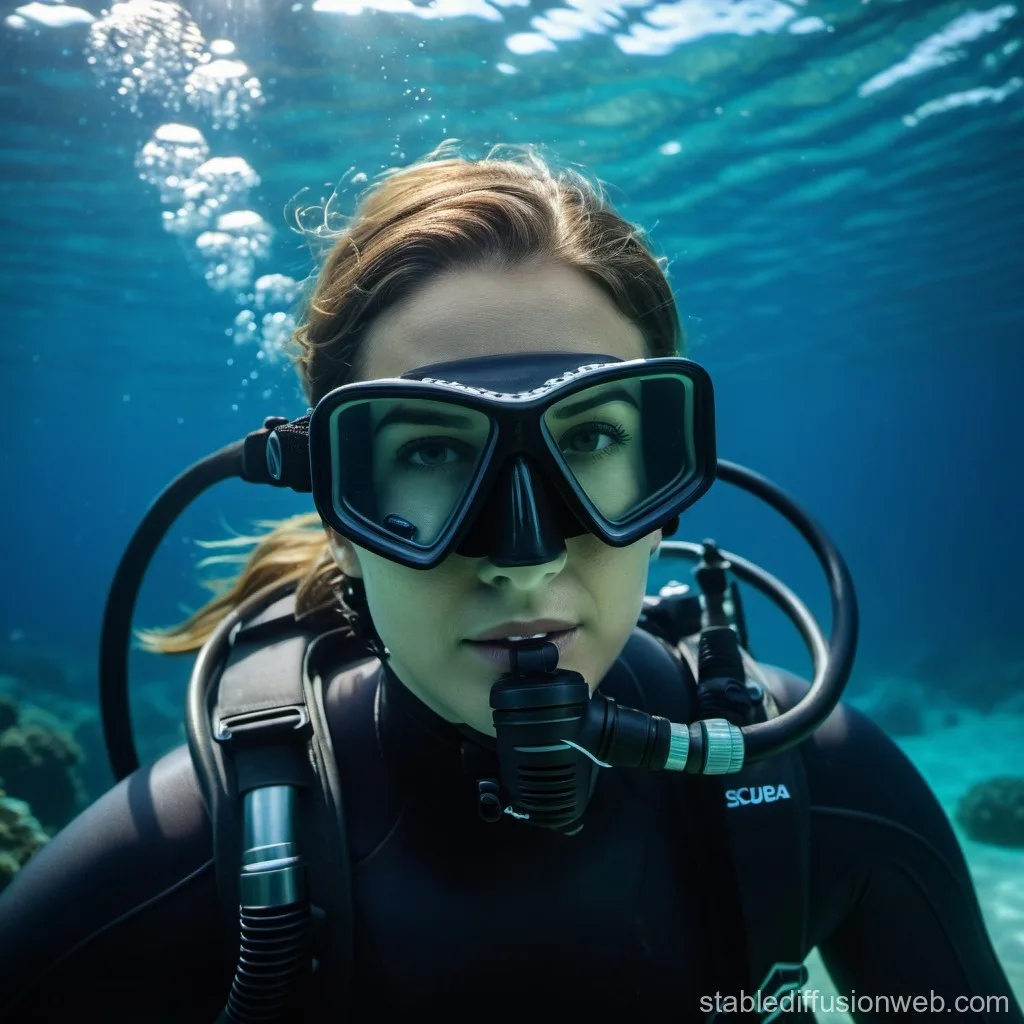
Image source: Bing (Web (fair-use with source credit))
Visibility Goals
Underwater visibility is crucial for enjoying the marine environment and for photography. Clear water means you can see more, appreciate the details of coral reefs, and spot marine life from a distance. Generally, visibility is best during drier periods when there's less runoff from land and less phytoplankton in the water.
In many parts of the world, this translates to lower visibility during rainy seasons. We often see visibility figures quoted between 10 meters (33 feet) in less-than-ideal conditions and over 30 meters (98 feet) in prime spots and times. Planning your trip during seasons known for clarity can significantly enhance your experience.
For photographers, selecting the Best Scuba Diving Camera 2026: Top Picks for Underwater Photography is only half the battle; good visibility is essential.
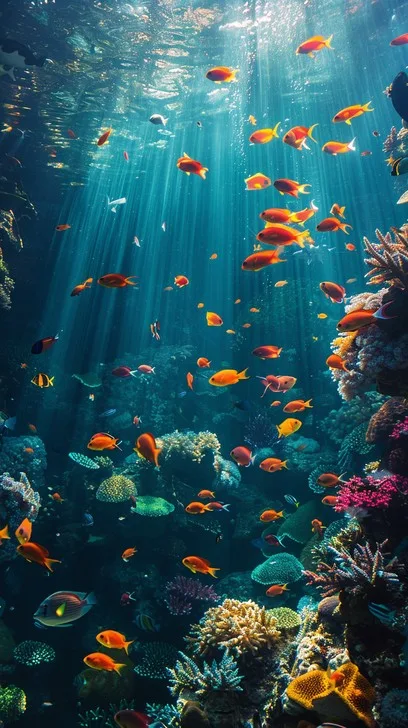
Image source: Bing (Web (fair-use with source credit))
Marine Life Priorities
Some of the most spectacular diving experiences involve encounters with specific marine animals. These encounters are often seasonal, tied to migration patterns, feeding aggregations, or breeding cycles. For instance, humpback whales frequent certain areas for calving during specific months, and whale sharks congregate in others to feed.
Researching the peak seasons for the marine life you dream of seeing is a fundamental part of planning. Failing to do so can mean missing out entirely, even if the water conditions are otherwise perfect.
Crowd Tolerance
The popularity of dive destinations can fluctuate wildly throughout the year, directly impacting how crowded your dives will be. Peak seasons often coincide with ideal weather conditions, meaning more divers in the water, more boats at the dive sites, and potentially higher prices for travel and accommodation. If you prefer a more serene experience and don't mind slightly less predictable weather, the shoulder or off-seasons can offer a much more relaxed and often more affordable dive trip.
This is something to consider when looking at destinations, especially popular ones.
Decoding Dive Seasons: What to Expect Globally
The Earth's seasons are flipped between the Northern and Southern Hemispheres, which fundamentally impacts dive trip planning. This means when it’s summer in the US, it’s winter in Australia, and vice versa. Understanding these hemisphere differences is step one in aligning your travel dates with favorable diving conditions.
Northern Hemisphere Dive Seasons
For many popular dive destinations in the Northern Hemisphere, the prime diving season typically runs from late spring through early autumn. This period, roughly May through October, generally offers the warmest water temperatures and the most stable weather. During these months, you’ll find many tropical and subtropical locations at their best.
For example, the Caribbean islands and the Mediterranean Sea usually experience their most favorable diving conditions during this time, with calmer seas and warmer waters. This is often when visibility is at its peak, often exceeding 25 meters (82 feet) in many locations.
Southern Hemisphere Dive Seasons
Conversely, when it's summer in the Northern Hemisphere, the Southern Hemisphere is enjoying its warmest months. This means that destinations like Australia (Great Barrier Reef), New Zealand, and parts of Southeast Asia experience their prime dive seasons from roughly November through April. Water temperatures in places like the Red Sea during its "summer" can be very warm, sometimes requiring lighter exposure protection.
Divers looking to explore these regions should plan their trips during these months to take advantage of the best weather and water conditions.
Tropical vs. Temperate Dive Cycles
It's also important to distinguish between tropical and temperate dive seasons. Tropical locations tend to have less extreme temperature fluctuations throughout the year, making them viable for diving year-round in many cases. However, even tropical areas can have wet and dry seasons, which heavily influence visibility and marine life aggregations.
Temperate regions, on the other hand, can have more dramatic seasonal changes. Winter diving in temperate zones might require thicker wetsuits or drysuits but can offer unique wildlife sightings, like migrating whales or seals, that aren't present in warmer months. This is why understanding the specific climate of your chosen dive site is paramount, irrespective of its hemisphere.
Matching Destinations to Your Dive Season
Once you grasp the seasonal shifts, the next logical step is to match those patterns to specific dive locations. Every region has its nuances, and what's perfect in one spot might be challenging in another.
Popular Dive Spot Seasonal Guides
- The Caribbean: Generally best from December to May for dry weather and calm seas. Hurricane season (June to November) can bring unpredictable weather and lower visibility, though it's often still diveable with careful planning. Water temperatures usually range from 24-29°C (75-84°F).
- The Red Sea (Egypt/Jordan): The peak season is often considered September to November for cooler air temperatures and great visibility, though it’s good year-round. Summers can be very hot, but the water remains warm, often 26-30°C (79-86°F).
- Southeast Asia (e.g., Thailand, Philippines, Indonesia): These regions have diverse microclimates. For instance, Thailand's Andaman coast is often best from November to April, while the Gulf of Thailand has a different peak. Indonesia, being equatorial, can often be dived year-round, but specific areas have better conditions at different times due to monsoon cycles affecting visibility.
- Australia (Great Barrier Reef): The dry season, from June to October, typically offers the best visibility and calmer conditions, with water temperatures around 22-26°C (72-79°F). The wet season (November to May) can bring rain, higher temperatures, and potential jellyfish blooms.
- Galapagos Islands: Known for cooler waters (15-24°C / 59-75°F) due to ocean currents, visibility can vary. The dry/cool season (June to December) often brings nutrient-rich waters and larger marine life encounters, while the wet/warm season (January to May) can offer calmer seas and warmer temperatures.
Considering Climate & Weather Patterns
Beyond general seasonal guides, it's vital to consider specific climate patterns. For example, if you're planning a dive trip to an area prone to hurricanes or monsoons, you'll want to be aware of the official season for these events. These weather systems can shut down dive operations for days or even weeks, drastically impacting your trip.
The National Oceanic and Atmospheric Administration (NOAA) provides extensive data on hurricane seasons and climate outlooks for various regions. It’s always wise to check official weather advisories closer to your travel dates.
Avoiding Dive Trip Disasters: Common Mistakes
When planning a dive trip, a few common oversights can quickly turn an anticipated adventure into a frustrating experience. Understanding these pitfalls ahead of time is your best defense against disappointment.
Misjudging Water Temperature
One of the most frequent mistakes is not accurately gauging the water temperature for your chosen destination during your planned travel dates. Relying on generic "tropical" or "cold water" labels isn't enough. For example, thinking a destination is "tropical" might lead you to pack only a thin wetsuit, only to arrive and find water temperatures that require a thicker suit for comfort, especially if you plan multiple dives.
Aggregated user reviews and specific dive site data often reveal that even within a region, temperatures can vary based on ocean currents and depth. Always research the specific average water temperature for the months you intend to visit.
Ignoring Visibility Factors
Many divers prioritize marine life encounters or temperature but underestimate the impact of visibility. Even if the water is warm and the critters are present, poor visibility (less than 10 meters/33 feet) can make the experience feel claustrophobic and limit photographic opportunities. Seasons of heavy rainfall, algal blooms, or strong winds can significantly reduce underwater clarity.
For instance, after intense rainfall, river runoff can cloud coastal waters for days. Prioritize dive locations and seasons known for consistently good visibility if clear water is important to your enjoyment.
Overlooking Wildlife Patterns
If seeing specific marine life is a primary goal, failing to research their seasonal availability is a major mistake. For example, planning a trip to see whale sharks in Mexico in January, when their peak season is May to September, means you'll likely be disappointed. Similarly, expecting to see large aggregations of manta rays at certain dive sites outside of their feeding or breeding seasons will lead to missed opportunities.
Dive-specific forums and local dive operator websites are excellent resources for understanding these animal migration and behavior patterns.
Budgeting for Peak Season
Finally, many travelers inadvertently overspend by booking during peak tourist seasons without considering alternatives. Peak season typically aligns with the best weather, driving up demand and, consequently, prices for flights, accommodation, and even dive packages. By researching shoulder seasons, the periods just before or after peak season, you can often find similar conditions with fewer crowds and significantly lower costs.
For example, visiting a destination in May or September might offer excellent diving while saving you a substantial amount compared to July or August.
Your Personal Dive Season Planner
Now that you understand the global picture and the factors that influence dive seasons, it’s time to put it all together for your specific trip. This planning process is where you take all the information and tailor it to your desires. It’s less about finding a universally "best" time and more about crafting your perfect dive window.
Step 1: Define Your Dive Priorities
Start by revisiting your "wishlist." What are the non-negotiables for your dive experience?
- Must-sees: Is encountering a specific creature like a manta ray or a particular type of shark a top priority?
- Comfort level: What water temperature range makes you happiest? Are you looking for tropical warmth or are you equipped for cooler conditions?
- Visuals: How important is crystal-clear visibility for your enjoyment or photography?
- Atmosphere: Do you prefer the solitude of off-peak travel, or do you not mind sharing dive sites?
Be honest with yourself here. If seeing whale sharks is your dream, you’ll need to plan around their known seasonal patterns, which might mean compromising slightly on water temperature or crowds.
Step 2: Research Your Target Destinations
Once your priorities are clear, start researching specific dive locations that align with them. For instance, if seeing large pelagics is your goal, look into places like the Galapagos, Socorro Islands, or certain areas of the Philippines that are known for these encounters. If warm, calm waters and vibrant reefs are your focus, the Caribbean or parts of Southeast Asia might be more suitable.
Use online resources, dive forums, and talk to experienced divers or dive operators in those regions. Many dive shops provide seasonal guides for their local areas.
Step 3: Consult Seasonal Data
With a few potential destinations in mind, dive deeper into their specific seasonal data. This involves looking at average water temperatures, typical visibility ranges, and known periods for marine life activity. For example, if you're considering the Maldives, you’ll find that certain atolls are better for manta ray sightings during specific months due to plankton blooms.
Websites from national oceanographic agencies, like NOAA for U.S. waters, often provide historical weather and oceanographic data that can inform these decisions. This data helps you move from general knowledge to specific, actionable insights for your chosen locale.
Step 4: Balance Crowds and Costs
Finally, factor in the practicalities of travel. Peak seasons usually mean higher prices and more divers. Shoulder seasons offer a sweet spot, often with good conditions and fewer people, leading to potential cost savings.
Consider when you can realistically travel and what your budget allows. Sometimes, the "best" time for diving might also be the "best" time to find deals on flights and accommodations. Researching average flight prices and hotel rates for different months in your target destinations can provide valuable context.
Frequently Asked Questions About Dive Timing
What is the best time of year for scuba diving in tropical locations?
Tropical locations often have year-round diving potential, but the "best" time usually aligns with their dry season for optimal visibility and calmer seas. For instance, many Caribbean islands are best visited between December and May, while parts of Southeast Asia have different peak windows depending on the specific region and monsoon cycles.
When is the worst time to go scuba diving?
The worst time often correlates with extreme weather events like hurricane or monsoon seasons, which can lead to dive site closures, dangerous conditions, and significantly reduced visibility. Off-season can also mean cooler water temperatures or less predictable weather, which might not suit all divers.
Can you scuba dive in winter?
Absolutely. Winter diving is popular in many regions, particularly for those who don't mind cooler water and can use appropriate thermal protection like thicker wetsuits or drysuits. Temperate and cold-water diving can offer unique wildlife sightings, such as migrating whales, which are not present in warmer months.
How does visibility change with the seasons?
Visibility is often best during drier periods when there is less terrestrial runoff and fewer plankton blooms. Rainy seasons or periods of intense winds can stir up sediment and increase particulate matter in the water, reducing clarity. However, some marine life phenomena, like plankton blooms attracting filter feeders, may occur in seasons with slightly lower visibility.
What is the ideal water temperature for scuba diving?
The ideal water temperature is subjective and depends on individual comfort. Many divers find water between 25-30°C (77-86°F) comfortable with a thin wetsuit or rash guard. However, others are comfortable in cooler waters down to 15°C (59°F) with adequate thermal protection like a 7mm wetsuit or a drysuit.
Making the Call: Your Best Dive Time Awaits
Ultimately, the "best" time of year for scuba diving is a deeply personal decision. It’s a blend of environmental factors, your comfort preferences, and what you hope to experience underwater. By carefully considering your priorities, be it warm waters, incredible visibility, or unique marine life encounters, and researching specific destinations, you can pinpoint the optimal window for your next dive trip.
Don't just pick a date; plan an experience tailored to you.

